What Can Be Done To Get Pregnant?
What to do to get pregnant? This question haunts many couples who are considering having a baby. Creating your dream family is perhaps one of the biggest steps in your life. However, this process can be more complex and challenging than you might expect. Concepts such as fertility, ovulation (ovulation) and healthy lifestyle can suddenly take center stage in your daily conversations.
In this article, we aim to provide guidance and tips for those who want to get pregnant. We’ll cover everything you need to know when trying to get pregnant, step by step, in an easy-to-understand and supportive way. Let’s embark on this journey together and take an in-depth look at what needs to be done to get pregnant. We will be with you every step of the way, so get ready to take the first step towards a healthy and happy pregnancy journey! 🍼💫
Fertility Information for Getting Pregnant
Getting pregnant is a dream of many couples, but the process starts with fertility knowledge. Fertility is, simply, the capacity to have a child. Women’s and men’s health are important elements of this capacity. So, what do you need to know about fertility in order to get pregnant?
Understanding Female Fertility
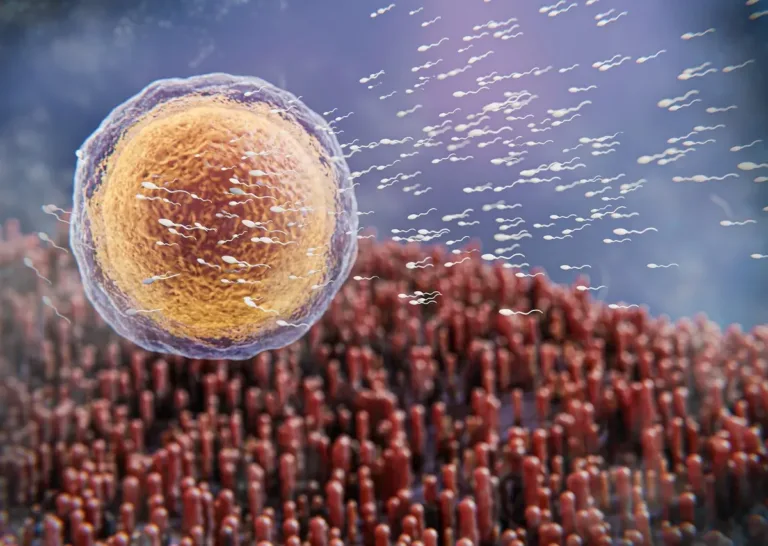
Female fertility usually peaks on certain days of the month. This is when, in the process known as ovulation, an egg is released from a woman’s ovary and is ready for fertilization. In order to get pregnant, it is recommended that couples have a good understanding of this ovulation period and have sexual intercourse during this time period.
Male Fertility and Sperm Health
Male fertility is equally important. Sperm count, motility, and morphology are among the critical factors for getting pregnant. A healthy lifestyle, adequate nutrition, and regular exercise can improve sperm quality.
Ways to Increase Fertility
- Balanced Diet: A balanced diet that includes vitamins, minerals, and healthy fats positively affects both male and female fertility.
- Regular Exercise: Overweight or extreme thinness can reduce fertility by affecting hormone levels. Regular exercise helps maintain an ideal weight.
- Avoiding Stress: Stress can negatively affect fertility by disrupting hormone balance. Meditation, yoga, and hobbies are effective in managing stress.
Seeking Medical Attention
If you are concerned about fertility, it is best to consult with a healthcare professional. A medical evaluation can identify potential problems and recommend the most appropriate methods for getting pregnant.
Fertility knowledge for getting pregnant is just the beginning of this process. A healthy lifestyle, the right timings, and medical support when necessary are all steps to achieve your dream family. 🌷👨👩👧

Best Time to Get Pregnant: Ovulation Period
Determining the best time to conceive is a critical step in the fertility journey. Ovulation is the period when a woman ovulates once a month and reaches her highest fertility potential. During this time, the egg remains ready for fertilization for about 24 hours. So, how can we define the ovulation period for couples who want to get pregnant?
Understanding Ovulation
- Ovulation Schedule: Most women ovulate about 14 days after the first day of their last menstrual period. However, this period may vary from woman to woman.
- Monitoring Body Temperature: Measuring your body temperature when you wake up in the morning can help you notice a slight increase in temperature, indicating that ovulation has begun.
- Cervical Mucus Changes: During ovulation, cervical mucus becomes more transparent, slippery, and flexible. This is the highest sign of fertility.
Most Productive Days
To get pregnant, the days before and after ovulation are considered the most fertile days. Couples are advised to have regular sexual intercourse during this period. Sperm can remain viable in the female body for up to 3-5 days, so having intercourse in the days before ovulation can also increase the chances of pregnancy.
Ways to Track Ovulation
- Ovulation Calendar Apps: Many mobile apps help keep track of ovulation and menstrual cycle.
- Ovulation Test Kits: Ovulation test kits, available from pharmacies, help you determine the time of ovulation by detecting the increase of luteinizing hormone (LH).
Tips & Advice
- Regular Intercourse: In order not to miss the ovulation period, it may be beneficial to have regular sexual intercourse 2-3 times a week.
- Avoid Stress: Stress can delay or inhibit ovulation. Relaxing activities and adequate rest are important.
- Adopt a Healthy Lifestyle: A healthy diet and regular exercise can have positive effects on fertility.
Getting pregnant is a process that requires patience and time for many couples. Accurately identifying the ovulation period and making the most of it can make a big difference in this journey. 🌸💑What Can Be Done To Get Pregnant?
Healthy Lifestyle Tips to Help You Get Pregnant
One of the most important answers to the question of what to do to get pregnant is to adopt a healthy lifestyle. There are a few lifestyle changes you can implement to make a positive impact on fertility and increase your chances of pregnancy.
Balanced Diet
- Rich Foods: Fruits, vegetables, whole grains, lean proteins, and healthy fats form the basis of a fertility-friendly diet.
- Vitamins and Minerals: Vitamins and minerals, especially folic acid, iron, selenium, and zinc, are vital for both male and female fertility.
- Hydration: Adequate water consumption regulates body functions and is essential for a healthy pregnancy.
Physical Activity
- Regular Exercise: Regular, moderate exercise improves overall health and reduces stress. However, excessively intense workouts can negatively affect fertility.
- Yoga and Meditation: Yoga and meditation are excellent options for reducing stress and maintaining body-brain balance.
Healthy Lifestyle Choices
- Smoking and Alcohol: Smoking and excessive alcohol consumption have negative effects on both male and female fertility. If you want to get pregnant, it’s best to avoid these habits.
- Caffeine: Caffeine consumption of more than 200–300 mg per day can have adverse effects on fertility. This is equivalent to about 2-3 cups of coffee per day.
- Stress Management: Stress can lead to hormone imbalances and therefore fertility problems. Managing stress is important for getting pregnant.
Good Sleep Habits
- Adequate Sleep: A good night’s sleep improves the body’s hormone balance and overall health. Quality sleep between 7-9 hours a day is important for both physical and mental health.
Environmental Factors
- Chemical Avoidance: Certain environmental chemicals and toxins can have negative effects on fertility. It is important to avoid substances such as bisphenol A (BPA), which are found in plastics.
Adopting a healthy lifestyle is of great importance for couples who want to get pregnant, not only in terms of physical health, but also in terms of emotional and psychological health. Taking care of yourself is the cornerstone of a healthy pregnancy journey. 🌼👫
Medical Checkups and Getting Pregnant
Another important answer to the question of what to do to get pregnant involves regular medical check-ups and necessary tests. These checks help to detect any health problems that may exist before starting a healthy pregnancy process and treat them when necessary. It also allows for the assessment of fertility status for both the woman and the man.
Pre-Checks for Women
- General Health Checkup: A doctor evaluates your overall health and determines if you are ready to become pregnant.
- Pelvic Examination and Pap Smear Test: These are the necessary tests to evaluate women’s reproductive health.
- Blood Tests: To check hormone levels, blood type, and immune status against certain diseases such as rubella.
- Folic Acid and Other Supplements: Folic acid and other vitamin supplements necessary for a healthy pregnancy can be started with the advice of a doctor.
Pre-Checks for Men
- General Health Assessment: Men should also undergo a general health check-up.
- Sperm Analysis: It is performed to evaluate factors such as sperm count, motility and morphology.
Genetic Counseling for Couples
- Genetic Tests: It is performed to detect diseases seen in the family in the past and to evaluate the risks. These tests can help reduce the risk of passing any genetic conditions to the baby.
Recommendations for a Healthy Pregnancy
- Regular Doctor Visits: Regular check-ups with a doctor while trying to get pregnant and during pregnancy are important for early detection and treatment of potential problems.
- Healthy Lifestyle: Regular exercise, a healthy diet, and adequate sleep are important when trying to get pregnant.
- Mental Health: Pregnancy can be full of emotional fluctuations. Therefore, psychological support and stress management are of great importance in this process.
Getting pregnant is an exciting process for many couples. Managing this process in a healthy and conscious way provides the best start for both mother and baby. Medical check-ups and doctor’s recommendations should be your guide on this journey. 💖👶
Getting Pregnant Naturally: Practical Tips and Methods
The answer to the question of what to do to get pregnant also includes natural methods and lifestyle changes. These methods can increase the fertility potential of couples and set the stage for a healthy pregnancy. Here are some practical tips and methods to make it easier to get pregnant:
1. Recognize and Track the Ovulation Period
- Use an Ovulation Calendar: Track your ovulation and determine the days when you are most productive. This helps you catch the ideal time to get pregnant.
- Observe Body Temperature and Cervical Mucus: These two indicators can help you more accurately determine your ovulation period.
2. Eat Healthy and Exercise
- Balanced Diet: Antioxidant-rich foods, healthy fats, and adequate protein have a positive effect on fertility.
- Moderate Exercise: Physical activity helps manage body weight and improve overall health.
3. Reduce Stress
- Relaxation Techniques: Relaxation methods, such as yoga, meditation, and deep breathing techniques, can help reduce stress and create a more conducive environment for getting pregnant.
4. Adopt Healthy Lifestyle Habits
- Avoid Smoking and Alcohol: These substances can have negative effects on both male and female fertility.
- Adequate Sleep: Get enough quality sleep each night for your body to heal and regenerate.
5. Natural Supplements and Vitamins
- Folic Acid and Other Vitamins: Folic acid, iron, omega-3 fatty acids, and other important vitamins are essential nutrients for a healthy pregnancy.
6. Staying Positive and Being Patient
- Thinking Positively: Getting pregnant can take time. Staying positive and being patient will motivate you during this process and reflect positively on your relationship.
7. Strengthen Your Relationships
- Communicate with Your Partner: When trying to get pregnant, it’s important to have open and supportive communication with your partner. This helps you better manage the process together.
These practical tips and methods for getting pregnant naturally can guide couples. Since every person’s body is different, it is important to be patient during this process and seek professional help when necessary. 💑🍀
Getting Pregnant with Assisted Reproductive Technologies
Among the answers to the question of what to do to get pregnant are the assisted reproductive technologies (ART) offered by modern medicine. These technologies give hope to couples who have difficulty conceiving naturally. Advanced treatment methods can help overcome a variety of fertility issues. Here are the most common assisted reproductive technologies:
1. In Vitro Fertilization (IVF)
- How does it work?: IVF (in vitro fertilization) is the process of fertilization in a laboratory environment. Eggs taken from the woman and sperm taken from the man are brought together in the laboratory environment. After fertilization occurs, the embryo is transferred to the woman’s uterus.
- Who Is It Suitable For?: Recommended for cases where the tubes are blocked, cases where sperm quality is poor, and when other treatments have failed.
2. Intrauterine Insemination (IUI)
- How does it work?: IUI is the process of inserting washed and concentrated sperm directly into a woman’s uterus. This method is planned to coincide with the ovulation period.
- Who Is It Suitable For?: It is preferred in cases of mild male factor infertility or unexplained infertility.
3. Donation and Surrogate Mother
- How does it work?: Egg, sperm or embryo donation; It gives couples or individual individuals who do not have the ability to reproduce the chance to have children. Surrogacy, on the other hand, involves the process of carrying a baby in another woman’s womb.
- Who Is It Suitable For?: It is an option for those who are not able to get pregnant with their own egg or sperm.
4. Preimplantation Genetic Screening (PGD)
- How does it work?: During the IVF process, embryos are genetically screened. This allows genetic diseases to be detected in advance and the selection of healthy embryos.
- Who Is It Suitable For?: Recommended for couples who are carriers of genetic diseases.
Assisted reproductive technologies offer a wide range of options for getting pregnant. However, each of these treatments has its own advantages, risks, and costs. Therefore, it is important to determine the most appropriate method for your particular situation in consultation with a specialist. 🌈👶
Getting pregnant by increasing male fertility
Another important answer to the question of what to do to get pregnant is the methods of increasing male fertility. Fertility in men is directly related to sperm count, motility, and health. Healthy sperm production can be supported by a healthy lifestyle and some specific strategies. Here are some tips to increase male fertility:
Healthy Eating & Supplements
- Rich Nutrients: Nutrients such as antioxidants, omega-3 fatty acids, and vitamins positively affect sperm health. A diet that includes these nutrients can improve sperm quality.
- Supplements: Supplements such as zinc, selenium, folic acid, and vitamin C can improve sperm production and quality. However, it is important to consult with a healthcare professional before taking any supplements.
Physical Activity and Healthy Weight
- Regular Exercise: Regular physical activity improves overall health and promotes sperm production. Overweight or obesity can affect hormone levels and reduce sperm quality.
- Healthy Weight: Maintaining an ideal body weight optimizes hormone balance and increases fertility.
Stress Management
Stress Reduction: Chronic stress can affect testosterone levels and reduce sperm production. Stress reduction methods such as meditation, yoga, and time management techniques can be beneficial.
Lifestyle Changes
- Smoking and Alcohol: Smoking and excessive alcohol consumption can negatively affect sperm count and quality. Avoiding these habits can improve male fertility.
- Avoiding Heat: Hot baths, saunas, and tight clothing can increase testicular temperature and adversely affect sperm production.
Health Checks
Regular Health Checks: Treatment of existing health problems can improve sperm health. For example, dilation of the veins in the testicles, such as varicocele, can improve sperm quality if treated.
Getting pregnant by increasing male fertility requires a holistic approach. A healthy lifestyle, balanced diet and avoidance of stress play an important role in this process. As always, it’s best to speak with a healthcare professional before making any significant lifestyle changes. 🍀💪
Psychological Support and Stress Management to Get Pregnant
Another important dimension of the question of what to do to get pregnant is psychological support and stress management. It should be noted that trying to get pregnant can be a mentally and emotionally challenging process for both individuals and couples. During this process, stress management and psychological support are vital for both maintaining your fertility health and improving your overall well-being.
The Effect of Stress on Fertility
- Physiological Effects: Chronic stress can disrupt hormone balance and inhibit ovulation. In men, it can reduce sperm quality and quantity.
- Emotional Effects: Stress can strain the relationship between couples and reduce the frequency of sexual intercourse.
Stress Management Techniques
- Relaxation and Meditation: Daily meditation and deep breathing techniques can help reduce stress levels.
- Physical Activity: Regular exercise reduces stress hormones and releases endorphins.
- Hobbies and Interests: Engaging in activities that make you happy supports your mental health.
Psychological Support Resources
- Professional Help: Meeting with a psychologist or psychiatrist can develop strategies for coping with emotional difficulties.
- Support Groups: Sharing your experiences with other individuals who are trying to get pregnant can make you feel like you’re not alone and provide you with helpful tips.
- Communication with the Partner: Expressing your feelings openly and talking to your partner on a regular basis strengthens your relationship and helps you manage the process together.
Positive Thinking and Patience
- Positive Attitude: Having a positive attitude when trying to get pregnant helps in dealing with difficulties.
- Patience: The fertility journey can take time. Being patient with yourself and your partner is an important support in this process.
When making an effort to get pregnant, psychological health and stress management are just as important as physical health. Taking care of yourself, seeking support, and maintaining a positive outlook can give you strength on this journey. 💖🌈
What Can Be Done To Get Pregnant? Frequently Asked Questions About
How Long Does It Take To Get Pregnant?
Every couple is different, and the duration of conception depends on many factors. Overall, about 85% of healthy couples who regularly have unprotected sex become pregnant within a year. However, factors such as age and health status can affect the duration.
What Are The Factors That Make It Difficult To Get Pregnant?
Factors that can make it difficult to get pregnant include ovulation problems in women, poor sperm quality in men, age, certain health conditions, and lifestyle factors (e.g., being overweight, smoking).
How Can I Calculate Ovulation Period?
Ovulation usually occurs 14 days after the first day of your last menstrual period. However, this can vary from woman to woman. Ovulation test kits, keeping track of your body temperature and keeping an eye out for cervical mucus changes can help you determine your ovulation period.
How Can Men Increase Their Fertility?
To improve sperm quality, men can take care of a healthy diet, exercise regularly, manage stress, avoid smoking and excessive alcohol consumption, and stay away from extreme heat.
When Should I Consult a Doctor to Get Pregnant?
Couples who are unable to get pregnant despite regular unprotected sex for a year are advised to consult a healthcare professional. For women aged 35 and over, this period is considered to be six months.
Are Assisted Reproductive Technologies Suitable for Everyone?
Assisted reproductive technologies (ART) are aimed at couples with a variety of fertility problems. However, every situation is different, and it’s important to speak with a fertility specialist to make a decision about which ART method is right for you.
Does stress really affect getting pregnant?
Yes, stress can negatively affect the fertility of both women and men. Stress management techniques and professional support when needed can help with this process.
In this article, we aimed to provide a comprehensive guide to the question “What to do to get pregnant?” Healthy lifestyle choices, medical check-ups, natural methods, assisted reproductive technologies and psychological support are important at every step. In the light of this information, we wish you success and happiness in your pregnancy journey. 🍼💑