
Top 10 Questions During Pregnancy
Here are the 10 most asked questions during pregnancy and a comprehensive guide on what to look out for during this process. Here are the answers to the most important questions that expectant mothers are curious about.
Top 10 Questions During Pregnancy
Although pregnancy is a different experience for every woman, it can create similar questions in the minds of expectant mothers. This article aims to walk you through this special period by going in-depth to the 10 most asked questions during pregnancy.
In what week should I go to the doctor during pregnancy?
When you find out you’re pregnant, it’s important to go to an obstetrician first. This visit is usually done between the 6th or 8th weeks of pregnancy.
Pregnancy is one of the most important periods in a woman’s life, and the first doctor’s visit during this period is critical to the health of the mother and baby. Here are the tests and scans that are usually done at the first doctor’s check-up:
HCG Test
First, it is a blood test to confirm pregnancy. HCG (Human Chorionic Gonadotropin) hormone rises only during pregnancy and the presence of pregnancy is confirmed with this test.
Complete Blood Count
A complete blood count is performed to assess the mother’s general state of health. This test also shows the risk of iron deficiency anemia.
Urinalysis
It provides a screening for urinary tract infections and other kidney problems.
Blood Pressure Control
High or low blood pressure can lead to complications during pregnancy. At the first visit, blood pressure is measured.
Pelvic Examination
The obstetrician examines the pelvic area and checks the cervix (cervix).
Ultrasound
Many doctors prefer to do an ultrasound test at the first visit. This is done to check the condition, age and development of the fetus.
Tests for Sexually Transmitted Diseases (STDs)
Tests are carried out for sexually transmitted diseases such as HIV, Hepatitis B and C, Syphilis, because these diseases can directly affect the baby.
Glucose Screening
This is usually not done at the first visit, but is done later in pregnancy to assess the risk of gestational diabetes.
Rh Factor and Blood Type
The blood type and Rh factor of the expectant mother are determined. If the mother is Rh negative, appropriate treatment plans can be made.
These tests and screenings are important for the health of the mother and baby. Each is critical for detecting potential risks early and determining appropriate treatment paths. You should always have the tests and scans recommended by your doctor completely and discuss the results in detail with your doctor.

What vitamins should be taken?
Folic acid and iron are among the most recommended vitamins and minerals during pregnancy. Your doctor will determine the doses and types that are appropriate for you.
Folic acid intake in the early stages of pregnancy is very critical, especially in terms of preventing neural tube defects (NTDs). The neural tube forms the baby’s brain and spinal cord, and a sufficient amount of folic acid is necessary for the healthy development of these structures.
Health organizations such as the American College of Obstetricians and Gynecologists (ACOG) and the American Academy of Pediatrics generally recommend that pregnant women take 600 mcg (micrograms) of folic acid daily, including in the pre-pregnancy period. This amount can usually be met with a multivitamin supplement, but it can also be obtained through nutrition. Folic acid occurs naturally in foods such as green leafy vegetables, whole grains, orange juice, and legumes.
But it should be remembered that if pregnancy is planned, it is even more beneficial to start folic acid supplementation, ideally at least a month before you become pregnant. In the pre-pregnancy period, it is generally recommended to take 400 mcg of folic acid daily.
The need for iron is usually recommended as 27 mg per day . This amount can usually be provided by supplements, but it should also be supplemented with the nutrients listed above.
These recommendations are general guidelines, and individual needs may vary from person to person. If you are planning a pregnancy or are in the early period, it is best to discuss your folic acid needs and other nutritional needs with a health professional.
Foods Rich in Folic Acid and Iron
Foods Rich in Folic Acid
- Green Leafy Vegetables: For example, 1 cup of spinach contains about 260 mcg of folic acid.
- Fruits: Especially bananas and oranges. 1 medium banana contains about 20 mcg of folic acid, and 1 orange contains about 50 mcg of folic acid.
- Legumes: For example, 1 cup of lentils contains about 358 mcg of folic acid.
- Cereals: Especially whole wheat bread and brown rice. 1 slice of whole wheat bread contains about 25 mcg of folic acid.
Iron-Rich Foods
- Red Meat: For example, 100 grams of beef contains about 2.7 mg of iron.
- Chicken and Turkey: 100 grams of chicken meat contains about 1.3 mg of iron.
- Fish: For example, 100 grams of salmon contain about 0.55 mg of iron.
- Egg: 1 large egg contains about 1 mg of iron.
- Legumes: For example, 1 cup of lentils contains about 6.6 mg of iron.
Not
The amount of vitamins and minerals contained in foods is approximate and may vary according to different sources. In addition, since the need for vitamins and minerals during pregnancy may vary from person to person, it is recommended to consult with a health professional.
Is Caffeine Consumption Harmful?
Caffeine consumption should be limited during pregnancy. It is generally recommended not to exceed 200 mg daily.

Can I exercise?
Exercising is very beneficial during pregnancy. However, it is important to avoid heavy and risky movements.
What Foods to Avoid?
Raw meat and unpasteurized dairy products should be avoided, as these products may contain bacteria such as listeria. Get detailed information about foods that should not be eaten during pregnancy .

Is Nausea Normal?
Morning sickness is quite normal, especially in the first trimester, and usually does not pose a serious problem.
What Should Be Considered During Sexual Intercourse?
Sexual intercourse is generally safe during pregnancy, but you should consult your doctor in case of any complications.
When Are the Baby’s Movements Felt?
Usually, between the 16th and 25th weeks, the baby’s movements begin to be felt.
What Tests Should Be Done?
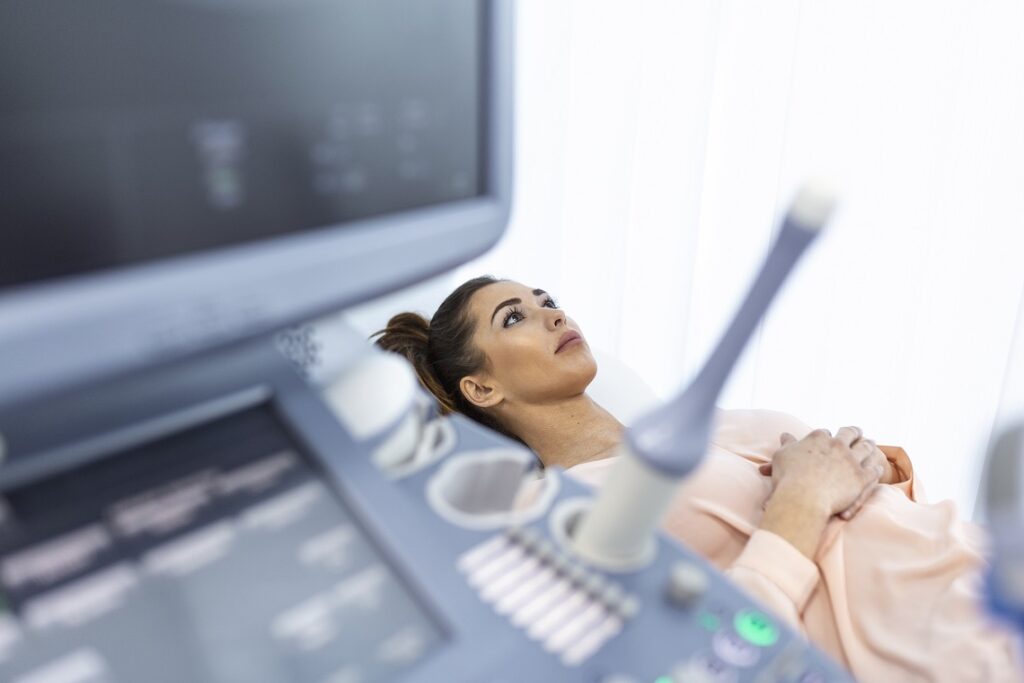
Ultrasound and blood tests are the most common tests performed during pregnancy. Your doctor will determine which tests to do.
When to Choose the Hospital Where I Will Give Birth?
2 of pregnancy. You should start choosing the hospital where you will give birth in the trimester, that is, from the 4th month.