
Mood swings during pregnancy
Mood swings during pregnancy are an issue that expectant mothers frequently encounter and should be addressed with importance. This unique period brings great changes, both physically and emotionally. Pregnancy, on the one hand, symbolizes the beginning of a new life, on the other hand, it is a journey full of hormonal, physical and psychological changes.
In this article, we will discuss in detail the mood swings experienced during pregnancy. We aim to provide a lot of important information, from the effects of hormonal changes on the emotional state to the methods of coping with these changes.
What Causes Mood Swings During Pregnancy?
Mood swings during pregnancy are largely triggered by hormonal changes. During pregnancy, there are significant increases in the levels of hormones, especially estrogen and progesterone. These hormonal fluctuations can cause changes in emotional responses and mood. For example, an increase in progesterone often increases fatigue and emotional sensitivity, while an increase in estrogen can sometimes lead to feelings of anxiety and restlessness.
Changes in brain chemistry during pregnancy also cause mood swings. These changes can affect the way the expectant mother copes with stress and lead her to have a more emotional response. Also, increased oxytocin levels during pregnancy promote the mother’s bonding with her baby, but this can also lead to more emotional fluctuations.
The impact of these hormonal changes varies from person to person, and every pregnant woman experiences this process differently. Some women may feel more emotional and sensitive during pregnancy, while others may experience these changes less severely. The important thing is to understand that these changes are part of a normal and expected pregnancy process and to take steps to get support if necessary.
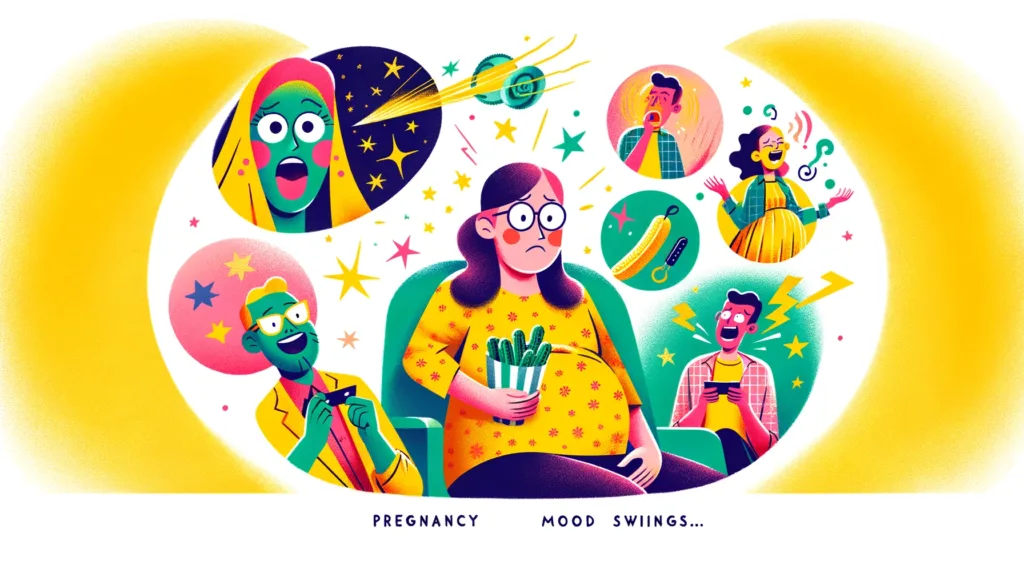
Emotional Fluctuations During Pregnancy
Mood swings during pregnancy are not limited to hormonal effects; Emotional fluctuations experienced during this period are also closely related to physical and social factors. The emotional state of a pregnant woman can affect every aspect of her daily life and present with different emotional reactions.
- Joy and Excitement: Pregnancy is a source of great joy and excitement for many women. The arrival of the baby, the idea of welcoming a new family member fills many women with a deep feeling of happiness and contentment.
- Anxiety and Worry: On the other hand, physical changes during pregnancy and uncertainties about the future can increase anxiety and worry levels. The responsibilities of being a mother, financial worries, and worries about the birth process are common emotional states during this period.
- Emotional Sensitivity: Increased emotional sensitivity during pregnancy can lead to stronger emotional reactions to everyday events. This can sometimes manifest itself in the form of being more prone to tears or overreacting to small events.
- Mood Swings: Mood swings, which are common among pregnant women, are sudden and unexpected mood swings. This includes emotional states that can range from happiness to the depths of sadness, from calm to nervousness in a moment.
Understanding and accepting these emotional fluctuations during pregnancy is important to manage this process in a healthier way. Expectant mothers can be more understanding of themselves and the emotions they experience, knowing that these feelings are temporary and normal. In addition, partners, family members and friends can play a supportive role in this process, making the pregnancy experience more positive.
Stages of Mood Swings During Pregnancy
The phases of mood swings experienced during pregnancy are caused by a variety of factors and usually manifest in different ways during the three main trimesters of pregnancy.
- First Trimester (Weeks 1-12): During the first trimester, mood swings usually begin between 6 and 10 weeks. During this period, mood swings are common as the body begins to get used to the hormones released during pregnancy. The main cause of mood changes during the first trimester is hormones. These hormones can act on neurotransmitters in the brain and reduce their function. Neurotransmitters are brain chemicals that help manage mood, so disruption of their function can lead to mood swings.
- Second Trimester (Weeks 13-26): The second trimester usually witnesses fewer mood swings. However, factors such as stress, fatigue, and metabolic changes can cause mood swings during this period as well.
- Third Trimester (27-40 Weeks): In the third trimester, the body begins to prepare for childbirth and begins to secrete new hormones, which can lead to mood swings increasing again. In addition, as the birth approaches, increased fatigue, sleep difficulties, fears and anxieties about childbirth and motherhood can trigger mood swings.
Mood swings may continue after pregnancy. During this period, some mothers may experience depression due to hormonal imbalances and factors such as postpartum fatigue and lack of sleep.
To manage these changes, it is recommended to get enough sleep, a balanced diet, light exercises, yoga, meditation and professional help when necessary. Remembering that mood swings are part of a normal pregnancy process and accepting these changes can help expectant mothers get through this period in a healthier way.
Communication with Partner and Family
Mood swings during pregnancy affect not only the expectant mother, but also her partner and family. During this period, healthy and open communication is of great importance in managing emotional fluctuations. The partner and family are the main source of emotional support for the expectant mother, and their understanding and patience help to get through this process more easily.
- Sharing Emotional Changes: The expectant mother should openly share the emotional fluctuations she experienced during pregnancy with her partner and family. This sharing allows them to understand what they are feeling and support them appropriately.
- Partner’s Role: In addition to providing emotional support during pregnancy, the partner can also provide practical assistance. Actions such as going to doctor’s appointments together, taking on more responsibilities with household chores, or simply being a listening ear can make this process easier.
- Support from Family and Friends: Family members and friends are also an important source of support during pregnancy. Regular communication with them and sharing emotional needs helps the expectant mother feel more confident and understood.
- Overcoming Communication Barriers: Sometimes, emotional fluctuations can lead to communication barriers. In this case, seeking professional help or consulting services can be an effective way to overcome communication problems.
- Emotional Understanding and Patience: The understanding and patience of both the partner and the family during pregnancy play a major role in coping with mood swings in the expectant mother. Understanding that emotional fluctuations are temporary and a natural part of pregnancy contributes to a healthier recovery from this process.
The pregnancy process is a process of great change and adaptation not only for the expectant mother, but also for those who live with her. Establishing solid and supportive relationships during this period helps both the expectant mother and her family to experience this period as a more positive experience.
When to Get Professional Support for Mood Swings During Pregnancy?
During mood swings during pregnancy, sometimes getting professional help and support can be very beneficial for the expectant mother. This type of support plays an important role, especially in managing emotional difficulties and maintaining a healthy pregnancy process.
- Psychological Counseling: Psychological counseling services can be very useful to manage emotional fluctuations experienced during pregnancy. A professional counselor helps understand emotional swings and develop strategies for dealing with them.
- Group Therapies and Support Groups: Pregnancy-related support groups provide an opportunity to get together and share experiences with other women who are going through similar experiences. These groups provide a safe environment for expectant mothers to express their feelings and learn from other women’s experiences.
- Online Resources and Apps: Today, there are a variety of online resources and mobile apps related to pregnancy. These platforms offer the possibility to gain knowledge, learn relaxation techniques, and connect with other expectant mothers.
- Communication with Doctors and Health Professionals: It is important for the expectant mother to be in regular contact with her doctor or other health professionals. These professionals are there to answer questions about emotional and physical health during pregnancy and provide additional support referrals if needed.
- Yoga and Meditation: Relaxation techniques such as yoga and meditation during pregnancy can be effective in maintaining emotional balance and reducing stress. Such activities support both physical and mental health and help to pass the pregnancy process more comfortably.
Taking advantage of professional help and support options can help manage the problem of mood swings during pregnancy in a healthier way and make this special period a more positive experience. The needs of each expectant mother are different, so personal preferences and needs should be taken into account in order to find the most appropriate methods of support and assistance.
Methods of Protecting Mental Health During Pregnancy
Although mood swings during pregnancy are inevitable, by using healthy lifestyle choices and some strategies, expectant mothers can protect their mental health and manage this period better.
- Self-Care Practices: Taking care of yourself is one of the cornerstones of maintaining mental health during pregnancy. Getting enough sleep, following a balanced and nutritious diet, and exercising regularly help maintain both physical and emotional health.
- Relaxation Techniques and Exercise: Relaxation techniques such as meditation, deep breathing, and yoga can help reduce stress and gain mental clarity. Also, regular light exercise can improve mood by increasing the release of endorphins.
- Social Support and Communication: Social support is an important element of maintaining mental health during pregnancy, and it is important to communicate regularly with family, friends and pregnancy groups. These social connections can provide emotional support and reduce feelings of isolation.
- Stress Management Strategies: Stress management is critical for maintaining mental health during pregnancy. Strategies such as time management, prioritization, and staying away from stressful situations can be used to manage daily stress.
- Positive Thinking and Mindset: Positive thinking and mindset are a powerful tool for maintaining mental health during pregnancy. Turning challenges into opportunities, being kind to oneself, and focusing on positive outcomes can improve emotional well-being.
- Turning to Hobbies and Interests: Making time for hobbies and personal interests during pregnancy keeps the mind busy and provides a positive focus. These activities are perfect for relieving stress and achieving personal fulfillment.
Pregnancy can be a complex and emotional time, but with these suggestions, expectant mothers can manage the process of mood swings during pregnancy in a healthier and happier way. Every woman’s experience is different, so it’s important to find and apply the methods that work best for them.
FAQ: Frequently Asked Questions
Are mood swings normal during pregnancy?
Yes, mood swings are common and normal due to hormonal changes during pregnancy. Changes in hormonal levels during this period can lead to emotional fluctuations. This condition is experienced by most pregnant women.
What factors influence mood swings during pregnancy?
While hormonal changes are the main factor, other factors such as changes in sleep patterns, physical ailments, stress, and anxiety can also affect mood swings.
When should I go to the doctor for mood swings during pregnancy?
If emotional fluctuations are interfering with your daily functioning or persist for a long time, it’s a good idea to seek professional help. In addition, situations such as constant anxiety, deep sadness or a feeling of inability to cope are also valid reasons to seek professional support.
How can I protect my mental health during pregnancy?
Getting enough rest, a healthy diet, regular exercise, relaxation techniques, and social support can help you maintain your mental health. It’s also important to understand and accept emotional fluctuations.
What causes mood swings during pregnancy?
The biggest cause of mood swings during pregnancy is hormonal changes. An increase in levels of pregnancy hormones, especially progesterone and estrogen, can lead to feelings such as depression, anxiety, sadness, fear, and frustration. In addition, fatigue, emotional and physical stress, and changes in metabolism also contribute to these fluctuations. (“)
Conclusion: Understanding and Managing Mood Swings During Pregnancy
Understanding and managing mood swings during pregnancy is vital to spending this special period in a healthier and happier way. Pregnancy is one of the most transformative processes in a woman’s life, and it leads to major changes, both physically and emotionally. As we’ve covered in this article, hormonal changes during pregnancy are the biggest trigger of mood swings. However, understanding and managing these fluctuations can help expectant mothers experience this period better.
Throughout pregnancy, expectant mothers may experience a variety of emotional states. These situations are normal, and every woman experiences these changes in different ways. Taking care of yourself, communicating openly, seeking social support, and seeking professional help if necessary will help you get through this process more easily and healthily.
Finally, understanding and accepting the mood swings experienced during pregnancy is important in order to turn this period into a more positive experience. Expectant mothers can be more understanding of themselves and the emotions they experience, knowing that these feelings are temporary and normal. Pregnancy, with its difficulties and beauties, is one of the most valuable processes of life, and every moment in this process offers precious and instructive experiences.
This article is a general guide to understanding and managing mood swings during pregnancy. Because every pregnant woman’s experience is unique, it’s important to consult with healthcare professionals for advice and support that’s appropriate for your individual situation.
Resources: