
Heartburn during pregnancy (heartburn)
The pregnancy process is both exciting and full of various physical changes for expectant mothers. One of these changes is the discomfort known as heartburn or heartburn. About 45% of pregnant women experience this condition.
What Causes Heartburn During Pregnancy?
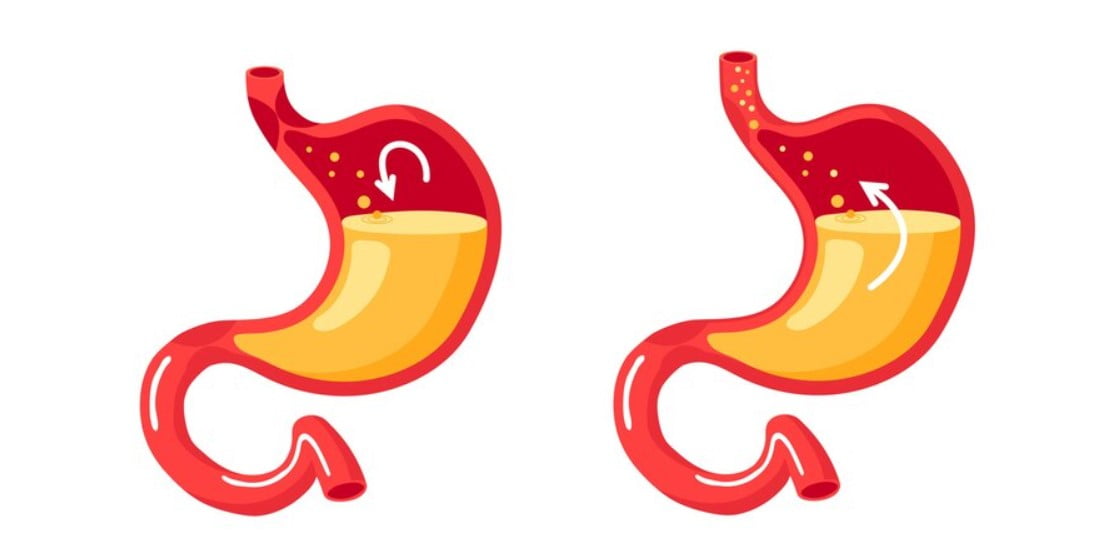
The main causes of heartburn during pregnancy are:
- Hormonal Changes: The hormone progesterone, which increases during pregnancy, relaxes the muscles of the uterus, while also causing the sphincter muscle between the stomach and the esophagus to relax. This causes stomach acid to escape into the esophagus, creating a burning sensation.
- Pressure of the growing uterus: In the later weeks of pregnancy, the growing uterus can put pressure on the stomach, causing stomach contents to be pushed into the esophagus.
When does heartburn start during pregnancy?
Heartburn can occur at any time during pregnancy. However, it is usually more common in the second and third trimesters. During this period, with the growth of the uterus, the pressure on the stomach increases, which can increase heartburn complaints.
What Is Good For Heartburn During Pregnancy?
To relieve heartburn, you can consider the following recommendations:
- Consume Small and Frequent Meals: Instead of large portions, consuming small and frequent meals throughout the day can relax the stomach.
- Avoid eating before bed: Stopping eating at least three hours before bedtime can reduce heartburn.
- Keep Your Head High: Elevating your head with pillows while sleeping can prevent stomach acid from escaping into the esophagus.
- Wear Comfortable Clothes: Choosing comfortable clothes that do not tighten the abdominal area can reduce the pressure on the stomach.
- Chew Gum: Chewing sugar-free gum after meals can neutralize stomach acid by increasing saliva production.

What Foods to Avoid?
Some foods and drinks that can trigger heartburn include:
- Spicy and fatty foods
- Acidic fruits (for example, citrus fruits)
- Chocolate
- Drinks containing caffeine
- Carbonated drinks
Avoiding such foods can reduce heartburn complaints.
When to consult a doctor?
If your heartburn complaints reduce your quality of life or persist despite the precautions you take, it is important to consult your doctor. Your doctor may recommend antacid medications or other treatment methods that you can safely use during pregnancy.
Although heartburn during pregnancy is a common condition, it is possible to alleviate this discomfort with simple precautions to be taken. Remember, every pregnancy is different; Therefore, you can find the most suitable solutions by listening to your own body and following your doctor’s recommendations.
What relieves the stomach while pregnant?
The main key to minimizing stomach problems during pregnancy is a healthy diet. A good breakfast meal is very important. Consuming less food at frequent intervals is more beneficial for stomach health. In particular, white bread, boiled potatoes, and pasta prepared without using oil can be preferred during the diet in terms of carbohydrates.
What causes heartburn at night?
Heartburn in the morning or heartburn at night problems are very common. Taking a lying position and bending over, especially after meals, can cause burning in the stomach. As a symptom of heartburn, an acidic sour taste in the mouth is also likely to appear.
Does heartburn during pregnancy harm the baby?
Expectant mothers who experience heartburn during pregnancy are very curious about whether there will be any harm to the baby. However, this is a situation that only causes discomfort to the expectant mother. Heartburn or heartburn does not harm the baby. This kind of discomfort never leads to a serious condition such as the risk of premature birth.
The causes of heartburn during pregnancy are due to the grinding problem of the stomach. It occurs as a burning sensation with the resulting stomach slowing down and upward exit. This ailment does not cause any harm to the health of the mother or baby. However, we can say that it is a big problem for the person who lives it.
Resources: