
Breakfast during pregnancy: 5 golden rules
Breakfast during pregnancy is of vital importance for expectant mothers to have a healthy and balanced start to the day. This particular period is a time when eating habits have profound effects on both the mother and the developing baby. Eating breakfast during pregnancy, in addition to providing the energy needed throughout the day, also guarantees the intake of important nutrients. The diet during this period is one of the cornerstones for the development of babies and the general health of mothers. In this article, we’ll take an in-depth look at topics such as the importance of breakfast during pregnancy, the nutrients it should contain, foods and drinks to avoid, healthy recipe suggestions, portion control, and its effects on digestion.
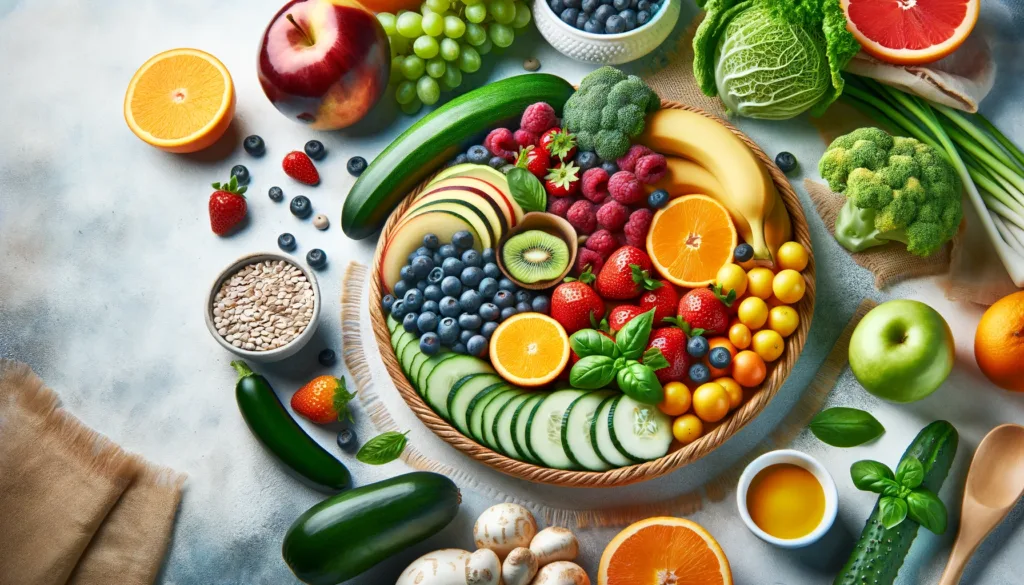
Nutrients That Should Be Included in a Balanced Pregnancy Breakfast
Breakfast during pregnancy should be balanced and nutritious. The basic nutrients that should be included in this meal can be listed as follows:
Carbohydrates
- Whole Grains: Whole grains, such as bread, oats, and cereals, are excellent sources of carbohydrates for breakfast during pregnancy. These foods provide long-lasting energy and balance blood sugar.
- Fruits: They are rich in fresh fruits, natural sugars, and fiber. This both increases energy levels and supports the digestive system.
Proteins
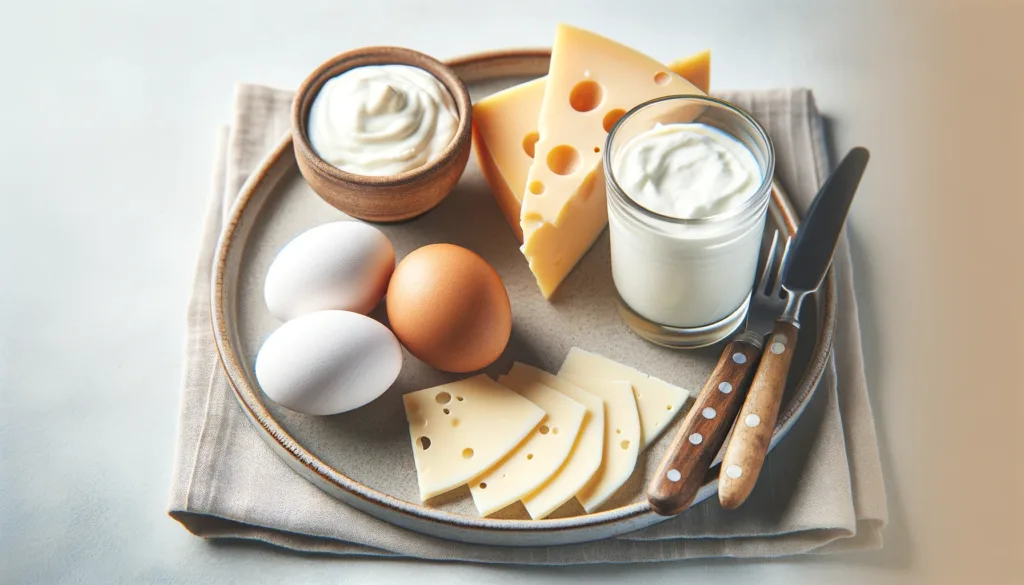
- Egg: Eggs are a breakfast option that is both rich in protein and easy to prepare. In addition, it contains vitamin B12 and choline, which are necessary for the development of the baby.
- Cheese and Yogurt: Rich in protein, calcium, and probiotics, these dairy products are ideal options for breakfast during pregnancy.
Vitamins and Minerals
- Green Leafy Vegetables: Green leafy vegetables like spinach and broccoli are rich in iron, folic acid, and other important vitamins.
- Nuts and Seeds: Nuts and seeds, which provide valuable nutrients such as zinc, magnesium, and omega-3 fatty acids, are a great addition to breakfast during pregnancy.
Consuming these nutrients in a balanced way at breakfast ensures optimal health and development for both mother and baby during pregnancy.
Breakfast Foods and Drinks to Avoid During Pregnancy
Avoiding certain foods and drinks during breakfast during pregnancy is important for the health of both mother and baby. The following list includes breakfast options to avoid during pregnancy:
High-Sugar Foods and Processed Foods
- Cakes and Sugar Cereals: Foods that contain high sugar can cause sudden fluctuations in blood sugar levels. This is undesirable during pregnancy.
- Processed Meat Products: Processed meats such as salami and sausages may contain harmful bacteria and therefore be risky during pregnancy.
Caffeine
- Coffee and Some Teas: Excessive caffeine consumption during pregnancy can lead to low birth weight and other complications. Care should be taken not to consume more than 200 mg of caffeine per day.
Potential Allergens and Sensitivities
- Nuts and Seafood: Some mothers may develop sensitivity to these foods. In addition, it is necessary to pay attention to the level of mercury during the consumption of seafood.
Alcoholic Beverages
- Alcohol: Any type of alcohol consumption during pregnancy is definitely something to avoid, as it can lead to serious health problems such as fetal alcohol syndrome.
Other Foods to Avoid During Pregnancy
- Raw or Undercooked Eggs and Meat Products: Bacteria like salmonella can be found in raw or undercooked foods and can lead to serious health problems during pregnancy.
Healthy Recipe Suggestions for Breakfast During Pregnancy
Breakfast during pregnancy should be both tasty and nutritious. The following are healthy breakfast recipes that will meet the needs of both mother and baby:
Fruit Mix with Oatmeal
- Ingredients: Whole grain oats, fresh fruits (for example, bananas and blueberries), nuts or almonds, chia seeds.
- Preparation: Cook the oats with milk or water. Add chopped fruits, nuts and chia seeds to it.
Protein Rich Omelet
- Ingredients: Eggs, spinach, tomatoes, low-fat cheese, olive oil.
- Preparation: Beat eggs and add spinach, chopped tomatoes. Cook together with low-fat cheese.
Whole Grain Sandwich
- Ingredients: Whole grain bread, peanut butter, sliced bananas or apples.
- Preparation: Spread peanut butter on the slices of bread and place banana or apple slices on top.
Yogurt and Fruit Parfait
- Ingredients: Low-fat yogurt, fresh fruits, muesli or granola.
- Preparation: Put the yogurt in a bowl, add fresh fruits and muesli/granola.
Avocado Toast
- Ingredients: Whole grain bread, ripe avocado, stone olives, lemon juice, salt and pepper.
- Preparation: Toast the slices of bread, brush with crushed avocado and garnish with slices of olives. Add lemon juice, salt and pepper to it.
These recipes are designed to support a balanced diet for breakfast during pregnancy and will both energize and keep you full throughout the day.
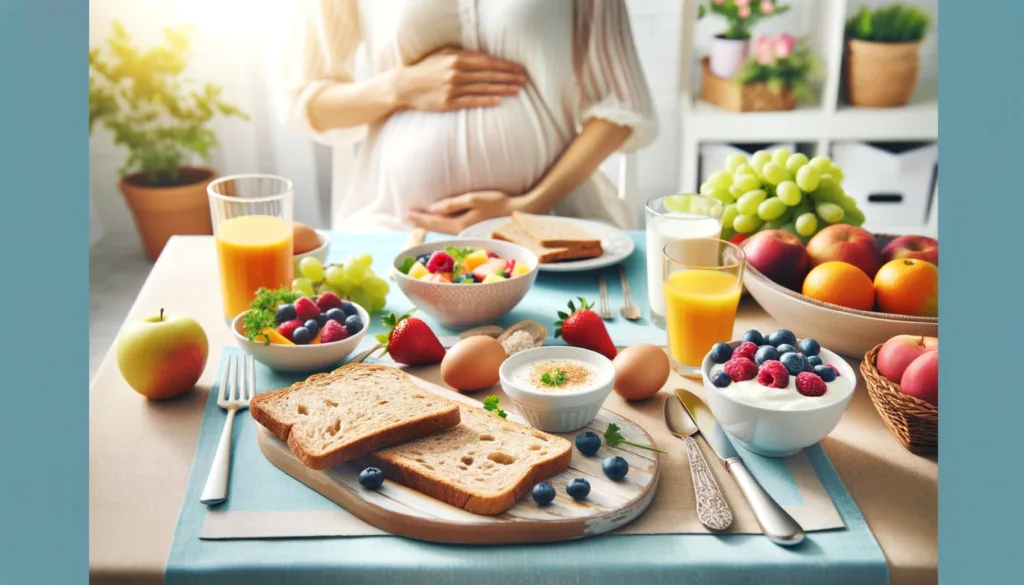
Frequency of Breakfast and Portion Control During Pregnancy
Breakfast during pregnancy is an important part of the daily eating routine. Proper frequency and portion control helps manage healthy weight gain and overall nutritional balance.
Frequency of Breakfast
- Regular Breakfast: Eating breakfast regularly every day during pregnancy is important for maintaining energy levels throughout the day and keeping blood sugar in balance.
- Snacks: If there is a long time between breakfast and lunch, it may be helpful to add a healthy snack.
Portion Control
- Portions in Moderation: Paying attention to portion size helps prevent excessive calorie intake. Filling half of your dinner plate with fruits and vegetables ensures a balanced portion.
- Listening: Eating by paying attention to your body’s hunger and fullness signals helps prevent overeating.
Practical Tips
- Use small plates: Using small plates makes it easier to eat with smaller portions.
- Slow Food: Eating slowly helps your body feel full and prevents overeating.
- Make Nurturing Choices: Your breakfast choices should be nutritious and filling.
Eating breakfast at the right frequency and in appropriate portions during pregnancy supports both the physical and emotional aspects of pregnancy. In the next section, we will consider how to integrate breakfast with vitamin and mineral supplements during pregnancy. In this section, we will provide practical suggestions on how to incorporate essential nutritional supplements into the breakfast routine.
Delicious Ways to Add Vitamins and Minerals to Your Breakfast
Breakfast during pregnancy is an excellent opportunity to meet the needs of vitamins and minerals. Including vitamin and mineral supplements recommended by your doctor in your breakfast routine will make your daily intake easier.
Supplement Use
- On the advice of a doctor: Vitamin and mineral supplements to be used during pregnancy should be selected with the advice and guidance of a doctor.
- Timing of Supplements: Some supplements are better absorbed when taken with food. Breakfast is an opportune time to take these supplements.
Including Supplements with Breakfast
- Calcium Supplements with Dairy Products: Taking calcium supplements with breakfasts containing yogurt or milk may increase absorption.
- Vitamin C Rich Foods: Fruits rich in vitamin C (e.g. oranges, strawberries) increase iron absorption. If you’re taking iron supplements, add these fruits to your breakfast.
Nutrient Enriched Foods
- Enriched Grains: Cereals, enriched with iron, folic acid, and other B vitamins, are a good option for breakfast.
- Omega-3 Rich Foods: For omega-3 fatty acids during pregnancy, you can add foods like flaxseeds or chia seeds to your breakfast.
Considerations
- Stomach Upset: Some supplements can cause stomach upset when taken on an empty stomach. In this case, it may be beneficial to take supplements with a fuller stomach.
- Risk of Overdose: Along with vitamins and minerals ingested through food, care must be taken when using supplements to avoid overdosing.
In the next section, we will discuss the effects of breakfast on digestion during pregnancy and how to alleviate common digestive problems during this period. In this section, we’ll focus on the importance of fibrous foods and breakfast options that support digestive health.
Effects of Breakfast on Digestion During Pregnancy
During pregnancy, changes in hormone levels and body structure can significantly affect the digestive process. These changes further increase the importance of breakfast choices during pregnancy.
Hormonal Changes and Digestion
Pregnancy hormones lead to changes in the digestive tract. The hormone progesterone causes smooth muscles to relax, which can lead to a slowdown of digestion in the stomach and intestines. In addition, the gallbladder can also be affected, delaying the emptying of the gallbladder, which can increase the risk of gallstone formation.
Effect on Uterine Growth and Digestion
The growing uterus can put pressure on the digestive tract. The growth of the uterus puts pressure on the stomach and intestines, slowing down the movement of food, which can lead to constipation. Adequate fluid intake, regular exercise, and increasing the amount of fiber in your diet during pregnancy can help combat constipation.
Diet and Digestion
During pregnancy, the body of the mother and baby needs a large amount of calories, vitamins and nutrients. Since the metabolism increases, the mother needs to eat more than in the pre-pregnancy period. If there are digestive problems at specific times, such as morning sickness, it is important to take prenatal vitamins at a different time than these times.
When eating breakfast during pregnancy, it’s important to consider these digestive changes and choose foods that will support the digestive system. Fiber-rich foods, plenty of fluid intake, and light, nutritious foods can help alleviate digestive issues during this period.
With this information in mind, we’ll explore the long-term benefits of healthy breakfast habits during pregnancy in the next section. In this section, the general effects of healthy eating habits during pregnancy on maternal and infant health will be discussed.
Conclusion: Long-Term Benefits of Healthy Breakfast Habits During Pregnancy
Developing healthy breakfast habits during pregnancy has significant long-term benefits for both mother and baby. These habits create a sustainable health and nutrition model during and after pregnancy.
Supporting Maternal Health
Healthy breakfast habits support maternal health during pregnancy. A balanced diet can reduce the risk of pregnancy-related health problems, such as gestational diabetes, and optimize energy levels. In addition, proper nutrient intake provides the mother with the strength and stamina needed during pregnancy and the postpartum period.
Healthy Development of the Baby
Nutrients taken during pregnancy are critical for the healthy development of the baby. Adequate and balanced nutrition supports the proper development of the baby’s organs, skeletal structure and brain functions.
Establishing Long-Term Eating Habits
Healthy eating habits gained during pregnancy can turn into a sustainable lifestyle in the long run. These habits help improve the overall health of the mother and her family.
Psychological Benefits
A healthy diet can help manage emotional fluctuations and stress experienced during pregnancy. A balanced diet can improve mood and contribute to an overall better mental health status.
In conclusion, healthy breakfast habits during pregnancy benefit both mother and baby. When these habits continue in the postpartum period, they have a positive impact on the lifelong health of the mother and child. Therefore, the importance of eating breakfast during pregnancy should be considered, not only for the present moment, but also for future health and well-being.
Frequently Asked Questions (FAQs)
What foods should I avoid for breakfast during pregnancy?
Foods to avoid for breakfast during pregnancy include high-sugar foods, processed foods, beverages containing excessive caffeine, raw or undercooked meat and egg products, alcoholic beverages, and potential allergens.
What is the importance of protein intake for breakfast during pregnancy?
Protein is critical for the growth and development of the baby during pregnancy. Adequate protein intake at breakfast increases the expectant mother’s feeling of satiety and supports daily energy levels, as well as healthy development.
How many carbs should I eat for breakfast during pregnancy?
The amount of carbohydrates to be consumed at breakfast during pregnancy should be individualized. In general, preference should be given to complex carbohydrates from whole grains and fruits. This helps to balance blood sugar and provide long-lasting energy.
How to integrate vitamin and mineral supplements for breakfast during pregnancy?
Vitamin and mineral supplements during pregnancy should be selected according to a doctor’s advice and should usually be taken with breakfast. Because some supplements are better absorbed with food, breakfast is a good time to take them.
How does eating breakfast during pregnancy help with weight control?
A regular and balanced breakfast promotes healthy weight gain during pregnancy. Proper portion control and choosing nutritious foods help prevent excessive weight gain and keep energy levels in balance throughout the day.
What effect does not eating breakfast during pregnancy have on the baby?
Skipping breakfast can lead to a lack of energy and nutrients for both mother and baby. This can have negative effects on the baby’s development and lower the mother’s energy level.
Resources