Alcohol Consumption During Pregnancy
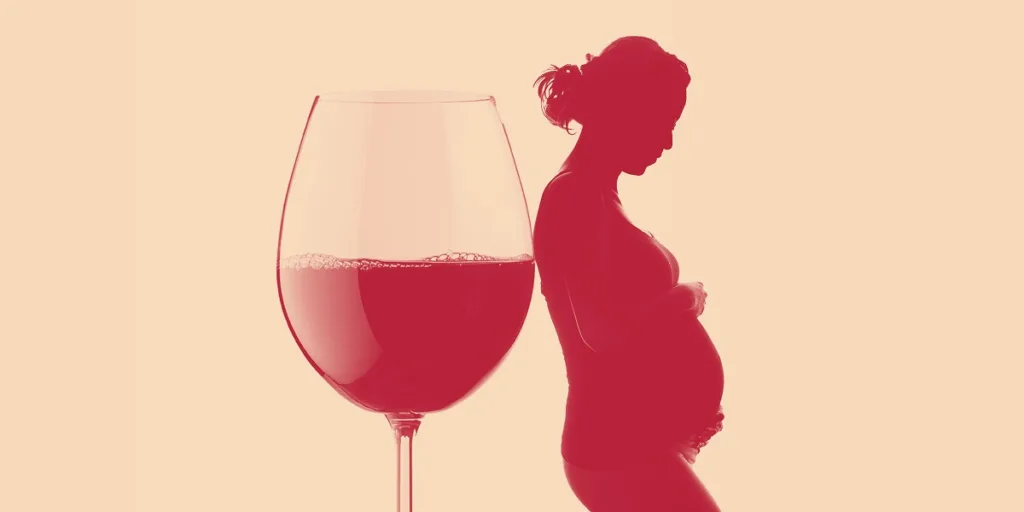
Pregnancy is one of the most important and sensitive periods in a woman’s life. Every decision made during this period can have a profound impact on the health of the mother and baby. Alcohol consumption during pregnancy is also one of these decisions. The negative effects of alcohol consumption during pregnancy are wide-ranging and can have serious consequences on the health of both mother and baby. Understanding the effects of alcohol consumption during pregnancy and raising awareness on this issue will contribute to the growth of healthier generations.
Alcohol Consumption During Pregnancy: Effects
Fetal Alcohol Spectrum Disorders (FASD) and Fetal Alcohol Syndrome (FAS)
Alcohol consumption during pregnancy can lead to serious health problems such as Fetal Alcohol Spectrum Disorders (FASD) and Fetal Alcohol Syndrome (FAS). FASD describes a range of conditions of the negative effects of alcohol on the fetus, and these conditions can cause developmental, behavioral, and cognitive problems in the infant1.
Preterm Birth and Low Birth Weight
Alcohol consumption during pregnancy increases the risk of preterm birth and low birth weight. Alcohol can adversely affect the central nervous system and overall growth of the fetus, resulting in low birth weight and other developmental problems2.
Developmental and Neurological Effects
Alcohol can adversely affect brain development and other critical organ and physiological functions of the fetus during pregnancy. This can cause a variety of physical and behavioral problems after birth and later in life. Alcohol consumption can also affect the neurological development of the fetus, which can lead to learning difficulties and behavioral problems later in life4.
Other Adverse Effects
In addition, alcohol consumption during pregnancy can cause other serious complications such as miscarriage, premature birth, and intrauterine growth restriction. These effects may vary depending on the amount and frequency of maternal alcohol consumption5.
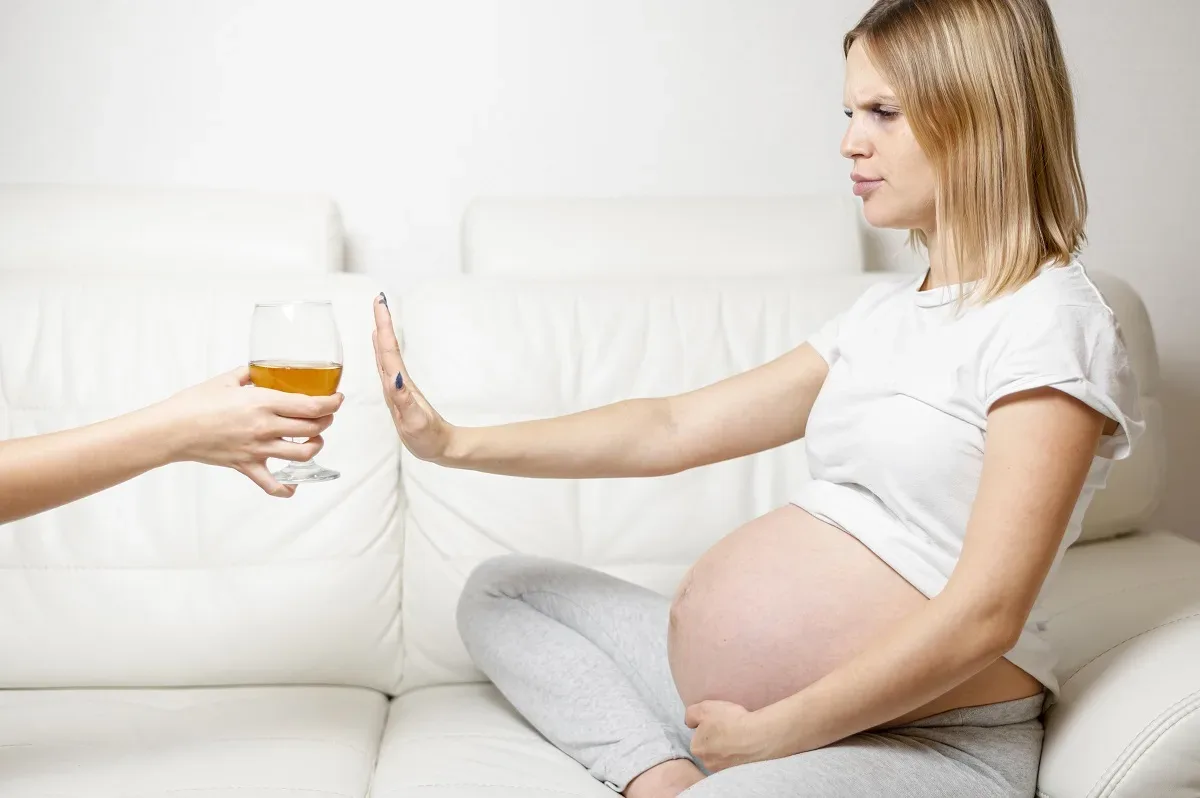
A better understanding of the effects of alcohol during pregnancy and raising awareness of this issue will help mothers and babies maintain a healthy life. That is why it is essential to completely stop drinking alcohol and look for healthy alternatives.
Medical and Scientific Research
Medical and scientific research on the effects of alcohol consumption during pregnancy is being conducted to raise awareness of this issue and to provide a safer environment for mothers and babies.
Risks of Alcohol Consumption During Pregnancy
Several studies show that alcohol consumption during pregnancy is associated with negative outcomes such as miscarriage, premature birth, and low birth weight. One meta-analysis found that women who consumed alcohol during pregnancy had a higher risk of miscarriage than those who did not consume alcohol1.
Dose and Timing of Alcohol Consumption
Information on the dose and timing of alcohol consumption remains unclear. An exact amount, pattern, and critical exposure period for the harmful effects of alcohol consumption during pregnancy on the developing fetus has not been determined, so official guidelines often emphasize cautious alcohol avoidance2.
Effects of Alcohol Consumption on Adverse Birth Outcomes
In many countries, maternal alcohol consumption during pregnancy remains the single most important modifiable risk factor for adverse birth outcomes. The potential effects of alcohol consumption (dangerous and non-hazardous) on adverse birth outcomes have been studied3.
Low to Moderate Alcohol Consumption
One systematic review found no convincing evidence that low to moderate alcohol consumption during pregnancy has adverse effects on birth defects, including miscarriage, stillbirth, intrauterine growth restriction, prematurity, birth weight, small-for-gestational-age (SGA), and fetal alcohol syndrome4.
The findings of studies show that alcohol consumption carries serious risks during pregnancy, and therefore it is important to avoid alcohol during this period. However, more research is needed on the effects of low to moderate alcohol consumption.
Recommended Alcohol Consumption Limits
Studies and expert opinions on alcohol consumption during pregnancy reveal the negative effects of alcohol on the fetus. Different countries and health organizations recommend completely abandoning alcohol consumption during pregnancy. However, guidelines on this topic may change over time, and while older guidelines stated that one or two standard drinks per week were not harmful, new research and guidelines emphasize that there is no safe amount of alcohol consumption during pregnancy1.
Recommendations in the UK and US
- In the United Kingdom, the NHS (National Health Service) recommends that women who are pregnant or planning to become pregnant do not consume alcohol. Alcohol consumption can lead to long-term harm to the baby, and the risks increase as alcohol consumption increases2.
- In the United States, the CDC (Centers for Disease Control and Prevention) states that a safe amount of alcohol consumption during pregnancy or planning to become pregnant is unknown. In addition, there is no safe time to consume alcohol during pregnancy. All types of alcoholic beverages are equally harmful, and FASD (Fetal Alcohol Spectrum Disorders) can be prevented if the baby is not exposed to alcohol before birth3.
Other Countries and Organizations
- The RCOG (Royal College of Obstetricians and Gynaecologists) states that it is safest not to consume alcohol during pregnancy and emphasizes that the amount of alcohol that a pregnant woman can safely consume during pregnancy has not been proven4.
- NICE (National Institute for Health and Care Excellence) states that there is no known safe level of alcohol consumption during pregnancy and that the UK Chief Medical Officer’s low-risk drinking guidelines state that it is safest to avoid alcohol altogether to minimise the risks to the baby5.
These various guidelines and recommendations emphasize the importance of completely abandoning alcohol consumption during pregnancy and recommend avoiding alcohol consumption in order to minimize the negative effects on the fetus. However, the limited alcohol consumption recommendations stated in the previous guidelines have been revised in the light of changing research and findings over time.
Alternatives and Recommendations
Avoiding alcohol consumption during pregnancy will be best for the health of the mother and baby. There are different strategies and alternatives to reduce or completely quit alcohol consumption.
Ways to Reduce or Stop Alcohol Consumption
- Support Groups and Counseling: Quitting alcohol consumption can be challenging, so professional help and support groups can help with this process.
- Awareness and Education: Knowing about the risks that alcohol can pose during pregnancy can help mothers reduce or stop their alcohol consumption.
- Alcohol Alternatives: Alcohol alternatives, such as soft drinks, fruit juices, and herbal teas, can reduce the desire to consume alcohol.
Soft Drinks
- Non-Alcoholic Beer and Wine: There are many different non-alcoholic beer and wine options available on the market. These drinks are non-alcoholic while mimicking the taste and feel of alcohol.
- Mocktails: Mocktails, which are non-alcoholic alternatives to alcoholic cocktails, are prepared with a variety of fruit juices, soda, and other soft drinks.
Healthy Lifestyle Options
- Regular Exercise: Regular exercise and physical activity can reduce stress and promote maintaining a healthier lifestyle overall.
- Healthy Eating: A balancing and nutritious diet supports the health of the mother and baby during and after pregnancy.
Communication with Doctors and Health Professionals
- It is important to have regular communication with your doctor and other health professionals about reducing or quitting alcohol consumption during pregnancy. They can provide personalized recommendations, taking into account your individual situation and needs.
Avoiding alcohol consumption is critical for the health of the mother and baby during pregnancy. The strategies and alternatives mentioned above can help mothers reduce or completely quit alcohol consumption during this important period.
Alcohol consumption during pregnancy can lead to serious and potentially permanent health problems. Medical research and health authorities agree that alcohol consumption during pregnancy should be strictly avoided. Stopping or minimizing alcohol consumption during pregnancy will be best for the health of both mother and baby. Alcohol alternatives and healthy lifestyle choices can help mothers make healthy choices during this important time.
Frequently Asked Questions (FAQs)
Is there a safe amount of alcohol during pregnancy?
There is no known safe amount of alcohol during pregnancy or when planning to become pregnant. Alcohol can cause problems for your baby throughout the pregnancy and before you know you’re pregnant.
How does alcohol consumption during pregnancy affect the baby?
Alcohol consumption is one of the main causes of congenital anomalies in the fetus. Whatever the mother drinks, it is passed on to the fetus. Alcohol breaks down more slowly in the immature body of the fetus than in the body of an adult. This, in turn, can cause high levels of alcoholic beverages to remain in the baby’s body for longer.
What types of birth defects can alcohol consumption during pregnancy cause?
Alcohol can interfere with the normal growth of the fetus and cause congenital defects. If a woman drinks alcohol during pregnancy, the fetus can have lifelong problems.
Why do they say that completely quitting alcohol during pregnancy is the safest option?
Complete cessation of alcohol during pregnancy is the safest option for minimizing the harm to the fetus. A safe amount of alcohol that a woman can drink during pregnancy has not been proven. During alcohol consumption, some alcohol will be passed on to your baby through the placenta. The more you drink, the greater the risk of harming your baby.
How should alcohol consumption be when planning a baby?
The safest option when planning a baby is for both parents to avoid alcohol consumption.