Protein in pregnancy
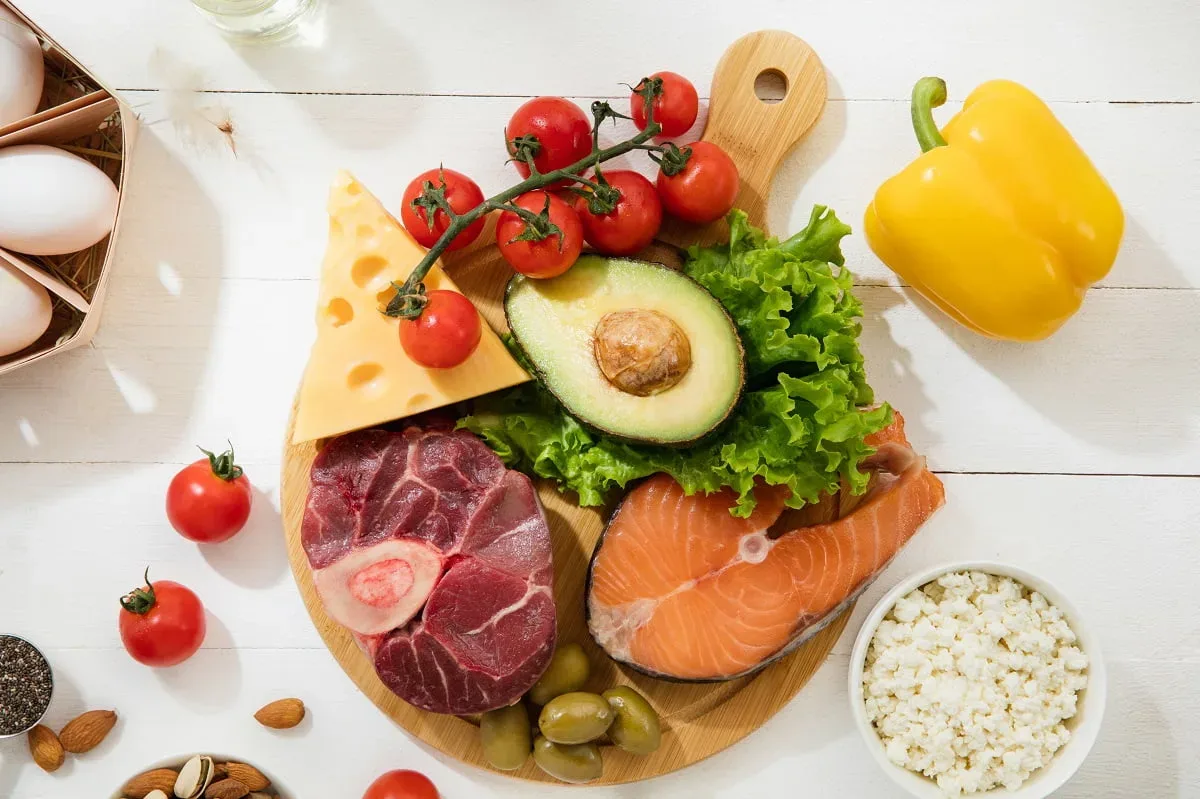
Consuming protein during pregnancy provides the building blocks for your baby’s cells and helps your baby develop skin, hair, nails, and muscle. During pregnancy, you need between 60 and 100 grams of protein each day, depending on your weight, physical activity level, and trimester. Fortunately, you can choose from many protein-rich foods such as meat, poultry, fish, eggs, milk, cheese, and beans. Protein shakes and powders may not be safe during pregnancy, so you should consult your healthcare provider before taking them.
Why is protein necessary during pregnancy?
The amino acids that make up protein are the building blocks of your cells and your baby’s cells. Protein helps your baby develop his skin, hair, nails, and muscles. It also plays a role in the fluid balance in your body, which can help you maintain your normal blood pressure and prevent swelling during pregnancy.
It’s important to get enough protein throughout your pregnancy, but it’s especially critical during the second and third trimesters. This is when your baby is growing the fastest and your body is growing significantly to accommodate your baby.
How much protein is needed during pregnancy?
Protein requirements for pregnant women can range from 60 grams to 100 grams per day, depending on your weight, physical activity level, and trimester.
Most women in our country regularly consume more protein than necessary, so you probably won’t have any problems meeting your body’s needs during pregnancy. If you don’t eat meat, you can meet your protein needs from other sources, such as dairy, beans, eggs, or soy products.
Weight loss, getting tired quickly, frequent infections, and severe fluid retention can all be signs that you’re not getting enough protein.
The best foods with protein during pregnancy
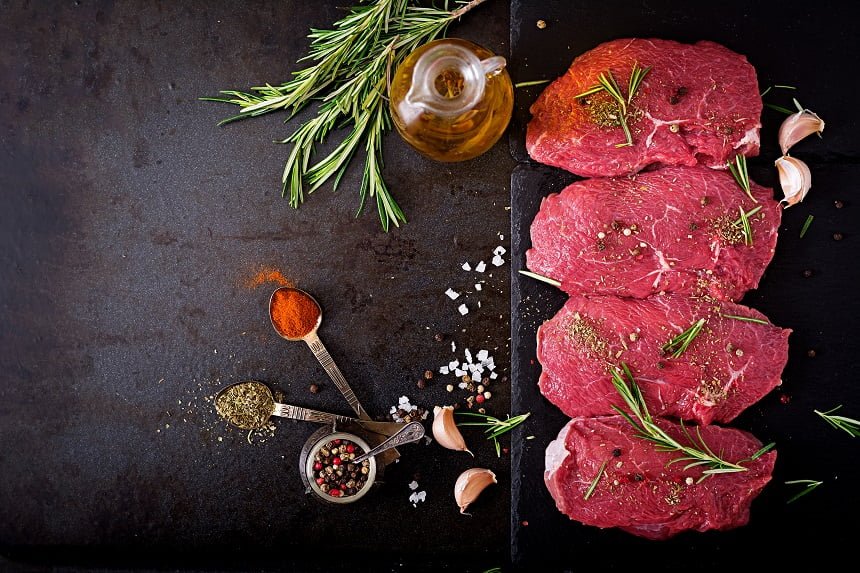
Lean meats, poultry, fish and shellfish, eggs, milk, cheese, yogurt, and beans are all great sources of protein. While animal products contain complete proteins (there are all nine amino acid components), plant-derived proteins usually don’t contain all of the amino acids, but eating a variety of foods throughout the day helps ensure that you get all the amino acids you need. Vegetarian and vegan mothers-to-be can get enough protein and other important nutrients without eating animal products — but they require more planning.
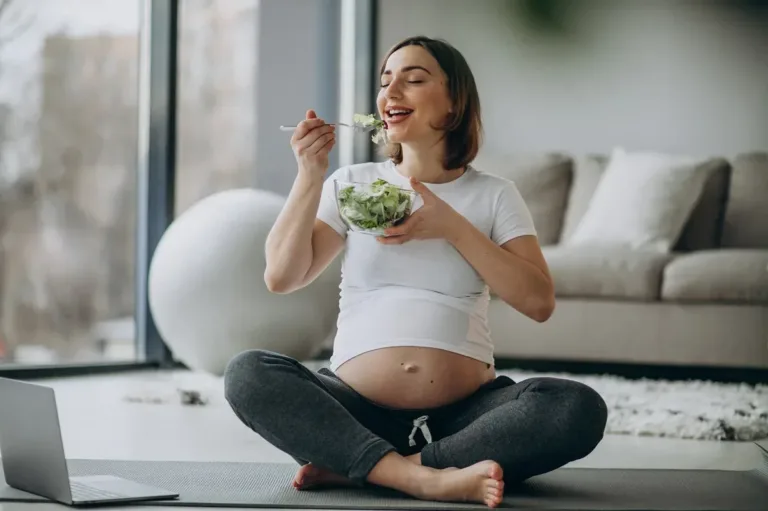
Eat protein-rich foods in your every meal and snack and pay attention to proper nutrition for a healthy pregnancy and baby. Remember, your baby’s development is directly related to what you eat.
Here is a list of protein-rich foods that you should include in your diet:
Daily
- 1/2 cup full-fat cheese: 10 g
- 1/2 cup low-fat cottage cheese: 11 g
- 220 grams of low-fat yogurt: 13 g
- 30 grams of grated parmesan cheese: 9 g
- 30 grams of Swiss cheese: 8 g
- 1 cup low-fat milk: 8 g
- 30 grams of cheddar cheese: 6 g
Beans, nuts, legumes
- 1 cup cooked lentils: 18 g
- 1 cup canned black beans: 15 g
- 1 cup canned kidney beans: 13 g
- 1 cup canned chickpeas: 12 g
- 1 cup canned kidney beans: 12 g
- 2 tablespoons smooth peanut butter: 8 g
- 1 ounce dry roasted peanuts: 7 g
- 1 cup plain soy milk: 6 g
Meat, poultry and fish
Keep in mind that 3 ounces of cooked meat or fish is about the size of a deck of cards.
- 140 grams of fried chicken breast (without skin): 40 g
- 85 grams of cooked or grilled salmon: 23 g
- 85 grams of cooked or grilled trout: 23 g
- 85 grams lean beef hamburger patties: 21g
- One large egg: 6 g
See also: Healthy snacks during pregnancy
Note: Fish has many nutritional benefits for you and your baby, but some seafood contains high amounts of mercury, which can damage your developing baby’s brain and nervous system. Instead of avoiding fish altogether, experts recommend limiting the amount of seafood you eat and choosing options that are low in mercury.
Are protein shakes and protein safe during pregnancy?
It depends. While some protein powders may be safe during pregnancy, others contain plants or large amounts of protein, caffeine, and sugar, which can be harmful to you and your baby.
Plus, they can be packed with added vitamins and minerals that may already be in your prenatal vitamin — which means you may get more than you need.
Protein shakes and powders are considered supplements, so they are not regulated like food or medicine, and their safety for pregnant women has not been tested. The best way to meet your protein needs is to eat a variety of protein-rich foods. If you feel like you’re falling short, it’s always best to speak with your healthcare provider before consuming any protein shakes or powders.