Essential Vitamins and Minerals During Pregnancy
When you’re pregnant, you need more vitamins and minerals to support your body and your baby. During pregnancy, the consumption of many essential nutrients needs to be increased, and it is especially important to get adequate amounts of calcium, iron, iodine, choline, vitamin A, vitamin C, vitamin D, vitamin B6, vitamin B12, folic acid and omega-3 fatty acids. In addition to a nutritious and balanced diet, you can get the nutrients you need daily by taking additional supplements if your doctor recommends it.
Your nutritional needs increase during pregnancy to support your growing baby and the extraordinary work your body is doing to sustain your pregnancy. Your baby gets all of his nutritional needs through what you eat, so it’s more important than ever to do your best to eat a healthy, balanced diet.
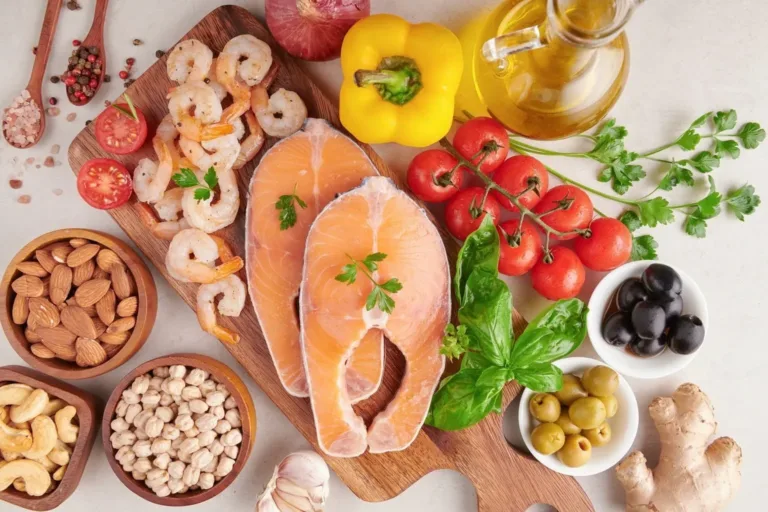
You can meet your daily requirement for the most essential vitamins and minerals by eating healthy pregnancy meals and snacks made from nutritious and delicious foods.
However, the recommended amount for some nutrients, such as folic acid and iron, during pregnancy is too high to be met from food alone. Your prenatal vitamin or other vitamin supplements can help you close the gap. (Always talk to your doctor or midwife before taking any supplements in addition to your prenatal vitamin.)
Our list of pregnancy foods below gives you information on how much of each nutrient you need each day, whether you need a supplement, and the benefits for your baby. We also list some of the best foods that contain these nutrients.

Essential vitamins and minerals during pregnancy
The following vitamins and minerals are very important during pregnancy. In addition, research shows that omega-3 fatty acids are important for your baby’s brain and eye development.
Calcium
Daily amount in pregnancy: 1,300 mg for women aged 18 years and younger and 1,000 mg for women aged 19 to 50 years.
Do you need calcium supplements? The best way to get enough calcium is through a balanced diet and your prenatal vitamin. If you feel like you’re not getting the recommended daily amount, talk to your healthcare provider about possibly adding a separate calcium supplement.
Benefits for your baby: Calcium helps develop strong bones and teeth, a healthy heart, nerves, and muscles. It also contributes to the development of normal heart rhythm and blood clotting.
Sources of calcium:
- 220 grams of calcium-fortified orange juice: 349 mg
- 220 grams of plain, low-fat yogurt: 415 mg
- 220 grams of skim milk: 299 mg
- 220 grams of calcium-fortified soy milk: 299 mg
Iron
Daily amount during pregnancy: 27 mg
Do you need iron supplements? You may need an iron supplement — if so, your provider will recommend one. You need a lot more iron during pregnancy, and it can be difficult to achieve this goal with your diet and prenatal vitamins alone.
Note: There are two types of iron: heme and non-heme. Heme iron is only found in animal sources and is easier for your body to absorb. Non-heme iron is found in plants, iron-fortified foods, and supplements.
Benefits for your baby: Iron is needed to make hemoglobin, the protein in red blood cells that carries oxygen to other cells. It also forms cartilage and other connective tissues.
Some sources of iron are:
- 220 grams of cooked lentils: 6.6 mg non-heme iron
- 220 grams of prune juice: 3.0 mg non-heme iron
- 220 grams of lean beef: 2.2 mg of heme iron
- 80 grams of canned light tuna: 1.3 mg of heme iron
Iodine
Daily amount during pregnancy: 220 mcg
Do you need iodine supplements? Iodine is found in many foods and prenatal vitamins (as well as iodized table salt), so you probably don’t need to take supplements.
Benefits for your baby: Iodine regulates metabolism and helps the brain, skeleton and nervous system to develop properly.
Some sources of iodine are:
- 80 grams of cooked cod: 158 mcg
- 220 grams of skim milk: 85 mcg
- 1.5 grams of iodized table salt: 76 mcg
- One large hard-boiled egg: 26 mcg
Read more about iodine during pregnancy.
Choline
Daily amount during pregnancy: 450 mg
Do you need choline supplements? You can get enough choline by eating a varied diet, but many pregnant women don’t get enough choline from diet alone and may need supplements. Ask your doctor if you need a prenatal vitamin that contains choline (most prenatal vitamins don’t contain choline) or a choline supplement to meet your daily needs during pregnancy.
Benefits for your baby: Choline promotes healthy brain and spinal cord development, and some research suggests that it may help prevent neural tube defects.
Some sources of choline are:
- One large egg, hard-boiled: 147 mg
- 80 grams top round beef, toasted: 117 mg
- 80 grams of chicken breast, roasted: 72 mg
- 100 grams of broccoli, cooked: 31 mg
Vitamin A
Daily amount during pregnancy: 750 mcg RAE (retinol activity equivalent) for women 18 years of age and younger, 770 mcg RAE for women 19 years of age and older
Do you need vitamin A supplements? Probably not. Most people get plenty of it from their diet, and prenatal vitamins often contain vitamin A. Read the label on your prenatal vitamin to make sure you’re not getting more than the recommended amount. Too much preformed vitamin A can cause birth defects and liver toxicity.
Benefits for your baby: Vitamin A is important for the development of organs, bones, and eyes, as well as the circulatory, respiratory, and central nervous systems.
Sources of vitamin A:
- A cooked sweet potato with skin: 1.4031 mcg RAE
- 100 grams of frozen spinach, boiled: 573 mcg RAE
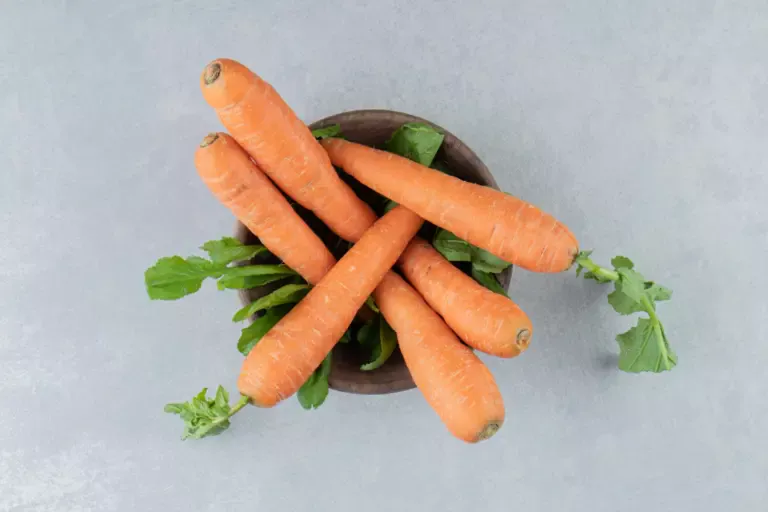
- 100 grams of carrots, raw: 459 mcg RAE
- 220 grams of vanilla ice cream: 278 mcg RAE
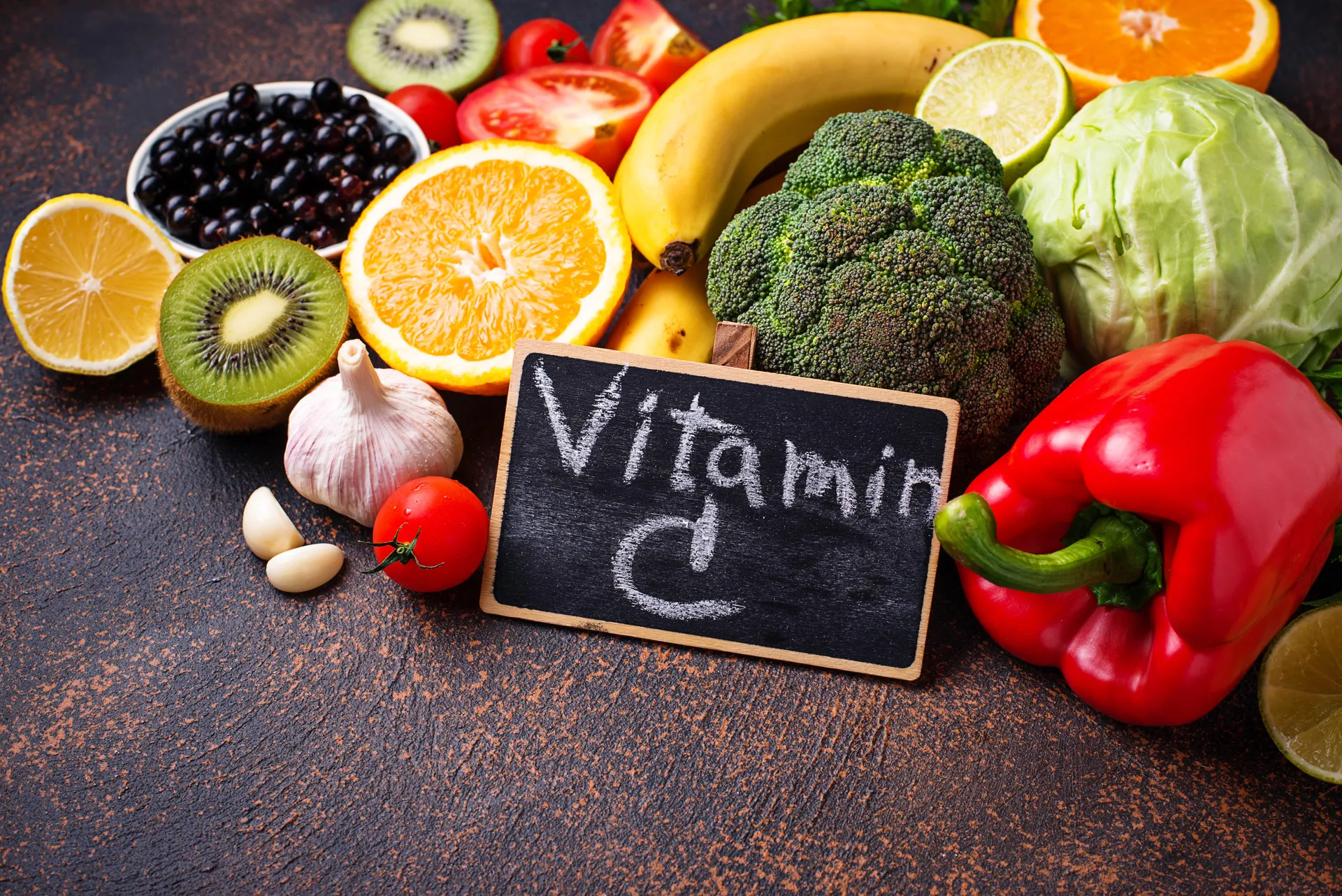
Vitamin C
Daily amount during pregnancy: 80 mg for women 18 years of age and younger, 85 mg for women 19 years of age and older
Do you need a vitamin C supplement? Most people get plenty of it from their diet, and prenatal vitamins often contain vitamin C.
Benefits for your baby: Vitamin C is essential for making collagen, a structural protein that is a component of cartilage, tendons, bones, and skin. It also helps to build healthy gums, teeth, and bones.
Some food sources of vitamin C are:
- 170 grams of orange juice: 93 mg
- One medium kiwi: 64 mg
- 110 grams of green bell pepper: 60 mg
- 110 grams of cooked broccoli: 51 mg
Vitamin D
Daily amount during pregnancy: 600 IU (15 mcg) or more
Do you need vitamin D supplements? Perhaps. The amount required during pregnancy is a matter of debate, so you may want to ask your doctor if your prenatal vitamin and diet provide enough vitamin D.
Benefits for your baby: Vitamin D helps build your baby’s bones and teeth.
Some food sources of vitamin D are:
- 85 grams of cooked trout: 654 IU (16.2 mcg)
- 85 grams of cooked salmon: 570 IU (14.2 mcg)
- 220 grams of two-percent milk: 120 IU (2.9 mcg)
- One large scrambled egg: 44 IU (1.1 mcg)
Vitamin B6
Daily amount during pregnancy: 1.9 mg
Do you need vitamin B6 supplements? Most people get plenty of it from their diet, and prenatal vitamins usually contain at least 100 percent of the recommended amount of vitamin B6.
Benefits for your baby: Vitamin B6 helps your baby metabolize protein and carbohydrates and is vital for your baby’s developing brain and nervous system.
Some food sources of vitamin B6 are:
- 220 grams of canned chickpeas: 1.1 mg
- 85 grams of cooked tuna: 0.9 mg
- 85 grams of roasted chicken breast: 0.5 mg
- One medium banana: 0.4 mg
Vitamin B12
Daily amount during pregnancy: 2.6 mcg
Do you need vitamin B12 supplements? If you’re a vegan or vegetarian during pregnancy, you don’t eat plant foods fortified with B12 every day, and your prenatal vitamin may not contain vitamin B12.
Benefits for your baby: Vitamin B12 is important for your baby’s developing spinal cord and brain. It also helps in the formation of red blood cells and DNA.
Some food sources of vitamin B12 are:
- 85 grams of cooked salmon: 2.6 mcg
- 85 grams of 85 percent lean pan-seared ground beef: 2.4 mcg
- 220 grams of 2 percent milk: 1.3 mcg
- 1 serving of cereal fortified with 25 percent of the daily value of vitamin B12: 0.6 mcg
Folic acid
Daily amount during pregnancy: at least 600 mcg
Do you need folic acid supplements? You need a prenatal vitamin or folic acid supplement to meet your daily needs during pregnancy because it can be difficult to get all the folic acid you need from food alone.
Benefits to your baby: Folic acid helps prevent neural tube defects, may reduce the risk of other birth defects, and is critical for DNA (the building block of cells) production.
Some food sources of folic acid are:
- 110 grams of boiled spinach: 131 mcg
- 4 stalks of boiled asparagus: 89 mcg
- 1/2 cup avocado: 59 mcg
- 110 grams of canned kidney beans: 46 mcg
DHA (docosahexaenoic acid – an omega-3 fatty acid)
Daily amount during pregnancy: At least 200 mg
Do you need a DHA supplement? If low-mercury fish isn’t a regular part of your diet, or if your prenatal vitamin doesn’t contain at least 200 mg of DHA, you can take fish oil or another separate omega-3 supplement that contains the recommended amount of DHA.
Benefits for your baby: DHA is important for your baby’s brain and eye development.
Some food sources of DHA are:
- 80 grams of cooked farmed salmon: 1,240 mg
- 80 grams of cooked trout: 440 mg
- 80 grams of cooked shrimp: 120 mg
Essential Minerals and Other Vitamins During Pregnancy
Chromium
Daily amount during pregnancy: 29 mcg for women 18 years and younger, 30 mcg for women 19 to 50 years old
Do you need chromium supplements? You don’t need to take chromium supplements because chromium is found in many foods and many prenatal vitamins. Talk to your doctor if you’re concerned you may have a chromium deficiency.
Benefits for your baby: Chromium promotes the formation of proteins in your baby’s growing tissues.
Some food sources of chromium:
- 220 grams of grape juice: 7.5 mcg
- 85 grams of ham: 3.6 mcg
- One whole wheat doughnut: 3.6 mcg
- 1 cup orange juice: 2.2 mcg
Copper
Daily amount during pregnancy: 1,000 mcg for women 18 and younger, 1,300 mcg for women 19 and older
Do you need copper reinforcement? If you eat a healthy, varied diet, you’ll likely get enough copper and won’t need supplements. A good prenatal vitamin also usually contains a decent amount of copper. (Check product labels.)
Benefits for your baby: Copper helps build the heart, blood vessels, skeletal and nervous systems.
Some food sources of copper are:
- 1 medium-skinned baked potato: 675 mcg
- 30 grams of dry-roasted cashews: 629 mcg
- 80 grams of dark chocolate, 75 to 85 percent solid cocoa: 501 mcg
Magnesium
Daily amount during pregnancy: 400 mg for women 18 years and younger, 350 mg for women 19 to 30 years old, 360 mg for women 31 to 50 years old
Do you need magnesium supplements? Probably not. If you eat a healthy and varied diet, you’re most likely getting enough. If you’re worried you’re deficient, you can take a prenatal vitamin that contains magnesium.
Benefits for your baby: Magnesium helps build strong bones and teeth, and research suggests that it may help prevent premature birth and other pregnancy complications.
Some food sources of magnesium are:
- 85 grams of roasted pumpkin seeds: 156 mg
- 80 grams of chia seeds: 111 mg
- 80 grams of dry roasted almonds: 80 mg
- 80 grams of boiled spinach: 78 mg
Manganese
Daily amount during pregnancy: 2 mg
Do you need manganese supplements? Probably not. If you eat a healthy and varied diet, you’re most likely getting enough. Most prenatal vitamins do not contain manganese.
Benefits for your baby: Manganese helps build bones and cartilage, helps protect cells from damage, and activates enzymes that help metabolize carbohydrates, cholesterol, and amino acids.
Some food sources of manganese:
- 30 grams of dry roasted walnuts: 1.1 mg
- 80 grams of medium-grain cooked brown rice: 1.1 mg
- 80 grams of boiled spinach: 0.8 mg
- 1/2 cup cooked oatmeal: 0.7 mg
Pantothenic acid (vitamin B5)
Daily amount during pregnancy: 6 mg
Do you need pantothenic acid supplements? Probably not. If you eat a healthy and varied diet, you will most likely get enough. Plus, most prenatal vitamins contain pantothenic acid.
Benefits for your baby: B5 is essential for the production of red blood cells and hormones, as well as helping to synthesize cholesterol and metabolize carbohydrates and fats for energy.
Some food sources of pantothenic acid are:
- 80 grams of roasted skinless chicken breast: 1.3 mg
- 80grams of cooked fresh tuna: 1.2 mg
- 1/2 avocado: 1 mg
- 220 grams of two-percent milk: 0.9 mg
Phosphorus
Daily amount during pregnancy: 1,250 mg for women 18 years of age and younger, 700 mg for women 19 years of age and older
Do you need phosphorus supplements? If you eat a healthy and varied diet, you’ll get plenty of phosphorus. Most prenatal vitamins do not contain phosphorus.
Benefits for your baby: Phosphorus helps build strong bones and improves blood clotting, kidney function, and normal heart rhythm.
Some food sources of phosphorus are:
- 70 grams of plain low-fat yogurt: 245 mg
- 220 grams of two-percent milk: 226 mg
- 110 grams of boiled lentils: 178 mg
- 28 grams of roasted cashews: 139 mg
Potassium
Daily amount during pregnancy: 2,600 mcg for women 18 years and younger, 2,900 mcg for women 19 years and older
Do you need potassium supplements? If you eat a healthy and varied diet, you’ll likely get plenty of potassium. Most prenatal vitamins do not contain potassium.
Benefits for your baby: Potassium helps maintain the proper balance of fluids and electrolytes in the body and aids in muscle contractions and nerve function.
Some food sources of potassium are:
- 220 grams of cooked lentils: 731 mg
- One medium cooked unskinned potato: 610 mg
- 220 grams of orange juice: 496 mg
- 1 medium banana: 422 mg
Riboflavin (vitamin B2)
Daily amount during pregnancy: 1.4 mg
Do you need a riboflavin supplement? Probably not. A healthy, varied diet should provide all the riboflavin you need. If you’re worried about falling short, you can meet your daily needs by taking a prenatal vitamin that contains riboflavin.
Benefits for your baby: Riboflavin (vitamin B2) promotes growth, good vision, and healthy skin, and is essential for your baby’s bone, muscle, and nerve development. It can also help reduce your risk of preeclampsia.
Some food sources of riboflavin
- 220 grams of two-percent milk: 0.5 mg
- 90gram beef tenderloin steak: 0.4 mg
- 28 grams of roasted almonds: 0.3 mg
- 1 large scrambled egg: 0.2 mg
Thiamine (Vitamin B1)
Daily amount during pregnancy: 1.4 mg
Do you need a thiamine supplement? Probably not. A healthy, varied diet should provide all the thiamine you need. If you’re worried about falling short, you can meet your daily requirement by taking a prenatal vitamin that contains thiamine.
Benefits for your baby: Thiamine (vitamin B1) converts carbohydrates into energy and is essential for brain development. It also helps the normal functioning of the heart, muscles, and nervous system.
Some food sources of thiamine are:
- 1 serving of fortified cereal: 1.2 mg
- 1/2 cup cooked black beans: 0.4 mg
- A slice of whole wheat bread: 0.1 mg
Zinc
Daily amount during pregnancy: 12 mg for women 18 years of age and younger, 11 mg for women 19 years of age and older
Do you need zinc supplements? Perhaps. If you’re not already getting enough in your diet, your prenatal vitamin will most likely provide all the zinc you need. But if you eat a mostly vegetarian diet, ask your provider if you also need a zinc supplement. It is more difficult to get the mineral from plant foods.
Benefits for your baby: Zinc aids in cell growth and is crucial for the production and functioning of DNA.
Some food sources of zinc are:
- 100 grams of roast beef: 7.0 mg
- 100 grams of cooked chicken: 2.4 mg
- 220 grams of low-fat yogurt with fruit: 1.7 mg
- 30 grams of dry roasted cashews: 1.6 mg
Sources: ACOG