Vitamin B12 During Pregnancy: The Miraculous Support You Need
Pregnancy is one of the most special and sensitive times in a woman’s life. In this process, it is of great importance that the mother and baby get the right nutrients for healthy development. Vitamin B12 during pregnancy stands out among these nutrients. So what is vitamin B12, how much do we need during pregnancy, and what kind of problems does its deficiency cause? Let’s find the answers to these questions.
What is Vitamin B12?
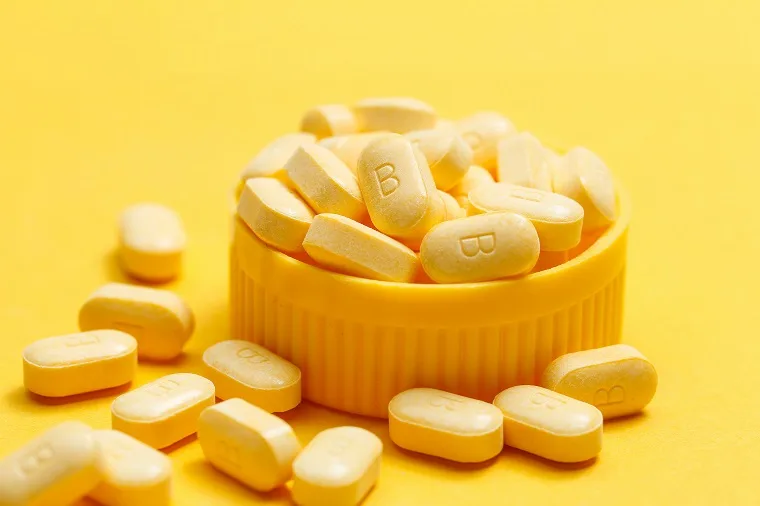
Vitamin B12 is a water-soluble vitamin that plays a role in many important processes, from nervous system functions to energy production, from DNA synthesis to the formation of blood cells. It occurs naturally in animal products, but it can also be obtained from some plant sources.
The Need for Vitamin B12 During Pregnancy
- Daily Need: The recommended daily intake of vitamin B12 for pregnant women is about 2.6 mcg. This amount is slightly higher than in non-pregnant women.
- Why Is It So Important?: Vitamin B12 during pregnancy supports the development of the nervous system in the baby and reduces the risk of anemia .
- Reception Sources: Meat, eggs, dairy products and some grains are among the foods rich in vitamin B12.
Potential Effects of Vitamin B12 Deficiency
- Anemia: Vitamin B12 deficiency can lead to megaloblastic anemia.
- Nervous System Problems: It can have negative effects on the developing nervous system in the baby.
- Developmental Delay: It can increase the risk of growth and developmental retardation in infants.
How to recognize vitamin b12 deficiency during pregnancy?
- Fatigue and Weakness: B12 deficiency can cause red blood cells to not form properly. This leads to fatigue as a result of not being able to carry enough oxygen to the body.
- Shortness of Breath and Dizziness: With the decrease in red blood cells, the oxygen-carrying capacity decreases, which can cause shortness of breath and dizziness.
- Pale Skin: Deficiency can lead to anemia, which can cause the skin to appear paler.
- Nerve Problems: Vitamin B12 is vital for the nervous system. Neurological symptoms such as numbness, tingling, or pricking sensations may occur due to the deficiency.
- Vision Problems: In some cases, nerve damage can also damage the optic nerve in the eye, which can lead to vision problems.
- Mood Changes: Vitamin B12 deficiency can lead to mood changes such as depression, irritability, or memory problems.
- Growth Problems in the Baby: If a pregnant woman is deficient in vitamin B12, this can adversely affect the growth and development of the fetus.
- High Heart Rate and Chest Pain: These can also be symptoms of anemia.
If you are experiencing several of these symptoms, it is important to consult your doctor. By measuring your vitamin B12 level with blood tests, you can clearly determine the deficiency. If a deficiency is detected, your doctor will recommend appropriate treatment and supplements.
Recommendations for Vitamin B12 Intake During Pregnancy
- Try to meet your daily B12 needs from natural food sources.
- In doubtful cases, you can take supplements in consultation with your doctor.
- If you are vegetarian or vegan, you may want to consider vitamin B12-enriched foods or supplements.
What Foods Have B12?
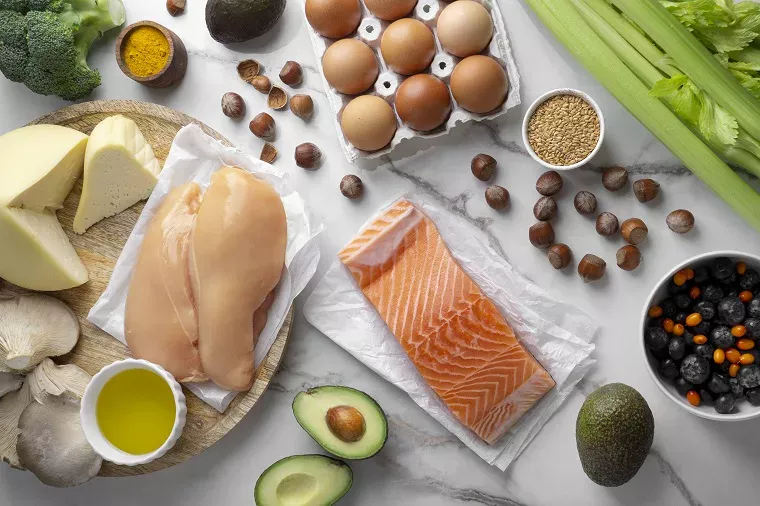
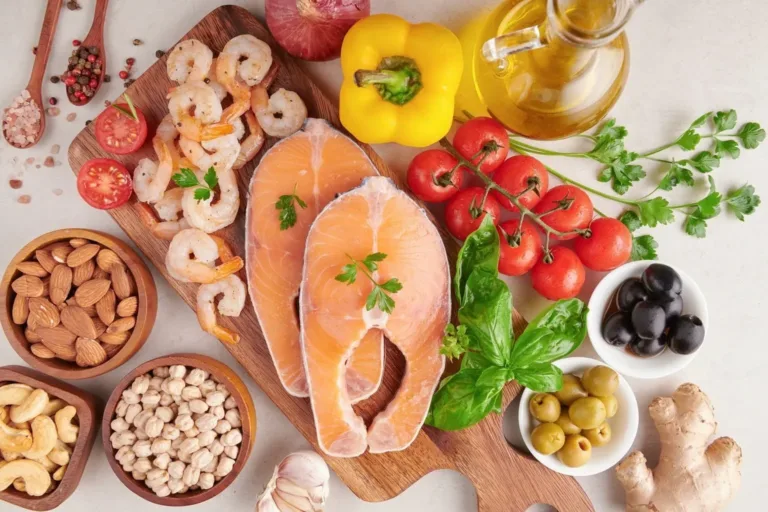
Vitamin B12 is mainly found in animal products. However, some food products are also enriched with vitamin B12. Here are some foods rich in vitamin B12:
- Red Meat: Beef, in particular, contains high amounts of vitamin B12.
- Poultry: Poultry such as chicken and turkey are also a good source of B12, but they contain lower amounts than red meat.
- Fish: Oily fish such as salmon, sardines, trout, tuna and cod are rich in B12.
- Egg: Egg yolks are a good source of vitamin B12.
- Dairy Products: Dairy products such as milk, yogurt, and cheese are among the foods that contain vitamin B12.
- Liver and Offal: Beef liver, in particular, contains very high amounts of vitamin B12. Other offal is also rich in B12.
- Shellfish: Shellfish such as mussels, oysters, and crabs contain high amounts of vitamin B12.
- B12 Enriched Foods: Some grain products, dairy alternatives, and plant-based products are enriched with vitamin B12. You can find out the B12 content by checking the labels of such products.
- Algae and Seaweed: Some blue-green algae and seaweeds also contain B12, but there is some debate about whether this form is bioavailable to humans.
People who are vegetarian or vegan may consider supplements or B12-enriched foods, as they cannot get B12 from foods of animal origin. However, it is always best to consult a dietitian or doctor for complete information on B12 intake and requirement.
Frequently Asked Questions
How to recognize vitamin B12 deficiency during pregnancy?
Symptoms of vitamin B12 deficiency can include fatigue, shortness of breath, dizziness, and anemia.
What health problems can inadequate intake of vitamin B12 lead to in a baby?
Incomplete intake can lead to nervous system problems, developmental delay, and sometimes congenital anomalies in the baby.
Is there a special diet plan for vitamin B12 during pregnancy?
Generally, a balanced diet supports adequate B12 intake. However, for individuals with special dietary requirements, it may be helpful to discuss with a dietitian.
The pregnancy period is a time when every woman’s body needs to meet its specific needs. During pregnancy, vitamin B12 plays a critical role for both mother and baby. This need can be easily met with a balanced diet. But it’s best to always stay in touch with healthcare professionals to get recommendations tailored to your individual needs.