Benefits of Eating Watermelon During Pregnancy
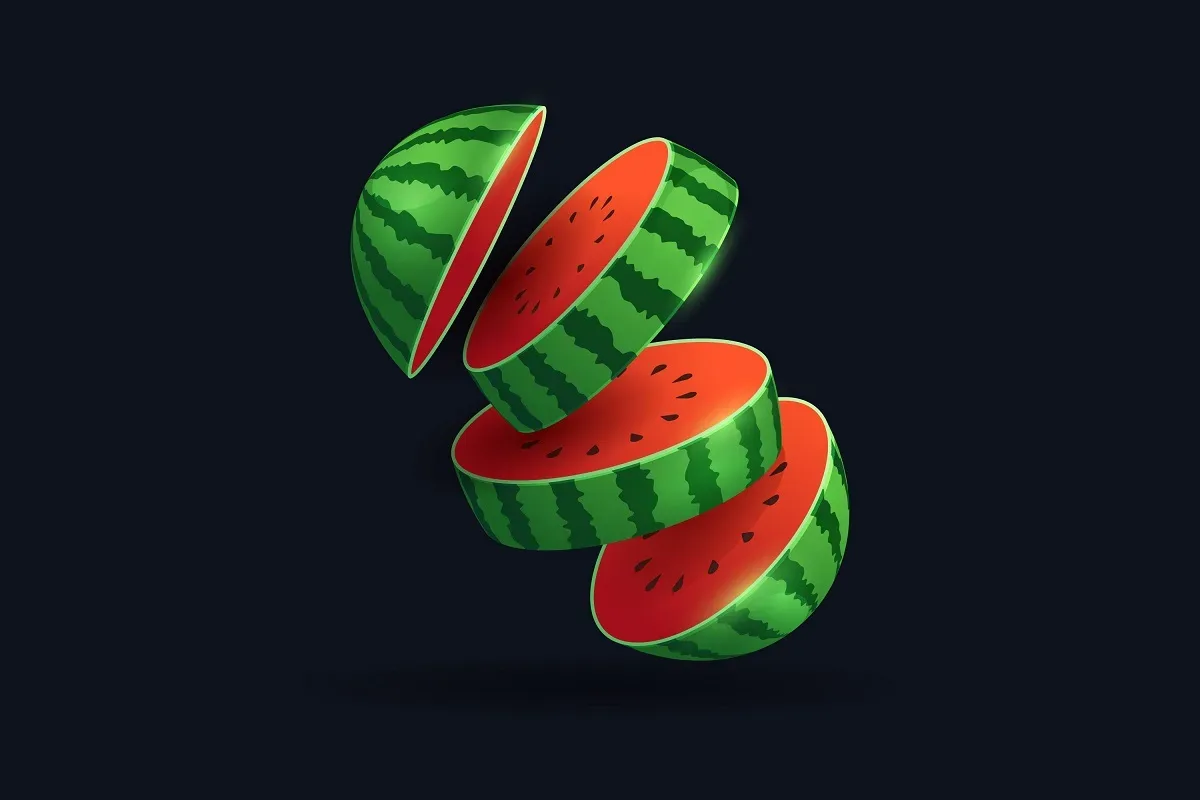
The benefits of eating watermelon during pregnancy range from reduced swelling and the risk of pregnancy complications to reducing morning sickness and better skin. Watermelon is a water-rich fruit that is claimed to provide many benefits during pregnancy. However, very few of these benefits are supported by science.
In this article, we have discussed the benefits of eating watermelon during pregnancy according to scientific research.
Watermelon is a source of carbohydrates, vitamins, minerals and beneficial plant compounds. It also contains around 91% water, making it a water-rich fruit.
Benefits of Eating Watermelon During Pregnancy

150 grams of watermelon contains:
- Calories: 46
- Protein: 1 gram
- Fat: Less than 1 gram
- Carbs: 12 grams
- Fiber: Less than 1 gram
- Vitamin C: 14% of the daily requirement
- Copper: 7% of daily requirement
- Pantothenic acid (vitamin B5): 7% of the daily requirement
- Provitamin A: 5% of the daily requirement
Watermelon is also rich in lutein and lycopene, two antioxidants that help protect your body against disease. These antioxidants are beneficial for eye, brain, and heart health, and may also potentially protect against certain types of cancer.
Some research suggests that these specific antioxidants may help reduce the risk of preterm birth and other pregnancy complications. However, more research is needed before strong conclusions can be made.

Does Kapuz Reduce the Risk of Preeclampsia?
Watermelon is rich in lycopene, the compound that gives tomatoes and similarly colored fruits and vegetables their rich red pigments.
An old scientific study; It suggests that supplementing with 4 mg of lycopene per day (about 60% of the lycopene found in 150 grams of watermelon) may help reduce the risk of preeclampsia by up to 50%. Source
What is preeclampsia?
Preeclampsia is a complication of pregnancy that manifests itself with high blood pressure, increased swelling, and protein excreted in the urine. It is a serious condition and is among the main causes of preterm birth.
Based on the finding that lycopene supplementation may reduce the risk of preeclampsia, it is thought that lycopene-rich watermelon may help protect women from the risk of preeclampsia during pregnancy. However, two more recent scientific studies have shown that there is no link between lycopene and preeclampsia. It should be noted that high-dose lycopene supplements (drugs) were used instead of natural lycopene found in watermelon in these studies. Currently, there are no scientific studies linking watermelon consumption with a lower risk of preeclampsia.
More research is needed before definitive conclusions can be made.
SUMMARY: Watermelon is rich in lycopene, an antioxidant that may reduce the risk of a pregnancy-related complication known as preeclampsia. However, more research is needed to confirm this.
During pregnancy, a woman’s daily fluid needs increase to help support optimal blood circulation, amniotic fluid levels, and higher blood volume overall. During pregnancy, digestion tends to slow down. Increased fluid needs and slowed digestion increase the risk of dehydration in pregnant women. As a result, constipation or hemorrhoid problems may begin to appear.
Inadequate fluid intake during pregnancy may be linked to poor fetal growth, as well as a higher risk of preterm birth and birth defects. Source
Watermelon’s rich water content can help pregnant women better meet their increased fluid requirements, which can reduce the risk of constipation, hemorrhoids, and pregnancy complications.
This can be said for all fruits or vegetables that are rich in water, including tomatoes, cucumbers, strawberries, zucchini, and even broccoli. Therefore, although technically true, this benefit does not apply only to watermelon.
Watermelon is rich in water and can help pregnant women meet their increased fluid needs. In turn, optimal hydration can help reduce the chances of developing constipation, hemorrhoids, or some complications during pregnancy.
Harms of Eating Watermelon During Pregnancy
There is no harm in eating watermelon during pregnancy. However, if there is one of the situations mentioned below, it is necessary to be careful.
However, watermelon is moderately rich in carbohydrates and poor in fiber. This combination can cause blood sugar levels to rise. Therefore, women with pre-existing diabetes or high blood sugar levels during pregnancy (known as gestational diabetes) should avoid eating watermelon in excessive amounts.
As with all fruits, watermelon should be thoroughly washed before slicing and eaten without waiting.
Eating watermelon that has been uncovered for more than 2 hours at room temperature should not be eaten, as it can cause food poisoning.
Watermelon is a juicy fruit that is rich in a variety of nutrients and health-promoting compounds.
Eating watermelon regularly during pregnancy may reduce your risk of getting preeclampsia, constipation, or hemorrhoids. Rich water content can also contribute to reducing the risk of poor fetal growth, premature birth, and birth defects.
However, scientific evidence on the benefits of eating watermelon during pregnancy is weak, but this applies to all fruits, not just watermelons.
Although touted to offer a long list of additional benefits during pregnancy, none of this is currently backed by science. However, watermelon remains a nutrient-rich fruit and is a great way to add variety to a pregnant woman’s diet.