
Use of Omega 3 During Pregnancy
Omega-3 fatty acids are vital fatty acids that cannot be produced naturally in the human body and must be taken from the outside. They are of great importance for the development of both mother and baby, especially during pregnancy. In this article, we will discuss in detail the topic of “The use of Omega 3 during pregnancy”.
Use of Omega 3 in Pregnancy: The Importance of Omega 3

Omega-3 fatty acids are among the essential fatty acids and cannot be produced naturally by our body. Therefore, these substances, which must be taken from the outside, play a very critical role, especially during pregnancy.
Critical Role for Infant Development:
Omega-3, especially in the form of DHA (Docosahexaenoic acid), is vital for the brain and retina development of the fetus.
- Brain Development: The brain development of the fetus accelerates in the third trimester of pregnancy. During this period, adequate DHA intake is very important for the baby’s cognitive and neurological development.
- Eye Development: DHA is an important component of the retina and is essential for the eye development of the fetus.
Supports Maternal Health:
During pregnancy, Omega 3 has a role in supporting the overall health of the mother.
- Heart Health: Omega-3 can support cardiovascular health, reducing the risk of high blood pressure and heart disease.
- Mental Health: It may be effective in reducing the risk of postpartum depression and mood changes after pregnancy.
Reduces the risk of miscarriage:
Adequate Omega-3 intake can reduce the risk of preterm birth, in particular. Omega-3’s anti-inflammatory properties may help the placenta develop in a healthier way.
Protects Bone Health:
Omega-3 is thought to help calcium integrate more effectively into bones, thus playing a role in maintaining the mother’s bone density.
Omega 3 Use and Side Effects During Pregnancy
As with any nutrient or supplement, Omega 3 can have side effects if overdone.
- Digestive Problems: Consumption of high doses of Omega-3 can lead to digestive problems such as nausea, diarrhea, or gas.
- Blood Dilution: Omega-3 has the ability to dilute the blood. Therefore, it should not be consumed before surgery or with blood thinners.
- Allergic Reactions: Although rare, allergic reactions to fish oil supplements may be observed in some individuals.
Foods rich in omega 3
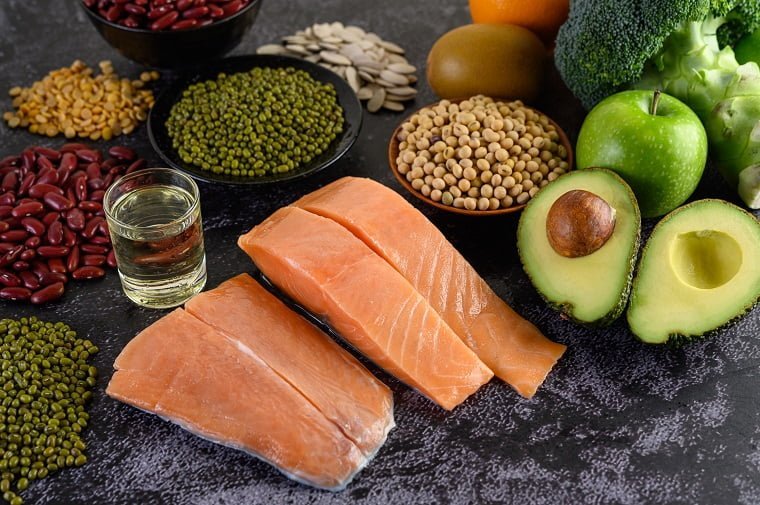
Omega-3 fatty acids are divided into several types, notably EPA (Eicosapentaenoic acid) and DHA (Docosahexaenoic acid). Listed below are some foods rich in omega-3 fatty acids and the average amounts of omega-3 they contain per serving:
- Salmon (oily): Servings: 85 grams, Omega-3 Amount: About 1.8 – 2.2 grams
- Mackerel: Servings: 85 grams, Omega-3 Amount: About 1.8 – 2.6 grams
- Sardines (canned): Servings: 85 grams, Omega-3 Amount: About 0.9 – 1.5 grams
- Chia Seeds: Servings: 1 tablespoon, Omega-3 Amount: About 2.5 grams (Note: This is omega-3 in the form of ALA, the body converts this form into DHA and EPA, but the conversion efficiency is limited.)
- Flax Seeds (ground): Servings: 1 tablespoon, Omega-3 Amount: About 1.6 grams (Also in ALA form.)
- Walnut: Servings: 28 grams (about 7 walnuts), Omega-3 Amount: About 2.5 grams (in ALA form.)
- Crab: Servings: 85 grams, Omega-3 Amount: About 0.3 – 0.4 grams
- Egg: Serving: 1 large egg, Omega-3 Amount: It varies between 0.03 – 0.2 grams depending on the type of egg. (Omega-3-enriched eggs contain higher amounts.)
The amounts listed above may vary depending on the type of food, the region in which it is grown, feeding conditions, and many other factors. For the most accurate information, it is useful to check nutrition labels or consult an expert.
Is it safe to use Omega 3 during pregnancy?
Yes, the use of Omega 3 during pregnancy is generally considered safe. However, it is important that you do not exceed the recommended doses and follow your doctor’s recommendations.
Which foods contain Omega 3?
It is found in foods such as oily fish (salmon, sardines, mackerel), walnuts, chia seeds and flax seeds.
When should omega 3 supplements be started during pregnancy?
It can be started from the beginning of pregnancy or with the advice of your doctor when you plan to become pregnant.
How many grams of Omega 3 should I take during pregnancy?
The recommended daily intake may vary. However, many experts recommend that pregnant women take about 200–300 mg of DHA per day. You should consult your doctor for the exact amount.
Should I use Omega 3 supplements during pregnancy?
If you do not consume foods with sufficient amounts of Omega 3 in your diet, you may want to consider using Omega 3 supplements with the recommendation of your doctor.
What should I look for when choosing an omega 3 supplement?
Check the purity, ingredients, and DHA/EPA balance of supplements. You can also judge the quality of the product by looking at whether it has been tested by third-party labs.
Are there any side effects of omega 3 supplements?
In some people, it can cause mild side effects such as stomach upset, fishy belching or diarrhea. However, these side effects are usually mild and may disappear with dose adjustment.
Pregnancy is a critical period for the health of the mother and baby. It is known that omega-3 fatty acids are of great importance both for the baby’s brain and eye development and for the general health of the mother in this process. Therefore, care should be taken to ensure a balanced and adequate intake of Omega-3. Be sure to consult your doctor for more information about “Omega 3 use during pregnancy” and to consume Omega-3 in doses suitable for your personal needs.
To learn more about healthy eating during pregnancy, check out the “Nutrition During Pregnancy” category.