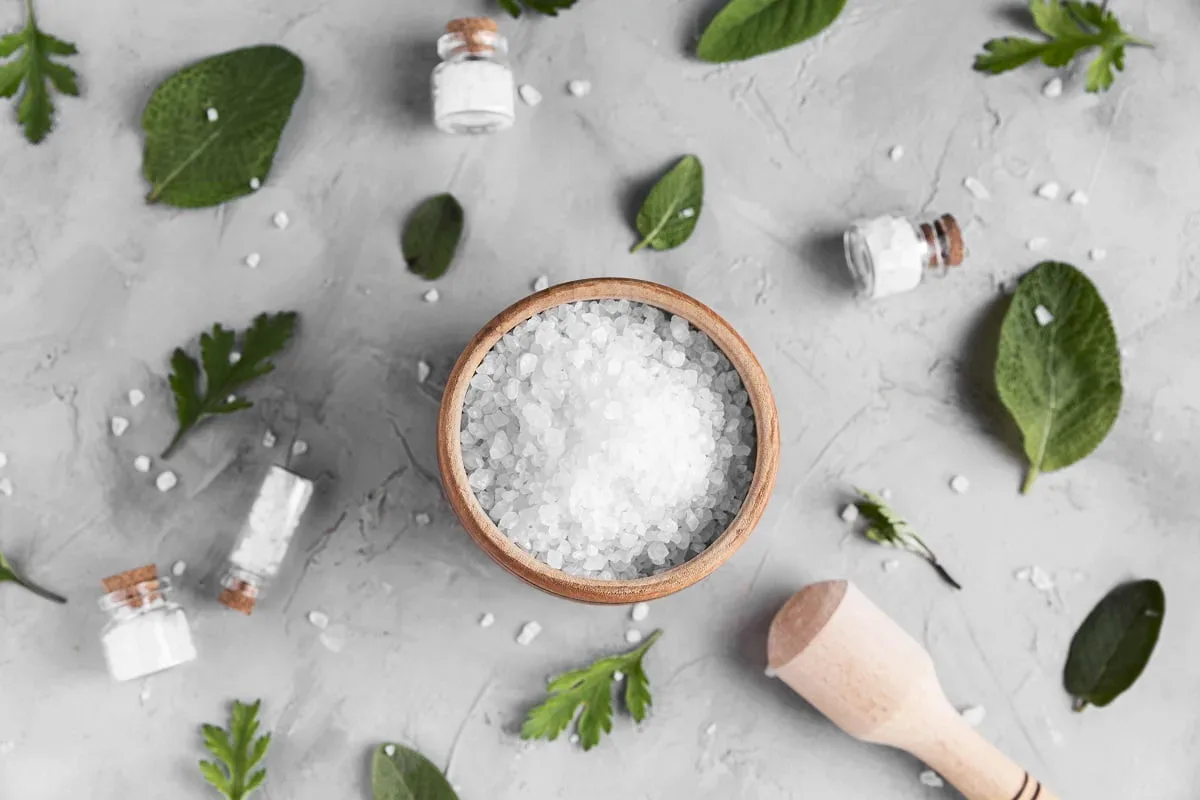
The use of iodine during pregnancy for the development of the baby’s brain
The use of iodine during pregnancy is necessary for the development of the baby’s brain. The use of iodine during pregnancy is essential for your baby’s developing brain, skeleton and nervous system. When you’re pregnant or breastfeeding, you need more iodine than usual. Iodine is found in dairy products, eggs, and seafood, and about half of all table salts are enriched with iodine. As long as your prenatal vitamin contains iodine and you eat a balanced diet, you probably won’t need iodine supplements during pregnancy.
Use of Iodine during pregnancy
The use of iodine during pregnancy is very important for the mental development of the baby. In addition, iodine deficiency is associated with premature birth, stillbirth, and miscarriage.
Why should iodine be consumed during pregnancy?
Iodine is essential for the development of your baby’s brain, skeleton and nervous system. It also regulates your baby’s metabolism (having an effect on the speed at which the body uses energy).
Iodine also plays an important role in regulating your thyroid gland. Iodine deficiency during pregnancy has been linked to an increased risk of miscarriage, premature birth, and stillbirth.
How much iodine is needed daily during pregnancy?
During pregnancy and lactation, you need more iodine than usual. Here’s how much:
Pregnant women: 220 micrograms (mcg) per day
Breastfeeding women: 290 mcg per day
Non-pregnant women: 150 mcg per day
Iodine-rich foods
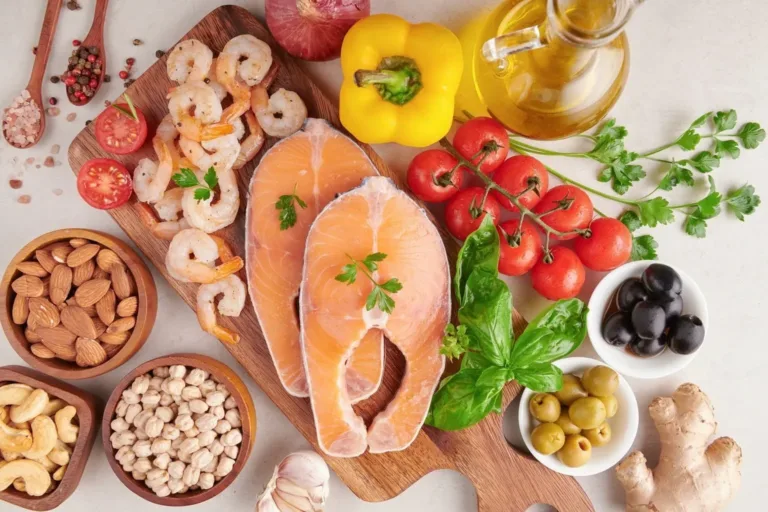
Iodine is found in dairy products, eggs, and seafood. The amount of iodine found in many types of food varies according to the amount of iodine in the soil or water in the region.
Good food sources of iodine include:
- 85 grams of cooked cod: 158 mcg
- 1 cup plain fat-free yogurt: 116 mcg
- 1 cup skim milk: 85 mcg
- 1.5 grams of iodized table salt: 76 mcg
- Enriched pasta boiled in 1 cup iodized salted water: 36
- 1 large hard-boiled egg: 26 mcg
- 28 grams of cheddar cheese: 14 mcg
- 85 grams tuna, canned in water, drained: 7 mcg
- 85 grams of fried chicken breast: 2 mcg
Contains iodine.
Do you need iodine supplements during pregnancy?
If your prenatal vitamin contains iodine and you eat a balanced diet, you probably won’t need to take iodine supplements during your pregnancy. You may want to count your daily iodine intake to make sure you’re getting enough iodine, though. If you think you’re falling short of your daily requirement, talk to your healthcare provider about taking iodine supplements.
Read the label of the salt to find out how much iodine you’re getting from table salt and to see if your salt is iodized. Check the amount of iodine, as this can vary greatly from salt to salt. Note: Specialty salts such as sea salt, kosher salt, Himalayan salt, and fleur de sel are usually not iodized.
Symptoms of iodine deficiency during pregnancy
Worldwide, iodine deficiencies are the single most important cause of preventable intellectual disability and brain damage. Iodine deficiency during pregnancy can have irreversible negative effects for your baby.
Symptoms of thyroid problems caused by iodine deficiency include an enlarged thyroid gland, fatigue, weakness, depression, intolerance to cold, and weight gain. If you’re concerned that you may have an iodine deficiency, talk to your doctor.