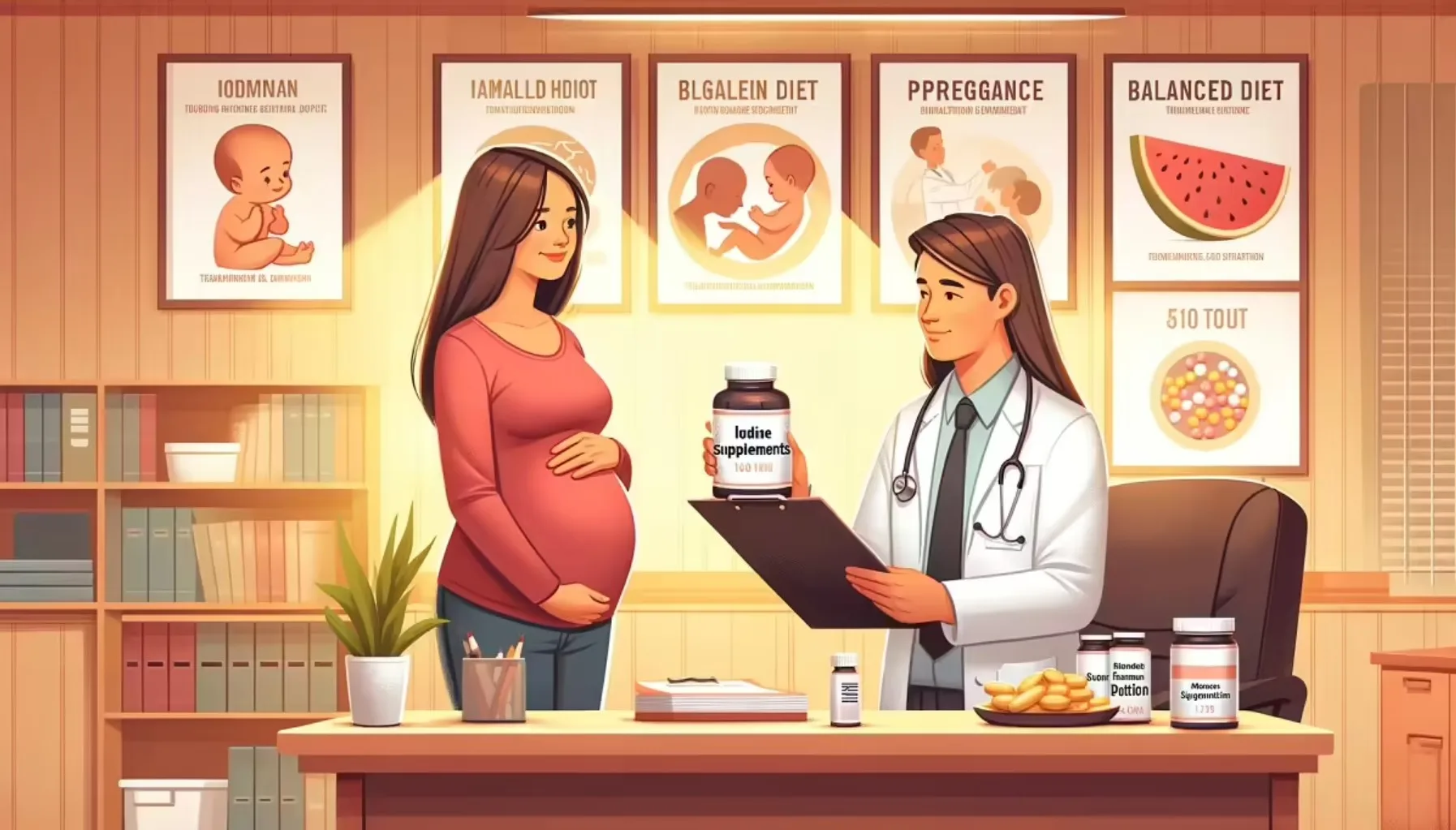
Iodine Deficiency During Pregnancy
Iodine deficiency during pregnancy is a condition that can lead to significant health problems for both the mother and the developing baby. Iodine, which plays a vital role in the body’s thyroid hormone production, is an element that is taken through nutrition and is needed more, especially during pregnancy. In this article, we will examine in detail the importance of iodine for the body, the symptoms of its deficiency, how it can be managed during pregnancy, and its potential effects on the baby. We will also provide information about the risks associated with iodine deficiency and strategies to prevent it. This guide, where you can access all the information you need to have a healthy pregnancy, aims to provide you with a comprehensive roadmap for iodine deficiency during pregnancy.
What Is Iodine Deficiency During Pregnancy and Why Is It Important During Pregnancy?
Iodine deficiency during pregnancy is a condition in which the amount of iodine needed by the body is insufficient. Iodine is an essential element for the hormone production of the thyroid gland and is necessary for vital functions such as proper metabolism, brain development, and cell regeneration. Iodine consumption during pregnancy is especially important because the expectant mother’s body produces extra thyroid hormone for the development of the baby. Iodine deficiency can cause thyroid dysfunction during pregnancy and thus conditions that can adversely affect the health of the mother and developing baby.
The need for iodine increases during pregnancy because the developing fetus is dependent on the mother’s thyroid hormones for growth and brain development. Iodine deficiency during pregnancy can lead to serious health problems such as mental retardation and learning disabilities in the unborn baby. Adequate iodine intake, especially in the first trimester of pregnancy, is critical for the proper development of the baby’s nervous system.
Therefore, it is important for pregnant women to include iodine-rich foods in their diet and, if necessary, to take iodine supplements under the supervision of a doctor. Studies show that maintaining proper iodine levels is effective in maintaining the overall health of both the mother and the baby.
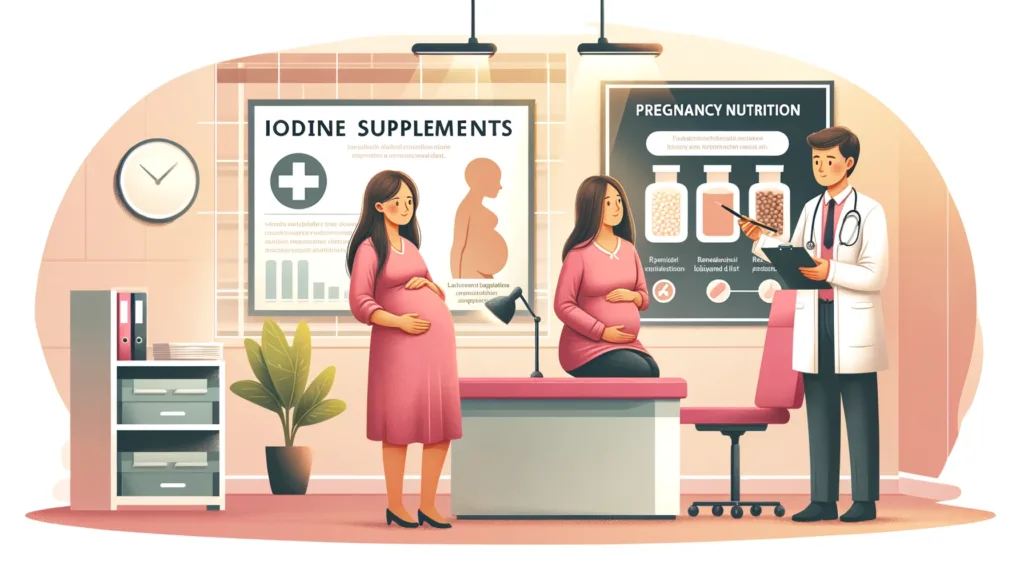
What are the Symptoms of Iodine Deficiency During Pregnancy?
Symptoms of iodine deficiency during pregnancy are usually associated with thyroid dysfunction and can occur in different forms. Symptoms that can be seen in pregnant women due to iodine deficiency are:
- Fatigue and Weakness: Low levels of thyroid hormones, which play an important role in the body’s energy production, can lead to a decrease in energy levels.
- Weight Gain: Slowing down the metabolism can lead to unexpected weight gain .
- Sensitivity to Cold: Since iodine deficiency affects thyroid hormones, its capacity to regulate body temperature may decrease.
- Skin and Hair Problems: Symptoms such as dry skin and hair loss can be external indicators of iodine deficiency.
- Constipation: Constipation may occur as a result of slowing down of the digestive system.
- Memory Problems and Difficulty Focusing: Deficiency of thyroid hormones, which directly affect brain function, can lead to cognitive problems.
- Emotional Fluctuations: Depression or emotional labilities may also be associated with iodine deficiency.
These symptoms do not appear in every pregnant woman, and some may also be mistaken for a normal part of pregnancy. However, if you are experiencing any of these symptoms, it is important to discuss with a healthcare professional. It is possible to accurately diagnose the condition with iodine deficiency tests and thyroid function tests during pregnancy.
For more information about iodine deficiency during pregnancy and the symptoms that occur during pregnancy, you can review the information published by Avrasya Hospital and similar health institutions. Such resources provide detailed information about the symptoms and possible effects of iodine deficiency in pregnancy.
What are the Causes of Iodine Deficiency in Pregnancy?
Iodine deficiency during pregnancy can develop due to a number of factors. The main reasons that can lead pregnant women to experience this condition are:
- Insufficient Use of Iodized Salt: Iodized salt plays a fundamental role in meeting the daily iodine requirement. Iodine deficiency is more common in societies that do not consume iodized salt.
- Eating Habits: Iodine occurs naturally in certain foods, such as seafood and dairy products. People who eliminate these types of foods from their diet may experience a deficiency.
- Dietary Restrictions: Some diets, especially vegan and vegetarian diets, may limit the consumption of iodine-rich foods.
- Over-Processing of Nutrients: Iodine can be lost when foods are processed; Therefore, it is important to consume fresh and natural products instead of processed foods.
- Geographical Factors: Natural iodine levels of soil and water may vary depending on geographic location. Deficiency is more common in people who live in areas with low iodine levels.
- Excessive Fluoride or Calcium Intake: These elements can interfere with the absorption of iodine by the thyroid gland and lead to deficiency.
Understanding the underlying causes of iodine deficiency during pregnancy enables effective prevention. If you notice signs of iodine deficiency during pregnancy, it’s important to talk to your doctor to get your iodine levels tested and review your diet.
How Can Iodine Deficiency Be Prevented and Treated During Pregnancy?
Prevention and treatment of iodine deficiency during pregnancy is possible with proper eating habits and, if necessary, medical interventions. The following strategies can help prevent and treat iodine deficiency:
- Use of Iodized Salt: You can increase iodine intake by replacing your daily salt consumption with iodized salt.
- Balanced Diet: Include iodine-rich foods in your diet, such as seafood, dairy, eggs, and iodine-enriched foods.
- Dietary Supplements: With the recommendation of your doctor, you can meet your daily iodine requirement by using iodine supplements.
- Nutrition Assessment: Evaluate your diet and optimize your iodine intake by working with a nutritionist.
- Health Checks Before and During Pregnancy: Regular health checkups help ensure that your thyroid function is within normal limits.
It is vital for pregnant women to be aware of iodine deficiency and take active precautions to protect both their own health and the health of their babies. For general information about iodine deficiency and intake, you can use resources such as the relevant publications of the Ministry of Health and the National Institutes of Health. Such official health resources are the most reliable references for you to be equipped with accurate information and recommendations.
Effects of Iodine Deficiency in Pregnancy on the Baby
The effects of iodine deficiency on the fetus during pregnancy can have important consequences on the development of babies as well as the health of the mother. When adequate iodine intake is not provided in the womb, the risks that babies may face are:
- Neurological Development Problems: Iodine is critical for the development of the baby’s brain and nervous system. In the event of its deficiency, serious neurological problems such as learning disabilities and mental retardation can occur.
- Goiter and Thyroid Dysfunctions: Insufficient production of thyroid hormones can cause growth and dysfunction in the baby’s thyroid gland.
- Delay in Physical Development: The general physical development of the baby can be affected without sufficient thyroid hormone, and conditions such as growth retardation can be seen.
- Congenital Anomalies: In some cases, iodine deficiency can lead to congenital anomalies in the baby.
- Low Birth Weight: Iodine deficiency can increase the risk of low birth weight, which can lead to other health problems for the baby.
To minimize iodine deficiency during pregnancy and any potential effects on the baby’s development, it is important to maintain proper iodine levels before and during pregnancy. During this process, regular doctor visits and monitoring iodine levels with necessary tests are critical for a healthy pregnancy.
What diseases does iodine deficiency lead to?
Iodine deficiency can lead to a number of health problems not only during pregnancy, but also in general. Health problems that can be caused by this condition include:
- Goiter: The most well-known result of iodine deficiency is goiter disease, which is the abnormal growth of the thyroid gland.
- Hypothyroidism: Insufficient iodine intake can lead to decreased thyroid hormone production and hypothyroidism. source
- Mental and Physical Development Problems: In children and fetuses, iodine deficiency can lead to mental and physical developmental delays.
- Thyroid Cancer: In the long term, changes in the thyroid gland due to iodine deficiency may increase the risk of thyroid cancer. source
- Cardiovascular Diseases: Due to the regulating effects of thyroid hormones, iodine deficiency can negatively affect heart health and increase the risk of cardiovascular diseases.
These health problems can be managed with early diagnosis and appropriate treatment. However, prevention of iodine deficiency and intake of essential nutrients is the most effective way to minimize the risk of developing these diseases.

What to Eat for Iodine Deficiency During Pregnancy?
Nutritional regulations and dietary recommendations that can be taken to prevent iodine deficiency during pregnancy include:
- Consume Iodine-Rich Foods: Add iodine-rich foods such as seafood, milk, eggs, and iodized salt to your diet.
- Use of Iodized Salt: Prefer iodized salts in your salt consumption, but be careful not to overdo it.
- Diversify Vegetables and Fruits: Include fruits and vegetables, especially those rich in iodine, in your diet.
- Nutritional Supplements: With your doctor’s recommendation, you can use supplements to meet your daily iodine needs during pregnancy.
- Inhibition of iodine absorption: Avoid foods and substances that can interfere with the absorption of iodine, such as fluoride, calcium, and soy.
- Discuss dietary changes with your doctor: Before making any dietary changes during pregnancy, discuss this with a healthcare professional.
How Much Iodine Should Be Consumed Daily?
The amount of iodine you need daily depends on your age and condition. The daily iodine requirement of a pregnant woman is on average 220 mcg. The amount of iodine needed daily according to other age groups and conditions is listed. source
| Life Stage | Recommended Quantity |
|---|---|
| From birth to 6 months | 110 mcg |
| Babies 7-12 months | 130 mcg |
| Children 1-8 year(s) | 90 mcg |
| Children 9-13 year(s) | 120 mcg |
| Young people 14-18 years old | 150 mcg |
| Adults | 150 mcg |
| Pregnant women | 220 mcg |
| Breastfeeding women | 290 mcg |
Pregnancy is a critical time for the health of both mother and baby, and conditions such as iodine deficiency can have long-term effects for both. As we’ve discussed in this article, being aware of the symptoms, causes, and prevention methods of iodine deficiency is essential for a healthy pregnancy. Proper eating habits and medical attention when necessary are the keys to preventing and treating iodine deficiency. By paying attention to iodine intake during pregnancy, it is possible to ensure that the mother and baby take a step towards a healthy future. Regular communication with health professionals and health check-ups will help manage this process in the best possible way.
Frequently Asked Questions (FAQs) About Iodine Deficiency During Pregnancy
-
What are the symptoms of iodine deficiency during pregnancy?
Symptoms of iodine deficiency during pregnancy include fatigue, weakness, unexpected weight gain, increased sensitivity to cold, skin and hair problems, constipation, memory problems, and difficulty focusing.
-
How to prevent iodine deficiency during pregnancy?
Iodine deficiency during pregnancy is prevented by the use of iodized salt, the consumption of iodine-rich foods and, if necessary, iodine supplements to be taken under the supervision of a doctor.
-
Should I take iodine supplements during pregnancy?
Your doctor should decide whether to take iodine supplements during pregnancy. Your doctor will assess whether you’re getting enough iodine from your diet and recommend a supplement if they deem it necessary.
-
How can iodine deficiency affect my baby?
Iodine deficiency can have negative effects on the development of the baby’s brain and nervous system and can lead to serious health problems such as mental retardation and learning disabilities.
-
Is it safe to use iodized salt during pregnancy?
Yes, using iodized salt during pregnancy is generally safe and can help prevent iodine deficiency. However, it is important to keep your salt consumption under control.
-
What health problems does iodine deficiency cause?
Iodine deficiency can lead to various health problems such as goiter, hypothyroidism, thyroid cancer, and cardiovascular diseases.
-
What foods should I consume for iodine deficiency during pregnancy?
Seafood, milk, eggs and iodine-enriched foods are recommended to prevent iodine deficiency in pregnancy.