10 Warning Signs to Watch Out for During Pregnancy
Pregnancy brings with it many changes in a woman’s body, which can be both expected and sometimes surprised. Most changes are common and normal, but some situations may require immediate medical attention. Therefore, it is of great importance to be attentive to the symptoms that may indicate possible complications within the excitement. Being aware of these symptoms is a critical step towards maintaining the health of mother and baby. In this article, we will discuss the important warning signs that every expectant mother should be aware of during pregnancy.
Things to Consider During Pregnancy
It is vital for a healthy pregnancy process to pay attention to the warning signs mentioned below during pregnancy.
1. Vision Problems and Headaches
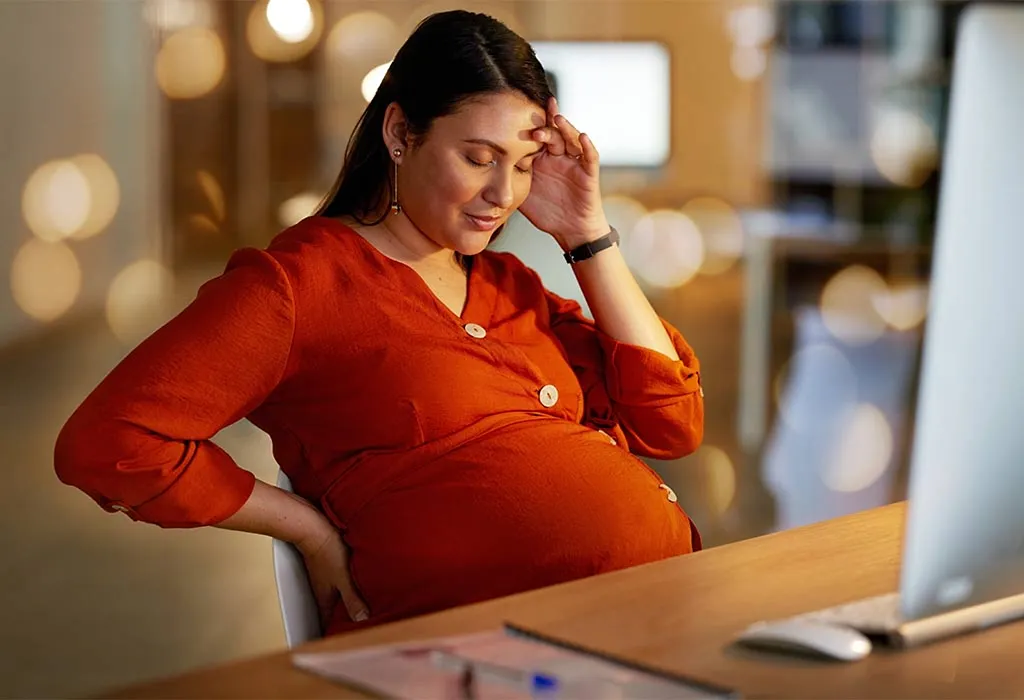
Headaches during pregnancy can often be caused by factors such as stress, hormonal changes, or fatigue. However, severe headaches can be a sign of high blood pressure or preeclampsia (a condition of high blood pressure during pregnancy).
You may also experience vision problems such as temporary vision loss, sensitivity to light, or blurred vision. Such changes can be linked to serious conditions such as preeclampsia or pregnancy-related hypertension. Therefore, in order to protect the health of both the mother and the baby, it is very important to consult a doctor immediately when you encounter such symptoms.
2. Severe abdominal pain

There are many women who wonder if abdominal pain during pregnancy is normal. Mild discomfort, especially from round ligament pain , is often a natural part of the pregnancy process. However, if abdominal pain is accompanied by chills or fever, or if severe pain is accompanied by vomiting, this may be a sign of a serious problem.
When you encounter such symptoms, it is important to consult a doctor and seek professional support immediately. Early intervention can be vital in protecting the health of both mother and baby.
3. Dizziness or Fainting

It is quite normal to experience mild dizziness in the early stages of pregnancy. This condition can often be caused by low blood sugar levels or changes in the circulatory system. You may also feel dizzy from time to time later in your pregnancy.
However, if you are constantly experiencing dizziness, feeling like fainting, or really fainting, and this is accompanied by other symptoms such as vaginal bleeding, blurred vision, abdominal pain, or headaches, you should definitely consult a doctor. These symptoms can be a sign of an underlying problem, and it’s important to treat them with the right diagnosis.
4. Burning Sensation When Urinating or Frequent Urge to Urinate
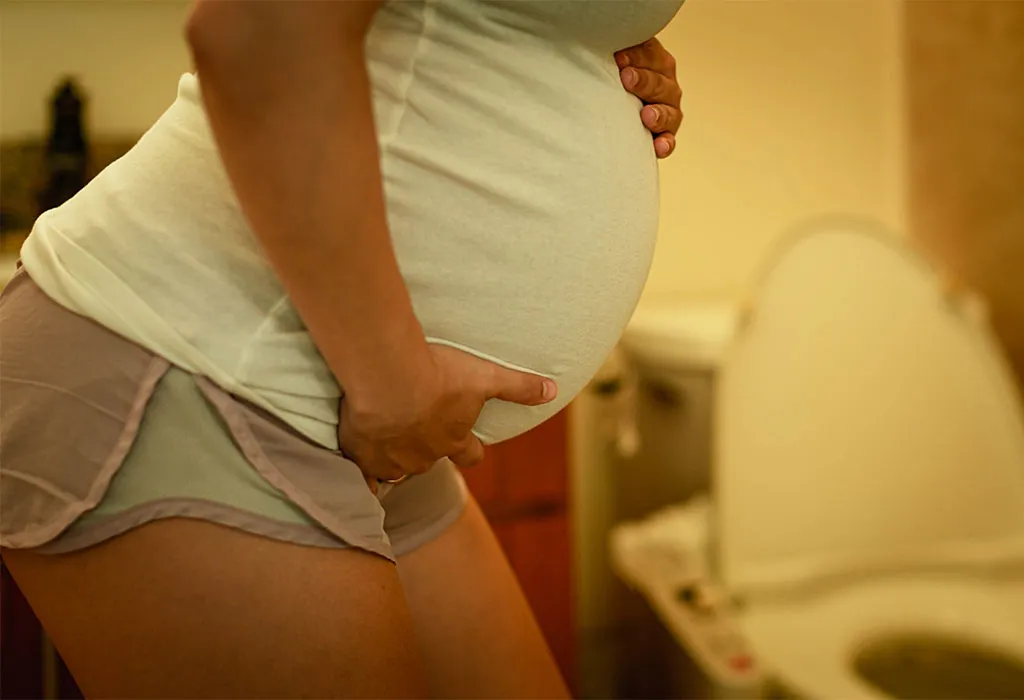
Urinary tract infections (UTIs) during pregnancy are quite common. If you feel the urge to urinate frequently but can urinate very little, or if you experience a burning sensation when urinating, this may be a sign of a UTI. In addition, symptoms such as chills, fever or bloody urine can also be among the signs of this infection.
When you notice such symptoms, it is important to consult a doctor to rule out more serious complications. Your doctor can make the correct diagnosis and apply the necessary treatment and eliminate the bacterial infection. However, you should keep in mind that frequent urination is a fairly common occurrence, especially during the first and last trimesters of pregnancy. This is caused by the growing baby expanding your uterus, putting pressure on the bladder, and is usually a sign of a normal pregnancy.
5. Severe or Continuous Vomiting

It is quite normal to experience nausea and vomiting during the first trimester of pregnancy. This condition is often referred to as “morning sickness,” but it doesn’t just have to occur in the morning hours; It can also be felt at any time of the day.
However, if nausea and vomiting are severe, accompanied by symptoms such as dizziness or vomiting blood, this may be a sign of a more serious condition called hyperemesis gravidarum. In such a case, you should definitely consult a doctor. It is also important to consult your doctor for nausea and vomiting that persist or worsen after the first trimester. This may be necessary for the health of both you and your baby.
6. Decreased Baby’s Movements or Not Feeling No Movement
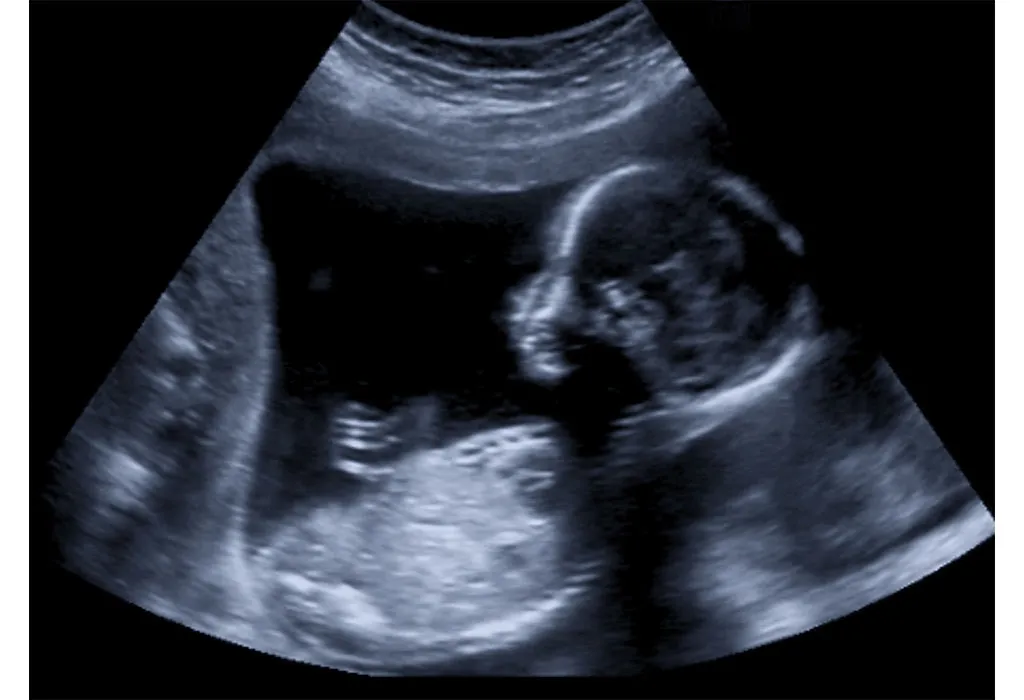
During pregnancy, many women feel the first movements of their baby, usually between 18 and 25 weeks. These movements can take different forms, such as kicking, spinning, or fluttering. It is important to regularly monitor the baby’s movements, especially in the second half of the third trimester.
You can keep track of the time by lying down for a while to feel the baby’s 10 movements (kicking, spinning or fluttering) every day. Most of the time this will only take a few minutes, but if you don’t feel any movement for an hour, eat a light snack and try again. Recording baby movements can give you a clearer idea of the baby’s overall condition.
If you notice a decrease in your baby’s movements or if you think that he does not move as he used to for a few days, be sure to consult your doctor. This is an important step to check your baby’s health.
7. Contractions and Vaginal Discharge (before the end of 37 weeks)
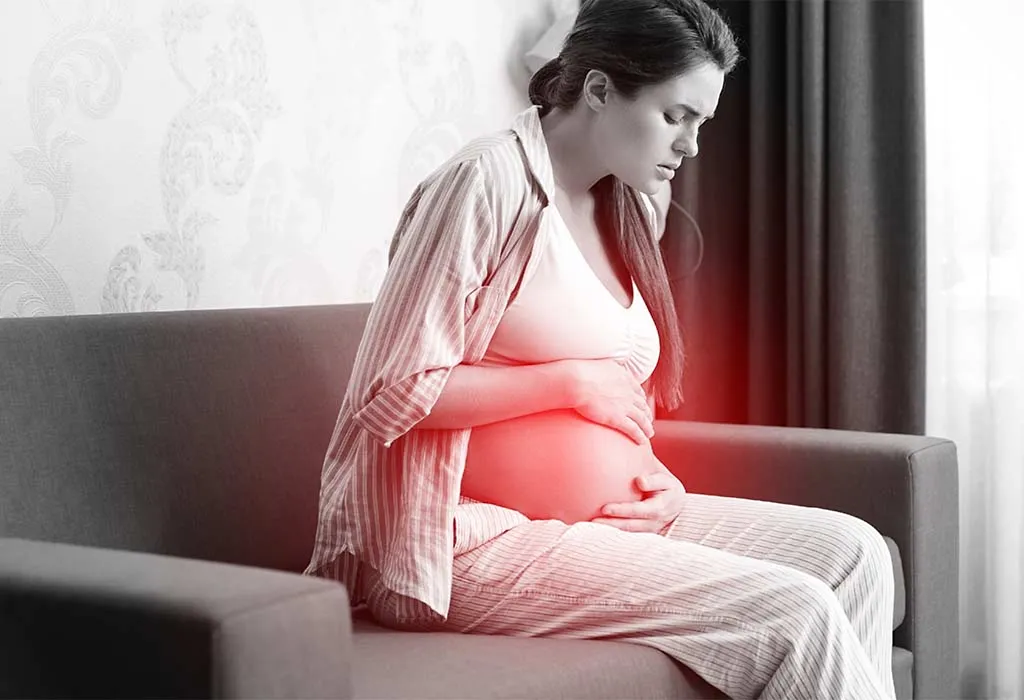
Mild contractions are quite normal during pregnancy. However, if these contractions do not stop when you change position or move, become regular and turn into severe pain, it may be a sign of premature labor. In such a case, it is important to consult your doctor immediately.
Another important warning sign to look out for in the third trimester is premature rupture of the membranes, known as “water breaking“. This can be felt as fluid dripping from the vagina, leaking, or as a sudden gush. If you notice this condition, you should call your healthcare provider immediately. Your doctor will give you appropriate directions depending on which week of pregnancy you are.
If your water comes after you’ve reached full term, this indicates that labor has begun and is a natural part of the process. But if it’s happening early, it’s important to take action quickly for the health of both you and your baby.
8. Vaginal Bleeding, Spotting, or Itching

It is usually normal to see spotting in early pregnancy, and this condition is called “implantation bleeding“. However, the cause of bleeding can also be a serious condition, such as a cervical infection or placenta previa. It is important to take this situation seriously, as bleeding, especially in the first trimester, can be a sign of miscarriage or ectopic pregnancy. When you notice bleeding or spotting during pregnancy, you should definitely consult your doctor, even if you are not sure what it is.
Also, experiencing severe itching without a rash on the skin can be a sign of a liver condition called cholestasis. This condition usually occurs in the late stages of pregnancy. If you suffer from excessive itching, it is important to consult your doctor immediately.
However, itching of the skin during pregnancy is also a frequent occurrence and is usually not a concern. As the baby grows, the skin stretches and dries out, which can cause itching in the chest, abdomen or thighs. However, if the itching becomes unbearable, it is worthwhile to seek expert opinion.
9. Extreme pain above the stomach

If pain under the rib cage, especially in the upper part of the stomach, occurs with other symptoms such as severe headache, blurred vision, or nausea, this may be a sign of high blood pressure or preeclampsia. Since preeclampsia can lead to serious complications in pregnancy, early diagnosis and intervention are of great importance. Your doctor will regularly monitor your blood pressure during prenatal checkups, but you should inform your doctor immediately if you notice such symptoms.
This type of pain can sometimes be caused by different reasons. For example, if it is felt on the right side, it may be due to a gallbladder infection or gallstones. Therefore, it is important to consult a specialist doctor to find out the source of the pain and start appropriate treatment.
10. Unusual Weight Gain and Swelling
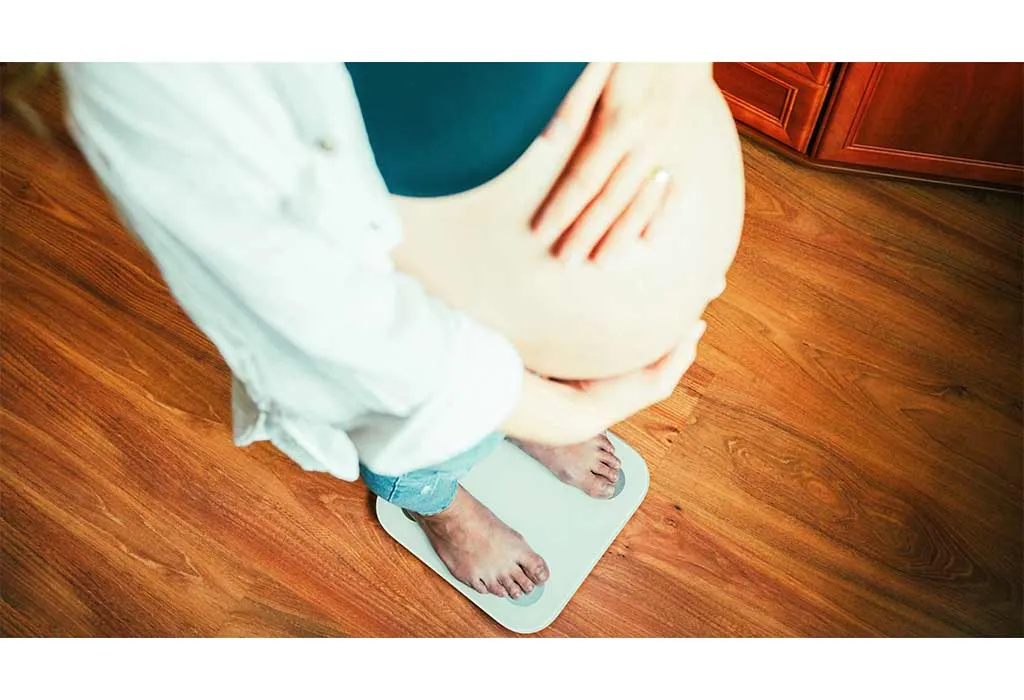
Sudden and unusual weight gain can be an early sign of a serious condition such as preeclampsia. This condition usually occurs with a noticeable swelling of the hands and face. A slight swelling of the hands and feet during pregnancy is common and usually normal, but it is important to monitor this condition closely when there is a significant increase.
If the swelling is increasing rapidly or your weight gain is sudden, you should definitely consult your doctor. This can be a necessary step for the health of both mother and baby. You can prevent possible complications by sharing such changes in regular check-ups.
If you’re experiencing any of these common warning signs during pregnancy, it’s important to contact your doctor immediately. If you feel uneasy about these symptoms or have any doubts, it is best to consult your healthcare provider. In this way, you will have peace of mind and possible problems can be quickly identified and resolved. Remember, it’s always safest to share any concerns about your health.
Resources:
- Warning Signs During Pregnancy; Standford Medicine
- premature rupture of membranes (PPROM); Standford Medicine
- World Health Organization, Geneva; 8 SIGNS OF DANGER DURING PREGNANCY; Counseling for Maternal and Newborn Health: A Handbook of Skills Development. ; NCBI
- Warning signs during pregnancy; Pregnancy
- Warning signs during pregnancy; HSE