What is Amniocentesis and How is it Performed?
Amniocentesis is a test performed to detect possible genetic diseases in the baby, especially in high-risk pregnancies. This analysis, which is performed on amniotic fluid samples taken from the uterus of the expectant mother during pregnancy, provides vital information about fetal health. So, how is this procedure performed, to whom is it recommended, and what are the potential risks? You can find the answers to these questions and the details of amniocentesis in this blog post we have compiled for you.
Who Can Have Amniocentesis?
Amniocentesis is often recommended for pregnant women who have certain risk factors or are concerned about potential genetic problems. This procedure is especially important for individuals with the following conditions:
- Age Factor: Pregnant women aged 35 years and over are in the group for which amniocentesis is recommended due to increased genetic risks. With increasing age, the likelihood of genetic abnormalities increases.
- Family and Personal Health History: If the expectant mother has a family history of genetic diseases or genetic abnormalities have been observed in previous pregnancies, amniocentesis may be recommended.
- Abnormal Screening Test Results: When abnormalities are detected in first trimester screening tests or second trimester blood tests, amniocentesis can be performed for a detailed genetic examination.
- Ultrasound Findings: If abnormalities in the fetus are discovered during ultrasound examinations performed during pregnancy, this may require amniocentesis to make a more definitive diagnosis.
Amniocentesis is an important referral tool not only for high-risk conditions, but also for the mental preparation of parents and early intervention when necessary. The information obtained through this test plays a critical role in planning postpartum interventions as well as prenatal care.
Genetic Diseases That Amniocentesis Can Detect
Amniocentesis plays a critical role in the early diagnosis of genetic diseases. Thanks to this test, many serious genetic conditions can be detected and interventions can be planned accordingly:
- Down Syndrome (Trisomy 21): It is the most widely known chromosomal disorder. This condition is usually caused by the presence of an extra chromosome and can have effects on mental and physical development.
- Edwards Syndrome (Trisomy 18) and Patau Syndrome (Trisomy 13): Both conditions lead to serious developmental problems and often result in premature infant mortality.
- Neural Tube Defects: Conditions such as spina bifida and anencephaly are characterized by improper development of the central nervous system.
- Autosomal Recessive Disorders such as Cystic Fibrosis and Sickle Cell Disease: Such diseases usually occur when there is a carrier in the family and both parents have carrier genes.
Amniocentesis can also detect some rare diseases, as well as sex-related genetic disorders. For example, conditions such as Duchenne Muscular Dystrophy are more common in boys, and early diagnosis can affect care and treatment options in later years.
These genetic tests guide parents as they make important decisions and ensure that they are equipped with appropriate healthcare and supports if necessary.
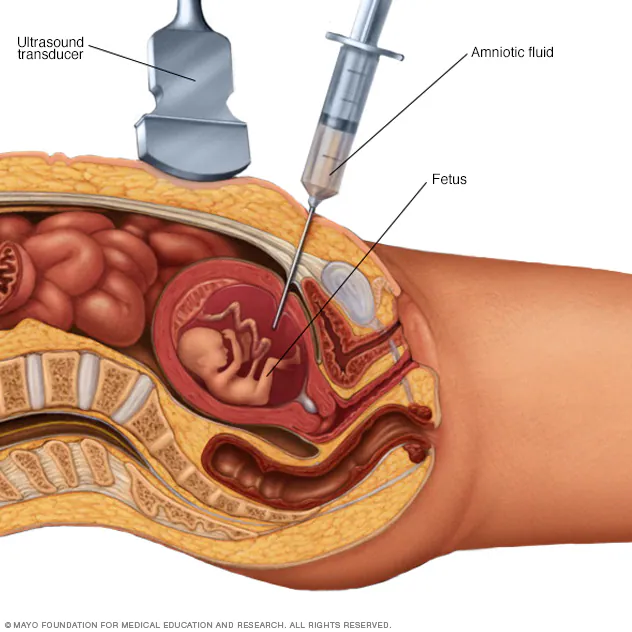
How is Amniocentesis Performed?
Amniocentesis is a medical procedure that is performed in a careful and controlled environment. The process steps can be listed as follows:
- Preliminary Preparation and Ultrasound: First, the abdominal area of the expectant mother is examined using ultrasound. This helps determine the optimal spot where the amniotic fluid will be drawn. At the same time, the position of the fetus and environmental structures are evaluated in detail.
- Sterilization and Anesthesia: The area of the procedure is cleaned with antiseptic solutions. In most cases, it is not necessary to administer a local anesthetic, but some clinics may offer this option for the convenience of the patient.
- Fluid Intake with Needle: Using the ultrasound image as a guide, the doctor passes through the mother’s abdominal wall with a thin and long needle and reaches the uterus. This needle is used to suck out amniotic fluid. Usually, up to 20 ml of liquid is taken during this procedure.
- Post-Procedure Observation: After the amniotic fluid is removed, the expectant mother is kept under observation for a short time. In this process, it is monitored for any signs of complications (for example, cramping, bleeding, or leakage).
- Analysis of Results: The fluid taken is examined in the laboratory for genetic analysis and necessary tests. The results are usually ready within a few weeks and presented to the family with genetic counseling.
This process requires a high degree of expertise and experience. Therefore, it is important to perform the procedure only in medical centers where it is done by health professionals trained in this field.
Genetic amniocentesis is usually performed between the 14th and 20th weeks of pregnancy. Amniocentesis performed before the 14th week of pregnancy can lead to further complications.
What are the Risks of Amniocentesis?
Although this test is a critical test that provides important information, it also comes with some risks. Being aware of these risks allows expectant mothers to make informed decisions:
- Risk of miscarriage: The risk of miscarriage after amniocentesis is usually very low, but this risk exists. Statistically, there is a risk rate ranging from 0.1% to 0.3%.
- Risk of Infection: There is a rare risk of infection with the insertion of the needle into the uterus. Sterile conditions and correct techniques minimize this risk.
- Amniotic Fluid Leakage: It is possible for amniotic fluid to leak during the procedure, although it is very rare. This condition usually resolves on its own.
- Rh Sensitivity: In Rh-negative mothers, when the blood cells of the Rh-positive baby enter the mother’s bloodstream, the mother’s body can produce antibodies. In this case, Rh immunoglobulin therapy can be administered.
- Rare Cases: Although very rare, physical trauma to the baby, such as a needle stick, can occur during the procedure.
As with any medical procedure, the advantages and risks of amniocentesis should be considered in a balanced way. The expectant mother’s age, health status and pregnancy history are important factors in this decision. When considering amniocentesis, a detailed risk assessment should be made and all possible scenarios should be discussed with the doctor before the procedure.
Results and Interpretation of Amniocentesis
Interpreting the results of this test is an important part of the genetic counseling process. Here’s what you need to know about the process:
- Getting the Results: Amniocentesis results are usually available within 2-3 weeks after the procedure. This time can vary depending on the laboratory’s analysis process and the variety of genetic conditions being tested.
- Detailed Genetic Analysis: The amniotic fluid taken is examined in detail at the genetic level. These analyses help identify chromosomal abnormalities, genetic diseases, and in some cases, sex-specific conditions.
- Genetic Counseling: Once the results are ready, the genetic counselor or relevant health professionals discuss the findings in detail with the expectant mother. This interview provides comprehensive information about what the findings mean, possible health conditions, and their management.
- Decision-Making Process: If a genetic anomaly is detected in the results of amniocentesis, parents consider various options. This may include health management, treatment options, or other important decisions.
- Emotional Support and Guidance: Genetic counselors also provide emotional support and guidance to parents. This is especially important when faced with compelling results.
The interpretation of the results of this test is a complex process that includes the emotional and ethical thoughts of the families as well as scientific data. Therefore, it is of great importance for parents to get expert support throughout the process.
Frequently Asked Questions
Does amniocentesis give definitive results?
This test has a very high accuracy rate for the detection of genetic diseases and chromosomal abnormalities. However, as with any medical test, there may be rare false positives or false negative results.
Is amniocentesis a painful procedure?
Most expectant mothers describe amniocentesis as mildly uncomfortable. A short-term stinging or cramping may be felt during the procedure, but it is usually not painful.
How long does it take to return to normal activities after amniocentesis?
After this test, most expectant mothers can return to their normal activities within a few hours. However, the doctor usually recommends resting for a few days after the procedure.
When is the best time to have an amniocentesis?
This test is usually done between 15 and 20 weeks of pregnancy, since during this period there is enough fluid to receive amniotic fluid and the risk of miscarriage is lower.
Does amniocentesis only detect certain diseases?
No, this test can detect many genetic conditions and chromosomal abnormalities. Conditions such as Down syndrome, trisomy 18, and trisomy 13, as well as some rare genetic diseases, can be determined by this test.
Source: MayoClinic