Neural Tube Defect (NTD)
Neural Tube Defects (NTDs) are congenital defects in the brain, spine, or spinal cord that occur in the fetus during the first month of pregnancy. NTDs are linked to folate (folic acid) deficiency before and during pregnancy, so it’s important to make sure you’re getting enough folate before and during pregnancy, both through supplements and through what you eat.

What is a neural tube defect?
A neural tube defect (NTD) is a birth defect of the brain, spine, or spinal cord. NDTs are defects that appear in developing fetuses during the first month of pregnancy, often before you even realize you are pregnant. The two most common neural tube defects are spina bifida and anencephaly.
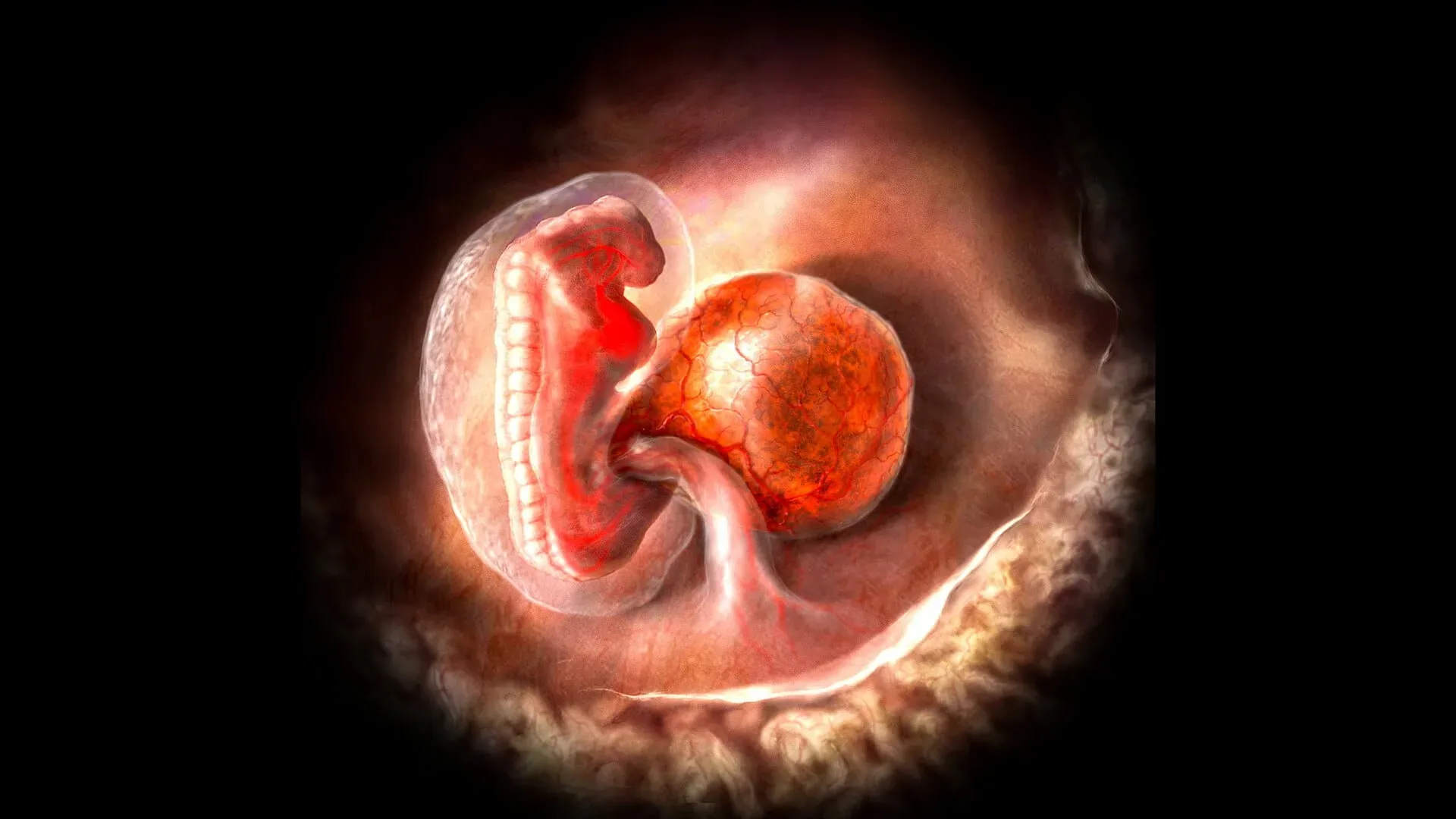
Normally, during the first month of your pregnancy, the two sides of the fetus’s spine (spine) fuse to cover and protect the spinal cord, spinal nerves, and meninges (the tissues that line the spinal cord). The brain and spine that develop at this point are called neural tubes.
As development progresses, the upper part of the neural tube develops into the brain, and the rest of the tube develops into the spinal cord. NTD occurs when this tube does not close completely somewhere along its length.
What are the types of neural tube defects?

There are several types of neural tube defects, including:
- Spina bifida.
- Anencephaly.
- Encephalocele.
- Inencephaly.
Spina bifida
Spina bifida is the most common type of neural tube defect (NTD). It occurs when during fetal development the neural tube does not close completely somewhere along the spine.
The types of spina bifida are as follows:
- Myelomeningocele (open spina bifida): This NTD is seen as a fluid-filled sac that does not close the neural tube completely and comes out of your baby’s back. The sac contains part of the spinal cord, meninges, nerves, and cerebrospinal fluid (CSF). Myelomeningocele is the most severe and common form of spina bifida.
- Meningocele : This NTD appears as a sac of fluid that protrudes through an opening in your baby’s back, but his spinal cord is not affected or damaged.
- Spina bifida occulta : This NTD appears as a small cavity in your baby’s spine, but there is no opening or pouch in his back. Their nerves and spinal cords are not damaged, and this usually does not cause any disability. This is the mildest form of spina bifida.
Anencephaly
Anencephaly occurs when the upper part of the fetal neural tube does not close during fetal development. This causes the skull, scalp, and brain to not develop properly and some parts of the brain and skull to be missing. The resulting brain tissue is often exposed because there is not enough skin and bone to cover it. Babies with anencephaly are either stillborn or die soon after birth.
Encephalocele
Encephalocele occurs when the neural tube does not close near the brain and there is an opening in the skull. The fetus’s brain and the membranes that cover it can protrude from the skull, forming a sac-like protrusion. In some cases, there is only a small opening in the nasal cavity or forehead area that is not noticeable.
Inencephaly
Iniencephaly occurs when the spine is severely malformed (misshapen). Most often it causes a lack of neck, and the baby’s head is severely tilted back. The baby’s facial skin is attached to his chest, and the scalp is attached to his back. Babies with iniencephaly are often stillborn.
Who does a neural tube defect affect?
Neural tube defects (NTDs) are birth defects, so they affect babies. NTDs appear in the first month of pregnancy.
Neural Tube Defect Symptoms
What causes a neural tube defect (NTD)?
They don’t yet know the exact cause of neural tube defects (NTDs), but they believe it’s a complex combination of genetics, nutrition, and environmental factors.
In particular, low levels of folic acid in one’s body before pregnancy and early in pregnancy appear to play a role in such congenital disorders. Folic acid (or folate) is important for fetal development of the brain and spinal cord.
What are the symptoms of neural tube defects?
Each type of neural tube defect (NTD) has different symptoms.
Some babies with NTDs have no symptoms, while others experience severe disabilities. Babies with iniencephaly and anencephaly are often stillborn or die shortly after birth due to complications from the defect.
Common symptoms of NTDs include:
- Physical problems such as stroke, urinary and bowel control problems.
- Blindness.
- Deafness.
- Intellectual disability.
- Lack of consciousness and, in some cases, death.
If your doctor suspects that the fetus has a neural tube defect, your medical team will give you more information about what to expect. NTDs affect each baby differently.
What are the symptoms of neural tube defects during pregnancy?
If you are pregnant with a fetus with a neural tube defect (NTD), you will not experience any symptoms directly related to it.
When you undergo a fetal ultrasound, your health care provider will look for specific signs of fetal health and development, including looking for signs of NTDs in the spine and head, depending on fetal age. Healthcare providers can usually diagnose NTDs with ultrasound.
Diagnostics and Tests
How is a neural tube defect diagnosed?
Healthcare providers often diagnose neural tube defects (NTDs) during pregnancy with prenatal tests such as ultrasound.
What tests are done to diagnose neural tube defects?
Healthcare providers use the following tests to help diagnose neural tube defects (NTDs) before birth:
- Blood test: Your healthcare provider will order a screening test that measures the amount of alpha-fetoprotein (AFP) in your blood between weeks 16 and 18 weeks of pregnancy. In about 75% to 80% of pregnant people carrying a fetus with an NTD, this amount is higher than normal. If your level is high, your healthcare provider will order other tests, such as an ultrasound, to better assess the growing fetus.
- Fetal (prenatal) ultrasound : Ultrasound during pregnancy is the most accurate method of diagnosing many NTDs. Healthcare providers usually recommend ultrasound in the first trimester (11 to 14 weeks of pregnancy) and second trimester (18 to 22 weeks of pregnancy)
- Amniocentesis : Healthcare providers use this test to check for NTDs and other birth defects. During amniocentesis, a needle is used to take a sample of fluid from the amniotic sac surrounding the fetus. You can take this test between 15 and 20 weeks of pregnancy. This test carries some risks. Don’t forget to talk to your healthcare provider about the process.
Healthcare providers also use imaging tests such as MRI (magnetic resonance imaging) or CT (computed tomography) scanning to diagnose some NTDs after birth.
Neural tube defect treatment
How are neural tube defects (NTDs) treated?
There are several treatment options for spina bifida and encephalocele, depending on the severity of the condition.
There is no cure for anencephaly or iniencephaly. Babies with these conditions are often stillborn or die shortly after birth.
Treatment of spina bifida and encephalocele
Treatment for both spina bifida and encephalocele depends on the severity of the condition and whether your baby has other complications. Surgery is a common option for both conditions.
Healthcare providers usually treat encephalocele with surgery to insert the protruding part of your baby’s brain and the membranes that cover it back into the skull. They then close the opening in your baby’s skull.
Treatment for myelomeningocele, the most common form of spina bifida, usually involves surgery to repair the opening in your baby’s spine. Healthcare providers may perform the surgery before birth (fetal surgery) or shortly after birth (postpartum surgery).
Long-term treatment for both conditions depends on your child’s condition. Over time, they may need multiple surgeries and other treatments related to complications, such as shunts to treat hydrocephalus (excess fluid surrounding their brain).
Can neural tube defect be prevented?
What are the risk factors for developing a neural tube defect (NTD)?
Anyone can have a baby with a neural tube defect (NTD). However, some factors increase your chances of having a baby with an NTD, including:
- Folate (folic acid) deficiency : Folate, the natural form of vitamin B-9, is important for healthy fetal development. Folate deficiency before and during pregnancy increases the risk of having a baby with spina bifida and other NTDs. If you’re pregnant or thinking about becoming pregnant, it’s important to take prenatal vitamins to make sure you’re getting enough folate (folic acid) and other nutrients to support a healthy pregnancy. The recommended daily amount of folic acid is 400 micrograms (mcg) per day.
- Family history of neural tube defects : People who have a baby with an NTD have a 2% to 3% increased risk of having a second baby with an NTD. Consider meeting with a genetic counselor to learn more about your risk of having a baby with an NTD.
- Some anti-seizure medications : These medications have been linked to neural tube defects when taken during pregnancy. If you are taking medication to prevent seizures, talk to your healthcare provider about how the medication may affect your pregnancy before you get pregnant.
- Diabetes: Pregnant people whose diabetes is not well managed have a higher risk of having a baby with an NTD.
- Obesity: People who had obesity before pregnancy have an increased risk of having a baby with an NTD.
- Increase in body temperature early in pregnancy : Prolonged fever in the first weeks of pregnancy or increases in core body temperature (hyperthermia) due to the use of saunas or hot tubs have been associated with a slight increase in the risk of NTDs.
- Opioid use in early pregnancy: Opioids are a very powerful and highly addictive class of drugs that reduce pain. People who are pregnant and take opioids during the first two months of pregnancy have an increased chance of having a baby with an NTD, among other complications. Tell your healthcare provider immediately if you are pregnant and taking any medications or medications that may be opioids.
Can a baby live with a neural tube defect?
Yes, your baby can live with some neural tube defects, including spina bifida and encephalocele.
However, babies with anencephaly and iniencephaly are often stillborn or die shortly after birth.
Living with a baby with a neural tube defect
How can I care for my baby with a neural tube defect?
It is important to note that no two people with a neural tube defect (NTD), especially those with spina bifida and encephalocele, are affected in the same way. It is impossible to predict how your baby will be affected. The best way to prepare is to speak with healthcare professionals who specialize in researching and treating your baby’s condition.
As your child grows, he or she may benefit from a team of healthcare providers who can take care of their needs. It is important to advocate for your child and arrange the best possible medical care.
When should I consult a doctor about neural tube defects?
If your child was born with a neural tube defect (NTD), he or she will likely need to see his or her healthcare provider or team of healthcare providers regularly throughout his or her life.
If you are taking anti-seizure medication or opioids, it is important to speak with your healthcare provider before you become pregnant about how these medications may affect your pregnancy and the possibility of having a child with an NTD.
It is scary and overwhelming to learn that the fetus you are carrying has a neural tube defect (NTD). However, know that you are not alone; There are many resources available to help you and your family. It’s important to speak with a healthcare professional who is very familiar with neural tube defects so that you can learn more about how your baby will be affected and how to prepare.