Behind the Baby’s Week During Pregnancy
It is natural to be concerned when you hear the result that your baby’s development is behind compared to the gestational week in ultrasound checks performed throughout pregnancy. If the baby is behind in the week during pregnancy, it means that the baby is smaller than expected, and this can be caused by a variety of reasons. In this article, we’ll explore what this condition means, its possible causes, and what you should do.
What Causes A Baby To Be Behind Its Week During Pregnancy?
When the baby is behind in the week during pregnancy, it indicates a slowdown in the baby’s growth, and this can be caused by a variety of factors. Here are some common reasons:

1. Incorrectly calculated date of birth
Ultrasounds performed in early pregnancy are one of the most reliable methods for accurately determining gestational age and date of birth. However, in some cases, the gestational age may have been calculated incorrectly. If your baby is being measured behind his or her weeks, the first step is to check that the due date has been calculated correctly.
2. Developmental Delay (IUGR)
A common reason why a baby is smaller than expected is a condition known as intrauterine growth retardation (IUGR). IUGR is characterized by the inability of the baby to grow sufficiently in the womb and indicates that the baby’s development is slower than in the gestational week. Reasons for this can include placenta problems, maternal malnutrition, or harmful habits such as smoking. Once IUGR is diagnosed, your doctor will monitor the baby’s growth more closely and take additional tests and measures.
3. Genetic Factors
Some babies may be smaller for genetic reasons. If the mother or father is small, it is possible that the baby is genetically smaller. This may mean that the baby is healthy but will be born smaller due to their genetic makeup. The fact that the baby is behind in the week during pregnancy does not always mean that there is a health problem.
4. Placenta Problems
Another factor that can cause the baby to not be fed enough can be placenta problems . The placenta is an important structure that provides oxygen and nutrients to the baby. If there is a problem with the placenta, this can prevent the baby from growing enough and cause the baby to be measured behind the week.
5. Mother’s Health Status
Some health problems that the expectant mother has can also affect the development of the baby. High blood pressure, kidney disease, or infections can affect blood flow to the placenta, leading to a slowdown in the baby’s development.
How Do Doctors Measure Baby’s Development?
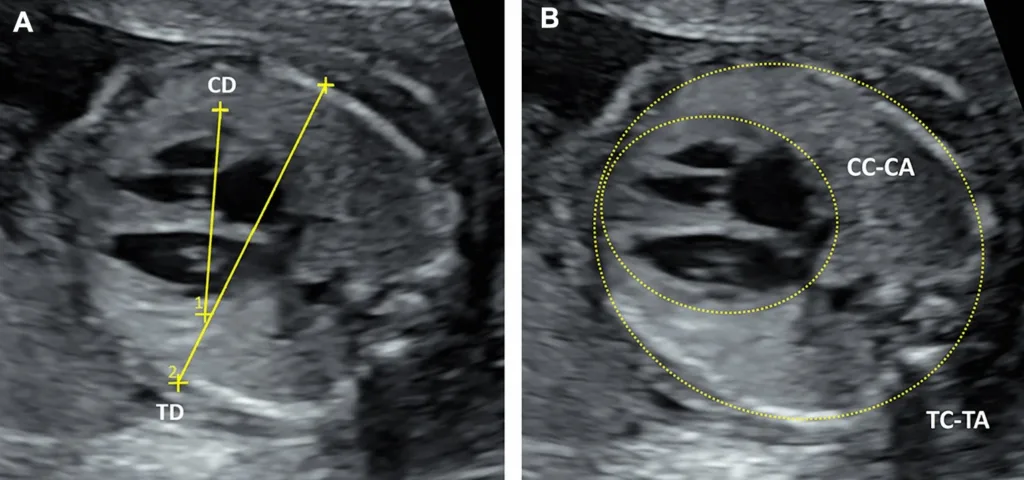
Doctors take various measurements to monitor the baby’s development during ultrasound checks. These measurements are used to determine how big or small the baby is based on the gestational age. Here are the commonly used measurement methods:
- Head circumference: The head size is monitored by measuring the circumference of the baby’s head.
- Abdominal circumference: Information about the growth of the baby’s abdomen is obtained by measuring the circumference of the abdomen.
- Femoral length: The overall body size is determined by measuring the length of the baby’s femur.
These measurements are compared with fetal growth charts and the baby’s development is followed. If the baby’s measurements are consistently small compared to the gestational age, doctors closely monitor the situation and take the necessary precautions.
When Should You Be Worried?
Just because your baby is behind his week doesn’t always mean there’s a serious problem. However, in some cases, it may be necessary to closely monitor this situation and perform additional tests. Especially if there is a suspicion of developmental delay (IUGR), your doctor will closely monitor the baby’s health by performing more frequent check-ups and ultrasounds. In this case, the amount of amniotic fluid, the baby’s movements and heartbeat are also checked regularly.
Tests recommended by your doctor may include:
- Doppler ultrasound: Measures blood flow in the placenta and checks if the baby has enough oxygen and nutrients.
- NST (Non-stress test): Monitors the baby’s heartbeat and general health status.

What can you do if the baby is behind his week?
If your baby is being measured behind the week, it’s important to follow your doctor’s recommendations and be vigilant to maintain a healthy pregnancy. Here are some things to look out for:
1. Healthy Eating
It’s important to follow a balanced and nutritious diet to support your baby’s development. Consuming foods rich in protein, vitamins, and minerals can help the baby grow up healthy.
2. Avoiding Smoking and Alcohol Consumption
Smoking and alcohol can adversely affect the development of the baby. These harmful substances can reduce blood flow in the placenta, causing the baby to not be adequately fed.
3. Regular Doctor Check-Ups
It is very important to attend all the appointments recommended by your doctor and to closely monitor your baby’s growth. If there is a situation where the baby is behind the week during pregnancy , your doctor will monitor this situation and give you appropriate measures and recommendations.
The fact that the baby is behind the week during pregnancy does not always mean that there is a serious problem, but it is important to continue the doctor’s check-ups to closely monitor the baby’s development. If your baby’s development is slow, your doctor will manage the condition with the necessary tests and precautions and help you maintain a healthy pregnancy.
Also read: Baby ahead of week
Source: Littl Data