Does the baby in the womb taste it?
Does the baby in the womb taste it? It would be great if there was a way to influence the tastes that the baby will love after birth while in the womb before he is born, right? Imagine a child who eats whatever you give him without whining. In this article, we will talk about the development of the baby’s sense of taste in the womb.
The tastes that babies will like are determined by genetic codes. However, environmental factors also have an effect. Babies’ taste buds begin to develop during the first trimester of pregnancy, and in a way, they can taste in the womb because the molecules of the food you eat pass through your bloodstream and into the amniotic fluid. The foods you eat while pregnant can even affect your child’s sense of taste and food preferences when they grow up.
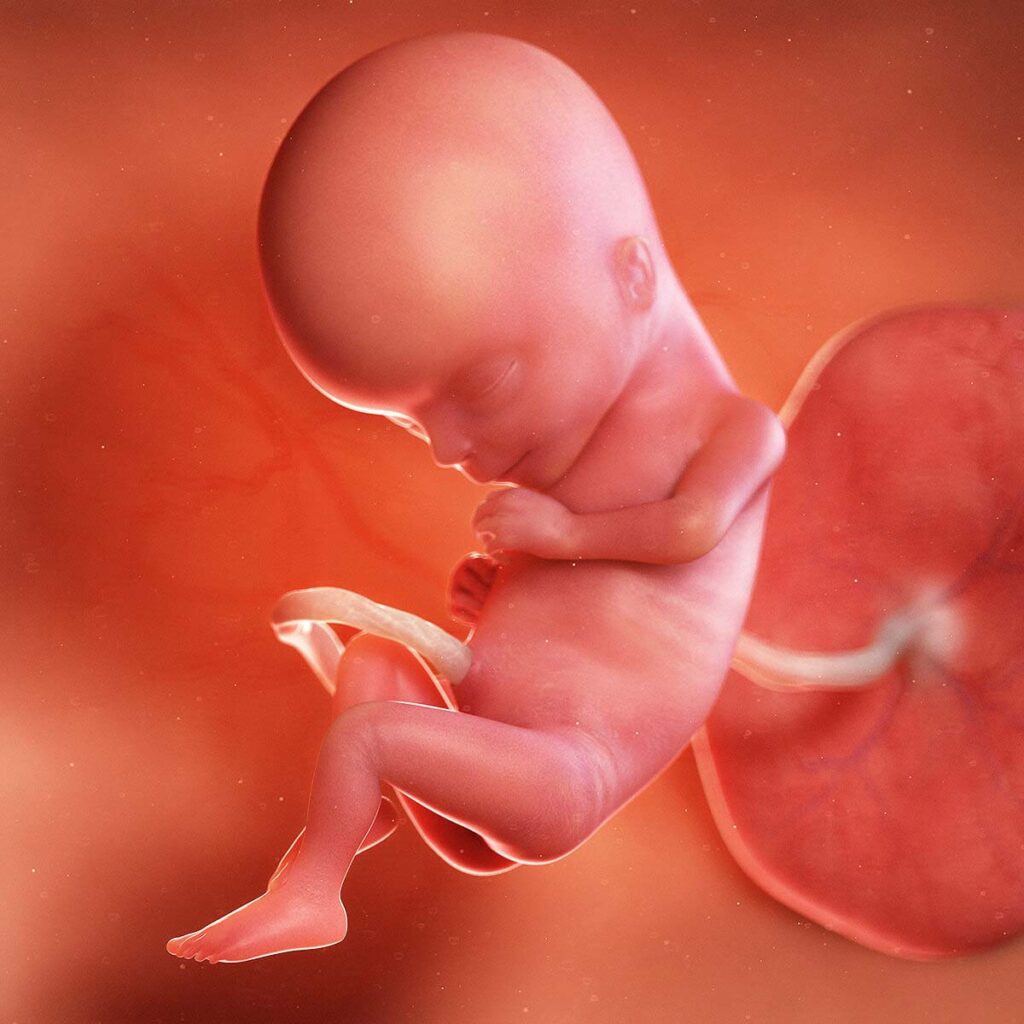
The development of the baby’s sense of taste in the womb
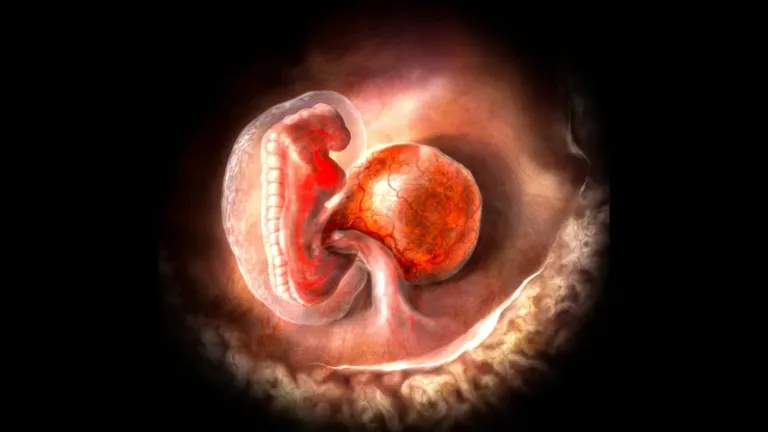
Your baby’s tongue begins to take shape as early as 4 to 5 weeks of pregnancy. Primitive taste buds appear at week 8 and develop much more between weeks 11 and 13, but they are not yet able to transmit their true taste sensations to the brain. Babies’ full understanding of their sense of taste is the 14th day of pregnancy – At 15 weeks Develops.
By about 30 weeks of age, most of your baby’s taste buds — and their neural connections — are fully formed and functioning.
| Week | Development of the sense of taste |
|---|---|
| 4-5 weeks | The roof of the tongue and mouth (palate) begins to form. |
| 8 weeks | Primitive taste buds appear. |
| 14-15 weeks | Nerves from taste buds begin to connect to the brain. |
| 30 weeks | Many taste buds can transmit taste signals to the brain. |
| Birth | Your baby can taste sweet, sour, and bitter tastes. Reactions to salty foods appear later, usually at 6 months. |
Does the baby in the womb taste it?
In a way, yes, babies can taste in the womb. The molecules of the food you eat pass through your bloodstream into the amniotic fluid. What you eat is transmitted to the amniotic fluid in the womb and to breast milk after birth, so breastfed babies get more of a variety of flavors.
The senses of smell and taste are very closely linked. Taste buds allow us to tell if something is sweet or bitter, salty or sour, but smell helps us identify the specific flavor of the food. The special cells your baby needs for his sense of smell begin to develop around 9 to 11 weeks of pregnancy.
If you’re craving a spicy adana kebab and you’re smearing hot sauce on everything, don’t worry. Although your baby can perceive some flavors and smells, there is no evidence that spicy foods can harm your baby. (However, it can bother you : Hot and spicy foods can exacerbate nausea and heartburn , a common complaint during pregnancy.)
At birth, your baby’s new taste buds are very sensitive and can taste sweet, sour, and bitter. Babies universally prefer sweet, which is one reason they love the taste of your breast milk. Your baby probably won’t be able to detect salty flavors until he’s between 2 and 6 months old.
Can it be effective in determining the flavors that the baby will like?
Can what you eat during pregnancy affect the flavors your baby will enjoy later in life? Some research says yes. In a small study of pregnant women, those who drank carrot juice during the last weeks of pregnancy and while breastfeeding had babies who preferred carrot-flavored cereal over plain grain at 6 months of age.
Experiments were also conducted with garlic, anise (a licorice-flavored spice), mint, and vanilla. It has been observed that babies who are exposed to these flavors in the womb tend to prefer these flavors in both breast milk and solid foods.
What you need to do for the development of the baby’s sense of taste
The foods you eat during your pregnancy can affect your baby’s sense of taste and what flavors your child prefers later in life. But don’t stress too much about it (morning sickness and aversion to food can disrupt your typical eating pattern). Do your best to eat as varied and healthy as possible during pregnancy. Doing so will also help you get plenty of vitamins and minerals that are essential for your baby’s health. The six most important nutrients for your baby’s development during pregnancy are:
- Folic acid
- Iron
- Calcium
- Vitamin D
- Omega 3
- Iodine
Take your prenatal vitamin every day and talk to your doctor about whether you’re getting enough of these essential nutrients for your baby’s growth. And finally, do not forget about the basic food safety rules for pregnancy. For example, you should not eat soft-boiled eggs or unpasteurized cheese and cut back on caffeine.