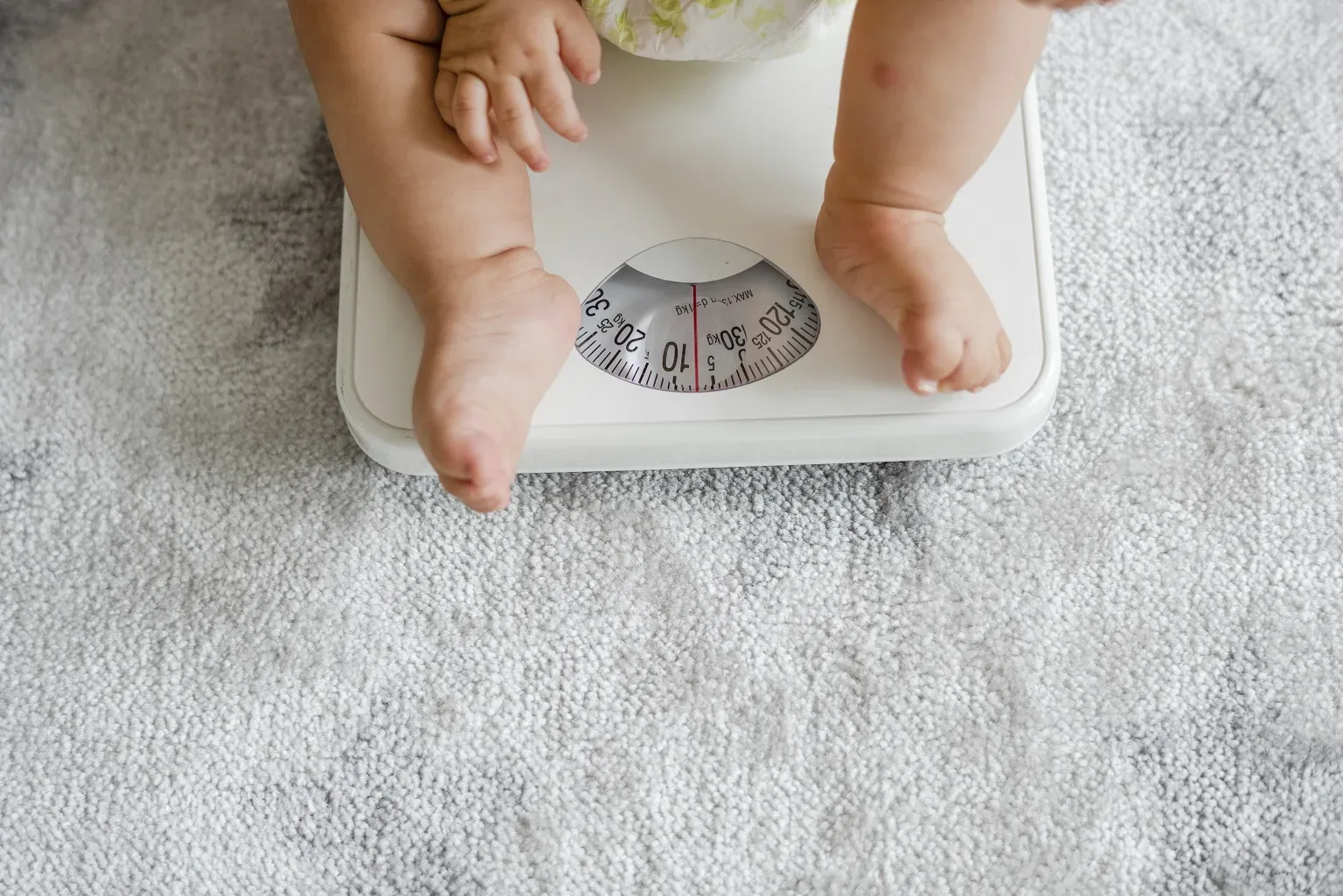
Baby’s Birth Weight
When a baby is born, one of the first questions we hear is usually “How much weight was born?” However, behind this question lies not only a curiosity, but also a clue to the overall health of babies. So, why is the baby’s birth weight so important?
Why is the Baby’s Birth Weight Important?
The First Indicator of Healthy Development
- The birth weight of babies is an indicator of how well the fetus is fed in the womb.
- A birth weight in the normal range indicates that the risk factors for the baby are low.
- Babies with low birth weight may be at risk for certain health problems.
Nutrition and Growth Monitoring
- The baby’s birth weight is monitored in the following weeks and months, using it as a starting point to see if the baby is growing healthily.
- Rapid weight loss in the first few weeks may indicate nutritional problems.
How do we know what’s normal in a baby’s birth weight?
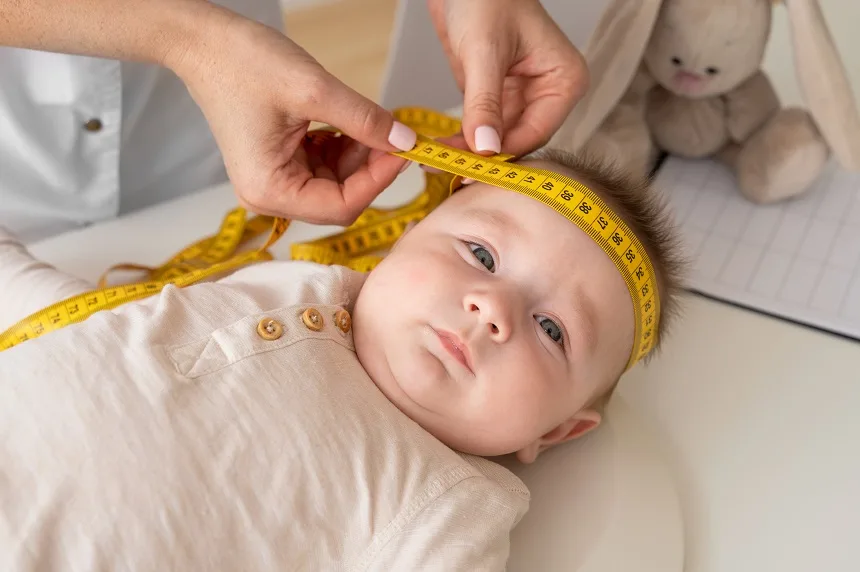
Average Birth Weight
- Usually, the average birth weight of babies in the term varies between 2.5 – 4 kg.
- However, average values are only a guide, and each baby is individual.
Birth Timing and Weight
- Babies born prematurely are usually lighter than babies born on the term.
- Babies born late may weigh a little more.
What are the Factors Affecting the Baby’s Birth Weight?
There are many factors that affect the birth weight of the baby. These factors can vary in a wide range, from genetics to the mother’s lifestyle to the health problems experienced during pregnancy. Here are some of the main factors that affect a baby’s birth weight:
- Genetics: Parents’ own birth weights and the birth weights of other members of the family are important factors affecting the birth weight of the baby.
- Mother’s Eating Habits: Adequate and balanced nutrition of the expectant mother can help the baby to be born at a healthy weight. Adequate intake of nutrients such as protein, iron, calcium and folic acid is especially important.
- Mother’s General Health: Chronic or acute health problems, such as diabetes, high blood pressure, and certain infections, can affect a baby’s birth weight.
- Smoking and Alcohol Use: Smoking and alcohol use during pregnancy can increase the risk of a low-birthweight baby.
- Drugs and Exposure to Toxins: Some medications and toxins can have a negative effect on the baby’s birth weight. It is important to consult a doctor about the use of drugs during pregnancy.
- Multiple Pregnancy: In mothers carrying twins or more babies, the birth weight of the babies may often be lower than in single pregnancies.
- Mother’s Age: Women who become pregnant at a young age or at an advanced age (over 35 years old) may have a higher risk of a low-birth weight baby.
- Stress: Intense stress during pregnancy can affect the birth weight of the baby. Stress can indirectly harm the baby by negatively affecting the mother’s nutrition, sleep patterns, and overall health.
- Complications in Pregnancy: Preeclampsia, placenta problems, or other complications that affect the baby’s nutrition can lower birth weight.
- Duration of pregnancy: Babies born prematurely (preterm birth) are usually lighter than full-term babies.
- Mother’s Physical Activity: Excessive physical activity or insufficient activity can also affect birth weight. It is important to maintain a balanced level of activity.
These factors may differ for each individual and each pregnancy. Listening to the doctor’s advice and not neglecting regular check-ups during pregnancy can help the baby be born at a healthy weight.
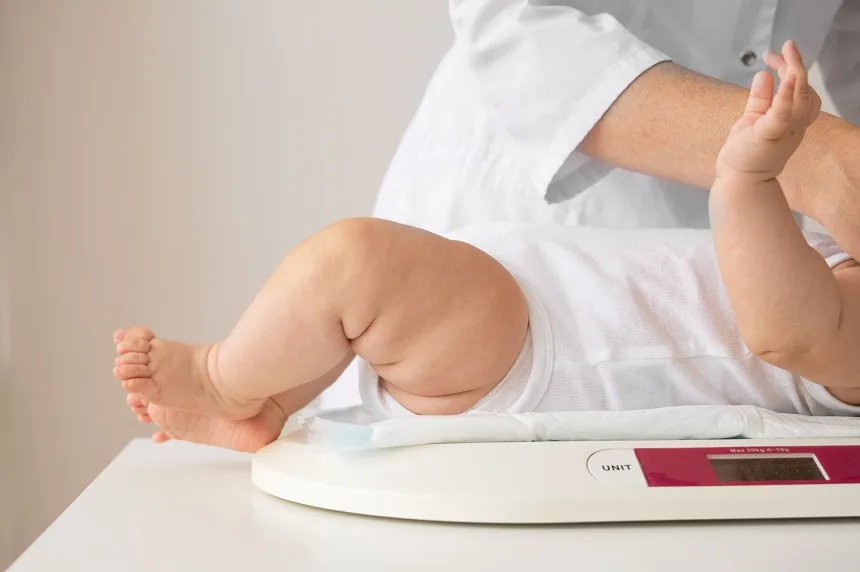
The birth weight of the baby is important for both mothers and babies, but it is only an indicator. To best support your baby’s health and development, it’s essential to keep in touch with your doctor regularly and follow his or her recommendations. Remember, every baby is unique and comes with its own story. And your baby’s story just begins with his birth weight.
Frequently Asked Questions
Does the birth weight of the baby affect the weight of the baby in later years?
The birth weight of the baby does not give precise information about the weight in later years. However, babies with a very low or high birth weight may have an increased risk of certain health problems.
My baby was born below/above average weight, should I be worried?
Each baby is individual, and birth weight is just one factor. The main thing is to monitor the baby’s health in general and follow your doctor’s recommendations.
Does stress really affect a baby’s birth weight?
Yes, intense stress can affect a baby’s birth weight. Stress hormones can enter the mother’s bloodstream and reach the baby through the placenta, which can affect the baby’s development and weight.
Does exercising during pregnancy affect the baby’s weight?
Physical activity that is balanced and in line with the doctor’s advice is beneficial for the health of both the mother and the baby. However, overdoing it can affect the baby’s weight.
In my first pregnancy, I gave birth to a low-weight baby. Will I face the same situation in my second pregnancy?
Every pregnancy is different. However, if you have previously given birth to a low-weight baby, you should keep in close communication with your doctor, considering that there may be a similar risk in your second pregnancy.
Photos: Freepik