Eating🌱 Germ During Pregnancy
Pregnancy is a time when you need to pay more attention to your health as you start a new chapter in your life. Well, have you ever thought of including the idea of “eating germ during pregnancy” in your nutrition routine during this special period?
Germ is the embryonic part of wheat and contains a lot of nutrients and provides significant benefits to you and your baby during pregnancy. In this blog post, we’ll talk about the benefits of consuming germs during pregnancy and the things to look out for, so you can make the most of the potential of this superfood.
Wheat germ (Germ) is rich in folic acid, which is an important factor in ensuring that pregnant women have a healthy baby. Women who have adequate levels of folate in their bodies are greatly less likely to develop neural tube defects and other complications in their children.
Adding wheat germ to pregnant women’s diet can be beneficial in many ways due to its nutrient-rich nature, but its high levels of folic acid make it particularly attractive and popular.
What is Germ? How Is Germ Obtained?
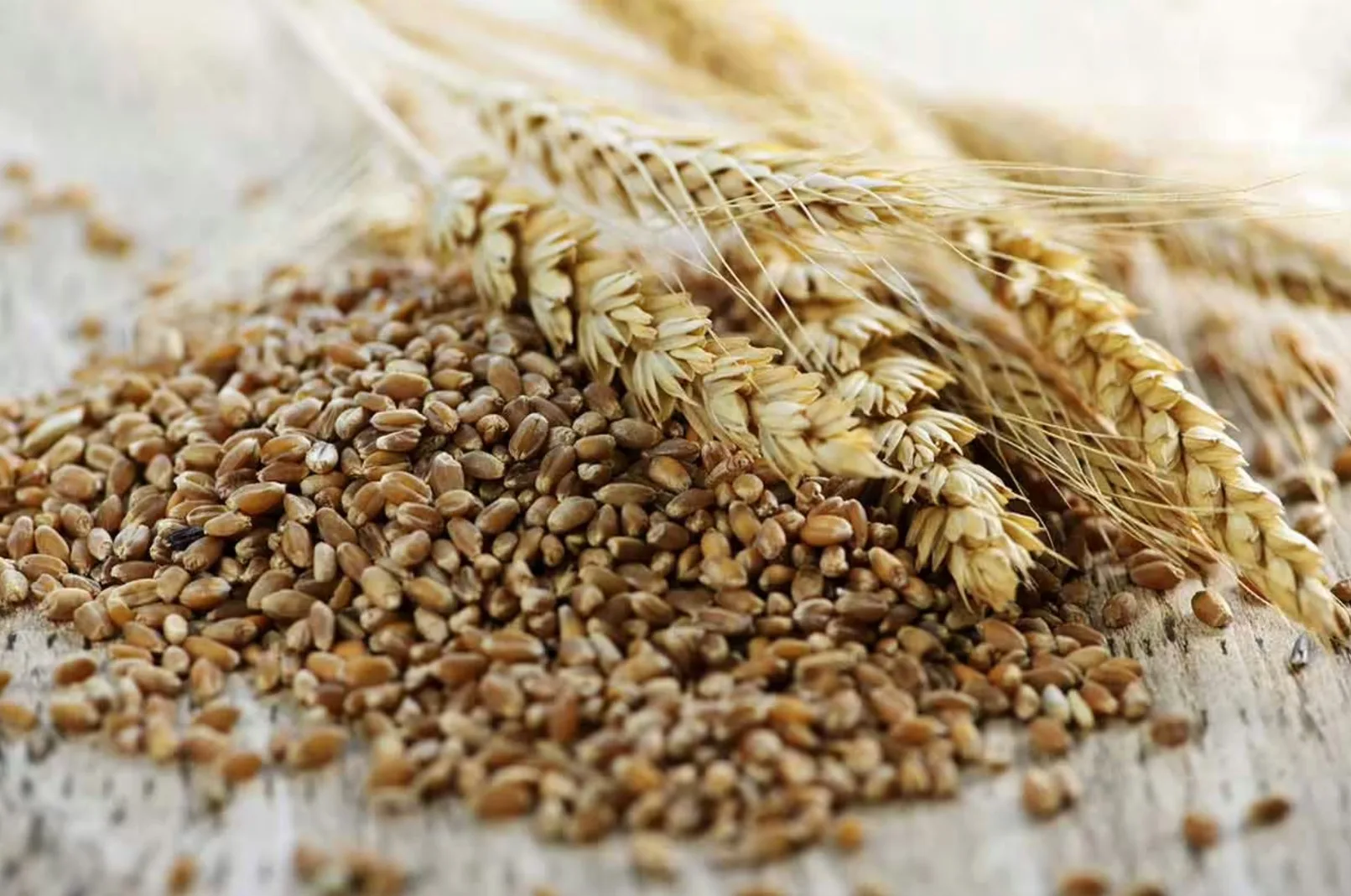
Eating germ during pregnancy makes a unique contribution to your diet. But first, let’s understand what germ is and how it is obtained! Germ is the part of the wheat grain that is at the top and contains the nutrients necessary for the germination of the seed. This tiny seed is usually discarded during the processing of wheat; However, the high content of protein, vitamins and minerals makes it a real treasure trove of nutrients. Germ is especially rich in vitamins B1, B6, folic acid and vitamin E.
Nutritional Values of Germ
28 grams of wheat germ contains about 101 calories, 14.5 grams of carbohydrates, 6.5 grams of protein, 2.7 grams of fat, 3.7 grams of fiber, 3.7 milligrams of manganese, 0.5 grams. milligrams of thiamine, 22.2 micrograms of selenium, 236 milligrams of phosphorus, 3.4 milligrams of zinc, 78.7 micrograms of folate. Wheat germ also contains 0.4 milligrams of vitamin B6, 66.9 milligrams of magnesium, 0.2 milligrams of copper, 1.9 milligrams of niacin, 1.8 milligrams of iron, 0.1 milligrams of riboflavin, 250 milligrams of potassium, and 0.6 milligrams of pantothenic acid. (Source: lybrate)
Why is it beneficial to eat germ during pregnancy? 🍽️✨
Consuming germ during pregnancy is like a nutritional supplement and can support the health of both you and your baby during this special period. Here are the superpowers of germ in pregnancy:
- Rich Nutrient Content: Germ is very rich in vitamin E, B vitamins (especially B6 and folic acid) and fiber. These nutrients help keep both you and your baby healthy during pregnancy. Folic acid, in particular, plays a critical role in preventing neural tube defects in infants.
- Digestive System Support: Thanks to its high fiber content, eating germ during pregnancy helps regulate the digestive system. This can help prevent problems such as constipation, which is common during pregnancy.
- Energizes: Fatigue during pregnancy is quite common. Thanks to the healthy carbohydrates it contains, germ provides you with a natural source of energy. So you can feel more energetic throughout the day.
- Regulates Blood Sugar: Germ helps balance blood sugar. This can protect against sudden drops and spikes in sugar, especially during pregnancy.
- Wheat germ helps strengthen the immune system.
- It helps improve cardiovascular health.
- It helps prevent cancer.
- It has anti-aging properties.
- It helps improve cellular metabolism.
- It helps to increase muscle health.
- It helps to gain weight.
- It provides a natural solution to healthy and bright skin.
Things to Consider When Consuming Germ During Pregnancy 🚨🤰
Although consuming germ during pregnancy provides many benefits, you need to pay attention to some important points when adding this superfood to your diet. Here are some things to consider when consuming germ during pregnancy:
- Gluten Content: Germ naturally contains gluten. If you have celiac disease or gluten intolerance, consuming germ may not be suitable for you. People with gluten sensitivity should prefer alternative gluten-free food sources instead of germ.
- Allergy and Sensitivity: Like any new food, germ can cause allergic reactions. Before incorporating germ into your diet, start with small amounts and observe your body’s response. If you observe any adverse reactions, discontinue its use and consult a healthcare professional.
- Correct Quantity and Consumption Method: It is important to pay attention to the amount when consuming germ during pregnancy. Excessive consumption can lead to an unbalanced intake of certain nutrients and potential health problems. You can consume it in a balanced way by adding it to your yogurt, smoothies or salads.
- Medical Conditions: If you have special medical conditions (for example, gestational diabetes), germ consumption can have an effect on your blood sugar. If you have any chronic health conditions, talk to your doctor about your dietary changes, including germ.
- Fresh and Quality Product Selection: When buying germ, pay attention to the freshness and quality of the product. If possible, choose organic and unprocessed germ. Make sure that the product is properly maintained under storage conditions so that it can retain its nutritional value.
🌟 In conclusion, eating germ during pregnancy can provide many benefits, but it’s important to always be cautious and seek the opinion of health professionals when necessary.
Effects of Germ on Pregnancy Diet 🌾🤰
Consuming germ during pregnancy can make a very positive contribution to your diet. Let’s take a closer look at the effects of this natural dietary supplement on the pregnancy diet:
- Increasing Nutritional Value: Germ attracts attention with its high nutritional value. It is an excellent option to meet the increased need for vitamins and minerals during pregnancy. In particular, it is rich in folic acid, iron, zinc, magnesium, and B vitamins. These nutrients are critical for the healthy development of the baby.
- Supporting the Energy Level: Energy levels can fluctuate during pregnancy. Thanks to the healthy carbohydrates and B vitamins it contains, germ supports the energy level in a natural way. This helps you feel more vigorous throughout the day.
- Improving Digestive Health: With its high fiber content, germ is good for digestive problems that are common during pregnancy. It helps prevent ailments such as constipation and regulates the digestive system.
- Regulation of Blood Sugar: Eating germ during pregnancy can help balance blood sugar. Thanks to slow-digesting carbs, blood sugar levels remain more stable, which can reduce sudden hunger pangs and cravings.
- Improving General Health and Well-Being: Thanks to the antioxidants it contains, it supports general health and well-being. Antioxidants protect the health of both mother and baby by combating oxidative stress that can increase during pregnancy.
🌟 Eating germs during pregnancy can make valuable contributions to your diet in these and many other ways. However, like any nutrient, it’s important to include germ in your diet in a balanced way. By following the recommended amounts and consumption patterns, you will best support the health of both you and your baby.
Recipes Containing Germ: Delicious Options for Pregnancy 🍴✨
If you are looking for delicious and nutritious recipes to eat germ during pregnancy, here are easy and practical options for you! Germ can be used in a variety of dishes and adds an extra nutritional value to every meal. Here are a few recipes you can try:
Germ Smoothie:
- Ingredients: 1 banana, 1 glass of fresh blueberries, 1 tablespoon of germ, 1 glass of kefir or yogurt.
- Preparation: Mix all the ingredients well in a blender. A breakfast alternative that is both energizing and nutritious!
Germ Porridge:
- Ingredients: 1/2 cup of oats, 1 glass of milk or water, 1 tablespoon of germ, honey and seasonal fruits.
- Preparation: Cook the oats with milk, remove from the stove and add germ. You can sweeten it with honey and fruits.
Germ Muffin:
- Ingredients: 2 cups of whole wheat flour, 1 tablespoon of germ, 1/2 cup of sugar, 1 glass of milk, 1 egg, 1/2 cup of vegetable oil, 1 packet of baking powder.
- Preparation: Mix the dry ingredients in a bowl. In a separate bowl, whisk together the wet ingredients and mix with the dry ingredients. Pour the mixture into muffin tins and bake for 20-25 minutes at 180 degrees.
Germ Salad Top:
- Preparation: Sprinkle a teaspoon of germ on top of any of your salads and add extra nutrition and a light touch.
These recipes offer both practical and delicious ways to eat germ during pregnancy. Germ is a nutritious superfood that you can easily add to your meals. In each recipe, in order to take full advantage of the nutritional values of the germ, prefer to add it in the final steps, which do not need to be heat treated. Enjoy your meal! 🥣🥗
Resources: