Hand and Foot Care During Pregnancy
Hand and foot care during pregnancy is a vital part of the journey, offering more than just a touch of beauty; it is a way to honor the two parts of your body that carry the heaviest load during these nine months. As your pregnancy progresses, increasing body weight puts immense pressure on your feet, while shifting hormones can lead to dry skin on your hands and newfound sensitivity in your nails. In this guide, we have gathered everything you need—from practical tips to soothe swollen ankles and DIY natural masks for dry hands, to the golden rules of safe manicures and strategies for managing edema. If you find yourself looking in the mirror or feeling your feet practically begging for a break at the end of the day, this heartfelt and comprehensive guide is written just for you.
Hand and foot care during pregnancy
Pregnancy is truly a journey filled with wonders, but it is also a time when every part of your body is working overtime to adapt to change. Your hands and feet often bear the brunt of these shifts. With blood volume increasing by nearly 50% and your body’s natural tendency to retain water, you might notice your rings getting tighter or your shoes feeling a bit snug by the end of the day. Hand and foot care during pregnancy is about so much more than just picking a pretty polish color; it is about protecting your skin’s elasticity, maintaining circulation, and minimizing the discomfort that comes with swelling.
The Heavy Lift: Why Your Feet Need Extra Love
During pregnancy, your center of gravity shifts forward as your belly grows. This change often alters your posture and significantly increases the pressure on the arches of your feet. Additionally, your body releases a hormone called “relaxin,” which is designed to loosen the ligaments in your pelvis to prepare for birth. However, relaxin doesn’t just target your hips; it affects the ligaments in your feet too. This is exactly why many women find that their shoe size increases during pregnancy. It isn’t that your bones are growing—it’s that your ligaments are relaxing, causing your feet to spread.
To protect your foot health, the first and most important rule is choosing the right footwear. While flat ballet flats might seem easy, they often lack the arch support needed to prevent heel pain. On the other hand, high heels can throw off your already shifting balance and strain your lower back. The “sweet spot” is a shoe with a low, stable heel (about an inch), orthopedic support, and a soft, breathable material. When you get home, make it a habit to elevate your feet above the level of your heart for at least 20 minutes. This simple act helps gravity move fluid away from your ankles and reduces that heavy, throbbing sensation.
Hand Sensitivity and Nail Changes
Your hands are just as deserving of tenderness during this time. Some moms-to-be find that their nails grow faster and stronger than ever thanks to prenatal vitamins and hormones, while others deal with nails that peel like paper or break constantly. This is one of those “pregnancy surprises” dictated by your unique hormone profile. If your nails are feeling fragile, keep them trimmed short to prevent snagging and spend a few minutes each night massaging natural oils—like sweet almond or coconut oil—into your cuticles.
Dryness is another common concern. Pregnancy can cause the skin to lose moisture more rapidly, and if you are frequently washing your hands or facing cold weather, you might notice cracking or itching on the backs of your hands. Keep a paraben-free, natural hand cream in your bag at all times to lock in moisture after every wash. You might also experience a “pins and needles” sensation or numbness in your hands. Often called Carpal Tunnel Syndrome of pregnancy, this is caused by fluid retention pressing on the nerves in your wrists. It usually fades after delivery, but in the meantime, try to avoid repetitive wrist motions and give your hands plenty of rest.
The Secrets to a Safe Manicure and Pedicure
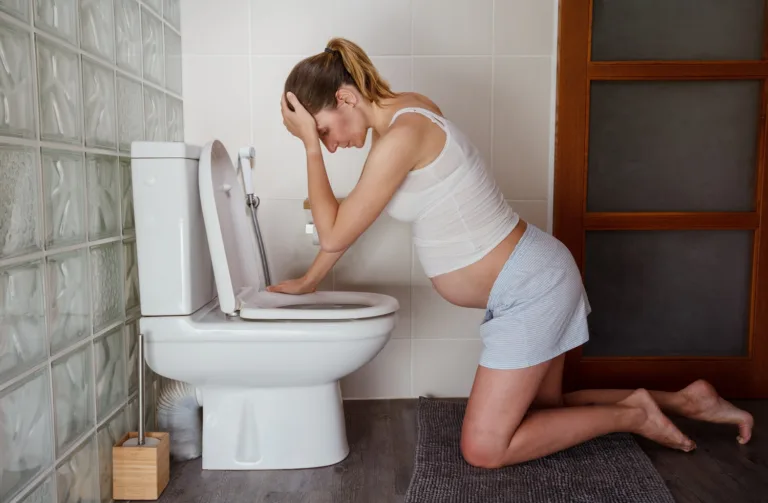
A common question every expectant mother asks is, “Can I still go to the salon?” The answer is a resounding yes, but with a few mindful adjustments. Because your immune system is more sensitive during pregnancy, hygiene is more important than ever. Ensure the salon you visit is very well-ventilated; the smell of nail polish and remover can trigger morning sickness or headaches, and it’s best not to breathe in those fumes for long periods.
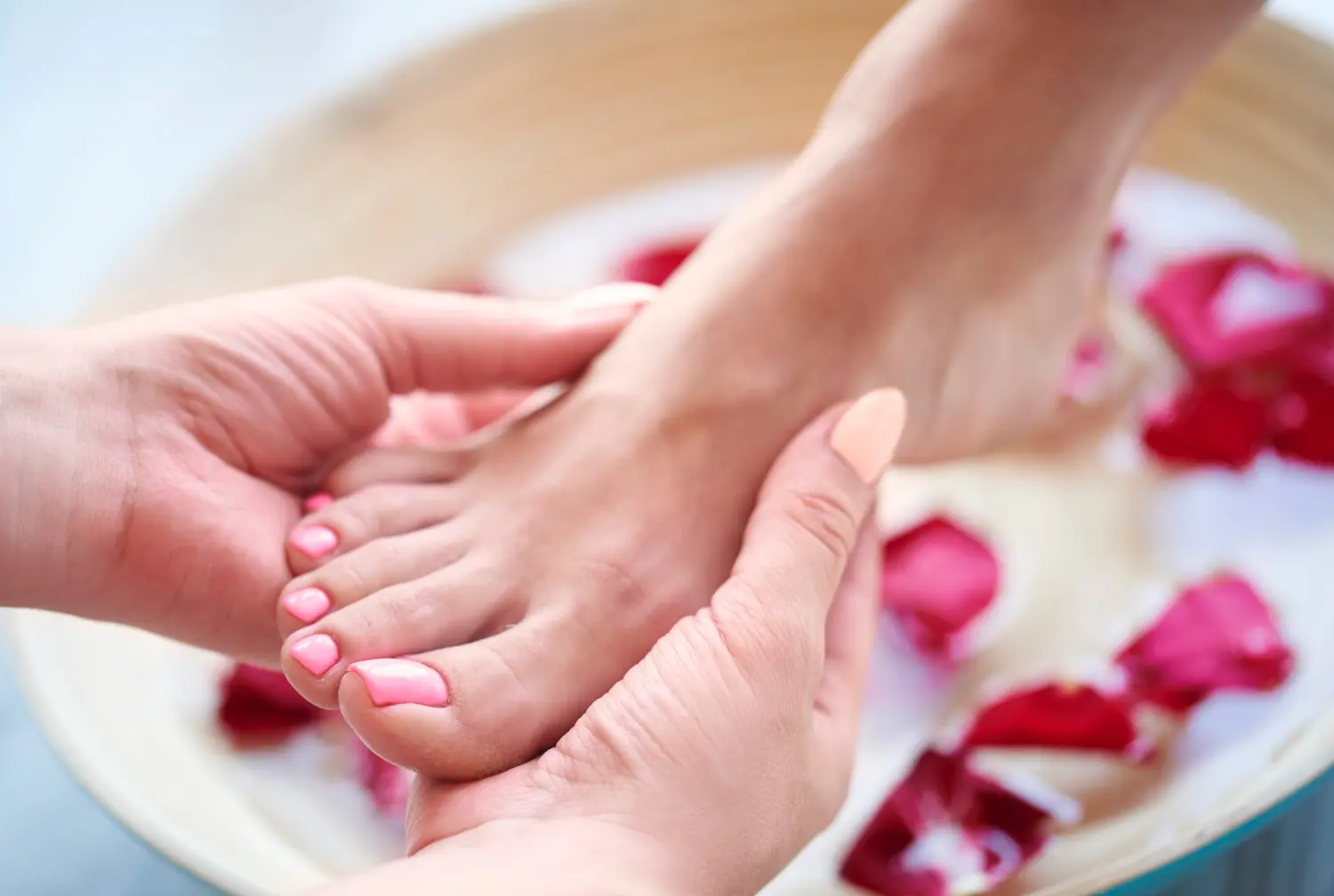
The safest way to enjoy a spa day is to bring your own manicure and pedicure kit. This eliminates any risk of infection or fungus from shared tools. When choosing a polish, look for “3-free,” “5-free,” or even “10-free” labels. these products are formulated without harsh chemicals like toluene, formaldehyde, and phthalates. During your pedicure, be sure to tell the technician you are pregnant; they should avoid deep pressure on the area around your ankles, as certain reflexology points are thought to be linked to uterine contractions.
Relaxing DIY Care Recipes for Home
If you don’t have the energy to head to a salon, you can create a wonderful spa experience right in your kitchen. These two favorite recipes are both safe and incredibly effective for pregnancy-related discomforts:
Soothing Magnesium (Epsom Salt) Foot Soak
This soak is a lifesaver for swollen ankles and aching arches at the end of a long day. Epsom salt is rich in magnesium, which can be absorbed through the skin to help reduce swelling and ease leg cramps.
- Ingredients: 1 basin of warm water, 1/2 cup of Epsom salt, 2 drops of lavender essential oil (for relaxation).
- Instructions: Soak your feet in this mixture for about 15–20 minutes. As the water begins to cool, remove your feet and pat them dry gently. The salt works to draw out excess fluid while the lavender helps melt away the stress of the day.
Anti-Cracking Hand and Foot Mask
This mask is perfect for fighting pregnancy-induced dryness and leaving your skin feeling like velvet.
- Ingredients: 1 tablespoon of cold-pressed coconut oil, 1 teaspoon of raw honey.
- Instructions: Mix the two ingredients in a small bowl. Massage the mixture into your hands and especially your heels. Put on a pair of clean cotton gloves or socks and leave the mask on for at least 30 minutes. If you have the time, sleeping with this mask on (covered by socks/gloves) will lead to incredibly soft skin by morning.
When to Consult Your Doctor
While most hand and foot changes are normal, sometimes your body uses these areas to send a distress signal. It is always best to share any unusual symptoms with your healthcare provider.
If you notice sudden, severe swelling in your hands and face—especially if it is present first thing in the morning—this can be a sign of preeclampsia. Additionally, if you experience intense itching on the palms of your hands and the soles of your feet without a rash, particularly at night, this could indicate a liver-related condition called pregnancy cholestasis. Finally, if only one leg or foot is significantly more swollen, red, or warm to the touch than the other, seek medical advice immediately to rule out a blood clot (DVT). Taking care of yourself means knowing when to ask for a professional opinion.
Frequently Asked Questions
Here are the most common questions moms-to-be search for regarding hand and foot care:
Is it safe to wear nail polish during pregnancy? There is no evidence that wearing nail polish harms the baby. Absorption through the nail is negligible. However, to be extra safe, apply polish in a well-ventilated area to avoid inhaling fumes and choose brands that are free from toluene and formaldehyde.
What is the best way to reduce foot swelling during pregnancy? To manage edema, drink plenty of water, reduce your salt intake, elevate your feet whenever possible, and avoid standing or sitting in one position for too long. Gentle walks also help keep your circulation moving.
Can I get a professional pedicure while pregnant? Yes, as long as the salon is clean and well-ventilated. Bringing your own tools is a great way to ensure hygiene, and you should ask the technician to avoid deep tissue massage on your ankles.
Why do my feet seem to get bigger during pregnancy? The hormone relaxin loosens the ligaments in your feet, and the extra weight can cause the arches to flatten slightly. Combined with swelling, this can result in your feet becoming half a size or a full size larger.
Is foot pain normal during pregnancy? Yes, it is common due to weight gain and the shifting of your center of gravity. Wearing supportive, orthopedic shoes can significantly reduce this discomfort.