Acne Formation During Pregnancy
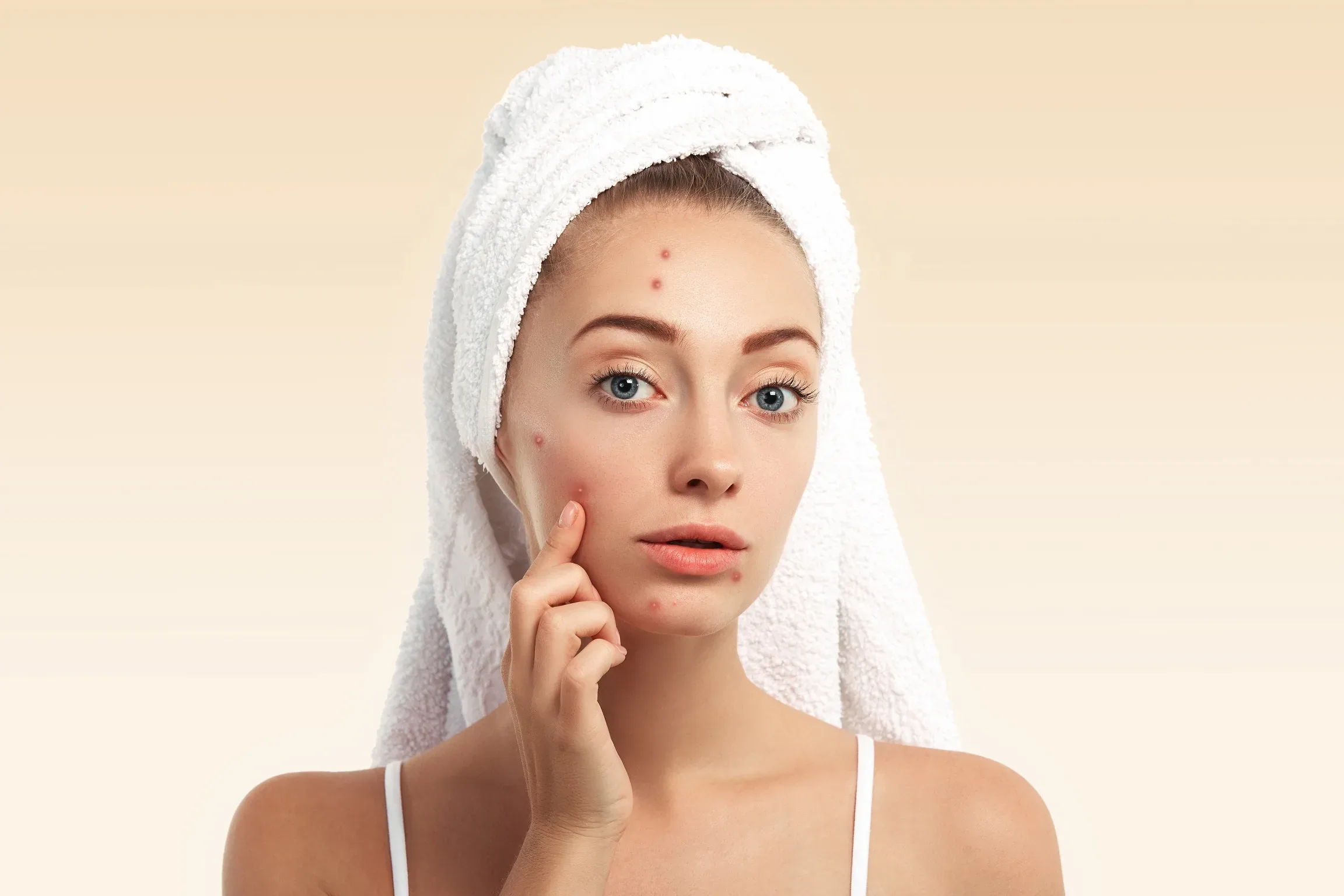
Pregnancy is one of the most special periods in a woman’s life. However, hormonal changes specific to this period can cause many skin problems. The issue of “acne during pregnancy” is one of these skin problems. In this article, you will find the causes of acne formation during pregnancy, how you can deal with these acne, and answers to frequently asked questions about it.
What Causes Acne During Pregnancy?
Hormonal Changes: During pregnancy, many hormonal changes occur in the body. In particular, an increase in the hormone progesterone can cause the sebaceous glands to produce more sebum (oil). This triggers the formation of acne on the skin.
Circulation Increase: During pregnancy, blood circulation increases. While this can make the skin look brighter, it can also lead to oily skin, which makes it easier to form acne.
How to Deal with Acne During Pregnancy?
Cleaning: The skin comes into contact with dust, dirt and oil during the day. That’s why it’s important to gently cleanse your skin every day. Washing your face twice a day, in the morning and in the evening, can prevent acne breakouts.
Product Selection: It should not be forgotten that the products to be used in the fight against acne formation during pregnancy must be safe for pregnancy. Choose hypoallergenic products that do not contain alcohol and parabens.
Water Consumption: Adequate water consumption keeps your skin hydrated and helps flush out toxins. Take care to drink at least 8 glasses of water a day.
When does acne start to appear during pregnancy?
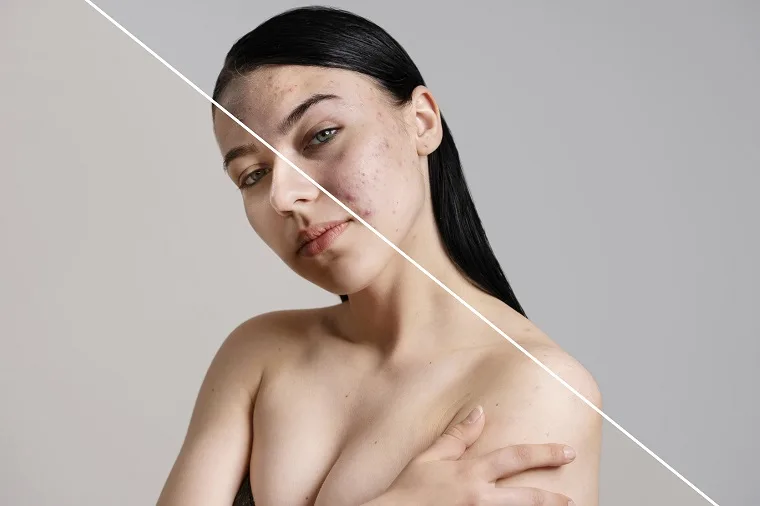
The formation of acne during pregnancy occurs due to hormonal changes, and these changes are specific to the first trimester of pregnancy, that is, the first trimester. However, the increased hormone progesterone from the first weeks of pregnancy can cause the sebaceous glands to produce more sebum (oil). This can trigger acne formation on the skin.
However, every woman’s experience of pregnancy is different, and acne formation may vary from woman to woman. Some women may experience acne problems in the first weeks of pregnancy, while for others this may not be the case in the later months or at all. In addition, some women do not experience any changes in their skin during their pregnancy, while others may experience brighter or oilier skin.
If you have acne problems during pregnancy, you need to be careful when choosing your skin care products. Because some products may not be suitable for use during pregnancy. Therefore, it is important to consult your dermatologist or obstetrician before using a product.
Frequently asked questions about Acne During Pregnancy
Will acne formation during pregnancy harm my baby?
No, acne formation does not directly harm your baby. However, you should check whether the skin care products you will use are safe for pregnancy.
What products can I use to treat acne during pregnancy?
You should make sure that your skin care products do not contain alcohol, parabens and chemicals. If you have any doubts, it’s best to consult your dermatologist.
Will my acne go away after my pregnancy is over?
In many women, the problem of acne decreases as hormonal levels return to normal after pregnancy. However, this can vary from person to person.
Is there a gender relationship with acne during pregnancy?
It’s going to be a very short answer, but no, there isn’t.
Acne Treatment During Pregnancy
The use of medications to treat acne during pregnancy may harbor potential risks for the baby’s health. Therefore, before choosing any medication or treatment method, you should definitely consult a dermatologist or obstetrician.
Topical Treatments (Applied to the Skin):
- Benzoyl Peroxide: It is often used to treat mild acne. It is generally considered safe to use during pregnancy, but it should not be used without a doctor’s advice.
- Topical Antibiotics: Topical antibiotics, such as clindamycin and erythromycin, are generally considered safe for treating acne in pregnancy.
- AHA (Alpha Hydroxy Acids): It is generally considered safe during pregnancy. They are also known as skin peelers.
What Not to Use:
- Retinoids (such as Tretinoin, Adapalene, Tazarotene): Such drugs should not be used during pregnancy, as they can cause birth defects.
- Oral Retinoids (such as Isotretinoin): Its use during pregnancy is strongly not recommended, as it can cause serious birth defects.
- Salicylic Acid: Oral intake in high doses can cause birth defects. The safety of topical applications is not fully known, so they should not be used without a doctor’s recommendation.
- Oral Antibiotics (such as Tetracycline, Minocycline, Doxycycline): Such antibiotics can cause adverse effects on the fetus.
- Hormone Therapy: Androgen blockers should not be used during pregnancy because they can cause adverse effects on the fetus.
Your doctor will be your best guide to the drugs to be used in the treatment of acne during pregnancy. By sharing your skin changes and concerns with your doctor, it is possible to determine the most suitable treatment method for you. We strongly recommend that you always consult a specialist before starting any treatment.
The formation of acne during pregnancy is a condition that many women face. Hormonal changes experienced during this period can cause acne formation. However, it is possible to deal with these acne with the right skin care routine and product selection. If you are concerned about acne on your skin, it is recommended that you consult a dermatologist.