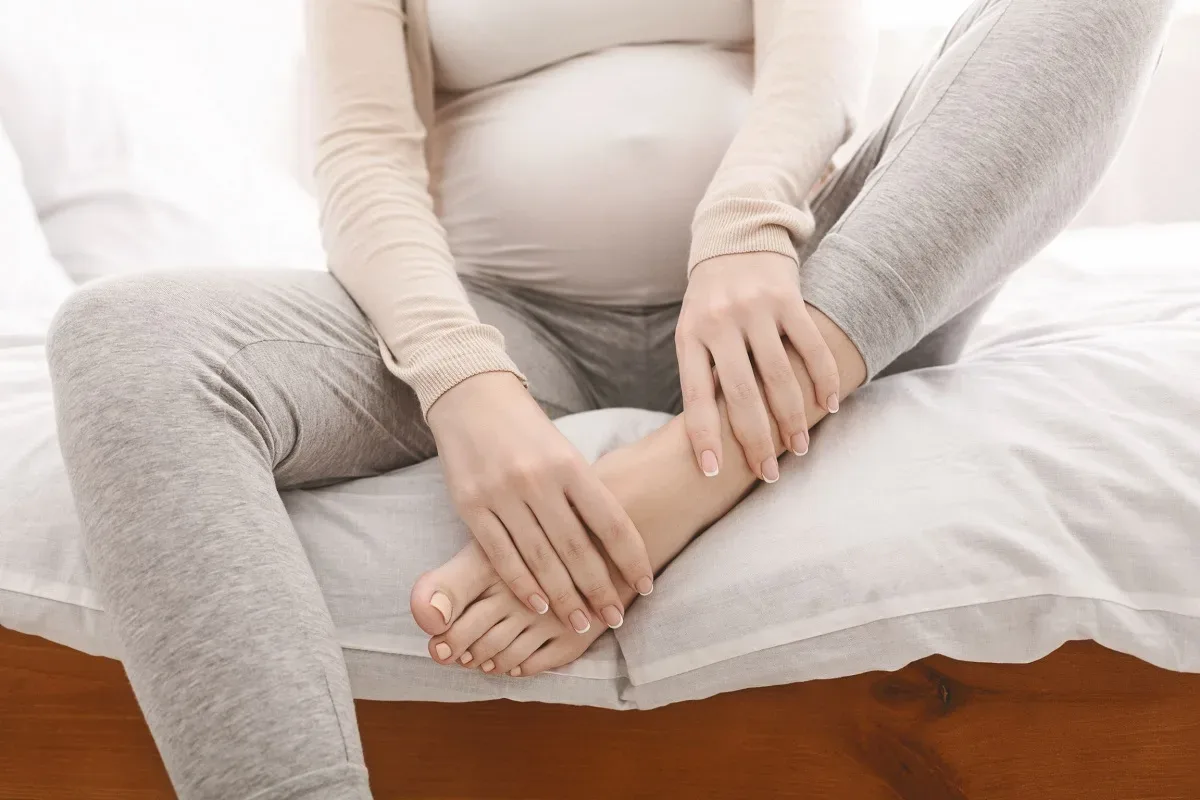
Burning Feet During Pregnancy
Pregnancy is one of the most special and meaningful periods in a woman’s life. However, you may face many physical and emotional changes in the process. “Burning feet during pregnancy” can also be one of these changes. So, what is the cause of this combustion? In this article, you will learn what causes a burning foot during pregnancy, how you can alleviate this condition and when to consult a doctor.
What Causes Burning Feet During Pregnancy?
Causes of burning feet during pregnancy include hormonal changes, changes in blood circulation, and water retention.
- Increase in Hormones: During pregnancy, there is an increase in the amount of hormones produced by the body. These hormone changes can have an effect on the nerves and lead to a burning sensation in the feet in some women.
- Gestational Diabetes: During pregnancy, some women may develop gestational diabetes . This can cause high blood sugar levels and cause nerve damage (neuropathy), causing a burning sensation in the feet.
- Vitamin and Magnesium Deficiency: Certain vitamin and mineral deficiencies, such as vitamin B12, vitamin D , and magnesium deficiency, can damage nerve function, which can lead to a burning and tingling sensation in the feet.
- Hypothyroidism: Insufficient functioning of the thyroid gland causes hypothyroidism. Hypothyroidism can lead to a slowdown of metabolism, causing swelling and a burning sensation in the feet.
- Kidney Disorders: Improper functioning of the kidneys can lead to fluid retention. This can lead to edema and a burning sensation in the feet and legs.
- Flat Foot Formation Due to Weight Gain: Weight gain during pregnancy can cause flattening of the soles of the feet. This, in turn, can lead to increased pressure in the foot and ultimately a burning sensation.
- Athlete’s Foot: During pregnancy, the risk of developing athlete’s foot increases due to changes in the immune system. Athlete’s foot can cause itching, redness, and a burning sensation.
- Edema: During pregnancy, the body’s tendency to retain fluid increases. This can cause swelling, especially in the legs and feet, pressure in this area and therefore a burning sensation.
- Elevation of Blood Pressure: Increased blood pressure during pregnancy (in cases such as preeclampsia) can lead to fluid accumulation in the feet and other areas. This, in turn, can trigger a burning sensation.
- Stress and Depression: Psychological factors can also lead to physical symptoms. Stress and depression during pregnancy can cause some physiological changes in the body, leading to a burning sensation in the feet.
Other Reasons: During pregnancy, other factors that cause a burning sensation in the feet can include varicose veins, side effects of certain medications, or, rarely, nerve compression. However, these factors are less common and may vary depending on the specific circumstances.
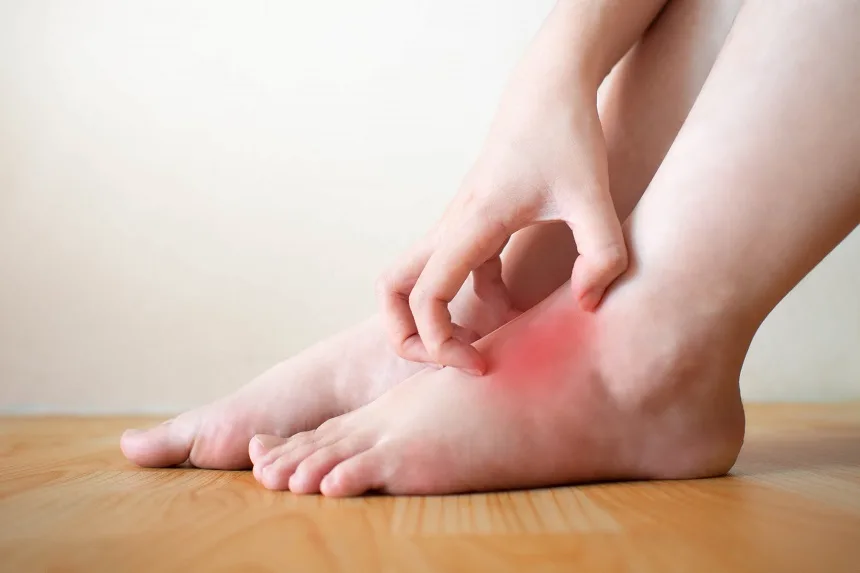
When does foot burning happen during pregnancy?
Burning feet during pregnancy usually occurs in the second and third trimesters of pregnancy, that is, in the middle to late periods of pregnancy. This is due to the fact that during these periods, the body begins to retain more fluid, with the growth of the uterus, it puts pressure on the vessels in the pelvic area, and blood circulation changes.
In the second trimester, water retention begins in the body due to increased blood volume and hormone levels. This, in turn, can cause swelling in the legs and feet. Swelling can sometimes lead to a burning sensation in the feet.
In the third trimester, with the increase in the size of the uterus, the pressure on the veins in the pelvic region increases even more. This can make blood flow to the feet difficult and cause a burning sensation in the feet.
However, experiencing burning feet during pregnancy is not inevitable for every woman. Some women do not experience this symptom at all, while others experience it more prominently. If burning feet during pregnancy is severe or comes with other uncomfortable symptoms, it is best to consult a healthcare professional.
What Is Good For Burning Feet During Pregnancy?
Methods that are good for burning feet during pregnancy usually focus on relaxation, cooling and reducing swelling. Here are some suggestions that can help alleviate this discomfort:
- Elevating the Feet: Resting with your feet elevated can reduce swelling and burning in the feet by facilitating the return of blood to the heart.
- Cold Application: You can provide relief by soaking your feet in a bowl of cold water for 10-15 minutes or applying a cold compress.
- Massage: A gentle massage of your feet can improve blood circulation and reduce the burning sensation.
- Comfortable Shoes: During pregnancy, the feet may swell. Therefore, it is important to wear wide, comfortable and supportive shoes.
- Regular Movement: Taking short walks or moving your legs can support your blood circulation.
- Avoiding Salt: Excessive salt consumption can cause water retention in the body. Therefore, reducing salt consumption can alleviate swelling and burning in the feet.
- Drinking Plenty of Water: Drinking enough water helps maintain the body’s fluid balance and can prevent edema.
- Rest: Excessive fatigue can increase the burning sensation in the feet. Therefore, it is important to take short rest breaks during the day.
- Foot Exercises: Simple exercises such as rotating your ankle, squeezing and releasing your fingers can improve blood circulation.
- Medical Support: If the burning sensation is severe or comes with other symptoms, you should consult a healthcare professional. Such symptoms should not be ignored, especially as they can be a symptom of conditions such as gestational diabetes and hypothyroidism.
What gender is foot burning during pregnancy?
There is no scientific relationship or proven link between foot burning during pregnancy and baby gender. The causes of burning feet are based on factors such as hormonal changes, changes in blood circulation, water retention, and these do not have a direct relationship with the sex of the baby.
In some cultures and societies, there are folk beliefs that the sex of the baby is predicted based on the signs of pregnancy. However, such beliefs are often based on anecdotes and have no scientific basis.
If it is desired to give precise information about the symptoms experienced by a mother during pregnancy and the gender of the baby, medical methods such as ultrasound scanning should be used. However, it should not be forgotten that only such medical tests can give the most accurate information about the sex of the baby.
Although “burning feet during pregnancy” can be an uncomfortable condition, it is usually harmless and is experienced by many women. However, if the burning is severe or accompanied by other symptoms, it is important to contact a healthcare professional. Don’t forget to check out the suggestions in the article to feel comfortable and alleviate this situation!
Frequently Asked Questions
-
Is it normal to have a burning foot during pregnancy?
Yes, many women experience a burning sensation in their feet during pregnancy. This can be caused by hormonal changes, changes in blood circulation, and the body retaining more fluid.
-
Does foot burn affect the baby’s health?
Usually, a burning of the feet does not pose a risk to the health of the baby. However, if it comes with severe burning or other symptoms, it is worth consulting a healthcare professional.
-
In which periods of pregnancy is foot burning more common?
Burning feet is usually more common in the second and third trimesters of pregnancy.
-
What home remedies are there to relieve foot burn?
Simple methods such as elevating your feet, applying cold compresses, wearing comfortable shoes, and drinking plenty of water can alleviate the burning sensation.
-
What other symptoms can be seen during pregnancy besides burning feet?
Symptoms such as swelling in the legs, tingling in the feet, or numbness in the toes can also be seen along with burning feet.
-
Can medical conditions that cause foot burn be treated?
Yes, medical conditions such as gestational diabetes or hypothyroidism can be managed with proper treatment. In the presence of such situations, it is important to seek a doctor’s advice.