Eating Liver During Pregnancy
Eating liver during pregnancy is one of the issues that creates a question mark in the minds of many expectant mothers. Pregnancy is a time when optimal nutrition is vital for both mother and baby. During this period, the need for important nutrients such as iron, vitamin A, and B vitamins increases. Liver is a super food that contains a lot of these nutrients. However, it is important to be conscious about liver consumption during pregnancy, as excessive consumption can bring some risks.
In this article, we’ll cover everything you need to know about eating liver during pregnancy , accompanied by expert opinions and healthy recipes.
Liver Consumption According to Pregnancy Periods
Pregnancy is a process that requires careful nutrition for the health of both mother and baby. The issue of eating liver during pregnancy can lead to different recommendations at different periods of pregnancy, especially due to its vitamin A content. In this section we explain how liver consumption can be managed according to the various stages of pregnancy.
First Trimester (First 3 Months of Pregnancy)
In the early stages of pregnancy, that is, in the first trimester, the consumption of liver is usually not recommended. During this period, the baby begins to develop its vital organs and systems, and during this period, a high intake of vitamin A, especially vitamin A in the form of retinol, can increase the risk of birth defects and miscarriage. Excess vitamin A tends to accumulate in the body, which can lead to negative effects on the fetus. Therefore, it is safest to avoid the consumption of liver and other foods high in vitamin A during the first trimester of pregnancy.
Second trimester (4-6 months of pregnancy)
In the second trimester of pregnancy, as the baby grows and develops more, the mother’s nutritional needs also increase. During this period, the need for nutrients found in the lungs such as iron, vitamin B12 and folate may increase. However, it is important not to exceed the daily intake limits of vitamin A. In the second trimester, it may be more acceptable to consume liver in small portions (for example, once or twice a month) and always well cooked. Nevertheless, it is best to consult a health professional about liver consumption during this period as well.
Third Trimester (7-9 Months of Pregnancy)
In the third trimester, which is the last period of pregnancy, the need for nutrients such as iron and vitamin B12 continues. At this stage, the consumption of liver can be beneficial for the mother, as part of a balanced diet and again in small portions. However, excessive intake of vitamin A should always be considered.
General Recommendation: Throughout pregnancy, it is important to be balanced and conscious about the consumption of all foods, including liver. Pregnant women who want to consume liver, especially in the early stages of pregnancy, are recommended to consult with health professionals and get information about safe consumption amounts. Alternatively, turning to other foods that provide essential nutrients during pregnancy may be a good option for those who want to avoid consuming liver, especially due to its high vitamin A content.
Eating Liver During Pregnancy – Effects on Health
Eating liver during pregnancy is an issue that has important effects on the health of the mother and baby. While liver offers many benefits thanks to its high nutritional value, it can also bring some risks when consumed excessively. In this section, we will examine the effects of liver consumption on health from a balanced perspective.
Prevention of iron deficiency
Eating liver during pregnancy may help prevent iron deficiency anemia. Iron plays a critical role in red blood cells carrying oxygen, and the need for the mother and developing baby increases during pregnancy. By supporting the production of hemoglobin, the liver contributes to the maintenance of energy levels and the reduction of the feeling of fatigue.
Meeting the Need for Vitamin A
The liver is very rich in vitamin A and this vitamin is important for fetal development. However, excessive consumption of vitamin A during pregnancy carries risks that can lead to birth defects. Being balanced and conscious about eating liver during pregnancy can help meet the need for vitamin A safely.
A Healthy Pregnancy Diet
Liver also contains large amounts of other important nutrients, such as vitamin B12, zinc, and folate. These nutrients support healthy blood formation, nervous system function, and fetal development during pregnancy. When consumed in the right amounts, eating liver during pregnancy can be an important part of an overall pregnancy diet.
Risks of Overconsumption
Excessive liver consumption carries risks, especially due to its high vitamin A content. The daily intake of vitamin A for pregnant women should be kept below a certain limit. Therefore, it is not recommended to consume liver more than once a week.
Eating liver during pregnancy, when done in a balanced and conscious way, can be an important supporter of the pregnancy diet. However, like any nutrient, it is important to consume liver in moderation. If you have any doubts about the consumption of liver during pregnancy, it is best to consult a health professional. In this way, you will protect the health of both you and your baby in the best possible way. 🤰🍖
Tips for Safe Liver Consumption
Although eating liver during pregnancy brings with it many nutritional values, it is necessary to be conscious about safe consumption. Here are some important tips to consider when consuming liver during pregnancy:
Liver Selection
- Organic and Well-Processed Liver: If possible, opt for liver from animals raised without the use of hormones or antibiotics. Organic liver minimizes the intake of potentially harmful substances.
- Importance of Fresh Liver: When you buy the liver, pay attention to its freshness. Fresh liver tends to have a higher nutritional value and reduces microbiological risks.
Cooking Methods
- Good Cooking: Make sure the liver is fully cooked. Undercooked liver can harbor microorganisms that can cause foodborne illnesses, such as salmonella.
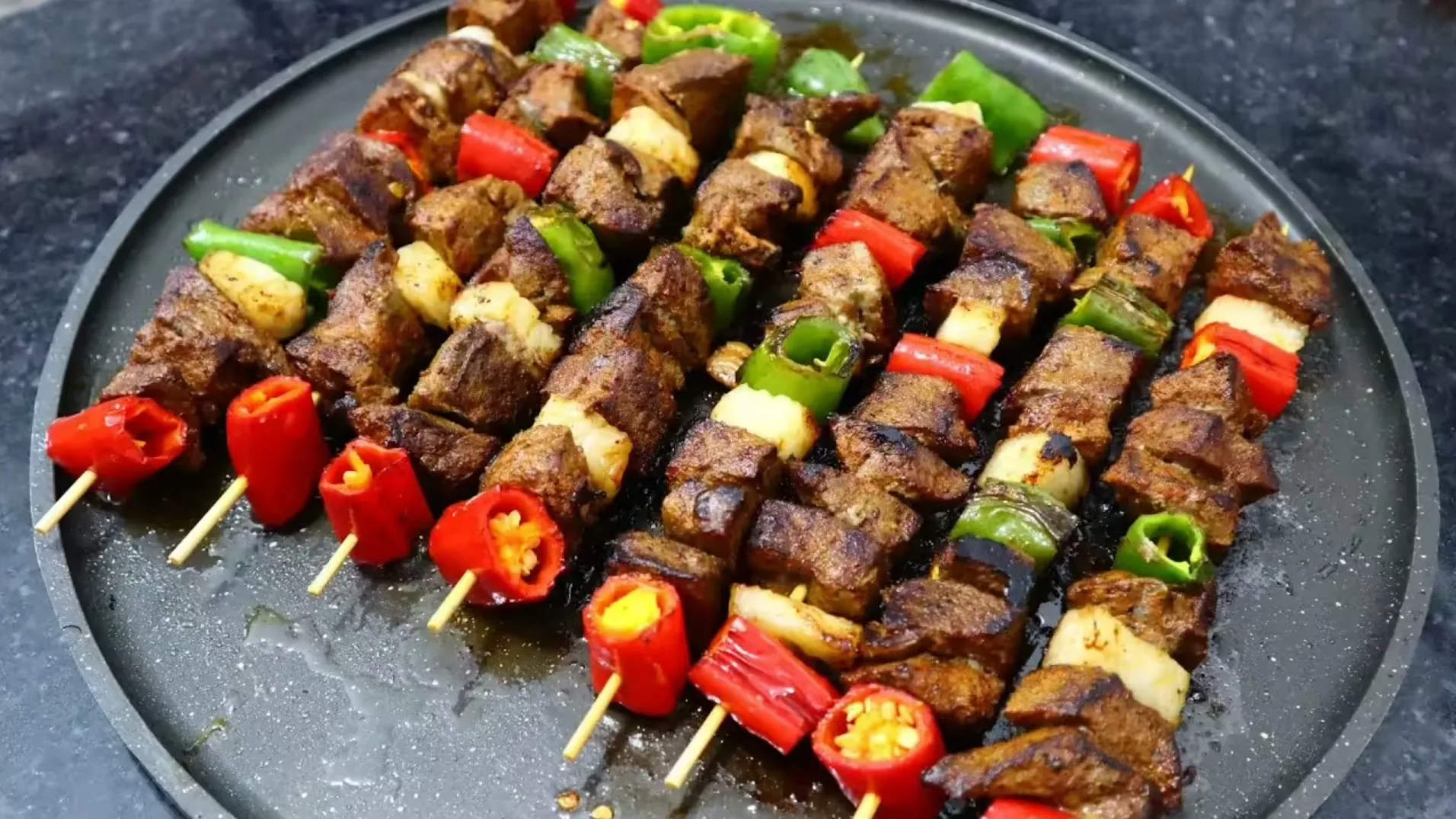
- Variety: By cooking your liver in different ways, you can both increase the flavor of your food and prevent getting bored with the same foods. For example, you can grill, steam or bake liver.
Frequency and Amount of Consumption
- Balanced Consumption: Liver consumption during pregnancy should be limited to 1 time per week. Thus, excessive intake of high amounts of vitamin A and other nutrients is prevented.
- Portion Control: One serving of liver (about 100 grams) provides an adequate amount of nutrients and reduces the risk of overconsumption.
Alternative Food Sources
Nutrient Diversity: Eating liver during pregnancy is an excellent way to get in important nutrients, but it’s also important to maintain nutritional diversity. You can also get nutrients like iron, B12, and folate from other foods like red meat, fish, eggs, and green leafy vegetables.
Eating liver during pregnancy provides important nutrients for a healthy pregnancy, but it is especially important to pay attention to safe consumption tips during this period. In consultation with healthcare professionals, you can create a feeding plan that best suits both you and your baby’s needs. By following the safe consumption methods we have discussed in this section, you can take a conscious approach to eating liver during pregnancy .
🥄👩🍳
Liver recipes during pregnancy
A healthy, balanced diet during pregnancy is critical for your baby’s development. While eating liver during pregnancy provides important nutrients, it can also be delicious. Here are some healthy and delicious liver recipes that you can try during your pregnancy:
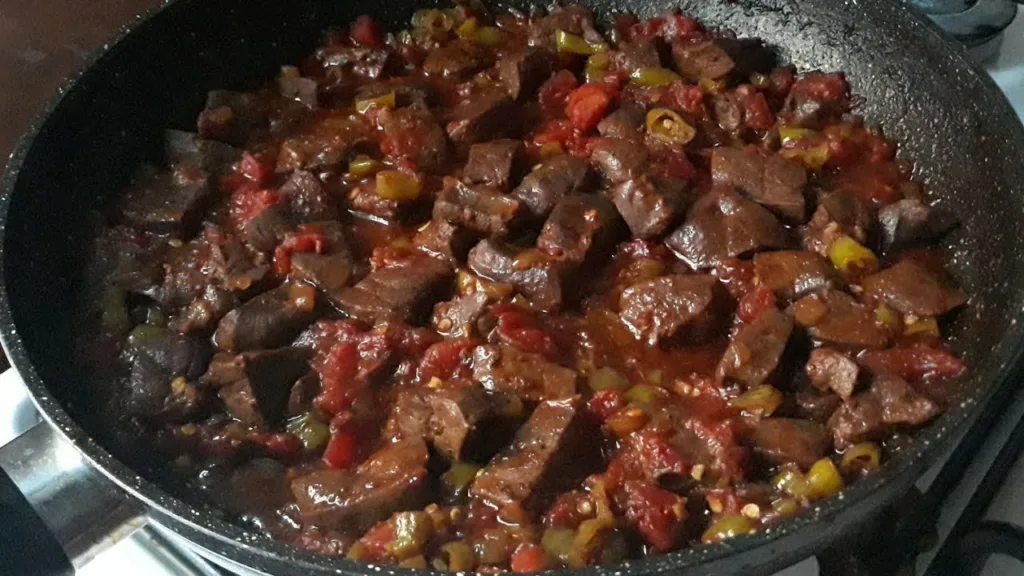
Classic Sautéed Liver
- Ingredients: 500g liver (preferably beef or lamb), 2 tablespoons olive oil, 1 large onion, 2 cloves garlic, salt, pepper, a pinch of thyme.
- Method:
- Wash the liver, drain the excess water and cut it into small pieces.
- Finely chop the onion and garlic.
- Heat the olive oil in a frying pan, add the onion and garlic and fry.
- Add the liver pieces to the pan, sauté quickly over high heat.
- Season with salt, pepper and thyme.
- Cook until the livers release and absorb their juice. Be careful not to overcook it.
👩🍳 Note: Overcooking the liver can lead to loss of nutritional value and hardening. You can get the best results by cooking your liver on medium.
Green Salad with Liver
- Ingredients: 200g liver (cooked and sliced), mixed green leaves (arugula, lettuce, spinach), cherry tomatoes, cucumber, olive oil, lemon juice, salt, pepper.
- Method:
- Place the washed and dried green leaves in a large salad bowl.
- Top with sliced liver, cherry tomatoes and sliced cucumbers.
- Prepare a dressing with olive oil, lemon juice, salt and pepper and drizzle over the salad.
- Serve, stirring gently.
🥗 Note: This light salad is perfect for meeting your increased iron and protein needs, especially during pregnancy.
Liver Pie
- Ingredients: 4 phyllo dough, 300g liver (finely chopped), 1 onion (chopped), 2 tablespoons olive oil, salt, pepper, 1 tea glass of milk, 1 egg.
- Method:
- Sauté liver and onion in olive oil. Season with salt and pepper.
- Spread the phyllo dough on the counter, spreading the liver mixture evenly on each.
- Roll up the phyllo dough and place it on a greased baking sheet.
- Brush with a mixture of milk and beaten eggs.
- Bake in a preheated oven at 180°C until golden brown.
🧑🍳 Note: Liver pie is both a nutritious and satisfying alternative. Eating liver during pregnancy can be both delicious and nutritious with these recipes.
It is important to be picky and balanced when it comes to eating liver during pregnancy. These recipes provide essential nutrients for the health of both you and your baby, while ensuring that you don’t forget about variety and flavor. Enjoy your meal! 🍴💖
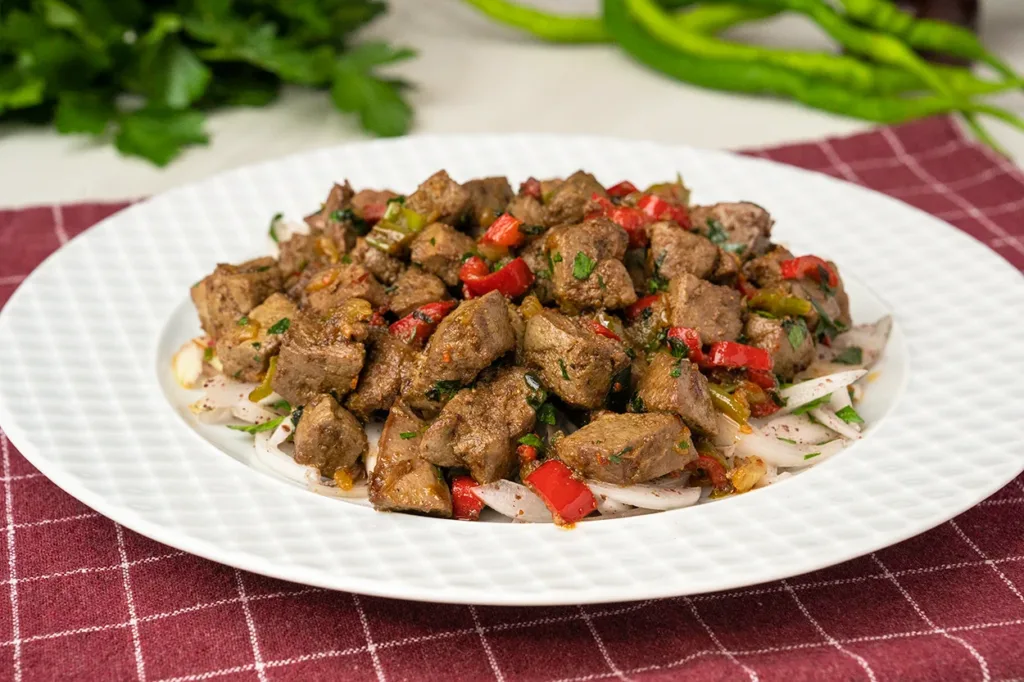
Expert Opinions: Pregnancy and Liver Consumption
Liver consumption during pregnancy is a matter of curiosity for many expectant mothers because it is rich in nutritional values. Liver contains iron, protein, folic acid, vitamin B12, zinc, copper, and especially high amounts of vitamin A. These nutrients are important for supporting the baby’s brain, immune system, and metabolism. However, the high amount of vitamin A contained in the liver can increase the risk of congenital abnormalities in the baby, especially in the early stages of pregnancy, when consumed in excess. (1)
The daily intake limit for vitamin A during pregnancy is set by the World Health Organization at 10,000 international units (IU) per day. This amount represents the highest safe amount determined for long-term and regular consumption, taking into account the potential for vitamin A to accumulate in the body. For example, 1 ounce of fried beef liver contains about 10,571 IU of vitamin A, which slightly exceeds the recommended daily limit. However, occasional consumption of this small portion of liver will not exceed the daily limit, especially if your normal intake of vitamin A is somewhat lower. (2)
The Finnish National Council for Nutrition and the Finnish Food Authority recommend limiting the consumption of liver and liver-based foods throughout pregnancy. In particular, the weekly consumption of liver sausage and liver paste should not exceed 200 grams during pregnancy. It is recommended that the amount consumed in each meal should not exceed 100 grams, and this amount should not exceed 30 grams in daily consumption. This is practically equivalent to about two slices of liver sausage or two tablespoons of liver pate. (3)
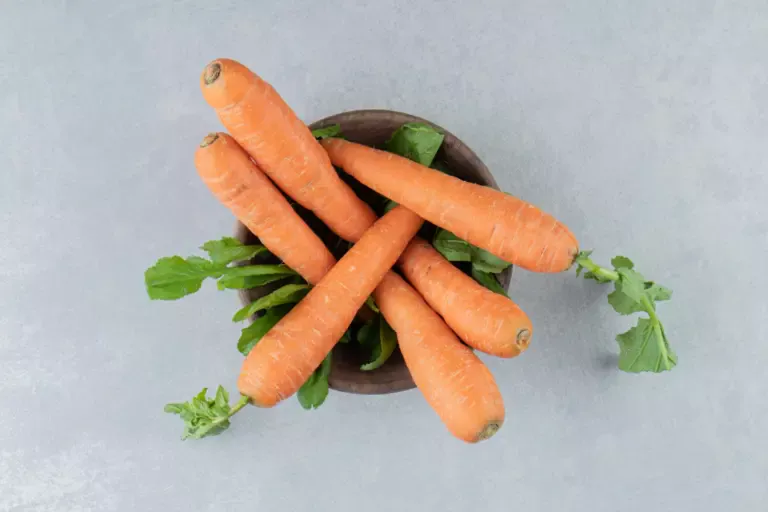
It is important to be balanced and conscious about liver consumption during pregnancy. If you are considering consuming liver and liver products, it may be helpful to talk to your gynecologist before doing so. Alternatively, turning to other food sources, such as vegetables that contain vitamin A in the form of beta carotene, may be a safer option for the health of both you and your baby.
Frequently Asked Questions About Liver Consumption During Pregnancy
There are many questions that expectant mothers have about eating liver during pregnancy. In this section, we aim to provide answers to some of these questions, providing a clearer understanding of the topic.
How Often and How Much Liver Should Be Consumed?
Generally, liver consumption is recommended once a week. This amount ensures that you get the necessary nutrients and minimizes the risk of excessive intake of certain vitamins, such as vitamin A.
Is there any harm to the baby during pregnancy?
When consumed in a balanced way, eating liver during pregnancy is beneficial for the healthy development of the baby. However, excessive intake of certain nutrients, such as vitamin A, can be harmful. Therefore, it is important to consume it in recommended amounts.
Which Type of Liver Should Be Consumed During Pregnancy?
Preferably, organic and well-processed animal livers should be consumed. Veal, lamb or chicken livers are rich in nutritional values and carry a lower risk of toxins.
How Should Liver Be Cooked?
It is recommended to cook the liver lightly in a way that preserves the nutrients in it. Overcooking can lead to a decrease in their nutritional value. Lightly cooked liver both preserves its nutritional value and is more delicious.
Should I Talk to the Doctor About Liver Consumption During Pregnancy?
Yes, it would be helpful to talk to your doctor about eating liver during pregnancy , especially if you have existing health conditions or specific nutritional needs. Your doctor can offer you the most appropriate nutrition plan for you and your baby’s health.