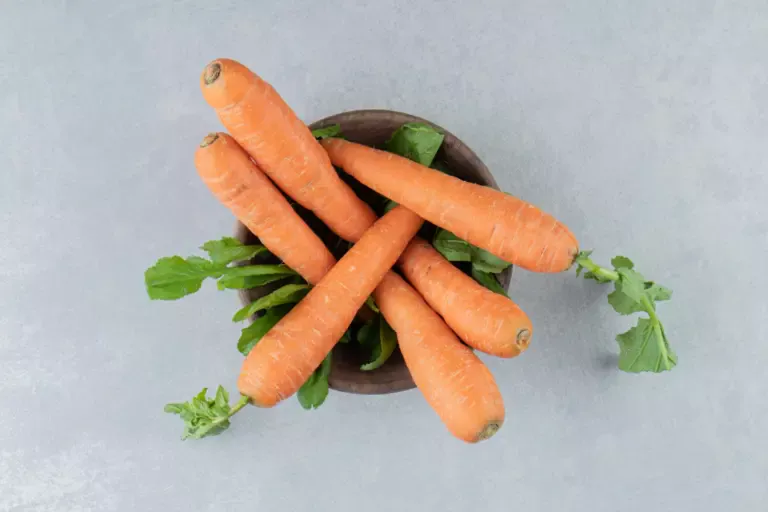
Foods Necessary for the Brain Development of the Baby in the Womb
The brain development of the baby in the womb is one of the most vital stages of pregnancy, and the nutrients taken during this process directly affect the physical and mental development of the baby. For a healthy pregnancy process, it is necessary to focus on nutrients, which are especially important for the development of the brain and nervous system. This article will focus on the basic foods and nutrients that expectant mothers should add to their nutrition plans that support the baby’s brain development. The importance of nutrients such as omega-3 fatty acids, folic acid, iron, calcium, iodine, vitamin D, and antioxidants for the healthy development of the baby in the womb will be explained. We will examine in detail which foods contain these nutrients and the effects of these nutrients on the brain development of the baby in the womb.

The Importance of Omega-3 Fatty Acids in Pregnancy
Omega-3 fatty acids are vital for the brain development of the baby in the womb. These essential fatty acids, especially DHA (Docosahexaenoic acid) and EPA (Eicosapentaenoic acid), are one of the main building blocks of the baby’s brain tissue. Omega-3 fatty acids also play a critical role in the development of the baby’s eyesight and nervous system.
Why Is Omega-3 Important?
- Brain Development: Omega-3 fatty acids taken in the womb are necessary for the growth of the baby’s brain volume and the development of complex brain functions.
- Nervous system: Omega-3 helps nerve cells communicate better, which is the basis of learning and memory abilities.
- Eyesight: DHA is one of the basic building blocks of the retina and is important for healthy vision development.
Foods rich in omega-3 fatty acids
- Fish and Seafood: Fatty fish such as salmon, sardines, mackerel, and trout are rich in DHA and EPA.
- Herbal Sources: Plant sources such as chia seeds, flaxseeds, walnuts, and canola oil contain Omega-3 in the form of ALA (Alpha-linolenic acid). The body can convert ALA into limited amounts of DHA and EPA.
- Supplements: Omega-3 supplements are an alternative option, especially for individuals who don’t eat fish or don’t get enough Omega-3. However, it is important to discuss with your healthcare provider before using any supplements.
Recommendations for Omega-3 Intake
It is recommended to consume at least 2 servings of oily fish per week for expectant mothers. However, it is important to avoid fish that may contain high amounts of mercury (e.g., swordfish, shark). It’s important to note that Omega-3 from plant sources is important, especially for those who are vegetarian or vegan.
The positive effects of omega-3 fatty acids on the brain development of the baby in the womb make them foods that should have an important place in the nutrition plan of every expectant mother. By integrating these fatty acids into your diet, you can help your baby get off to a healthy start.
To learn more about Omega-3 Consumption during Pregnancy, you can read our article “Use of Omega-3 during Pregnancy“.
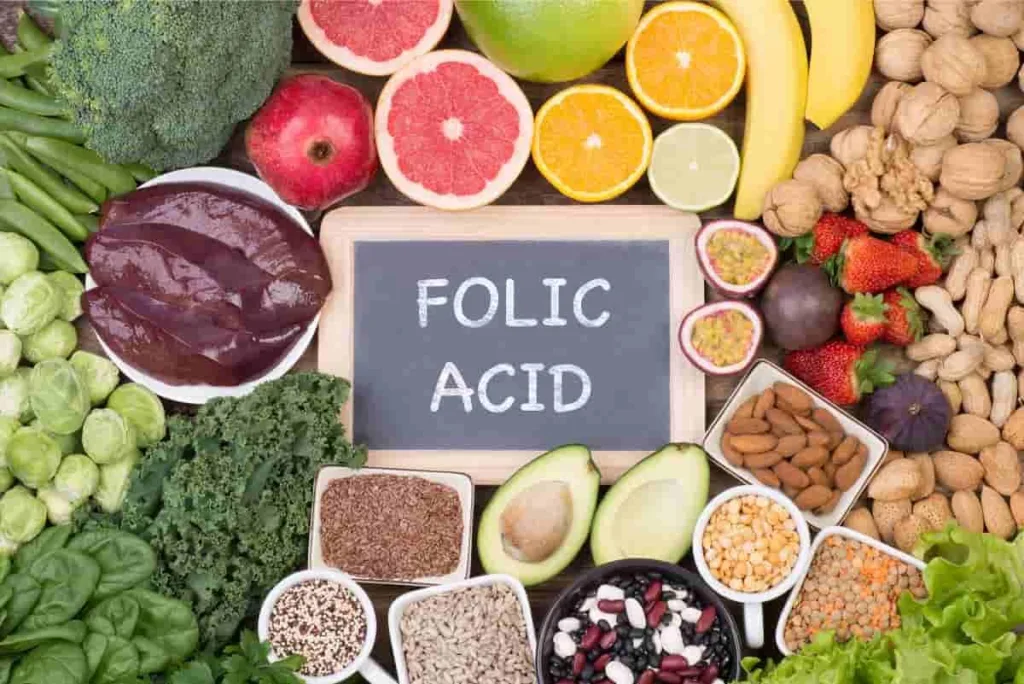
Folic acid: Why is it a food that every expectant mother should know?
Folic acid is the synthetic form of vitamin B9, a member of the B vitamins family, and the importance of taking it during pregnancy has become more evident in recent years. This nutrient is critical for the development of the brain and spinal cord of the baby in the womb, especially in the first weeks, sometimes before women even realize they are pregnant yet.
The Importance of Folic Acid in Pregnancy
- Prevention of Neural Tube Defects: Folic acid intake can significantly reduce the risk of birth defects, known as neural tube defects, which affect the baby’s brain and spinal cord. Among them, the most common are spina bifida and anencephaly.
- Cell Growth and Replication: Folic acid is essential for cell growth and DNA synthesis, which is important for a healthy development of the baby.
- Reducing Pregnancy Complications: Adequate folic acid intake can reduce the risk of preterm birth and giving birth to a low-weight baby.
Foods rich in folic acid
- Green Leafy Vegetables: Green leafy vegetables such as spinach, arugula, and kale are rich in folic acid.
- Fruits: Orange juice and other citrus fruits are also good sources of folic acid.
- Legumes: Legumes such as beans, peas and lentils are rich in folic acid.
- Whole Grains: Some cereals and cereal products are enriched with folic acid.
Recommendations for Folic Acid Intake
Health experts recommend taking at least 400 micrograms (mcg) of folic acid daily before pregnancy and during the first trimester of pregnancy. This is an effective method of reducing the risk of birth defects. In some cases, your doctor may recommend a higher dose. Folic acid supplements and enriched foods are effective methods to ensure adequate folic acid intake through the diet.
It is important for women who are planning a pregnancy or who are pregnant to aim for a diet rich in folic acid and use supplements if necessary for the healthy development of the baby. Folic acid is an essential nutrient for the brain and spine health of the baby in the womb, and it is an issue that every expectant mother should know and focus on.
For detailed information about foods rich in folic acid, read our article “Use of Folic Acid in Pregnancy“.
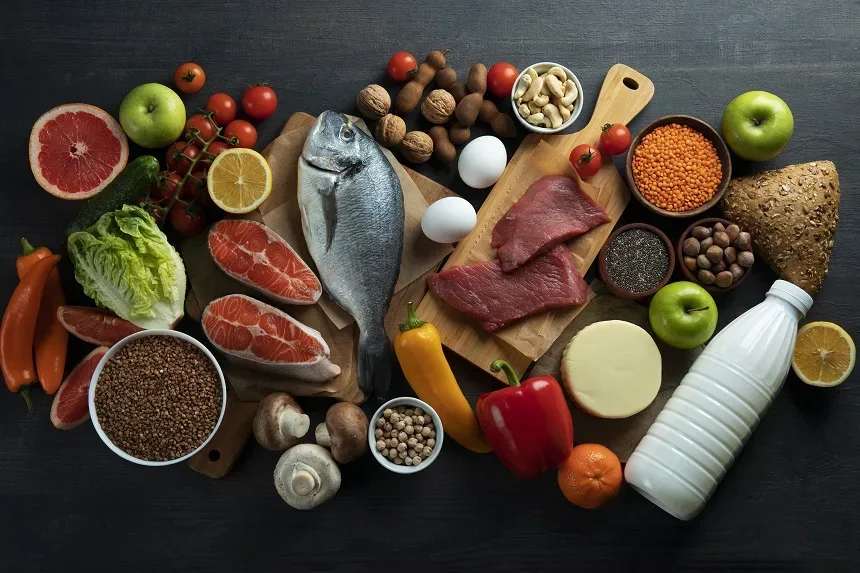
Iron: Why is it so important for maternal and infant health?
Iron is a vital mineral for the health of both mother and baby. This important nutrient, which has a direct impact on the brain development of the baby in the womb, has a critical role in transporting oxygen to blood cells through hemoglobin. Iron is also part of many biological processes that support the overall health of the baby and mother.
The Importance of Iron
- Oxygen Transport: Iron plays a vital role in transporting oxygen to cells throughout the body. Carrying enough oxygen to the baby in the womb is essential for a healthy brain development.
- Brain Development: Iron is essential for the proper development and function of the baby’s brain cells. Adequate iron intake has positive effects on learning capacity and behavioral development.
- Reducing the Risk of Anemia: Iron deficiency anemia is common during pregnancy. This can lead to problems such as fatigue, weakness, and an increased risk of complications during childbirth.
Iron-Rich Foods
- Red Meat and Chicken: Food of animal origin is rich in heme iron and is easily absorbed by the body.
- Legumes and Green Leafy Vegetables: Plant sources such as lentils, beans, and spinach contain non-heme iron. When consumed together with vitamin C, its absorption can be increased.
- Cereals and Cereal Products: Many cereals and cereal products are enriched with iron in an attempt to prevent iron deficiency.
Recommendations for Iron Intake
Pregnant women have a higher daily iron requirement than non-pregnant women. Health experts recommend taking about 27 mg of iron per day during pregnancy. Iron supplements are an important option when not enough iron is getting through diet, but they should be used with a doctor’s advice as they can cause some side effects (e.g., stomach upsets).
Iron is a critical mineral for the healthy brain development of the baby in the womb. It is important for expectant mothers to pay attention to adequate iron intake, both for their own health and for the optimal development of the baby.
To learn more about iron consumption during pregnancy, read our article “Iron Supplementation in Pregnancy“.
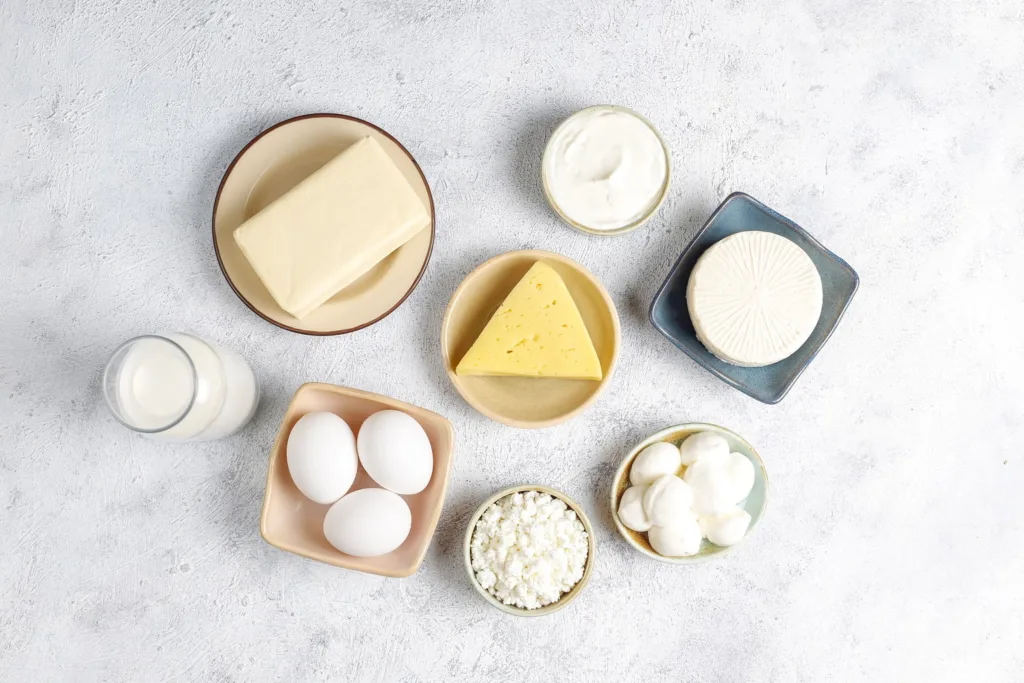
Calcium: Why is it so important for the bone health of the baby in the womb?
Calcium is one of the cornerstones of bone and dental health, along with the brain development of the baby in the womb. This mineral is vital for the strengthening of the baby’s skeletal structure, and during pregnancy, the mother’s need for calcium increases significantly. Adequate calcium intake by the mother supports the healthy growth and development of the baby, while also helping to maintain the mother’s bone density.
The Importance of Calcium
- Bone and Tooth Development: Calcium is necessary for the healthy development of the bones and teeth of the baby in the mother’s womb.
- Muscle Function and Nerve Conduction: Calcium ensures that the muscles function properly and that communication between nerves is effective.
- Reducing the Risk of Chronic Diseases: Adequate calcium intake can reduce the risk of bone diseases such as osteoporosis later in life.
Calcium-rich foods
- Dairy Products: Milk, yogurt, and cheese are among the foods that are rich in calcium and easy to absorb.
- Green Leafy Vegetables: Vegetables such as broccoli, kale, and spinach contain vegetable sources of calcium.
- Calcium-Enriched Foods: Some plant-based milks, cereals, and juices are enriched in calcium and offer good options for those who are vegan or lactose intolerant.
Recommendations for Calcium Intake
During pregnancy, a woman’s daily need for calcium is about 1000 mg. This need can be even higher, especially for young expectant mothers. This need can be met with a healthy diet and, if necessary, calcium supplements. However, it is important to consult with a healthcare professional before taking calcium supplements, as excessive calcium intake can lead to some health problems.
The importance of calcium intake for the brain development and general health of the baby in the womb cannot be overstated. Paying attention to adequate calcium intake for expectant mothers is a basic step for the healthy development of the baby and helps the mother to protect her own bone health.
For more information about calcium supplementation during pregnancy, check out our article “Use of Calcium in Pregnancy“.

Vitamin D: Sunlight Vitamin and Its Effects on the Development of the Baby in the Womb
Vitamin D is a vitamin that is critical for the brain development and overall health of the baby in the womb. Also known as the “sunshine vitamin”, this nutrient helps maintain bone health by increasing the absorption of calcium and supports the development of a healthy immune system and nervous system.
Importance of Vitamin D
- Bone Health: Vitamin D increases the absorption of calcium from the intestines, which is vital for the development of bones and teeth of the baby in the womb.
- Immune system: This vitamin helps to strengthen the immune system of both mother and baby, provides protection against infectious diseases.
- Brain Development: Vitamin D plays an important role in a baby’s brain development and function, and can affect learning and memory abilities.
Foods rich in vitamin D
- Fatty Fish: Fatty fish such as salmon, mackerel, and sardines are natural sources rich in vitamin D.
- Yolk: Even in small amounts, egg yolks are a natural source of vitamin D.
- Foods Enriched with Vitamin D: Some dairy products, orange juice, and cereals are enriched in vitamin D and offer good options to supplement daily intake.
Sunlight and Vitamin D
Sunlight allows the body to naturally produce vitamin D. However, it should be taken into account that sun exposure can increase the risk of skin cancer. Therefore, it is important to be careful when using sunlight and to use sunscreen products. During the winter months or in areas with insufficient sunlight, taking vitamin D supplements may be beneficial.
Recommendations for Vitamin D Intake
The recommended daily intake of vitamin D for pregnant women is around 600 IU (International Unit) per day for a healthy bone structure and overall health. Vitamin D deficiency, especially during pregnancy, can lead to osteoporosis and other health problems. Under the supervision of a doctor, it is recommended to optimize the intake through diet or supplements to maintain adequate vitamin D levels.
The importance of vitamin D for the brain development and healthy growth of the baby in the womb should be emphasized. Expectant mothers are advised to pay attention to adequate vitamin D intake and consult their healthcare provider if necessary.
For more information about vitamin D during pregnancy, read our article “Vitamin D in Pregnancy“.
Anthocyanins and Other Antioxidants: Their Importance for the Development of the Baby in the Womb
Anthocyanins and other antioxidants are powerful compounds that have positive effects on the development of the baby in the womb. These natural ingredients help reduce oxidative stress by fighting free radicals in the body. Oxidative stress can damage cells and lead to various complications during pregnancy. Anthocyanins are pigments found in fruits and vegetables, especially purple, red, and blue in color, and have powerful antioxidant properties.
Importance of Anthocyanins and Antioxidants
- Cellular Protection: Anthocyanins and other antioxidants support maternal and infant health by protecting cells from harmful free radicals.
- Immune System Support: These compounds protect against diseases by strengthening the immune system.
- Protection Against Chronic Diseases: In the long term, antioxidants may have a protective effect against heart disease and some types of cancer.
Foods Rich in Anthocyanins and Antioxidants
- Blueberries, Raspberries and Black Mulberries: These fruits are rich in anthocyanins and contain antioxidants that support brain health.
- Red Grapes and Cherries: Fruits like red grapes and cherries also provide a variety of antioxidants, including anthocyanins.
- Green Leafy Vegetables: Green leafy vegetables, such as spinach and kale, contain a number of antioxidants that are beneficial for overall health.
- Nuts and Seeds: Nuts and seeds such as walnuts, chia seeds, and flaxseeds are rich in antioxidants such as vitamin E.
Recommendations for Anthocyanin and Antioxidant Intake
During pregnancy, a varied diet of colorful fruits and vegetables is important to ensure adequate intake of anthocyanins and other antioxidants. Regular consumption of these foods offers many benefits for maternal and infant health. Consuming fruits and vegetables raw or lightly cooked helps maintain their nutritional value.
Anthocyanins and other antioxidants play an important role for the healthy development of the baby in the womb. These compounds contribute to a healthier pregnancy process by supporting the health of both mother and baby. Expectant mothers are advised to include antioxidant-rich foods in their diet and increase variety.
Frequently Asked Questions
What Are The Best Foods For The Baby’s Brain Development In The Womb?
The best foods for the brain development of the baby in the womb are those rich in omega-3 fatty acids (for example, fatty fish), foods containing folic acid (green leafy vegetables and legumes), fruits and vegetables rich in anthocyanins and other antioxidants (blueberries, raspberries, spinach), and foods with adequate amounts of protein, iron, zinc and calcium.
How Can I Meet My Daily Omega-3 Fatty Acid Needs?
To meet your daily omega-3 fatty acid needs, you can consume fatty fish (salmon, sardines, mackerel) at least 2-3 times a week, turn to plant sources such as chia seeds, flaxseeds, walnuts, or take a high-quality omega-3 supplement on the recommendation of your doctor.
What is the Daily Recommended Amount for Folic Acid Intake?
Before pregnancy and in the first trimester of pregnancy, it is recommended that women take at least 400-600 micrograms of folic acid daily. This can help prevent birth defects. To increase your folic acid intake, you can consume foods enriched with folic acid or take folic acid supplements with your doctor’s recommendation.
How Can Vitamin D Deficiency Be Prevented During Pregnancy?
To prevent vitamin D deficiency, it is important to regularly expose yourself to sunlight, consume foods rich in vitamin D (fatty fish, milk and cereals enriched with vitamin D), and take vitamin D supplements at the dose recommended by your doctor.
What Is the Effect of Anthocyanins and Other Antioxidants on Pregnancy?
Anthocyanins and other antioxidants support the healthy development of the baby in the womb, reducing oxidative stress and strengthening the immune system. These compounds help prevent potential health problems, protecting the health of both mother and baby.