How Should Pre-Pregnancy Nutrition Be?
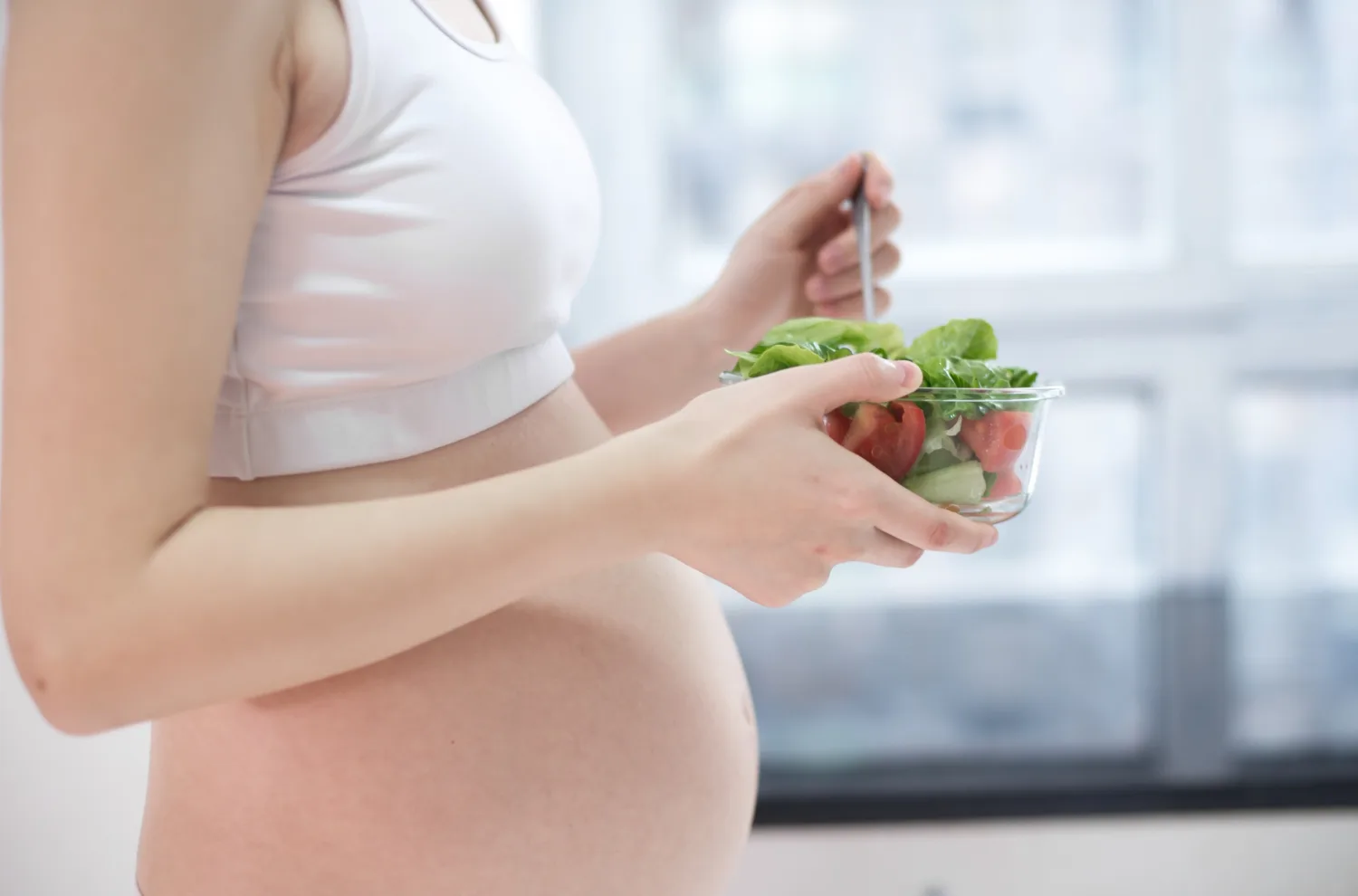
For women planning to become mothers, pre-pregnancy nutrition plays a crucial role. Maintaining a balanced and adequate diet is essential for a healthy pregnancy and optimal baby development. Consuming the right nutrients not only prepares the body for pregnancy but also boosts fertility. So, how should pre-pregnancy nutrition be? Here are some key points to consider for a healthy start! 😊
Why Is Nutrition Important Before Pregnancy?
Women planning pregnancy should review their diet to ensure they get the necessary vitamins and minerals. A healthy diet:
- Helps maintain hormonal balance,
- Can enhance fertility,
- Supports the baby’s healthy development,
- Reduces potential pregnancy complications.
Therefore, the pre-pregnancy nutrition process is a critical phase for both the mother and the baby.
Essential Nutrients to Include Before Pregnancy
Women planning pregnancy should prioritize certain food groups in their diet to boost fertility and lay the foundation for a healthy pregnancy. Ensuring the intake of essential vitamins and minerals supports both the mother’s health and the baby’s development. Here are the must-have nutrients before pregnancy!
1. Folic Acid: Essential for Healthy Development
Folic acid should be at the top of a pre-pregnancy nutrition plan. It is vital for the baby’s brain and spinal cord development. A deficiency can lead to severe conditions like neural tube defects. Foods rich in folic acid include:
- Leafy green vegetables such as spinach and broccoli,
- Oranges and avocados,
- Lentils and chickpeas,
- Whole grain bread.
Additionally, taking a folic acid supplement under a doctor’s recommendation can be beneficial.
2. Protein Sources: Essential for Muscle and Cell Growth
Proteins are the building blocks of the body and should be included in sufficient amounts in a pre-pregnancy nutrition plan. They play a significant role in cell regeneration and muscle development. Healthy protein sources include:
- Chicken, fish, and lean red meat,
- Eggs,
- Yogurt, milk, and cheese,
- Nuts such as almonds, hazelnuts, and walnuts.
3. Iron: Necessary to Prevent Anemia
Iron deficiency is common during pregnancy. Therefore, consuming iron-rich foods before pregnancy is crucial. Foods rich in iron include:
- Red meat,
- Eggs,
- Dried fruits such as raisins and apricots,
- Molasses.
Consuming iron-rich foods alongside vitamin C enhances absorption. For example, drinking a glass of freshly squeezed orange juice with a spinach meal can be beneficial.
4. Calcium: Essential for Bone Health
Calcium is necessary to maintain the mother’s bone health and support the baby’s bone and teeth development in the later weeks of pregnancy. Foods rich in calcium include:
- Milk, yogurt, and cheese,
- Almonds and hazelnuts,
- Dark green leafy vegetables (broccoli, kale),
- Fish like salmon and sardines.
5. Omega-3 Fatty Acids: Crucial for Brain Development
Omega-3 fatty acids are highly important for the baby’s brain and eye development. Essential omega-3 sources to include in a pre-pregnancy diet are:
- Fatty fish such as salmon, sardines, and tuna,
- Chia seeds and flaxseeds,
- Walnuts.
Eating fish at least twice a week helps meet the body’s omega-3 needs.
Foods to Avoid Before Pregnancy
Just as important as pre-pregnancy nutrition is avoiding certain foods that can negatively impact fertility and pregnancy health. For a healthy pregnancy, the following foods should be avoided:
- Excessive caffeine: Consuming more than 200 mg of caffeine per day may negatively affect fertility.
- Fast food and processed foods: High in trans fats and additives, these foods are not suitable for a healthy pregnancy.
- Alcohol and smoking: They negatively impact fertility and pose risks to the baby’s health.
- High-mercury fish: Fish such as swordfish and king mackerel should be avoided due to high mercury content.
Conclusion: A Balanced Diet for a Healthy Start
Pre-pregnancy nutrition is one of the key foundations for a healthy pregnancy. A balanced diet not only protects the mother’s health but also contributes to the baby’s best possible development. A nutrition plan rich in folic acid, protein, iron, calcium, and omega-3 fatty acids can enhance fertility and make the pregnancy process healthier. Additionally, avoiding harmful foods and exercising regularly supports this process.
Remember, a healthy pregnancy begins with a healthy start! 🥰