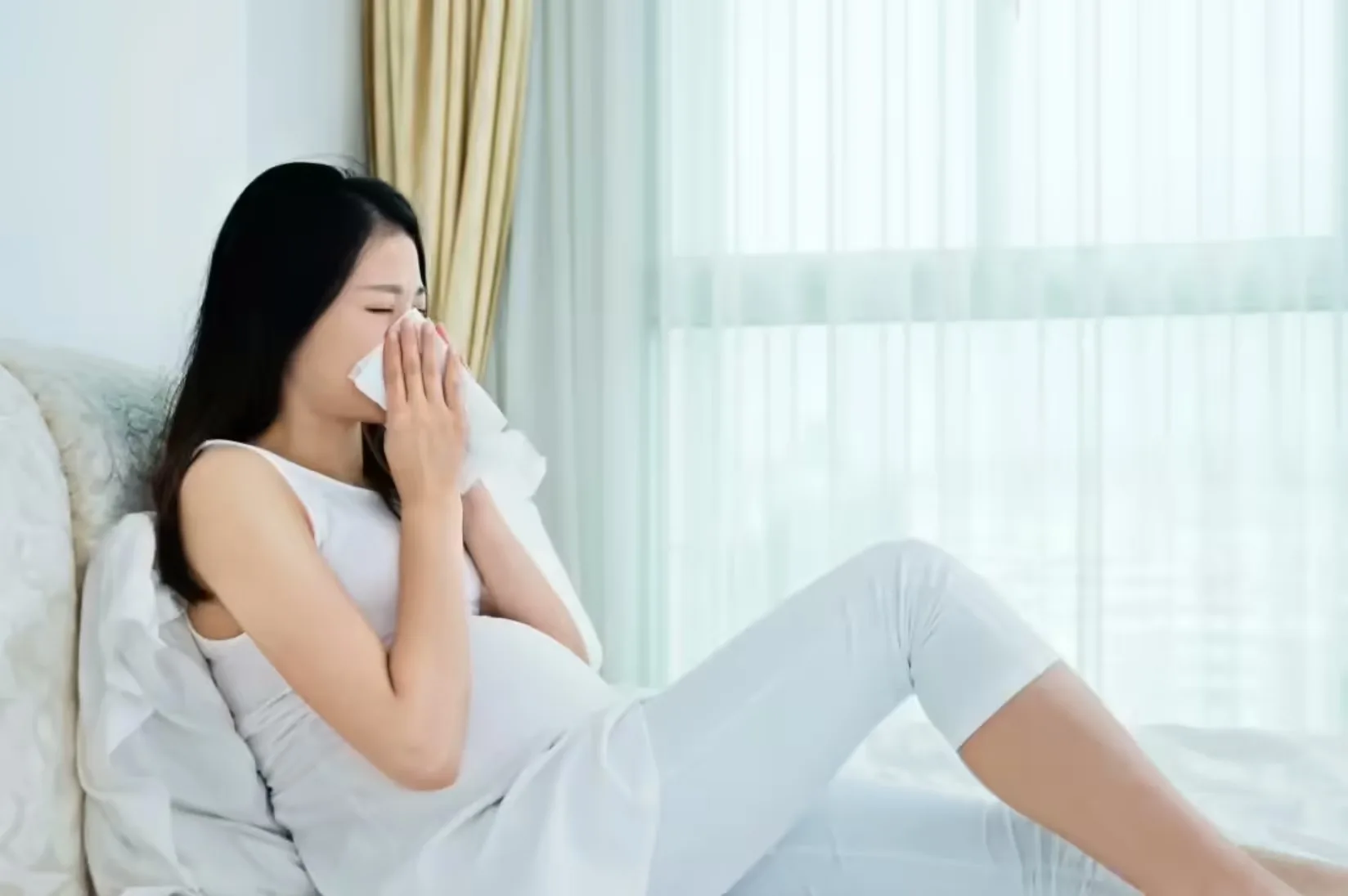
Pollen Allergy During Pregnancy
Although the arrival of the spring months is conducive to many beauties, it also brings a challenging period for those with pollen allergies. Pollen allergy, especially during pregnancy, is a source of concern for both expectant mothers and their babies. In this blog post, we will take a detailed look at the symptoms, causes, and coping tips of pollen allergy during pregnancy.
Symptoms of Pollen Allergy During Pregnancy:
Pollen allergy is a condition that occurs as a result of the immune system perceiving pollen as a harmful substance and reacting against it. Symptoms are usually mild to moderate and include:
- Sneeze: Sneezing, which often recurs, is the most common symptom of pollen allergy.
- Runny nose: A watery and itchy runny nose is a sign of contact with pollen.
- Cough: A dry and persistent cough indicates that a pollen allergy is affecting the respiratory tract.
- Itchy eyes: Redness, itching and watering of the eyes indicate that pollen allergy also affects the eyes.
- Nasal congestion: Nasal congestion can make it difficult to breathe and make it difficult to fall asleep.

Causes of Pollen Allergy in Pregnancy:
There are many factors that trigger pollen allergy. The most important of these are:
- Pollen seasons: Especially in spring and summer, the amount of pollen increases and allergic reactions are more frequent.
- Air pollution: Air pollution can exacerbate allergy symptoms by causing more inhalation of pollen.
- Pets: Pets’ hair and dandruff can also cause allergies.
- Perfume: Strong odors can trigger allergic reactions.
Diagnosis of Pollen Allergy During Pregnancy:
It is important to talk to your doctor about diagnosing pollen allergy during pregnancy. Your doctor will evaluate your symptoms and test for allergies. Different tests may be used, such as a skin test or a blood test.
Pollen Allergy Treatment During Pregnancy:
There are different options for the treatment of pollen allergy during pregnancy, such as medications, home treatments, and allergy shots. Your doctor will determine the most appropriate treatment plan for you.
Medications
Medications such as antihistamines and nasal sprays can be used to control allergy symptoms. However, it is necessary to be careful about the use of drugs during pregnancy. Your doctor will recommend the safest and most effective medications for you.
Home Treatments:
Some simple treatments that you can apply at home can also help relieve allergy symptoms. Some of these include:
- Drinking plenty of water: Drinking water helps thin mucus and relieve nasal congestion.
- Nasal wash with salt water: Nasal washing with salt water helps to remove allergens from the nose.
- Rest: Getting enough rest helps boost your immune system and alleviate allergy symptoms.
- Avoiding pollen: Avoiding pollen as much as possible is very important in reducing allergy symptoms. When pollen levels are high, you can avoid going outside, keep your windows closed, and use an air filter.
Allergy Vaccines
Allergy shots are an effective method of controlling allergy symptoms in the long term. However, it is not safe to get an allergy shot during pregnancy. Your doctor may recommend that you start allergy shots after delivery.
Pollen Allergy During Pregnancy
Pollen allergy can affect pregnancy. Allergy symptoms can cause the expectant mother to feel tired and sluggish. Also, nasal congestion during the night can lead to sleep problems. However, according to the medical literature, controlled pollen allergy usually does not directly affect the baby’s health. (Source: MayoClinic)
However, allergic conditions such as severe asthma that are not controlled during pregnancy may pose a risk to the course of pregnancy and the development of the baby. For this reason, it is important to control allergy symptoms and to follow up with a doctor regularly.
Recommendations for Coping with Pollen Allergy During Pregnancy:
There are many things you can do to deal with a pollen allergy. Some of these include:
- Talk to your doctor regularly: Your doctor will monitor your allergy symptoms and update your treatment plan as needed.
- Keep track of pollen levels: Keep track of pollen levels from weather reports and avoid going outside on days when pollen is high.
- Stay home during pollen season: If possible, stay home and keep your windows closed during times when pollen levels are highest.
- Use an air filter: Using a HEPA air filter that can trap pollen can help reduce the amount of pollen in your home.
- Change your clothes often: After spending time outside, change your clothes immediately and throw them in the washing machine.
- Eat healthy: Eating a healthy, balanced diet can help boost your immune system and alleviate allergy symptoms.
- Avoid stress: Stress can worsen allergy symptoms. Relaxation techniques such as yoga, meditation, or breathing exercises can help you reduce stress.
Frequently Asked Questions (FAQs) About Pollen Allergy During Pregnancy:
Will pollen allergy during pregnancy affect my baby?
Controlled pollen allergy usually does not directly affect the baby’s health. However, allergic conditions such as severe and uncontrolled asthma may pose a risk to the course of pregnancy and the development of the baby. Therefore, doctor follow-up and treatment planning are important.
How can I avoid pollen allergy?
Precautions such as monitoring pollen levels, staying home during pollen season, using an air filter, and changing clothes frequently can help protect you from pollen allergy.
Can I get an allergy shot during pregnancy?
It is not safe to get an allergy shot during pregnancy. Your doctor may recommend that you start allergy shots after delivery.
Pollen allergy is a common condition during pregnancy. Symptoms are usually mild to moderate and can be controlled with medications, home treatments, and preventative measures. It is important to meet with your doctor regularly and follow your treatment plan.
The information contained in this article is for informational purposes only and should not be considered as medical advice. It is important to always consult a doctor for any health problems.