
Protein in Urine During Pregnancy – Protein Leakage
Protein leakage during pregnancy is a condition that usually begins to be seen as of the 20th week. Studies show that protein excretion, which is at an average of 150 mg per day in non-pregnant women, can approximately double during pregnancy and reach up to 300 mg/24 hours. Although this increase is considered normal up to a certain level, if it exceeds the threshold, it may indicate various risks for the expectant mother and the baby. (1) Therefore, screening for protein in the urine (proteinuria) during pregnancy is seen as an indispensable part of routine pregnancy checks.
In this article, we aim to contribute to a healthy pregnancy period by addressing many important points, from why proteinuria increases during pregnancy, to which symptoms should be considered and the precautions that can be taken.
IMPORTANT NOTICE: The information contained in this article is for informational purposes only and does not constitute medical advice. If you have any health problems or doubts, be sure to consult a specialist doctor.

What Is Protein In Urine During Pregnancy?
During pregnancy, the body rearranges many of its functions according to the needs of the baby. During this period, the working load of the kidneys also increases, because both the metabolic wastes of the mother and the wastes of the baby are filtered and excreted in the urine. Under normal conditions, very small amounts of protein can be found in urinalysis; However, when this amount exceeds certain limits, a picture called “proteinuria” occurs.
- Proteinuria can basically mean that kidney functions cannot fully function.
- Mild protein excretion during pregnancy can be considered normal, but when it crosses a certain threshold (usually 300 mg or more in 24-hour urine), it requires follow-up.
- When proteinuria is detected during pregnancy, it is evaluated alone or in combination with concomitant factors such as high blood pressure. For example, serious conditions such as preeclampsia are one of the common causes of an increase in protein in the urine.
Health institutions recommend regular urine tests to expectant mothers during routine check-ups during pregnancy. In this way, possible risks can be detected at an early stage.
How to Understand High Protein in Urine During Pregnancy?
Many expectant mothers may be concerned when they learn from their doctor that protein is detected in the urine. Because if the protein leakage in the urine is mild, it may not cause noticeable symptoms. However, in some cases, the following symptoms may occur:
- Swelling (Edema): Edema may occur in the ankles, hands and face. Tips such as tight rings and squeezing of shoes should be taken into account.
- High Blood Pressure: Blood pressure of 140/90 mmHg and above is a condition that should be considered especially after the second half of pregnancy.
- Rapid Weight Gain: Excessive and rapid weight gain may be due to fluid retention in the body.
- Headache and Visual Disturbances: Symptoms such as headache, blurred vision, or sensitivity to light may occur in association with preeclampsia.
If you are experiencing any of the above symptoms or if protein is detected in the urine during your routine check-up, you should definitely consult your doctor and have a detailed evaluation. Early diagnosis and regular follow-up are vital for maternal and infant health.
What are the Possible Causes of Elevated Protein in the Urine?
There are many factors that lead to increased protein excretion during pregnancy. Sometimes these can be temporary and harmless, while other times they can be a harbinger of more serious underlying problems.
- Increased Workload of the Kidneys
During pregnancy, the kidneys work more intensively due to the increased blood volume and the filtration of the baby’s waste. This can cause some protein leakage. However, if this is at a normal level, it is usually not a problem. - Preeclampsia (Pregnancy Poisoning)
Preeclampsia refers to a picture in which protein excretion in the urine increases markedly with high blood pressure. It usually occurs after the 20th week of gestation. It can be dangerous for both mother and baby and necessarily requires medical attention. - Kidney Diseases
Chronic kidney diseases that are not diagnosed before pregnancy may become evident during pregnancy. In such cases, proteinuria is often detected. - Other Systemic Diseases
Chronic diseases such as diabetes, autoimmune diseases (e.g. lupus), cardiovascular problems can also affect kidney function during pregnancy, leading to protein excretion. - Transient Factors
Sometimes, temporary conditions such as fever, intense exercise, dehydration or stress can also increase the protein content in the urine. For this reason, your doctor wants to confirm whether there is a permanent elevation by ordering repeat tests.
Since the body of each expectant mother is different, necessary examinations should be performed in health institutions to determine the exact cause. Early diagnosis, especially of conditions that require urgent intervention such as preeclampsia, is of great importance for the mother and baby to have a healthy pregnancy.
The Relationship Between Preeclampsia and Protein in Urine
One of the most well-known and worrisome causes of high protein in the urine during pregnancy is preeclampsia. This picture, also known as “pregnancy poisoning” among the people, can cause problems in kidney function and sometimes in organs such as the liver and brain, as well as high blood pressure. Typical symptoms of preeclampsia include:
- High Blood Pressure: The measured blood pressure is above 140/90 mmHg.
- Edema: Severe swelling of the hands, feet and face due to fluid retention.
- Significant Protein Elevation in Urine: Protein over 300 mg in 24-hour urine or high spot urine protein/creatinine ratio.
- Headache: Headaches that are usually severe and do not go away.
- Vision Problems: Flashes of light, blurred vision or double vision.
- Abdominal (Upper Right Region) Pain: Pain in the liver area, sometimes a feeling of slight pressure under the ribs.
It can turn into more severe conditions such as preeclampsia, eclampsia and HELLP syndrome (Hemolysis, Liver Enzyme Elevation, Low Platelet count). Therefore, early diagnosis is very important. With regular doctor check-ups, blood pressure monitoring and proteinuria measurements can reduce life-threatening risks.
Diagnostic Methods and Doctor Checks
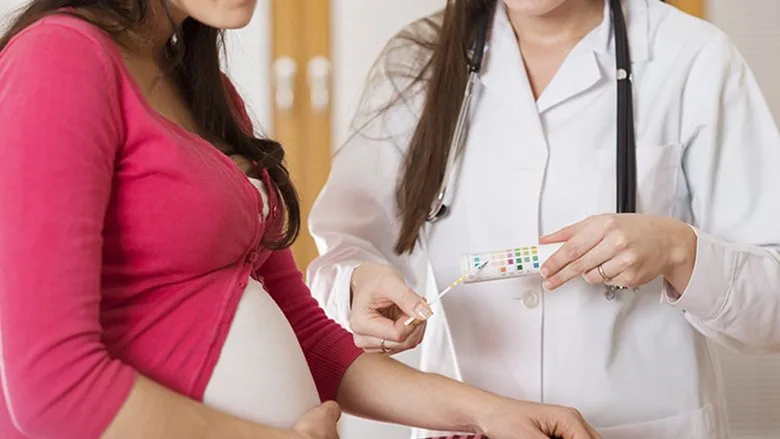
During pregnancy, your doctor will ask you for regular urine and blood tests. Thanks to these tests, the health of both mother and baby is closely monitored. Urine protein testing is also an important part of these routine checks. Here are the main diagnostic methods:
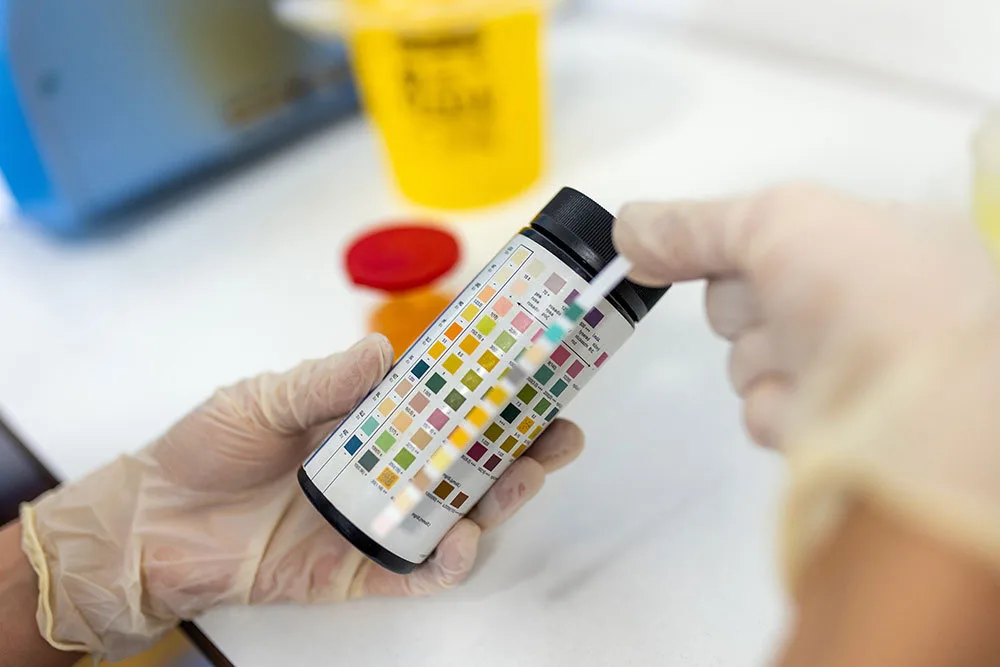
- Dipstick (Urine Stick) Test
Swabs dipped in the urine sample during a routine check can instantly show the amount of protein. The result indicates that further testing is usually needed for a definitive diagnosis. - 24-Hour Urine Collection
It is one of the most reliable methods. The amount of protein is measured by accumulating all your urine in a specific container for 24 hours. The 24-hour urine test is very valuable in terms of revealing the daily total of protein loss. - Spot Urine Protein/Creatinine Ratio
Sometimes an approximate idea can be obtained by looking at the protein/creatinine ratio in a one-time urine sample. If this rate is high, the doctor may order a 24-hour urine test. - Blood Tests and Other Controls
Additional tests such as regular monitoring of blood pressure, complete blood count, liver enzymes and kidney function tests are performed to evaluate the general health status. The baby’s development is also monitored by ultrasound.
It is of great importance not to disrupt regular doctor check-ups during the diagnosis phase. Remember, in many cases, the increase in protein in the urine during pregnancy may be mild at first and progress over time. Early intervention can prevent conditions such as preeclampsia from getting worse.
Treatment and Management of Elevated Protein in Urine During Pregnancy
Treatment is shaped according to the underlying cause of high protein in the urine. If you have mild proteinuria due to increased kidney workload, your doctor will usually monitor the condition with regular follow-up, a balanced diet and adequate rest. However, different approaches may come to the fore for more serious tables:
- Preeclampsia Management
- Blood Pressure Medications: Your doctor may prescribe medication to control blood pressure.
- Rest and Hospital Follow-up: In some cases, hospitalization is necessary, especially if the blood pressure is very high or there is a problem in the baby’s growth.
- Corticosteroids: If there is a risk of preterm birth, corticosteroid injections may be administered to speed up the baby’s lung development.
- Birth Decision: Premature birth can be planned according to the severity of preeclampsia and gestational week. This decision is made by specialist physicians for the health of the mother and baby.
- Diet and Lifestyle Changes
It may be recommended to reduce salt in your diet, avoid processed foods, and follow a protein-rich but balanced diet. Your doctor or dietitian can tailor a specific nutrition plan based on your and your baby’s needs. - Drink Plenty of Fluids
Being dehydrated can increase the working load of the kidneys and affect the amount of protein in the urine. It is recommended to drink at least 2-2.5 liters of water per day. However, if you have complaints such as high blood pressure and edema, your doctor may recommend a more detailed fluid balance follow-up. - Stress Management
Stress can indirectly affect blood pressure and body functions. Learning to cope with stress through meditation, breathing exercises, or light exercise programs recommended by your doctor can contribute to the management of proteinuria in pregnancy.
The most appropriate treatment protocol for each expectant mother will vary depending on your individual situation and the course of pregnancy. So remember to follow your doctor’s instructions carefully and not neglect regular check-ups.

Nutrition and Lifestyle Advice
If you are experiencing high protein in the urine during pregnancy, it may be easier to control the condition with some simple but effective lifestyle changes.
- Reduce Salt: Excessive salt consumption can raise blood pressure and increase edema. Try alternatives like spices and lemon to flavor your meals.
- Regular and Balanced Meals: Consume meals that are balanced in protein, carbohydrates and healthy fats. Eating mainly fruits and vegetables can ease the burden on the kidneys.
- Pay Attention to Fruit and Vegetable Consumption: Foods with high fiber and antioxidant content play an important role in the overall metabolic balance.
- Adequate Fluid Intake: Support kidney function by consuming at least 8-10 glasses of water a day. Instead of tea and coffee, you can choose herbal teas.
- Be Active, But Don’t Overdo It: Especially light exercises (such as walking, yoga, swimming) approved by your doctor improve circulation and reduce stress. But avoid heavy exercise.
- Regular Sleep: Quality nighttime sleep is critical for your body’s recovery and the regular functioning of your hormones. If you are experiencing sleep problems, you can get support by consulting your doctor.
In order to have a healthy pregnancy and give your baby the best start, it is very useful to start implementing nutrition and lifestyle steps early.
When to Consult a Doctor?
Of course, not every symptom of pregnancy may require immediate intervention. However, you should consult your healthcare provider immediately if:
- Abnormal rise in blood pressure
If you are monitoring your blood pressure at home, be sure to inform your doctor if values above 140/90 mmHg recur. High blood pressure is one of the most important signs for preeclampsia. - Severe Headache and Visual Disturbances
Symptoms such as severe and persistent headaches, flashes of light, or blurred vision can increase the risk of preeclampsia. - Abnormalities in Weight Gain
A sudden increase of more than 1-2 pounds over a few days may indicate that your body is retaining excess fluid. - Increased edema
Rapid edema increases, such as significant swelling of the hands and face, and the fact that your shoes start to feel tight within a few days, are also warning signs. - Abdominal Pains and Nausea
Symptoms such as pain, vomiting and nausea , especially in the right upper quadrant or under the ribs, can sometimes be a sign of problems with the liver.
It is important not to dismiss any symptom as “insignificant”. Since doctors are experienced in catching possible complications in pregnancy in advance and starting treatment, it is safest to have a check-up in any suspicious case.
Frequently Asked Questions (FAQs) About Protein in Urine During Pregnancy
Does high protein in urine affect the baby?
High protein value detected in urine (proteinuria) alone does not directly harm the baby. However, when the underlying cause (preeclampsia, kidney problems, etc.) is left untreated, it can affect both maternal health and, indirectly, the baby’s development. Therefore, diagnosis and treatment of the factors leading to proteinuria is important.
Can you have high protein in urine without preeclampsia?
Yes, it can. An increase in protein in the urine is not always caused by preeclampsia. For example, conditions such as kidney diseases, diabetes, urinary tract infections, dehydration can also lead to proteinuria. Therefore, when protein is detected in the urine, your doctor will perform the necessary tests to detect the underlying cause.
Does reducing water drinking reduce protein leakage?
No, reducing water drinking does not reduce protein leakage. On the contrary, adequate fluid intake helps the kidneys function correctly and ensures healthier removal of waste from the body. Reducing water consumption can cause dehydration of the body and other complications.
Does stress cause protein formation in urine?
Stress is not considered to be a direct cause of proteinuria. However, intense stress can indirectly increase blood pressure and increase the risk of proteinuria by negatively affecting lifestyle (such as insomnia, unhealthy diet). Managing stress during pregnancy is beneficial for overall health.
Can a lack of water cause protein in urine?
The body’s inability to get enough fluids (dehydration) can adversely affect kidney function and indirectly cause an increase in the amount of protein in the urine. Therefore, drinking regular and sufficient water throughout pregnancy helps protect kidney health.
How does proteinuria affect pregnancy?
When it is accompanied by serious conditions such as proteinuria and preeclampsia, it can adversely affect the health of the mother and baby. This may pose risks such as premature birth, low weight of the baby, or deterioration in the mother’s kidney and liver functions. However, with early diagnosis and appropriate treatment, a healthy pregnancy process can be maintained in most cases. Regular doctor check-ups and necessary lifestyle changes can significantly reduce these risks.
Does protein in the urine increase the risk of preterm birth?
Proteinuria alone is not a sufficient criterion for preterm birth. However, in severe cases such as preeclampsia, premature delivery may be required. Every expectant mother is different; Your doctor will best assess your situation.
Can I track it myself using a urine test strip at home?
Some mothers, with the advice of a doctor, can obtain dipstick tests for follow-up at home. However, these tests only provide preliminary information. More reliable methods such as a 24-hour urine test or spot urine test performed in a laboratory environment are required for a definitive diagnosis.
When does protein leakage occur during pregnancy?
Protein leakage, which is mostly detected after the 20th week of gestation, can become especially evident in cases such as preeclampsia. However, if there are pre-existing health conditions such as chronic kidney disease, high blood pressure or diabetes, protein excretion can also be seen in the early stages of pregnancy. Therefore, when suspicious symptoms occur at any stage of pregnancy, it is important not to interrupt the doctor’s controls and to have the necessary tests done.
Conclusions and Recommendations
Pregnancy is perhaps one of the most special periods of your life, with great physical and emotional changes. It’s important to keep a close eye on every sign that goes on in your body to protect both your health and the health of your baby. Protein in the urine (proteinuria) during pregnancy is often noticed during routine controls and can be controlled thanks to early diagnosis. But keep in mind that at high levels, and especially when combined with high blood pressure, it can be a harbinger of serious problems such as preeclampsia.
In order to manage this process in the best way, we recommend that you pay attention to the following:
- Regular Doctor Check-ups: Do not delay your examinations, early diagnosis can save lives.
- Healthy Eating: Take care to consume foods rich in protein, vitamins, minerals and fiber in your diet. Limit salt and processed foods.
- Adequate Fluid Intake: Do not neglect water consumption.
- An Active Life: You can keep your blood pressure and weight in balance by doing the exercises recommended by your doctor regularly.
- Stress Management: Reducing stress with methods such as meditation and breathing exercises can alleviate negative factors that can lead to protein leakage during pregnancy.
- Observe the Symptoms: Consult your doctor quickly in case of symptoms such as excessive swelling, severe headache, visual impairment.
In conclusion, the appearance of protein in the urine during pregnancy alone should not cause you to panic. The important thing is to seek expert opinion to find the underlying cause of this and take the necessary measures. The most valuable thing that expectant mothers can do to protect themselves and their babies during this sensitive period is to go for regular check-ups and adopt healthy living habits.
Remember: Your body is going through a unique change during pregnancy. With professional medical support, a conscious approach and a healthy lifestyle, you can get through this period without any problems and take your baby in your arms in a healthy way. Do not forget to consult your doctor in every step you take for the future. Early detection and proper treatment are key to making your pregnancy safer and more enjoyable.