Sexual Desire 🙈 During Pregnancy
Sexual desire during pregnancy is a mysterious topic that many couples face during this exciting nine-month journey. Sometimes as if sailing in a rough sea, and sometimes as if taking a boat ride on a calm lake, sexual desire varies during pregnancy. These variability is a reflection of the hormonal dance, and each should be considered a natural part of this process. Exploring how sexual desire can evolve at each stage of pregnancy can be both an educational and relaxing experience for couples.
In this article, we will discuss the science behind sexual desire during pregnancy, the emotional and physical changes experienced during this period, and all the details you wonder about how you can keep your sexual life alive. Changes in sexual desire during pregnancy are actually one of the most natural elements of this magical journey. So, let’s break taboos and deal with this issue with an open heart.
Factors Affecting Sexual Desire During Pregnancy
Pregnancy is one of the most special and transformative times in a woman’s life. The changes that occur during this period are manifested not only in the physical, but also in the emotional and hormonal spheres. In this section, we will take an in-depth look at the key factors that influence sexual desire during pregnancy.
- Hormonal Changes: Significant hormonal changes occur in the female body during pregnancy. Levels of hormones such as estrogen and progesterone increase significantly. These hormonal fluctuations have a direct impact on sexual desire. For some women, this hormone increase can lead to an increase in sexual desire, while for others it can cause reluctance.
- Physical Changes and Discomfort: In the later stages of pregnancy, physical discomforts such as increased abdominal size, back pain, nausea can make sexual intercourse difficult. These physical changes can directly affect a woman’s sexual desire.
- Emotional and Psychological Changes: Pregnancy can also be a time for emotional fluctuations. Emotional factors such as anxiety, stress, fatigue, and worries about body image can reduce sexual desire. At the same time, the strengthening of the emotional bond between women and their partners during this period can increase sexual desire.
- Changes in the Relationship: Pregnancy can lead to changes in the relationship dynamics between couples. The adaptation of the partner to the pregnancy process, the level of support and communication can have a significant impact on sexual desire. Adapting together to the changes brought about by pregnancy can positively affect the sex lives of couples.
Each of these factors plays an important role in shaping sexual desire during pregnancy. The important thing is to accept these changes and look for ways to enrich your sex life. Communication, understanding, and patience can make this period more satisfying, both physically and emotionally.
Changes in Sexual Desire During Pregnancy According to Trimesters
Each trimester of pregnancy is a different experience, both physically and emotionally. These changes can also have various effects on sexual desire. Below, we’ll consider the expected changes in sexual desire in each trimester of pregnancy.
First Trimester: Emotional and Physical Fluctuations
- Decreased Sexual Desire: Many women experience a decrease in sexual desire during this period due to fatigue, nausea, and changes in hormone levels.
- Emotional Sensitivity: Hormonal changes can increase emotional sensitivity, which can affect interest in sexual intercourse.
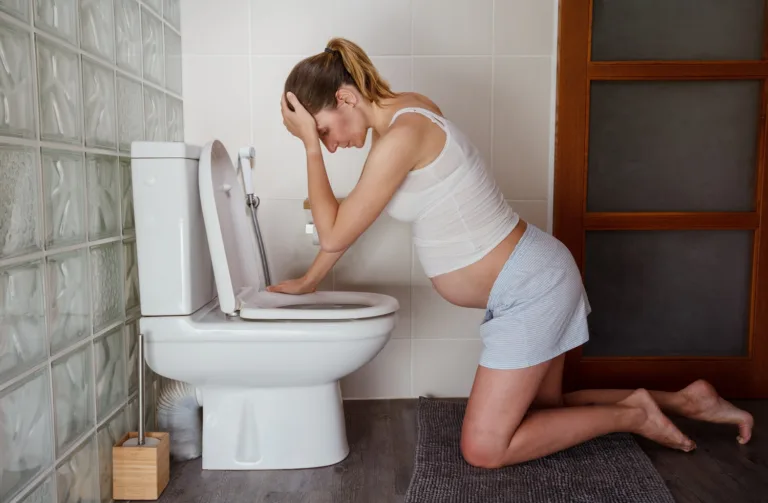
- Physical Ailments: Physical ailments, such as nausea and vomiting, can make the thought of sexual intercourse unappealing.
Second Trimester: Increase in Sexual Desire
- Increase in Sexual Desire: As hormone levels become more balanced and nausea decreases, many women experience an increase in sexual desire during the second trimester.
- Increased Energy Level: In general, increased energy levels can increase interest in sexual intercourse.
- Better Body Image: With the rounding of the abdomen and the appearance of physical signs of pregnancy, some women may feel more feminine and attractive.
Third Trimester: Mixed Emotions and Physical Challenges
- Variability in Sexual Desire: Increased abdominal size, back pain, and other physical challenges can make sexual intercourse physically difficult. This can lead to variability in sexual desire.
- Emotional Impact of Impending Birth: Increased anxiety and excitement with the approach of childbirth can affect sexual desire positively or negatively.
- Position Changes: Position changes may be required during sexual intercourse to increase physical comfort and ensure safety.
Every woman and every pregnancy is unique; For this reason, changes in sexual desire may differ from person to person. The most important thing is to be sensitive to both physical and emotional needs and to have open communication with your partner. During this period, couples supporting each other and understanding changing needs can further strengthen their relationship.
Sexual Reluctance During Pregnancy
Sexual reluctance during pregnancy is a fairly common condition. During this period, women’s bodies undergo major changes, and these changes can have direct effects on sexual desire. However, it is important to understand when sexual anorexia may be considered normal and when a health professional should be consulted.
When is it normal?
- Physical and Hormonal Changes: Physical discomfort and hormonal fluctuations experienced during the first and last trimesters of pregnancy can temporarily reduce sexual desire. These situations are usually temporary and specific to a specific period.
- Emotional Fluctuations: Emotional fluctuations, stress and fatigue experienced during pregnancy can also lead to sexual reluctance. These emotional changes are considered normal, especially in the early stages of pregnancy and near its end.
When to Worry?
- Long-Term Reluctance: If sexual reluctance persists for a long time and begins to negatively affect the relationship between couples, this may be a sign that a health professional should be consulted.
- Relational Problems: If sexual reluctance is caused by relational problems (such as lack of communication, weakening of emotional connection), this may be an issue that requires professional help.
- Psychological Problems: Psychological problems such as depression or anxiety can also lead to sexual reluctance. Since such conditions can affect women’s health during and after pregnancy, it is important to seek professional support.
What to do?
- Open Communication: Openly sharing your feelings, concerns, and needs with your partner is important in overcoming the challenges encountered during this period.
- Learning: Learning about pregnancy and sexuality can be helpful in understanding what is normal and what is not.
- Professional Help: If sexual reluctance is causing serious concern, it is best to consult a healthcare professional. This is an important step for both your physical and emotional health.
Sexual reluctance during pregnancy can be caused by many factors and is often a temporary condition. However, don’t hesitate to seek help if this situation is negatively affecting your relationship or personal health. Remember, every woman’s pregnancy experience is unique, and everything you go through is part of this special journey.

Increased Sexual Desire During Pregnancy
While the pregnancy period causes fluctuations in sexual desire for many women, for some may experience an increase in sexual desire during this period. Increased sexual desire during pregnancy can occur as a result of a combination of factors, and this can be seen more commonly in certain periods of pregnancy.
Why Does Sexual Desire Increase During Pregnancy?
- Hormonal Changes: Hormonal changes that occur in the female body during pregnancy can lead to an increase in sexual desire. In particular, an increase in the levels of estrogen and progesterone hormones can affect women’s sexual desire.
- Increase in Blood Circulation: During pregnancy, the amount of blood in the body increases, which leads to more blood circulation in the genital area. This can increase the feeling of sexual arousal and therefore an increase in sexual desire.
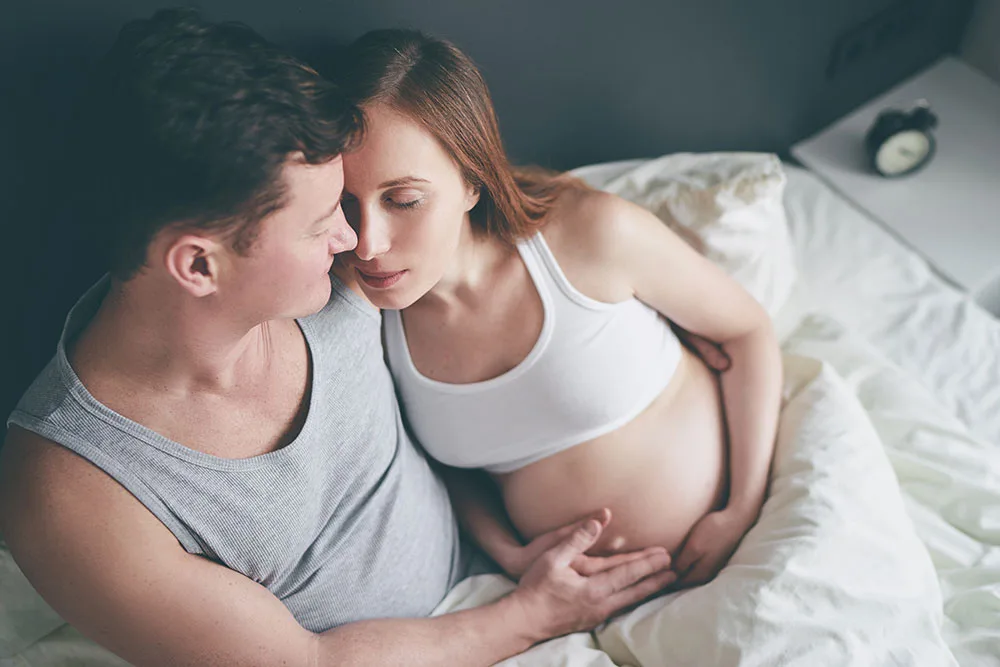
- Emotional Intimacy and Bonding: Pregnancy can lead to a strengthening of the emotional bond between couples. This emotional intimacy and increased feeling of connectedness can increase sexual desire.
- Body Image and Self-Confidence: Some women may feel more feminine and attractive during pregnancy. This positive body image and increased self-confidence can contribute to increased sexual desire.
What to do?
- Communication: Maintaining an open dialogue with your partner about your sexual wants and needs can help your relationship adjust to these changes.
- Finding Comfortable Positions: As pregnancy progresses, some sexual positions may become more comfortable. Exploring creative and comfortable positions can improve your sexual experience.
- Strengthening the Emotional Connection: Sexuality is not just a physical act; It also involves an emotional connection. Strengthening this connection can improve the quality of the sexual experience.
- Consultation with a Health Professional: If you have any concerns about sexual desire during pregnancy, it may be helpful to consult a health professional. This is an important part of maintaining the health of both you and your baby.
Increased sexual desire during pregnancy is a natural part of this period, and it is important for couples to accept and adapt to these changes. Every woman’s experience is unique, and changes in sexual desire should be considered a natural aspect of pregnancy.
Recommendations for Safe Sex During Pregnancy
Sexual desire during pregnancy can be both an exciting and sometimes worrying topic for couples. During this special period, the safety of sexual intercourse should be prioritized. Recommendations for safe sex during pregnancy are vital to protect the health of both mother and baby. Here are some key points to consider in this regard:
- Talk to Your Doctor: It’s important to have open communication with your doctor about sexual health before and during pregnancy. Especially in the case of a high-risk pregnancy, it is necessary to follow your doctor’s recommendations.
- Choose Comfortable Positions: As the size of the abdomen increases later in pregnancy, some sexual positions may be more comfortable and safe. Together with your partner, explore positions that are comfortable for both parties.
- Strengthen Communication: Sexual desire and comfort levels may change during pregnancy. Openly sharing your feelings, needs, and concerns with your partner allows you to grow closer to each other during this period.
- Pay Attention to Personal Hygiene: It is important to pay special attention to personal hygiene before and after sexual intercourse to reduce the risk of infection. This is important for the health of both you and your baby.
- Consider Using Lubricants: During pregnancy, vaginal dryness may be experienced due to hormonal changes. Water-based lubricants can provide comfort in this situation and make sexual intercourse more enjoyable.
- Strengthen Your Emotional Bond: Sexuality is not only a physical union, but also an expression of an emotional connection. Strengthening this emotional bond during pregnancy can further deepen your relationship.
Safe sex during pregnancy is an opportunity that can strengthen the bonds that couples have with each other. During this period, health, comfort and emotional intimacy should be prioritized. Being conscious and mindful about sexual desire and relationships during pregnancy is best for the health of both you and your baby.

Frequently Asked Questions (FAQs) About Sexual Desire During Pregnancy
Frequently asked questions about sexual desire during pregnancy are an important resource for couples looking for information on this subject. Below are some of the most commonly asked questions about sexual desire and relationships during pregnancy, as well as their answers.
Is Sexual Intercourse Safe During Pregnancy?
Yes, sexual intercourse during pregnancy is safe in most cases. However, some exceptional circumstances (e.g., the risk of preterm birth, certain health conditions such as placenta previa) may limit sexual intercourse. It is best to always follow your doctor’s recommendations.
Why Does Sexual Desire Change During Pregnancy?
Sexual desire during pregnancy is affected by many factors, including hormonal changes, physical ailments, emotional fluctuations, and changes in the relationship. Changes in sexual desire during this period are completely normal and may vary from person to person.
Which Positions Are More Suitable During Pregnancy?
As the pregnancy progresses, the size of the abdomen increases, some positions may be more comfortable. Alternatives such as lying on the side, positions where the woman is on top or spoon position can be preferred in terms of comfort and safety. The main thing is to find positions in which both partners are comfortable.
Does Sexual Intercourse During Pregnancy Harm the Baby?
No, sexual intercourse during pregnancy usually does not harm the baby. The baby is protected inside the amniotic sac and is safe thanks to natural protections such as uterine muscles and a cervical plug. However, if you have any health concerns, you should consult your doctor.
When Does Sexual Life Return to Normal After Pregnancy?
The normalization of sexual life after pregnancy varies from person to person and depending on the circumstances of the birth. Usually, doctors advise women who have a vaginal birth to abstain from sexual intercourse for six weeks. However, physical recovery, hormonal changes, and emotional challenges associated with new parenthood must be considered. Open communication and understanding between partners is important in this process.
Is Sexual Reluctance Normal During Pregnancy?
Yes, sexual anorexia is normal during pregnancy, and many women experience fluctuations in sexual desire during this period. This can be caused by a variety of factors, including hormonal changes, physical discomfort, and emotional stress.
Also read:
Source: WhatToExpect