
Thyroid High During Pregnancy
Pregnancy is one of the most special and transformative periods in a woman’s life. This period brings with it many changes, both physical and emotional. Among these changes is a health condition that can sometimes be overlooked, but is extremely important: high thyroid during pregnancy. The thyroid gland produces vital hormones that regulate many different functions of our body. During pregnancy, if this gland works more than usual or works poorly, it can carry several risks for the health of both mother and baby.
In this article, we will examine in detail what a high thyroid during pregnancy is, how it is diagnosed and can be managed. We will also provide practical information and supportive suggestions for mothers experiencing this condition. Remember, being informed and getting the right support will help you get through this difficult process more easily and healthily. We are with you on this journey, and this article will be a guide for you.
Pregnancy and Thyroid Functions
The function of the thyroid gland during pregnancy is vital for the mother and the developing baby. Thyroid hormones are essential for the normal development of the baby’s brain and nervous system, and these hormones are transferred from mother to baby through the placenta. Pregnancy causes several changes in thyroid physiology. These include an increase in metabolic requirements, an increase in the need for iodine , an increase in the amount of thyroxine-binding globulin, and a decrease in thyroid-stimulating hormone (TSH) levels. These changes necessitate the use of different reference ranges for thyroid tests. [1]
During pregnancy, thyroid function tests are altered by the action of the two main hormones, human chorionic gonadotropin (hCG) and estrogen. High levels of hCG, especially in the first trimester of pregnancy, can weakly stimulate the thyroid, which can lead to low TSH levels. However, in the later stages of pregnancy, the TSH level returns to normal. During pregnancy, thyroid hormone production increases by about 50%, and the total daily iodine requirement increases at a similar rate. In both cases of hypothyroidism and hyperthyroidism, it can negatively affect the development of the baby, as well as affect the health of the mother and the results of pregnancy. [2]
Therefore, maintaining a normal thyroid function during pregnancy is important for both the mother and the developing fetus. Changes in thyroid physiology during pregnancy increase the importance of thyroid function tests and thyroid antibody titrations. These should be evaluated for possible obstetric complications that may be associated with maternal thyroid dysfunction. [3]
In the light of this information, it is clear that thyroid functions should be closely monitored during pregnancy and should be intervened quickly when any signs of abnormalities are shown. Especially during pregnancy, it is important to maintain your thyroid health with regular medical check-ups and, if necessary, appropriate treatment methods. [4]
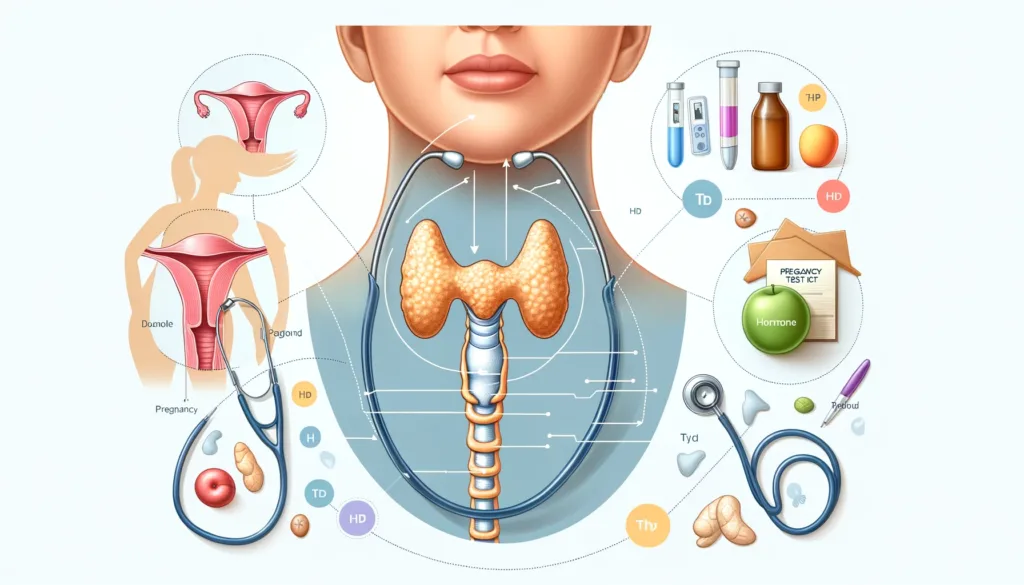
Symptoms and Diagnosis of Thyroid Elevation During Pregnancy
Thyroid elevation during pregnancy, that is, hyperthyroidism, can manifest itself with some obvious symptoms. This condition should be carefully monitored, especially during pregnancy, as it can affect both the mother and the developing baby.
Symptoms
- Accelerated Heartbeat and Palpitations: An excess of thyroid hormones can lead to an increased heart rate.
- Excessive Sweating and Decreased Heat Tolerance: The body’s heat regulation is impaired, which can lead to excessive sweating and low tolerance for hot weather.
- Weight Loss or Increased Appetite: With the acceleration of metabolism, weight loss can occur despite an increase in appetite.
- Fatigue and Muscle Weakness: The body expends more energy due to accelerated metabolism, which can lead to fatigue and muscle weakness.
- Mood Changes: Emotional changes such as anxiety, restlessness and sleep problems may occur.
Diagnosis
To diagnose a high thyroid, your doctor will evaluate your symptoms and order blood tests. These tests measure thyroid hormone levels (especially T3 and T4) and thyroid-stimulating hormone (TSH) levels. Higher than normal T3 and T4 levels and low TSH levels may be indicative of hyperthyroidism.
- Physical Examination: The doctor will examine the thyroid gland to see if there are any growths or nodules.
- Blood Tests: These tests are done to determine thyroid hormone levels and TSH levels.
- Antibody Tests: In some cases, antibody tests may be performed to identify autoimmune thyroid diseases, such as Graves’ disease.
Once the diagnosis has been made, the most appropriate treatment method will be determined for your condition and the healthy continuation of your pregnancy. If you are experiencing symptoms of high thyroid during pregnancy, you should consult a healthcare professional as soon as possible. Early diagnosis and correct treatment are of great importance for the health of both you and your baby.
Thyroid High During Pregnancy and Pregnancy Risks
Thyroid elevation during pregnancy, that is, hyperthyroidism, can carry various risks for the health of the mother and baby. This can have serious consequences that can affect the health of both the mother and the developing baby.
Effects on Maternal Health
- Gestational Hypertension: Hyperthyroidism can increase the risk of high blood pressure, which can lead to serious pregnancy complications such as preeclampsia.
- Heart Problems: Rapid heartbeat and heart palpitations are among the effects of hyperthyroidism, which can cause heart problems.
- Muscle Weakness and Fatigue: Overproduction of thyroid hormones can cause muscle weakness and extreme fatigue.
Effects on Infant Health
- Low Birth Weight: A high thyroid can increase the risk of low birth weight.
- Preterm Birth: Hyperthyroidism can also increase the risk of preterm birth.
- Developmental Issues: Not being exposed to enough thyroid hormone in the womb can have negative effects on the development of the baby’s brain and nervous system.
Management & Treatment
Being aware of these risks is important for the management and treatment of high thyroid during pregnancy. Treatment is usually aimed at regulating thyroid hormone levels and minimizing possible risks to mother and baby. Regular medical follow-up and appropriate medication play an important role in this process.
If you experience symptoms of hyperthyroidism or have thyroid problems during pregnancy, it is important to be in regular contact with your doctor and follow recommended treatment protocols. Early intervention and effective management can significantly reduce these risks and help protect the health of both you and your baby.
High thyroid during pregnancy, when managed correctly, may not be an obstacle to a healthy pregnancy and birth process. During this period, getting both physical and emotional support will help you get through this process more easily and healthily.

Treatment of Thyroid Elevation During Pregnancy
Thyroid elevation during pregnancy, i.e. hyperthyroidism, can be controlled with effective treatment methods and careful management. This process is of great importance to maintain the health of both mother and baby.
Drug Therapy
- Anti-Thyroid Medications: The most commonly used drugs in the treatment of hyperthyroidism are anti-thyroid drugs that regulate thyroid hormone production. Propylthiouracil (PTU) and methimazole are examples of these drugs. However, the use of these drugs should be carefully considered according to the period of pregnancy and the side effects of the drug.
- Dose Adjustments: Later in pregnancy, medication doses may need to be adjusted, as there may be changes in thyroid hormone levels.
Diet and Lifestyle Changes
- Iodized Salt and Nutrition: Iodine is essential for the production of thyroid hormones. During pregnancy, it is important to ensure adequate iodine intake. However, it is important to carefully balance the amount of iodine in your diet, as excess iodine intake can also have negative effects on thyroid function.
- Stress Management: Stress can adversely affect thyroid function. Relaxing activities and stress management techniques during pregnancy support both physical and mental health.
Regular Medical Follow-up
- Doctor Visits: Regular check-ups during pregnancy are vital for monitoring your thyroid function and making any necessary adjustments.
- Monitoring TSH and Thyroid Hormone Levels: Thyroid function tests should be performed regularly to assess the effectiveness of treatment.
Post-Pregnancy Follow-up
- Postpartum Thyroid Control: After delivery, follow-up is important to check if thyroid function has returned to normal. In some cases, changes in thyroid function after pregnancy may be temporary.
These treatment methods and management strategies are designed to protect the health of mothers and their babies with high thyroid levels during pregnancy. It is important to remember that every pregnancy is unique, and each treatment plan should be individualized. Therefore, it is essential to carefully follow your doctor’s recommendations during your treatment process and to contact healthcare professionals immediately in case of any problems or concerns.
Thyroid Control After Pregnancy
The post-pregnancy period is an important phase for thyroid health, especially for women who have experienced high thyroid during pregnancy. During this period, monitoring whether thyroid functions return to normal and the need for ongoing treatment or follow-up when necessary are critical for maternal health.
Performing Thyroid Function Tests
- In the first few weeks after delivery, thyroid function tests are recommended. These tests are necessary to check if thyroid hormone levels are within the normal range.
Normalization of thyroid functions
Elevated thyroid during pregnancy can be a temporary condition, and many women return to normal thyroid function after delivery. However, in some cases, thyroid dysfunction may persist and require long-term follow-up.
Postpartum Controls
Regular health check-ups in the postpartum period are important to evaluate your general health status as well as thyroid function. These checks are critical for the early detection and management of any health problems.
Breastfeeding and Thyroid Medications
If you need to use thyroid medications in the postpartum period, you should talk to your doctor about the effects of these drugs on breastfeeding. Most anti-thyroid medications can be used safely during breastfeeding, but changes may be required based on dosage and type of medication.
Long-Term Health Planning
The post-pregnancy period is a good time to make long-term plans in terms of overall health and thyroid health in particular. Regular health checkups, healthy eating, and lifestyle choices are all important parts of this planning.
Thyroid control in the post-pregnancy period is an important step for the long-term health of the mother. During this period, following your doctor’s recommendations and contacting healthcare professionals immediately in case of any problems or concerns is one of the cornerstones for a healthy future. Taking care of yourself during this process is best for both your own health and your family.
Frequently Asked Questions (FAQs)
Will High Thyroid During Pregnancy Harm My Baby?
Elevated thyroid can affect the development of the baby if left untreated. These include low birth weight and the risk of preterm birth. However, with regular follow-up and appropriate treatment, these risks can be significantly reduced.
What are the Symptoms of High Thyroid During Pregnancy?
Symptoms of high thyroid include rapid heartbeat, excessive sweating, heat intolerance, weight loss, fatigue, muscle weakness and mental changes.
When Should Thyroid Tests Be Done During Pregnancy?
Thyroid tests should be done at the beginning of pregnancy and later in pregnancy as needed. If you have a history of thyroid or are experiencing symptoms, your doctor may test more often.
Are Thyroid Medications Safe During Pregnancy?
Most anti-thyroid medications can be used safely during pregnancy. However, the choice of medication and dosage may vary depending on the period of pregnancy and your individual health status. You should discuss your treatment options in detail with your doctor.
Will My Thyroid Function Go Back to Normal After Childbirth?
In many women, thyroid function returns to normal after childbirth. However, in some cases, thyroid dysfunction may persist and require long-term follow-up. Thyroid function tests are recommended in the first few weeks after delivery.
Can a Woman with High Thyroid Breastfeed?
Yes, many women with high thyroid can safely breastfeed. However, if you are taking thyroid medications, you should discuss their effects on breastfeeding with your doctor.