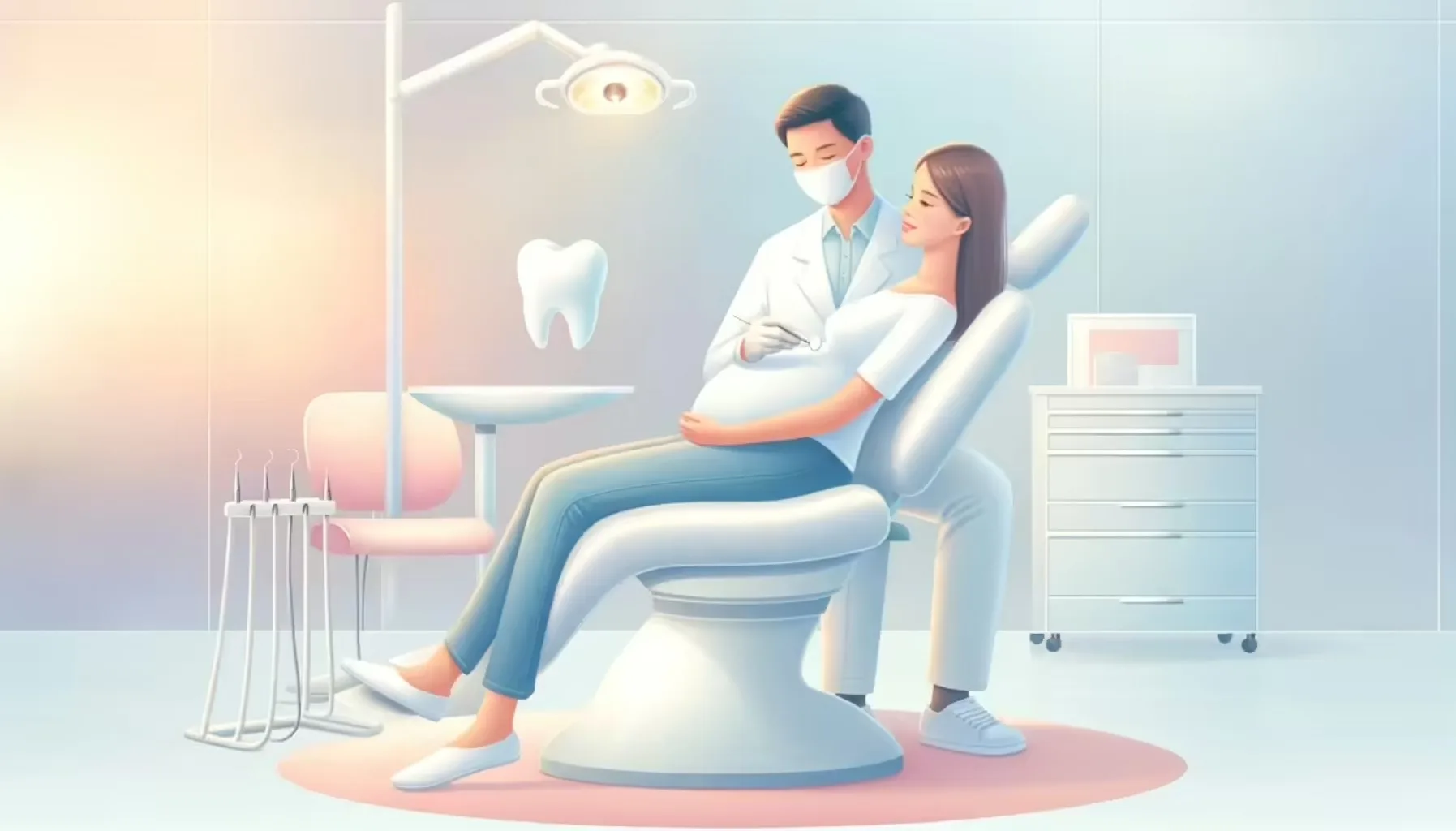
Toothache and Dental Treatment During Pregnancy
Toothache during pregnancy is a common condition faced by many expectant mothers. During this period, various problems may occur in the teeth and gums due to hormonal changes in the body. Toothache can affect not only your comfort, but also your overall health and even the health of your baby. Therefore, it is necessary to pay special attention to dental health during pregnancy.
In this article, we will explain the causes and symptoms of toothache during pregnancy, safe treatment methods and techniques for relieving pain at home in a cute language. So, while you discover ways to deal with toothaches during this special period, you can continue to smile at the same time!
What Causes Toothache During Pregnancy?
Pregnancy is an exciting process on the one hand and a process that causes many changes in our body on the other. Some of these changes, unfortunately, are also felt in our teeth. So, what causes toothache during pregnancy? Here are the most common reasons:
- Hormonal Changes: Hormonal changes in our bodies during pregnancy can cause our gums to become more sensitive and more prone to inflammation. This can lead to gum disease and therefore toothaches.
- Increased Blood Flow: Increased blood flow during pregnancy can cause the gums to become more swollen and sensitive. This, in turn, can cause pain, especially when brushing and flossing.
- Eating Habits: During pregnancy, sometimes cravings for acidic or sugary foods may increase. These types of foods can promote bacterial growth, which can lead to cavities and toothache.
- Difficulty in Dental Care: Nausea and vomiting during pregnancy can make oral hygiene difficult. In addition, these conditions can bring the enamel into contact with acids, increasing the sensitivity of the teeth.
Being aware of these reasons and paying attention to your dental health is one of the important steps to prevent toothache during pregnancy. So, how can we recognize the symptoms when these pains appear? In the next section, we will discuss “Symptoms and Diagnosis of Toothache During Pregnancy”.
Symptoms and Diagnosis of Toothache During Pregnancy
Toothache during pregnancy can be a common condition faced by many expectant mothers, but not all toothaches are the same. So, what are the symptoms of toothache during this period and how is it diagnosed? Here are some tips:
- Gingival Bleeding and Sensitivity: During pregnancy, the gums may be more sensitive. If you feel bleeding or pain while brushing or flossing, it could be a sign of gum disease.
- Swollen or Reddened Gums: If your gums appear more swollen or red than usual, it may be a sign of inflammation. This can lead to toothache during pregnancy.
- Sensitivity to Hot or Cold: If your teeth are hypersensitive to hot or cold foods and drinks, it can be an indication of tooth decay or gum disease.
- Symptoms of Tooth Decay: Black or brown spots on the teeth can be a sign of cavities. Such bruises can cause severe pain if left untreated.
To make a diagnosis, regular visits to the dentist during pregnancy are very important. Your dentist can determine the source of the problem by performing an oral exam and, if necessary, using X-rays appropriate for pregnancy.
Recognizing the signs of toothache during pregnancy and early intervention is crucial for the health of both you and your baby. So, what kind of treatments can be applied when you encounter these pains? In the next section, we will examine “Safe Treatment Methods for Toothache During Pregnancy”.

Toothache Treatment Methods During Pregnancy
When you encounter toothache during pregnancy, safe and effective treatment methods become important. Here are some methods that can be used to treat toothache during pregnancy:
- Painkillers with Doctor’s Approval: Certain painkillers can be used during pregnancy on the advice of your doctor. The most commonly recommended paracetamol is generally considered safe for pregnant women.
- Dentist Visits: Regular dental visits are important to understand the cause of your toothache and get the appropriate treatment. Your dentist will recommend treatment methods suitable for your pregnancy period.
- Fluoride Treatment: If you have pain due to tooth decay, your dentist may recommend fluoride treatment. This treatment helps prevent the progression of decay by strengthening tooth enamel.
- Gum Treatment: Gum disease is a common cause of toothache during pregnancy. Your dentist can recommend appropriate treatments to protect and improve your gum health.
- Dental Fillings and Other Treatments: If there is tooth decay, it can be safely filled even during pregnancy. Other dental treatments can also be applied in accordance with pregnancy.
Remember, before starting any treatment during pregnancy, you should definitely consult with your doctor. Your health and the health of your baby are paramount!
Methods for relieving toothache at home
There are a few simple but effective methods that you can apply at home to relieve toothache during pregnancy. Here are some practical tips:
- Salt Water Gargle: Add a teaspoon of salt to a glass of warm water and gargle with this mixture. Salt water can reduce the risk of infection and relieve pain by removing bacteria from inside the mouth.
- Cold Compress Application: Applying an external cold compress to the sore side of your face can reduce swelling and pain. While doing this, apply a cold cloth or ice pack wrapped in a cloth, not directly to your skin.
- Clove Oil: Clove oil is a natural pain reliever and antiseptic. Put a few drops of clove oil on a piece of cotton and apply it to your aching tooth or gum.
- Balanced Diet and Adequate Fluid Intake: Avoiding acidic and sugary foods helps protect your dental health. In addition, drinking plenty of water is important for your oral health.
- Gentle Brushing and Flossing: During pregnancy, the gums may become sensitive. Therefore, it is important to use a soft toothbrush and brush gently. In addition, regular flossing also helps maintain oral health.
These methods, which you can apply at home, can help relieve toothache during pregnancy. But remember, if the pain persists or intensifies, it is best to consult a dentist.
Is Tooth Extracted During Pregnancy?
Tooth extraction during pregnancy can sometimes be unavoidable. However, there are some important points to know about this:
- Safety & Timing: Tooth extraction during pregnancy is generally safe, but if possible, the second trimester is considered the best time for this procedure. Since the baby’s organ development takes place in the first trimester and the risk of preterm birth increases in the third trimester, it is recommended to avoid tooth extraction as much as possible during these periods.
- Emergencies: In case of emergency, such as severe infection or pain, tooth extraction can be performed at any stage of pregnancy. It is important to act on the advice of your doctor, as such situations can pose a risk to the health of the mother and baby.
- Anesthesia and Pain Management: When performing tooth extraction during pregnancy, the use of local anesthesia is generally safe. You can also use the medications recommended by your doctor for pain management and infection control.
- Doctor Contact: Before tooth extraction, it is important to keep in touch with both your dentist and obstetrician. Planning your procedures with the approval and guidance of both your doctors provides the safest approach during pregnancy.
Tooth extraction during pregnancy is a safe procedure when needed and done correctly. However, if any type of dental treatment is to be performed, it is best to always act under the guidance of a professional dentist and in line with the necessary medical advice.
Filling and Root Canal Treatment During Pregnancy
Dental filling and root canal treatment during pregnancy creates question marks in the minds of many expectant mothers. Some statements on this subject indicate that these treatments are generally safe:
- As stated on Dr. Alper Mumcu’s website, there is usually no harm in having dental fillings and root canals during pregnancy. It is stated that hormonal changes during pregnancy can affect your gums, so it will be useful to see your dentist. [1]
- In an article by Hürriyet, it is stated that it is safe to perform tooth extraction and tooth fillings during pregnancy. However, more information has not been given about which months of pregnancy these treatments can be applied. [2]
- An article in Anneysen.com states that tooth fillings in the first and last trimesters of pregnancy are generally not recommended, but tooth extraction and dental treatments should be postponed unless it is urgent. [3]
- An article on the Motherhood Path website states that root canal treatment is safe during pregnancy, but that this treatment should be done in the second trimester of pregnancy if possible. It is also noted that if left untreated, it can cause a tooth abscess and systematic infection. [4]
- On the website of Dr. Yetkin Bayer’s clinic, it is stated that dental fillings should be done in compulsory cases while pregnant. Unlike normal patients, it is recommended that these treatments be completed with faster sessions and as quickly as possible. This approach can help further reduce the risk of infection. [5]
Based on this information, it can be concluded that it is generally safe to have dental fillings and root canal treatments during pregnancy. However, it is important to keep in close communication with both your dentist and obstetrician about the timing and necessity of these treatments.
Pay Attention to Dental Health After Pregnancy
It is very important to take care of your dental health after pregnancy is over. Changes experienced during pregnancy can affect your dental health, and these effects can continue in the postpartum period. Here are some things you can do to protect your dental health after pregnancy:
- Regular Dentist Visits: Visiting your dentist after childbirth is important to identify and treat any dental problems that may occur during pregnancy.
- Good Oral Hygiene Practices: Maintaining regular brushing and flossing after pregnancy is one of the most important steps in protecting your dental health.
- Maintaining Healthy Eating Habits: Maintaining a diet rich in calcium, phosphorus, and vitamins, which are essential for dental health, helps keep your teeth strong.
- Avoiding Smoking and Alcohol Consumption: Avoiding harmful habits such as smoking and alcohol has positive effects on your dental health.
- Stress Management: Stress can lead to problems such as clenching. Applying stress management techniques in the postpartum period will also be beneficial for your dental health.
Taking care of your dental health in the post-pregnancy period will help you maintain a healthy smile in the long run. Remember, a healthy mouth is also an important part of your overall health!
Frequently Asked Questions
Many questions about dental health may arise during and after pregnancy. Here are some frequently asked questions and answers by expectant mothers and new mothers:
Is tooth extraction done during pregnancy?
Yes, tooth extraction can also be performed during pregnancy if necessary. However, if possible, it is preferable to do it in the second trimester and a doctor’s approval is always required.
Is it safe to have dental x-rays during pregnancy?
Modern dental X-rays use very low levels of radiation and are generally safe. However, if X-rays are required during pregnancy, extra protective measures should be taken.
Can teeth whitening be done during pregnancy?
Teeth whitening during pregnancy is generally not recommended. It is best to avoid exposure to chemicals in the process.
When to go to the dentist after pregnancy?
It’s important to visit your dentist as soon as possible after giving birth to evaluate any dental problems that may occur during pregnancy.
Are there any dental products that should not be used during pregnancy?
It’s a good idea to avoid mouthwashes that contain alcohol during pregnancy. Also, you should consult your doctor before using any dental products.