2nd Week of Pregnancy: 🌻 The Preparation Process Continues!
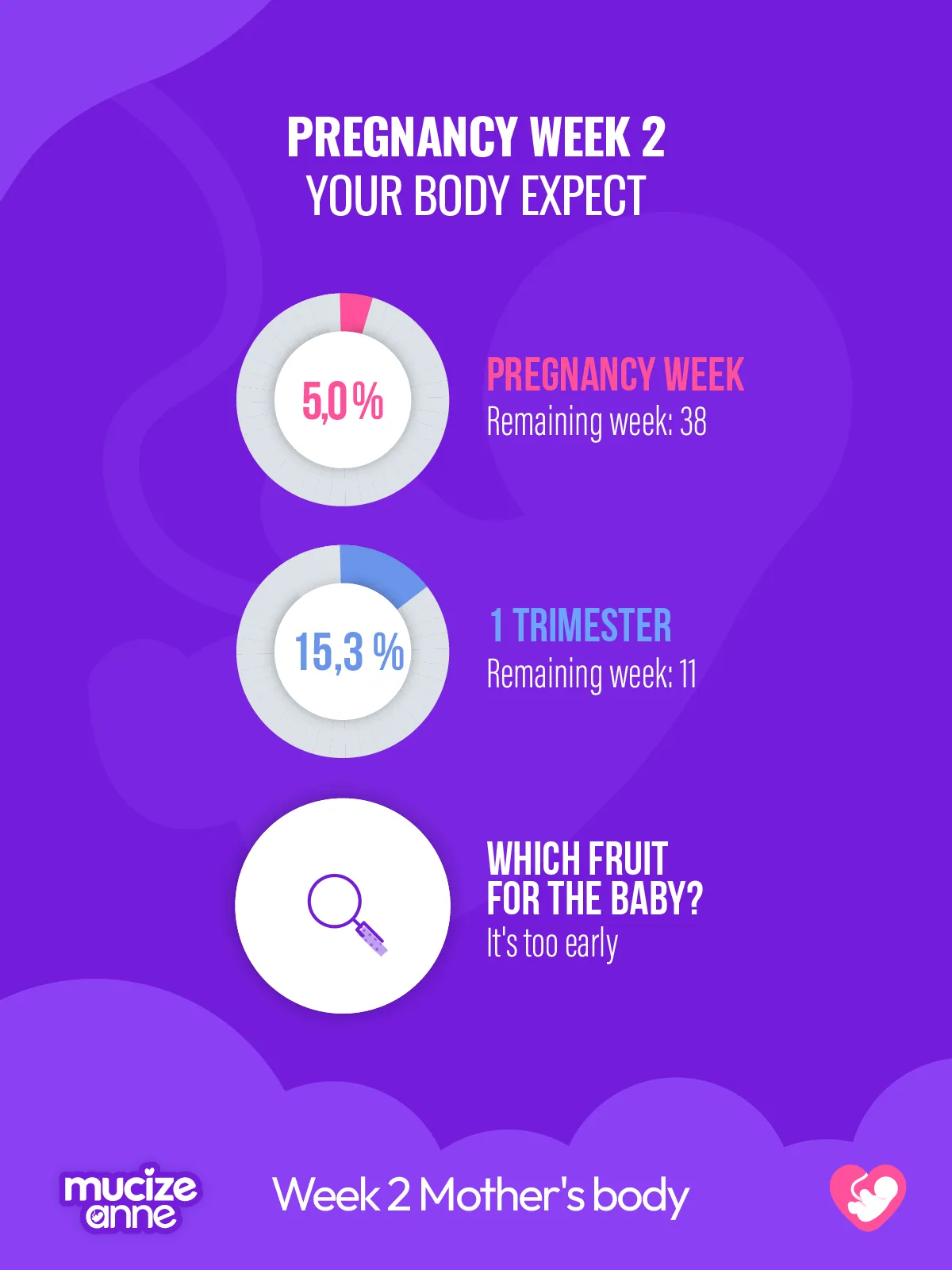
Welcome to the second week of pregnancy, a week when you don’t actually have a baby yet. The reason why pregnancy is 40 weeks long is to prepare your body before fertilization takes place and the baby begins to form. This preparation takes place during the first two weeks of pregnancy, when your body creates the right environment for ovulation and fertilization. The duration of pregnancy is therefore calculated from the first day of your last menstrual period and thus lasts 40 weeks in total.
Week 2 of pregnancy is very important for couples planning to get pregnant because this is the week of ovulation. Ovulation during this week and determining the best time for fertilization can increase your chances of getting pregnant. Let’s take a look at what you can do during this week and how you can prepare for your pregnancy journey.
Week 2 of Pregnancy – Ovulation and Changes in the Body
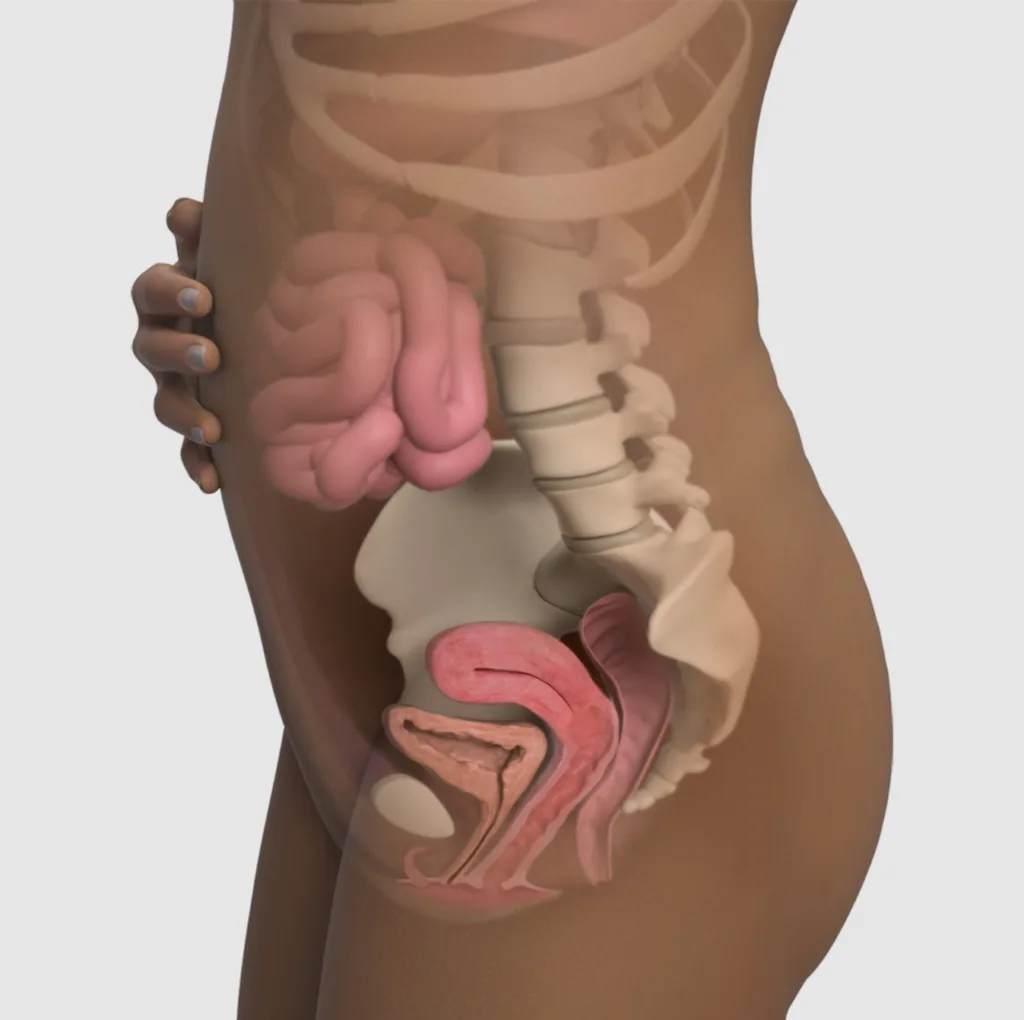
In week 2 of pregnancy, your body is preparing for ovulation. Ovulation is the process by which an egg is released from the ovaries and this week is the best time to ovulate. Here are some of the changes that occur in your body during this process:
- Release of the Egg: During this week, your ovaries release a mature egg. This egg moves towards the fallopian tubes and becomes available for fertilization.
- Cervical Mucus Change: During ovulation, the cervical mucus changes and becomes thinner, slippery and transparent. This makes it easier for sperm to reach the egg.
- Increase in Basal Body Temperature: After ovulation occurs, there is a slight increase in your basal body temperature. This increase indicates that ovulation has occurred and can be monitored to help you determine the right time.
Tips for Getting Pregnant in the 2nd Week of Pregnancy
The 2nd week of pregnancy is very important for couples who want to get pregnant. You can increase your chances of getting pregnant by following some simple tips and strategies during this period:
1. Track Ovulation Period
Tracking ovulation correctly is very important to increase your chances of getting pregnant. There are several ways to know when you are ovulating:
- Follow the Menstrual Cycle: If you have a regular 28-day cycle, ovulation usually occurs on day 14. If your cycle is longer or shorter, you can adjust this date accordingly.
- Measure your basal body temperature: By measuring your basal body temperature every morning, you can notice the temperature increase after ovulation.
- Using Ovulation Tests: Using ovulation tests available in pharmacies, you can detect an increase in LH (Luteinizing Hormone) in your urine and determine your most fertile days.
2. Have Regular Sexual Intercourse
Regular sexual intercourse during the 2nd week of pregnancy, on the days that coincide with ovulation, is the most effective way to increase your chances of getting pregnant. During this period, regular intercourse before and after ovulation increases the chances of the sperm meeting the egg. However, it is not enough to have regular intercourse; it is also important to know the right positions and some scientific facts.
Which Sexual Intercourse Positions Increase the Chance of Pregnancy?
Some sexual intercourse positions are thought to allow the sperm to reach a point closer to the cervix. These positions may increase the chances of pregnancy by making it easier for the sperm to reach the egg. Below are some recommended positions for pregnancy:
- Missionary Position: This classic position, where the woman lies on her back and the man is on top, allows the sperm to settle closer to the cervix. It is therefore one of the recommended positions to increase the chances of getting pregnant.
- Doggy Style (Approach from behind) Position: This position can help sperm to reach the uterus more directly. It can shorten the sperm’s path to the fallopian tubes, increasing the chances of fertilization.
- Side Lying (Spoon) Position: This position can offer a more comfortable and relaxing experience during intercourse. It can also help the sperm to settle in the uterus in a way that helps it enter the uterus.
In addition to the positions, lying on her back for about 15-20 minutes after intercourse can also help the sperm to move towards the cervix. Some women prefer to put a pillow under their buttocks and lift the uterus up a little during this time; this method can help gravity to facilitate the movement of sperm.
How Many Days Can Male Sperm Stay Alive in a Woman’s Body?
Male sperm can remain viable in the female body for about 3 to 5 days. Therefore, having sexual intercourse a few days before ovulation can increase the chances of fertilization. Once ovulation has occurred, the egg can only be fertilized for about 12-24 hours. Therefore, having sexual intercourse before and during ovulation maximizes the chances of getting pregnant.
Tips for Couples Struggling to Have a Baby
Some couples may have difficulty getting pregnant and in this case it may be useful to apply some additional strategies:
- Consult your doctor If you have been having regular sexual intercourse for more than a year but have not been able to conceive, it is a good idea to consult a specialist. Your doctor can assess your and your partner’s health condition, perform the necessary tests and offer appropriate treatment options.
- Track Ovulation: You can track your basal body temperature or use ovulation tests to accurately determine when you are ovulating. These methods can increase your chances of fertilization by identifying the optimal time.
- Regular and Frequent Sexual Intercourse: Regular sexual intercourse 2-3 times a week increases the chances of always coinciding with ovulation. However, it is important to strike a balance, as having intercourse every day can reduce the quality of the sperm.
- Avoid Stress Stress can negatively affect reproductive function in both men and women. Therefore, it may be helpful to do relaxing activities such as yoga, meditation or deep breathing exercises to manage stress.
3. Maintain a Healthy Lifestyle
Adopting a healthy lifestyle is very important to increase your chances of getting pregnant. Avoid smoking and drinking alcohol, eat a balanced diet and exercise regularly. This will help your body to be in optimal condition for pregnancy.
4. Try to Reduce Stress
Stress can affect your chances of getting pregnant. It is therefore important to try to relax and reduce your stress levels. You can use stress-reducing methods such as yoga, meditation or deep breathing exercises.
Pregnancy Image🤰
Frequently Asked Questions
Is it possible to get pregnant this week?
Yes, if your ovulation is approaching, it is possible to get pregnant this week!
When does ovulation occur?
It usually happens in the middle of the menstrual cycle, around day 14. However, every woman is different.
When does ovulation occur?
Ovulation usually occurs around day 14 of the menstrual cycle, but this can vary from person to person.
What do ovulation tests do?
Ovulation tests are used to predict your ovulation period. These tests detect a rise in LH (luteinizing hormone) levels.
What are the signs of ovulation?
During ovulation, there may be breast tenderness, mild abdominal pain and increased vaginal discharge.
What are my chances of getting pregnant if I have sex during ovulation?
Having sexual intercourse during ovulation can increase your chances of pregnancy. However, this is not a guarantee.
What is the best time for pregnancy?
Ovulation is considered the best time to get pregnant.
At 2 weeks, can I take a pregnancy test?
Since week 2 is usually too early, the test is usually negative. It may be better to do the test after a delayed period.
Does drinking alcohol or caffeine during this period affect pregnancy?
Even during ovulation, alcohol and excessive caffeine consumption can potentially affect pregnancy.
Should I take folic acid supplements?
If you are planning to get pregnant, you may want to consider taking folic acid. This is important for the healthy development of the baby’s nervous system.
Is ovulation pain normal?
Yes, ovulation pain (mittelschmerz) is quite normal and is usually mild and short-lived.
What kind of diet should I follow during this period?
A balanced and healthy diet creates the best conditions for pregnancy. Make sure you eat foods rich in iron, calcium and folic acid.
Pregnancy Week 2 Checklist
We have prepared a checklist to help you remember what you need to do this week:
- ✅ Drink plenty of water: Make sure you drink enough water to keep your body hydrated.
- ✅ Track Your Menstrual Cycle: Track your cycle to determine the day you ovulate.
- ✅ Use an Ovulation Test: Use an ovulation test to accurately detect the time of ovulation.
- ✅ Measure your basal body temperature: Track your ovulation time by measuring your basal body temperature every morning.
- ✅ Have regular sexual intercourse: Have regular sexual intercourse during ovulation.
- ✅ Continue to Eat a Healthy Diet: Adopt a diet rich in folic acid and other nutrients.
- ✅ Make an Effort to Reduce Stress: Try to avoid stress with relaxing activities.