Oily Skin During Pregnancy
Oily skin during pregnancy is a common condition that many women face during this particular period. This period can lead to various changes in the skin as a result of hormonal changes in the body. Increased acne, blackheads, and enlarged pores during pregnancy can indicate skin problems as well as pregnancy glow.
In this article, we will take an in-depth look at the causes of oily skin during pregnancy, what to do to manage this condition, and safe skin care practices during pregnancy. Thus, you can learn how to protect and care for your skin in the best way during this special and sensitive period.
Causes of Oily Skin During Pregnancy
Oily skin during pregnancy can be mainly associated with hormonal changes in the body. During pregnancy, especially the increase in the hormones progesterone and estrogen, can affect the skin’s oil production. These hormonal fluctuations cause the skin sebaceous glands to become more active and thus increase the oiliness of the skin.
In addition, increased androgen hormones during pregnancy can also trigger skin oiliness. These hormones stimulate the sebaceous glands, leading to the production of more sebum (skin oil). This excess sebum paves the way for clogging of skin pores and acne formation.
In addition, the increase in the body’s water holding capacity during pregnancy can also affect oily skin. When the body retains more water, the skin can take on a more oily and shiny appearance.
To summarize, hormonal changes are basically behind oily skin during pregnancy. These hormonal changes affect the sebaceous glands of the skin, causing an increase in oiliness on the skin. This condition is a natural and temporary phenomenon that occurs during pregnancy and usually tends to improve with the termination of pregnancy.
Skin Care During Pregnancy
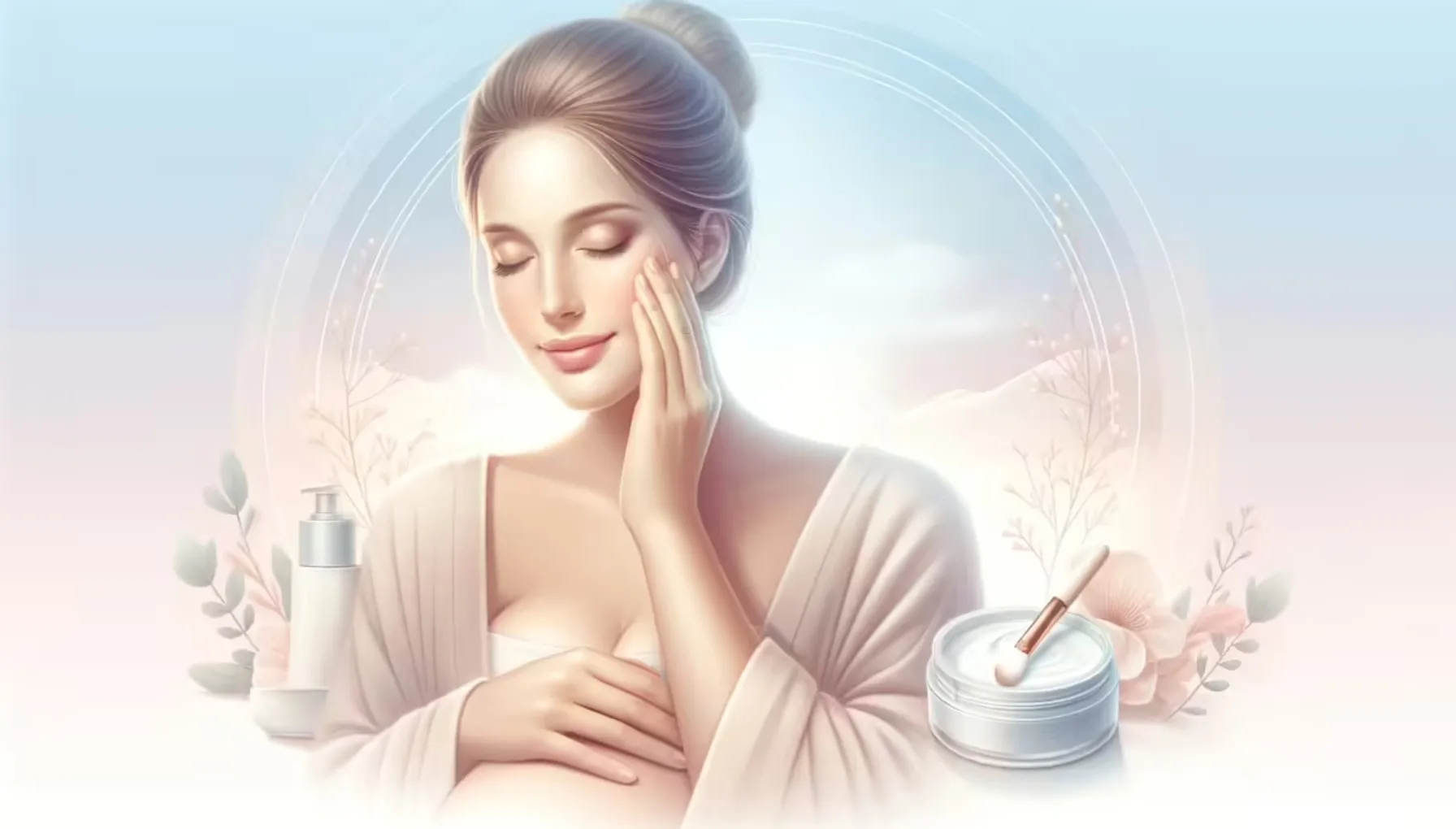
Skin care during pregnancy is important for the health of both mother and baby. During this period, the skin undergoes various changes due to changing hormone levels and increased blood flow. Proper skin care is necessary to manage oily skin during pregnancy and maintain a healthy skin health.
Take Care of Skin Cleansing
- Use Gentle Cleansers: During pregnancy, the skin may be more sensitive and reactive. Using soap-free, gentle and natural cleansers helps to cleanse the skin without irritating it.
- Regular Washing: Washing your skin twice a day, morning and evening, helps to remove excess oil and dirt.
- Alcohol-Free Products: Products containing alcohol can dry out and irritate the skin. Therefore, preference should be given to tonics and cleansers that do not contain alcohol.
Choose the Right Skin Care Products
- Paraben- and Perfume-Free Products: Skin care products to be used during pregnancy should not contain harmful chemicals such as parabens and perfumes.
- Hyaluronic Acid and Vitamin K: Products containing hyaluronic acid and skin-strengthening vitamin K, which protect the moisture of the skin and increase its elasticity, can be preferred.
- Vitamin C-Containing Products: Vitamin C-based treatments that protect against blemishes and nourish the skin are ideal for pregnancy.
Sun Protection
- Use of Sunscreen: Since the skin is more sensitive during pregnancy, sunscreens with a high SPF should be used to protect against UV rays.
- Sunscreen on Daytime Moisturizer: Sunscreen applied on top of the moisturizer helps keep the skin healthy and prevent blemishes.
Other Important Tips
- Adequate Hydration: Drinking plenty of water helps maintain the skin’s moisture balance and remove toxins.
- Balanced Diet: A balanced diet that includes vitamins and minerals essential for skin health supports the overall health of both mother and baby.
Skin care during pregnancy should not be limited to your face. Suitable moisturizers and care products should also be used for other parts of the body. Additionally, it is important to keep a close eye on any changes in your skin and consult with your dermatologist in case of any concerns. Proper skin care during this period will keep your skin healthy and vibrant both during and after pregnancy.
Safe Skin Care Products During Pregnancy
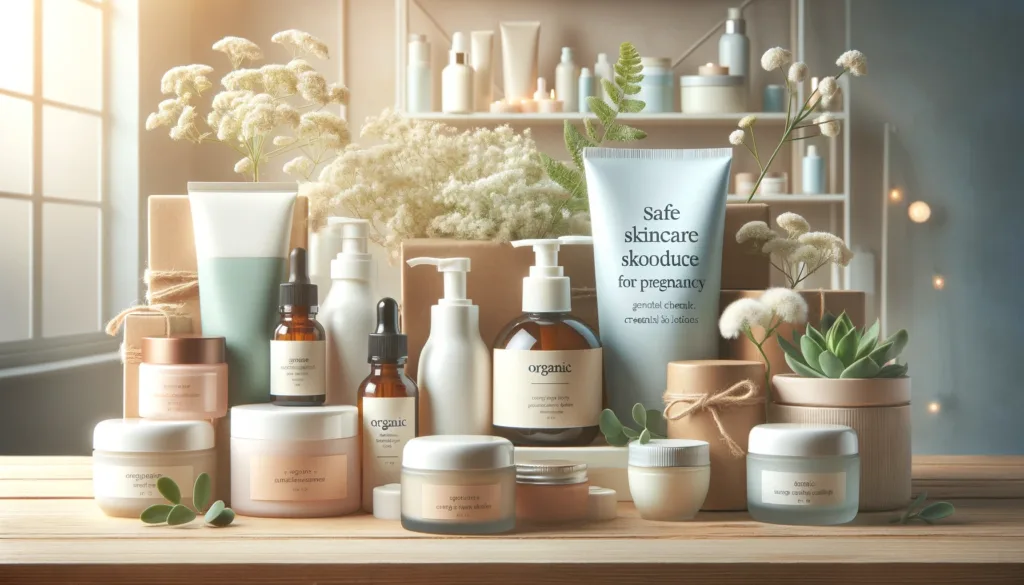
When caring for skin during pregnancy, it is essential that the products used do not harm the health of both the expectant mother and the baby. It is of great importance to choose safe and effective products to deal with oily skin and other skin problems during pregnancy.
Organic and Natural Products
- Organic Care Creams: Organic care creams do not contain chemical additives and are gentler on the skin. Products containing natural oils and vitamins nourish the skin and provide the necessary care without tiring it.
- Chemical-Free Shampoos: It is important to avoid chemical-containing shampoos when caring for hair during pregnancy. Organic and mild shampoos help keep the hair healthier during pregnancy.
Staying Away From Harmful Substances
- Paraben- and SLS-Free Products: These substances can cause skin irritation and allergic reactions. Paraben- and SLS-free products are safer in the fight against oily skin during pregnancy.
- Alcohol and Perfume-Free Products: Alcohol can dry and irritate the skin. Perfumed products can also increase skin sensitivity. Therefore, it is important to avoid this type of content.
Products Suitable for Skin Type
- Water-Based Products for Oily Skin: If you have oily skin type, choosing water-based skin care products instead of oil-based skin care helps keep oily skin under control.
- Soothing Products for Sensitive Skin: Products with soothing and anti-inflammatory properties for sensitive skin can reduce skin conditions.
Sun Protection Products
- Sunscreens with High SPF: Considering that the skin is more sensitive to the sun’s rays during pregnancy, using sunscreens with high SPF helps prevent the formation of blemishes.
- Mineral-Based Sunscreens: Mineral-based sunscreens instead of chemical filters protect the skin from the harmful rays of the sun and reduce the risk of damage to the skin.
When taking care of your skin during pregnancy, your skin type and existing skin problems should be considered in addition to the content in the selection of the product. If you have any hesitation in choosing a product, it is best to seek help from a dermatologist or skin care professional. Remember that skin care during pregnancy is important for the health of both you and your baby. Therefore, using safe and effective products is key to maintaining your skin health during this special period.
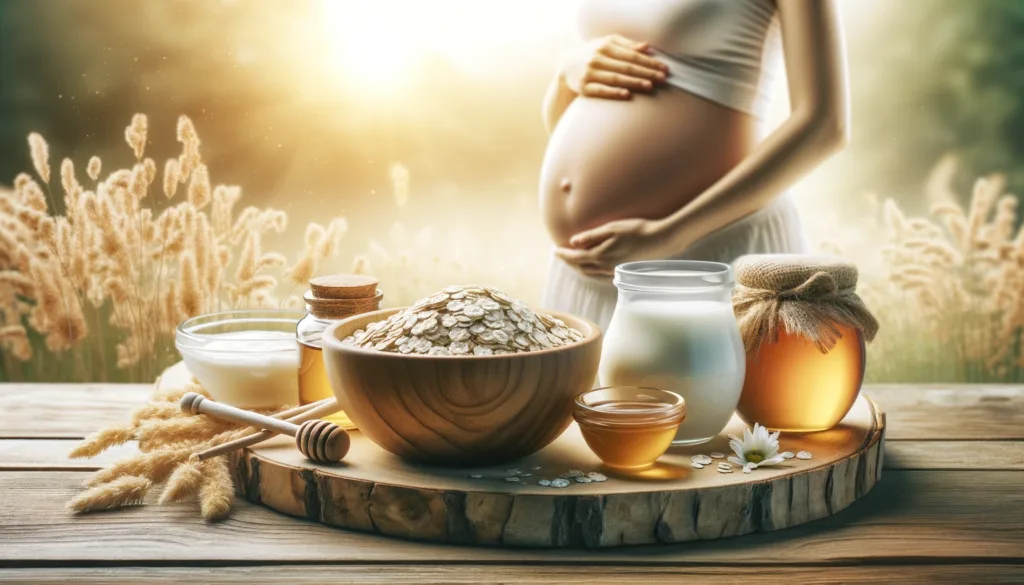
Herbal Skin Mask Recipes and Applications
Homemade herbal skin masks occupy an important place among natural and safe methods of skin care during pregnancy. These masks offer effective methods to both control oiliness on the skin and nourish the skin. Here are some homemade skin mask recipes that you can safely use during pregnancy:
Oat, Honey and Yogurt Mask
This mask is ideal for sensitive skin. As a natural moisturizer, oats soothe the skin and reduce irritations. Also, the saponins in oats help flush out excess fat. When combined with honey and yogurt, this mask provides the skin with both an exfoliating and nourishing effect【24†source】.
Ingredients:
- 2 tablespoons cooked oats
- 2 tablespoons of yogurt
- 1 teaspoon of honey
Construction:
Mix the ingredients to create a paste and rub it on your face. Leave it on for 15 minutes, then wash your face with water.
Matcha Powder and Aloe Vera Mask
This mask is suitable for redness and inflamed skin. Both aloe vera and matcha have skin-soothing and anti-inflammatory properties. The caffeine in matcha helps reduce redness on the skin.
Ingredients:
- 1 teaspoon aloe vera gel
- 1 teaspoon matcha powder
Construction:
Prepare a paste by mixing the two ingredients and apply it to your skin. Leave on for 15-20 minutes, and then wash off with water. Repeat twice a week.
Banana and Honey Mask
While moisturizing the skin, bananas control oily skin and help treat acne. In addition, bananas have antioxidant properties and protect against signs of premature aging. Honey, on the other hand, moisturizes the skin and prevents an oily appearance.
Ingredients:
- 1 ripe banana
- 2 teaspoons of honey
Construction:
Mash the banana and mix it with the honey. Apply it to clean skin and leave it on for 15-20 minutes. Then wash it off. You can use it 2-3 times a week.
Lemon and Aloe Vera Mask
Aloe vera and honey soothe the skin and treat acne and inflammation. Lemon, on the other hand, offers firming properties to the skin and strengthens the skin barrier, preventing skin infections and irritations.
Ingredients:
- 1 tablespoon aloe vera gel
- 1 teaspoon lemon juice
Construction:
Mix the ingredients and apply to the skin. Leave on for 10-15 minutes and wash off with warm water.
These recipes offer natural and safe solutions to deal with oily skin and other skin issues during pregnancy. With regular use, they can help your skin look healthier and more vibrant. However, if any material causes irritation or an allergic reaction to your skin, stop using it and seek professional advice. (Mask, Source: POPxo)
Other Skin Problems Encountered During Pregnancy
Apart from oily skin during pregnancy, expectant mothers may also face various skin problems. Hormonal changes and other physiological changes in the body during this period can have various effects on the skin. Here are some common skin problems encountered during pregnancy:
Skin Dryness and Itching
During pregnancy, the moisture balance of the skin can change, which can lead to skin dryness and itching. Skin stretching, especially in the abdomen, can increase itching. Using moisturizers and natural oils (for example, almond oil or coconut oil) helps to retain moisture in the skin.
Pregnancy Spots (Melasma)
Increased hormone levels during pregnancy can lead to the formation of brown spots on the face. These spots usually appear on the forehead, cheeks and upper lip. The use of sunscreen and products containing vitamin C can help reduce the formation of these spots.
Cracks
The skin expands quickly during pregnancy, which can lead to the formation of stretch marks. Stretch marks usually appear in the abdomen, buttocks, chest and thighs. Regular use of moisturizing and flexibility-enhancing products can prevent or reduce the formation of stretch marks.
Acne and Pimples
Increased oil production and hormonal changes during pregnancy can trigger the formation of acne and pimples . Using gentle and natural skin cleansers, alcohol-free toners and appropriate moisturizers can help control these problems.
Spider Veins and Varicose Veins
The increase in blood volume and changes in hormone levels during pregnancy can cause the veins on the skin to become more prominent. This condition often leads to the formation of varicose veins on the legs and spider veins on the face.
Hormonal Color Changes
During pregnancy, color changes may appear in some skin areas. For example, the nipples, genital area, and armpits may change to a darker color. These changes are usually temporary and return to normal after birth.
Many of these skin problems are a natural part of pregnancy and usually subside or disappear completely after pregnancy. However, it is important to consult a dermatologist or healthcare professional when skin problems are serious or bothersome. In any case, taking gentle and careful care of your skin during pregnancy will help you get through this period more comfortably.
Things to Do to Prevent Oily Skin During Pregnancy
There are some important steps to take to prevent and control oily skin during pregnancy. Gently cleansing your skin and creating a balanced care routine during this period can help reduce oily problems.
Regular and Gentle Skin Cleansing
- Use Gentle Cleansers: Use soap-free and pH-balanced cleansers that will gently remove skin oil. Avoid over-drying products, as these products can trigger more oil production in the skin.
- Face Wash Twice a Day: Washing your skin in the morning and evening helps remove accumulated oil and impurities. However, avoid over-washing the skin as this can disrupt the skin’s natural oil balance.
Choosing the Right Skin Care Products
- Oil-free and Lightly Formulated Products: Oil-free and lightweight moisturizers help prevent excess oiliness while providing the moisture the skin needs.
- Non-Alcoholic Tonics: If you are going to use a skin tonic, choose those that do not contain alcohol and have soothing properties to the skin.
Healthy Lifestyle
- Balanced Diet: A healthy diet has a positive effect on skin health. Consuming foods that contain omega-3 fatty acids, vitamins, and antioxidants supports the health of the skin.
- Adequate Water Consumption: Drinking enough water per day helps maintain the skin’s moisture balance and remove toxins.
Stress Management
- Relaxation and Stress Reduction Techniques: Meditation, light exercises, and adequate sleep help to lower stress levels and therefore improve skin health.
Sun Protection
- Sunscreen Usage: Use sunscreens with high SPF to protect the skin against the sun’s harmful UV rays. This also helps prevent pregnancy spots.
Regular Skin Care
- Weekly Exfoliation and Mask: Applying a gentle exfoliating and moisturizing mask once a week keeps the skin healthier and more balanced.
These steps are effective ways to prevent and control oily skin during pregnancy. However, if you experience any skin issues or are hesitant about certain products, it is best to consult a dermatologist. Remember, every skin type is different, and skincare during pregnancy should be customized to individual needs.
Frequently Asked Questions
Is it normal to have oily skin during pregnancy?
Yes, oily skin is quite common during pregnancy. Due to hormonal changes, the sebaceous glands produce more sebum (skin oil), which leads to oily skin. This is a natural part of pregnancy and is usually harmless.
Which skin care products should not be used during pregnancy?
During pregnancy, it is important to avoid products containing retinoids and high-dose salicylic acid. In addition, products containing parabens, perfumes and alcohol can irritate the skin and should not be used. Always choose products that are known to be safe, gentle and with natural ingredients.
Is it safe to use a homemade mask for skin care during pregnancy?
Yes, homemade masks made with natural ingredients are generally considered safe during pregnancy. However, if you have any allergies or sensitivities, do a test before applying a new mask and choose the ingredients carefully.
Are cracks in the skin during pregnancy permanent?
Pregnancy stretch marks may fade over time, but they may not disappear completely. It can be effective to use moisturizing creams and special care products to reduce the appearance of stretch marks.
When do pregnancy spots appear and how to prevent them?
Pregnancy spots usually appear in the second trimester. Using sunscreen and taking care of the skin with products containing vitamin C can help prevent these spots from forming.
What foods should I consume to reduce oily skin during pregnancy?
Consuming foods rich in omega-3 fatty acids, green leafy vegetables, and fruits that contain antioxidants can support skin health. In addition, drinking plenty of water and following a healthy diet helps maintain the skin’s moisture balance.
Why is it important to use sunscreen during pregnancy?
During pregnancy, the skin becomes more sensitive and more sensitive to UV rays. Using sunscreen helps prevent skin blemishes and other sun damage. Mineral-based sunscreens with a high SPF are recommended.
Is there a link between oily skin during pregnancy and gender?
There is no scientifically proven link between oily skin during pregnancy and the sex of the baby. Oily skin is caused by hormonal changes experienced during pregnancy, and these hormonal changes are not directly related to the sex of the baby. Common beliefs and myths about the sex of the baby are based on cultural and popular accounts rather than scientific basis. Skin changes during pregnancy are the result of individual and genetic factors that vary from person to person. Therefore, it is not correct to use fatty skin to predict the sex of the baby.