Varicose Veins in Pregnancy: Why Does It Happen? How does it go?
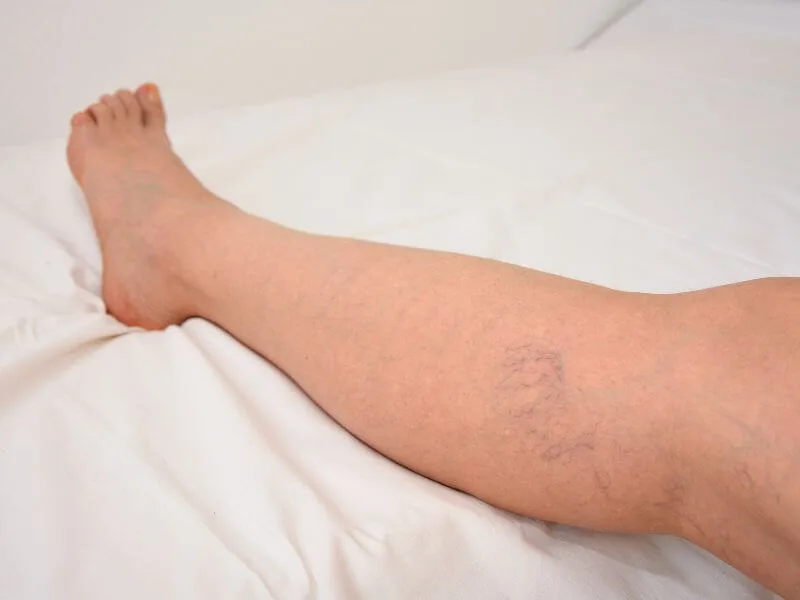
Pregnancy is one of the most special periods in many women’s lives. However, there are some challenges that this beautiful period may bring. “Varicose Veins Formation During Pregnancy” is one of these difficulties. Varicose veins are vasodilations that occur when the veins dilate and swell and move closer to the surface of the skin. In this article you will find what you need to know about the causes, prevention and treatment of varicose veins during pregnancy.
Causes of Varicose Veins During Pregnancy
During pregnancy, many women experience the formation of varicose veins. The reasons for this condition are due to a combination of several factors.
- Increased Blood Volume: During pregnancy, the body’s blood volume increases significantly. This increase causes more blood to circulate in the veins, which can lead to dilation of the veins and the formation of varicose veins.
- Hormonal Changes: During pregnancy, the level of the hormone called progesterone rises. This hormone can cause the vessel walls to relax, which can increase the risk of varicose veins.
- Pressure of the uterus: With the growth of the baby, the uterus also expands. This enlarged uterus can put pressure on the large vessels in the pelvic area. This pressure can make it difficult for blood to return to the legs, triggering the formation of varicose veins.
- Genetic Factors: Family history is another reason for the formation of varicose veins. If you have a family history of varicose veins, your risk of developing varicose veins during pregnancy may also increase.
- Increased Body Weight: Weight gain during pregnancy can put an extra strain on the leg veins. This can facilitate the formation of varicose veins.
- Slowing of Blood Circulation: During pregnancy, especially in the last trimester, blood circulation may slow down. This slowdown can cause blood to pool in the legs and lead to varicose veins.
- Previous Pregnancies: Women who have had one or more previous pregnancies may have a higher risk of developing varicose veins than those who are pregnant for the first time.
The combination of these reasons is the main reason for the formation of varicose veins during pregnancy. However, these risks can be reduced with some precautions to be taken.
Symptoms of varicose veins during pregnancy

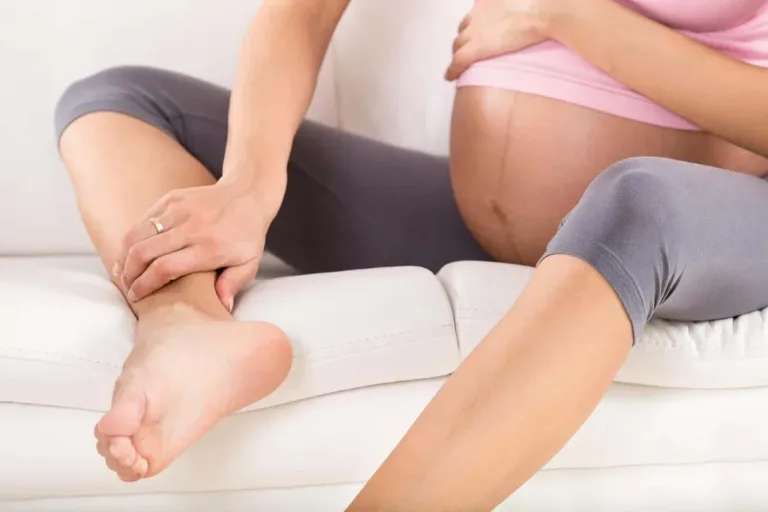
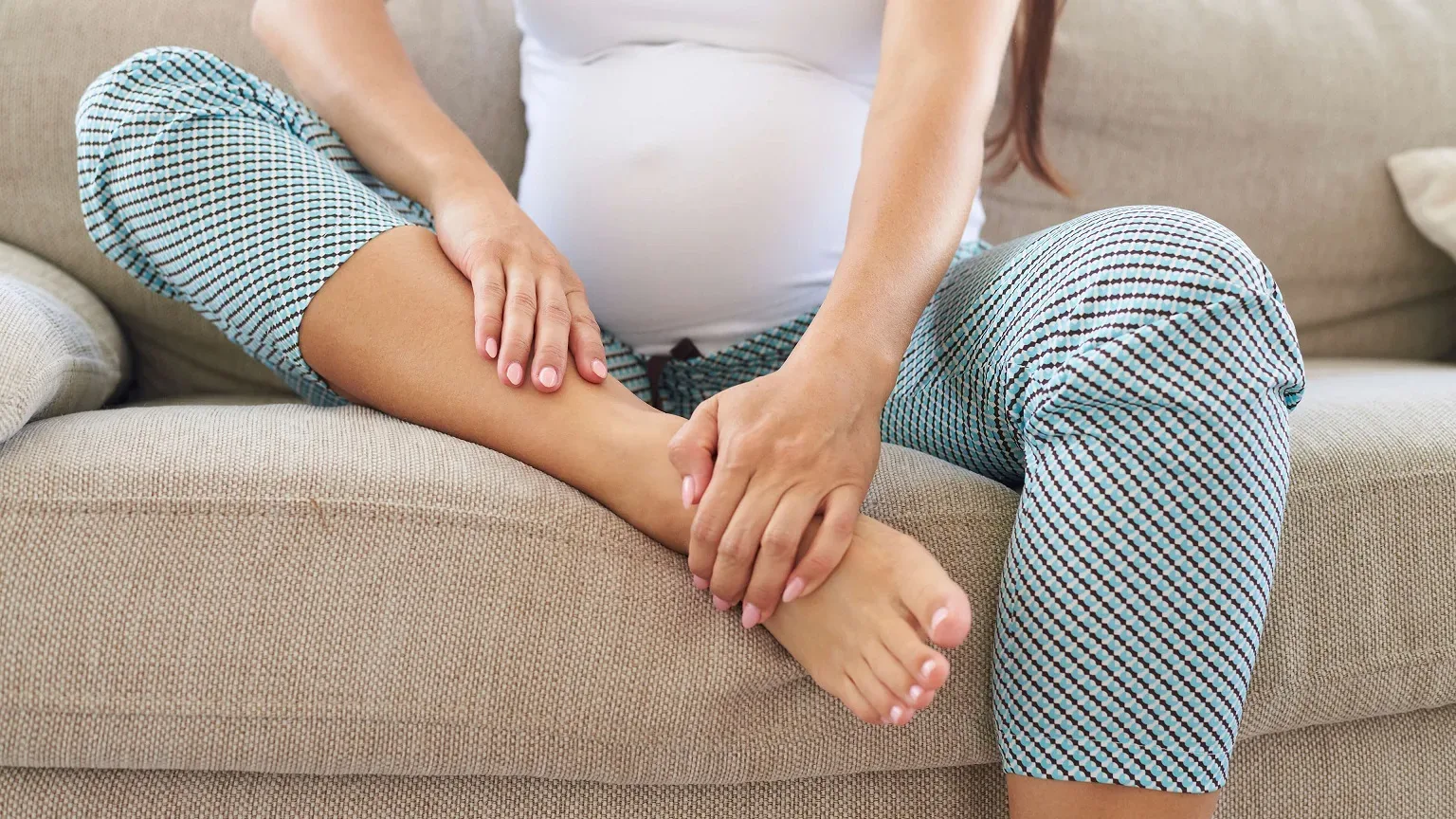
During pregnancy, a number of symptoms may occur, accompanied by the formation of varicose veins. These symptoms are usually felt more intensely in the lower legs and ankles. Here are the most common symptoms of varicose veins during pregnancy:
- Appearance of Blue or Purple Veins: The most common symptom is the appearance of enlarged veins of blue or purple color on the legs. These veins can usually be in the form of a spider web (spider veins) or larger, swollen.
- Pain and Feeling of Heaviness in the Legs: Varicose veins can cause pain and a feeling of heaviness in the legs. This sensation usually increases later in the day.
- Burning or Itching in the Legs: There may be a burning or itching sensation in the areas affected by varicose veins.
- Swelling in the legs: Edema (swelling) may occur in the ankles and legs.
- Contraction or Cramping in the Veins: There may be cramps in the leg muscles, especially at night.
- Change in skin color on the legs: In the areas affected by varicose veins, there may be color changes (darkening) on the skin.
- Hardening of the Veins: There may be hardening of the tissues around varicose veins.
- Skin Thinning or Ulcer Formation on the Legs: In cases of advanced varicose veins, thinning of the skin and wounds (ulcers) that do not heal for a long time may occur.
These symptoms of varicose veins during pregnancy may become more pronounced later in pregnancy. However, after childbirth, these symptoms may decrease or disappear completely in many women. If symptoms become severe or alarming, it is important to contact a healthcare professional.
Ways to Prevent Varicose Veins During Pregnancy
- Regular Exercise: Light exercise, such as regular walking , can improve blood circulation and reduce the risk of varicose veins.
- Correct Position: Elevating your feet to a high place can promote blood circulation. Avoid standing or sitting for long periods of time.
- Adequate Water Consumption: Drinking enough water can help keep your arteries healthy.
- Use of Elastic Stockings (Compression Stockings): Elastic stockings can prevent blood from accumulating on the legs, thus reducing the risk of varicose veins.
Risk Factors of Varicose Veins in Pregnancy
There are many risk factors that are effective in the formation of varicose veins during pregnancy. These risk factors indicate conditions in which varicose veins are more likely to occur during pregnancy:
- Genetic predisposition: Women with a family history of varicose veins are more likely to be prone to varicose veins during pregnancy.
- Multiple Pregnancies: Recurrent pregnancies can increase the risk of varicose veins due to increased blood volume and pressure in the pelvic area and legs.
- Twin or Multiple Pregnancy: Since the size and weight of the uterus will be higher in twin or multiple pregnancies, it also increases the pressure that triggers the formation of varicose veins.
- Age: Advanced age can cause weakening of the vessel walls and valves, which can increase the risk of varicose veins.
- Obesity: Being overweight or obese puts extra pressure on the leg veins, which increases the risk of varicose veins.
- Standing for a long time: Being inactive for long periods of time, especially on your feet, can slow down blood circulation in the legs, which can increase the risk of varicose veins.
- Hormonal Changes: Hormonal changes that occur during pregnancy can cause the vessel walls to relax. In addition, birth control pills or hormone therapy can also affect the risk of varicose veins.
- Previous formation of varicose veins: If a woman has previously experienced the formation of varicose veins, then it is likely that this risk will increase in the next pregnancy.
- Chronic Constipation: Chronic constipation can adversely affect blood circulation in the pelvic area, which can increase the risk of varicose veins.
- Pelvic Tumors: Rarely, tumors in the pelvic area can block blood circulation in the legs, which can increase the risk of varicose veins.
These risk factors give an idea of how high a woman’s risk of developing varicose veins during pregnancy is. However, the presence of these factors does not necessarily mean that varicose veins will occur. Being aware of risk factors is important to take precautions. If you have one or more of these risk factors, you should talk to your doctor about preventing and treating varicose veins.
Treatment of Varicose Veins During Pregnancy
- Compression Stockings: Compression stockings can increase blood circulation by compressing the veins of the legs.
- Drug Treatment: Some medications taken on the recommendation of your doctor can relieve the symptoms of varicose veins.
- Minimally Invasive Treatments: Minimally invasive methods, such as laser treatments, can treat varicose veins.
The formation of varicose veins during pregnancy is a problem faced by many women. However, you can overcome this problem with the recommendations and treatment methods we have mentioned in this guide. We recommend that you communicate with your doctor regularly so that you can spend your pregnancy process in the most comfortable way.
Frequently Asked Questions
Are varicose veins permanent during pregnancy?
While varicose veins may disappear in some women after pregnancy, they may be permanent for others. However, with the right treatment, the symptoms can be alleviated.
Do varicose veins during pregnancy harm the baby?
No, the formation of varicose veins during pregnancy does not harm the baby. However, it is recommended to treat it for the comfort of the mother.
How can I reduce the risk of varicose veins during pregnancy?
You can reduce the risk with methods such as regular exercise, correct position, adequate water consumption and the use of elastic socks.
Source: ClevelandClinic