Pilates during pregnancy
Pregnancy is an extraordinary time when you start a new chapter in your life and your body and mood are in constant change. In this exciting adventure, the word “Pilates during pregnancy” plays a key role! Well, have you ever thought about the benefits of doing pilates during pregnancy? In this article, we will discover how pilates during pregnancy is a miraculous journey, step by step, joyfully and healthily.
Pilates during pregnancy is like a friend that supports you mentally while helping your body adapt to the changes it experiences during this special period. In this article, we will discuss in detail not only the physical but also the mental and emotional benefits of Pilates during pregnancy. We aim to make this special period more enjoyable and comfortable by addressing issues such as the safety of doing pilates during pregnancy, which movements are appropriate and how a routine can be created. Let’s embark on this fun and informative journey together!
Benefits of Pilates During Pregnancy
The benefits of doing Pilates during pregnancyare a treasure trove. In this section, we’ll take an in-depth look at the benefits offered by Pilates during pregnancy.
- Muscle Strengthening and Flexibility: Pilates specifically targets your abdominal, back, and pelvic floor muscles. The strengthening of these muscles helps to support increased body weight during pregnancy. In addition, it can facilitate the birth process by giving it flexibility.
- Posture Correction: Your changing body shape during pregnancy can often lead to posture disorders. Pilates helps correct your posture and maintain spine health.
- Breath Control and Relaxation: Pilates places great emphasis on breathing techniques. These techniques provide both mental and physical relaxation and can help you with breath control during labor.
- Increasing Energy Level: Regular pilates exercises increase your energy levels and help you feel more alive during pregnancy.
- Stress and Anxiety Reduction: Pilates is effective in reducing stress and anxiety by providing mental focus and relaxation.
- Preparing for Postpartum Recovery: Pilates exercises during pregnancy can help speed up the postpartum recovery process.
Doing Pilates during pregnancy allows you to spend this period in a healthier and more enjoyable way, while also helping you prepare for childbirth. During this unique period that every pregnant woman experiences, Pilates is like a guide that supports your body and mind. Take care of yourself with pilates on this journey!
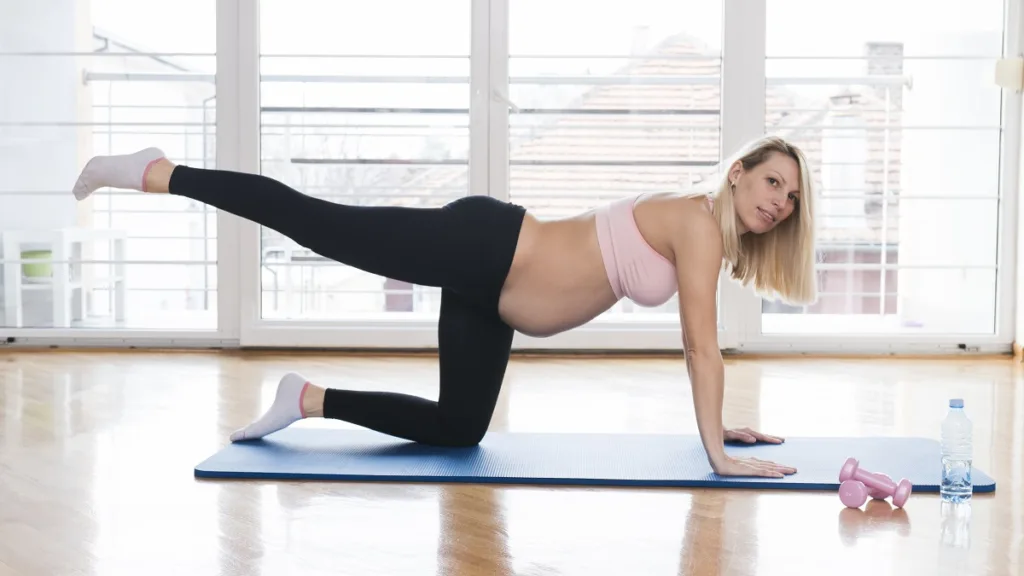
Things to Consider When Doing Pilates During Pregnancy
Safety comes first when doing Pilates during pregnancy. Although there are many benefits to doing Pilates during this period, you need to consider some important points to ensure your safety.
- Doctor’s Approval: Be sure to talk to your doctor before starting pilates during pregnancy. Remember that every pregnancy is different and follow your doctor’s recommendations.
- Working with an Experienced Instructor: When doing pilates during pregnancy, it is important to get support from an experienced instructor. Learning how to perform correct forms and movements reduces the risk of injury.
- First Trimester Cautions: It is important to avoid some movements during the first three months, especially lying on your back and doing deep abdominal exercises are not recommended during this period.
- Pay Attention to the Abdominal Area: In the later stages of pregnancy, you should avoid movements that may put excessive pressure on your abdominal muscles.
- Choosing the Right Movement: Some pilates movements may not be suitable during pregnancy. Therefore, be careful in choosing the movement and act in accordance with your instructor’s recommendations.
- Don’t Neglect Rest: When doing Pilates during pregnancy, it’s very important to listen to your body’s signals. Take a break from exercise when you feel tired or uncomfortable.
- Hydration and Nutrition: Take care to consume enough water and eat a balanced diet during exercise.
The safety of doing Pilates during pregnancy is possible with the right knowledge and attention. Follow these tips to take care of yourself and your baby during this period. By prioritizing your health and safety every step of the way, you can enjoy pilates during pregnancy!
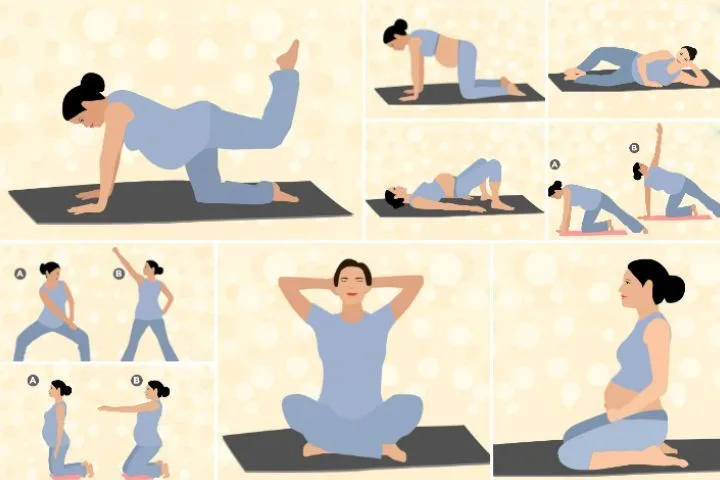
Pilates Movements According to Pregnancy Periods
During pregnancy, your body is constantly changing, and choosing pilates movements suitable for these changes is important for the health of both you and your baby. Here are the recommended pilates moves for each stage of pregnancy:
First Trimester (1-13 Weeks):
- Modified Pelvic Tilt: With your back on a flat surface, you can start by moving your pelvic floor muscles. This helps to strengthen the abdominal area and back.
- Wall Squats: Leaning against the wall strengthens your leg and hip muscles and helps you maintain your balance.
Second Trimester (14-27 Weeks):
- Side-Lying Leg Lifts: Leg lifts while lying on your side work your legs and hips without putting pressure on the abdomen.
- Cat-Dog Stretch: You can increase your back flexibility by stretching your spine up and down on all fours.
Third Trimester (28-40 Weeks):
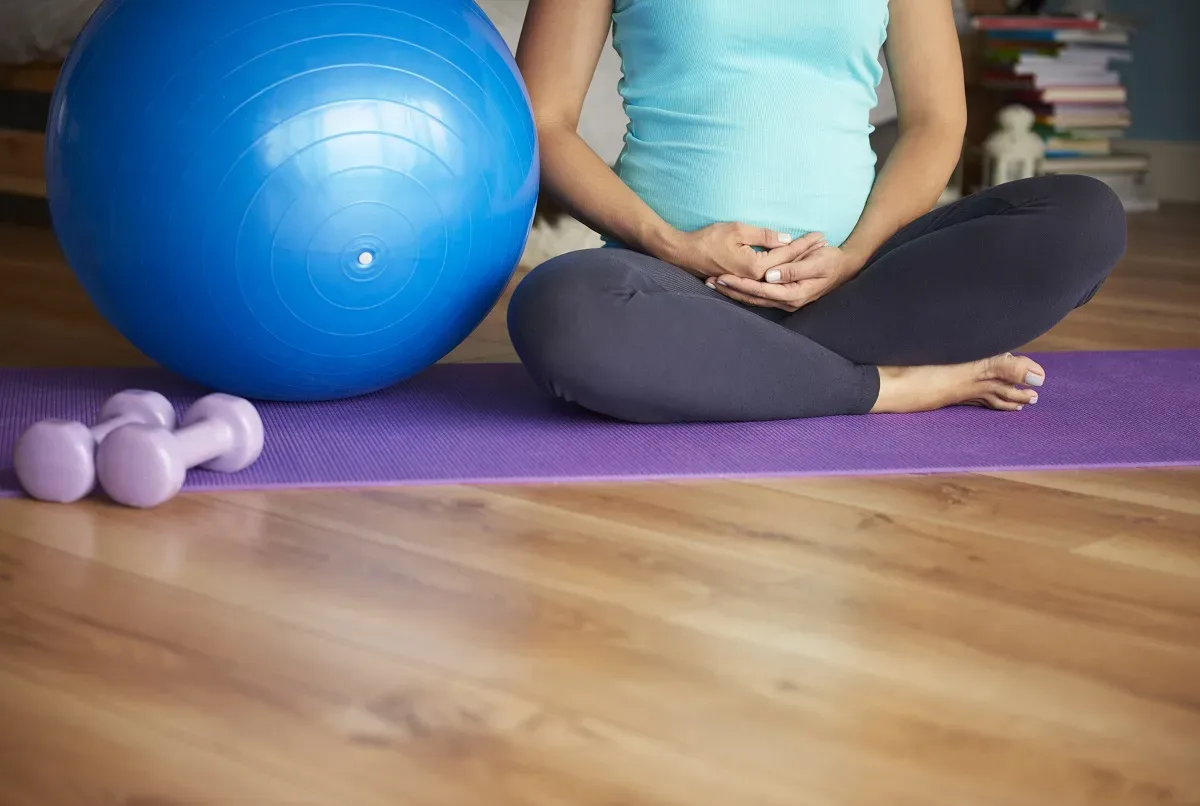
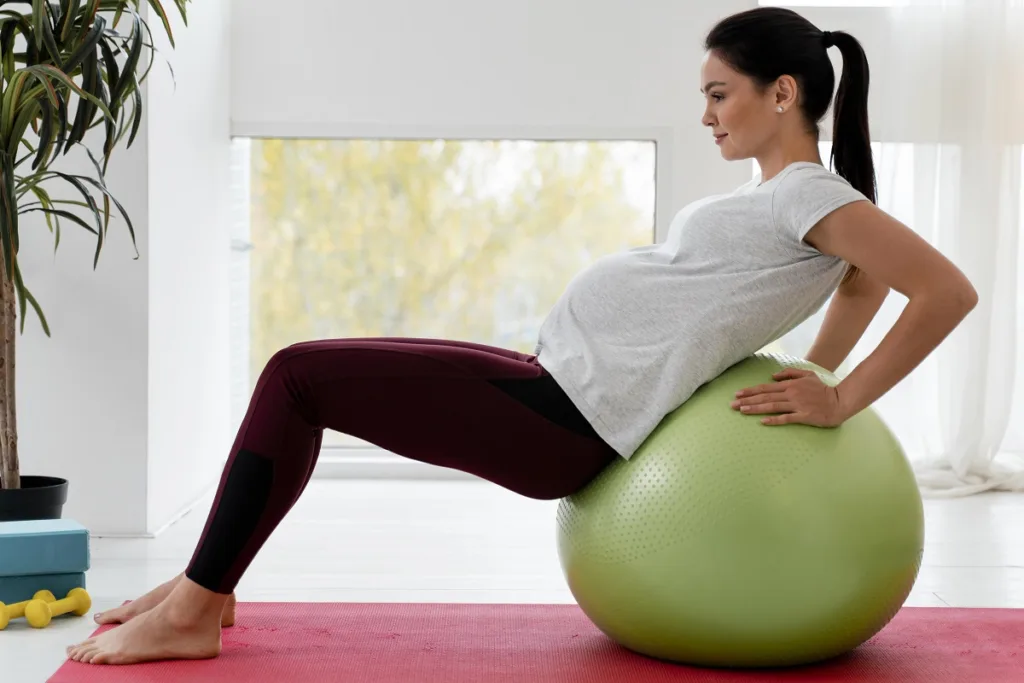
- Seated Ball Rolls: Rolling on a pilates ball while sitting strengthens your pelvic floor muscles and prepares them for childbirth.
- Arm Circles: Sitting or standing, turning your arms in a circular motion strengthens your upper body and increases circulation.
At each stage, the most important thing to pay attention to while doing Pilates is to understand the limits of your body and stop immediately when you feel any discomfort. In addition, regulating your movements under the guidance of your pilates instructor helps protect the health of both you and your baby in the process. Remember, pilates during pregnancy is a great way for you to spend this special period more comfortable and healthy!
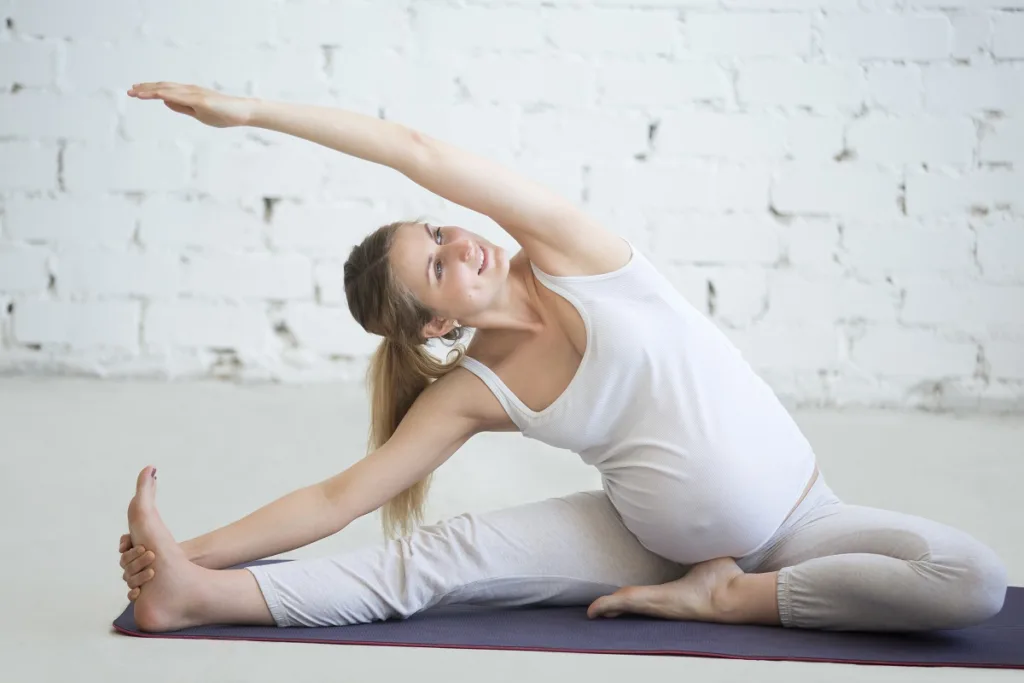
Expert Opinions and Recommendations
Experts state that doing Pilates during pregnancy is safe and healthy. Pilates strengthens and balances the body, improves flexibility and posture. It also includes breathing exercises, which can provide relief.
Doing Pilates during pregnancy can help speed up the recovery process in preparation for childbirth and afterward. In particular, by strengthening the pelvic floor muscles, it reduces the risk of urinary incontinence when you cough or sneeze.
There are some safety precautions to be aware of when doing Pilates during pregnancy, for example, your balance may change, so you should move slowly and use support. Also, it is important to avoid lying on your back for long periods of time later in pregnancy. It is recommended to stop the exercise when you feel any discomfort or experience dizziness. (Source: tommys.org)
Frequently Asked Questions (FAQs)
When Should I Start Pilates During Pregnancy?
If you were doing Pilates before pregnancy, you can continue. If you’re just starting out, it’s ideal to start after the first trimester and with a doctor’s approval.
Which Pilates Movements Should I Avoid During Pregnancy?
You should avoid deep abdominal exercises, lying on your back and movements that will force your waist.
What Should I Pay Attention To When Doing Pilates During Pregnancy?
To maintain your balance, move slowly, breathe in and out regularly, and stop immediately in case of any discomfort.
When Should I Start Pilates After Pregnancy?
Depending on your body’s postpartum recovery process, you can usually start after 6-8 weeks and with a doctor’s approval.
Does Pilates During Pregnancy Harm the Baby?
When done properly, pilates during pregnancy does not harm the baby and can even be beneficial to the mother’s health.
How should a pilates ball be used during pregnancy?
During pregnancy, a pilates ball can be used to strengthen the pelvic floor muscles and support posture. Rolling lightly on a ball while sitting gives gentle exercise to the pelvic area and helps improve your balance. You can also use the ball as a support for squats to be done while leaning against the wall. Make sure the ball is the right size and move slowly to keep your balance at all times. Don’t forget to get a doctor’s approval before each exercise.