Uterine fibroids during pregnancy
Uterine fibroids during pregnancy are benign (non-cancerous) tumors that develop in the uterus. Any woman of childbearing age can suffer from this disease, and it is estimated that between 50% and 80% of women develop mions in their uterus. Although the cause of uterine fibroids during pregnancy is not known exactly, there are factors that play a role in their growth such as hormonal levels, genetic factors, race, obesity, etc. In some pregnant women, fibroids can cause complications such as miscarriage, low birth weight, premature birth, and therefore need to be treated before conception. Read on to understand what fibroids are and their effects on pregnancy.
What are Uterine Fibroids?
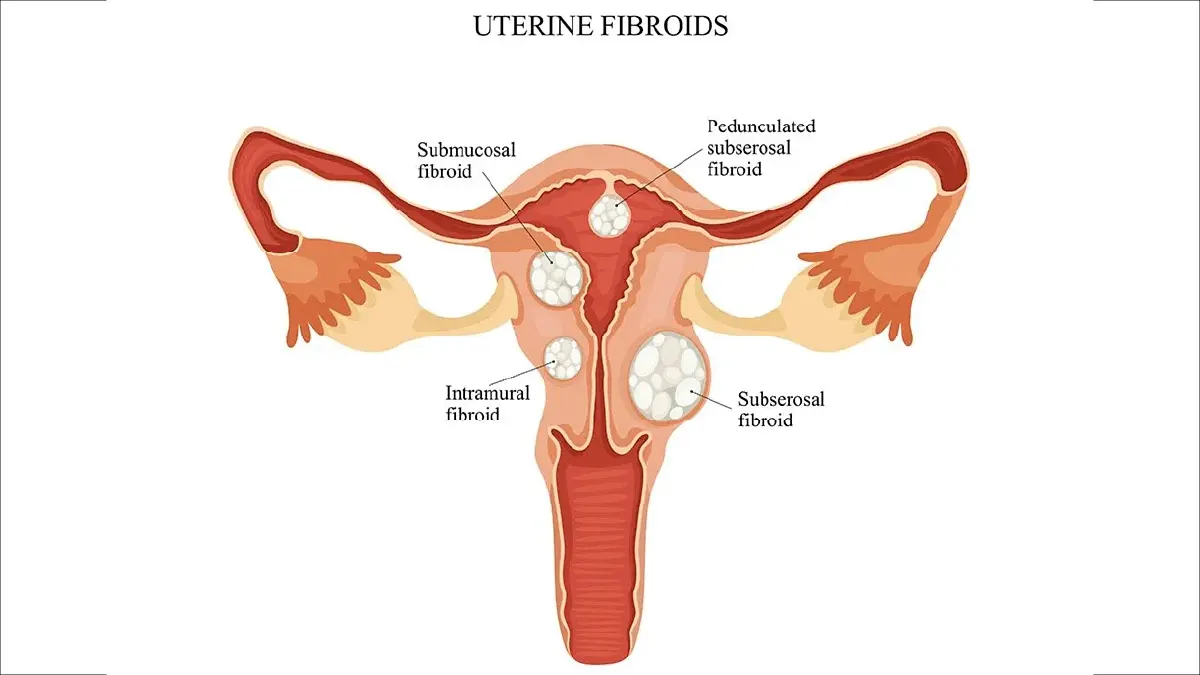
Fibroids, also called fibroids or leiomyomas of the uterus, are noncancerous tumors that range in size from as small as a pea to as large as a grapefruit. Fibroids can grow in the uterine cavity, inside the uterine wall, or outside the uterine wall, and in women, they can be in one or more of these locations.
A cluster of fibroids in the uterus that reach a large size or grow outside the uterine wall can cause the uterus to become in an abnormal position. This can put pressure on internal organs such as the bowel and bladder, leading to symptoms such as fullness, constipation, frequent urination, back pain and pelvic pain. Fibroids are also known to cause heavy menstrual bleeding and interfere with fertility.
Uterine fibroids during pregnancy can cause some complications. Uterine fibroids, no matter how big they get, are most often benign tumors and fibroids do not increase a woman’s risk of cancer. It is estimated that fibroids usually develop before pregnancy. Most women are not aware of this until they have an ultrasound scan or pelvic exam.
What are the Types of Uterine Fibroids?
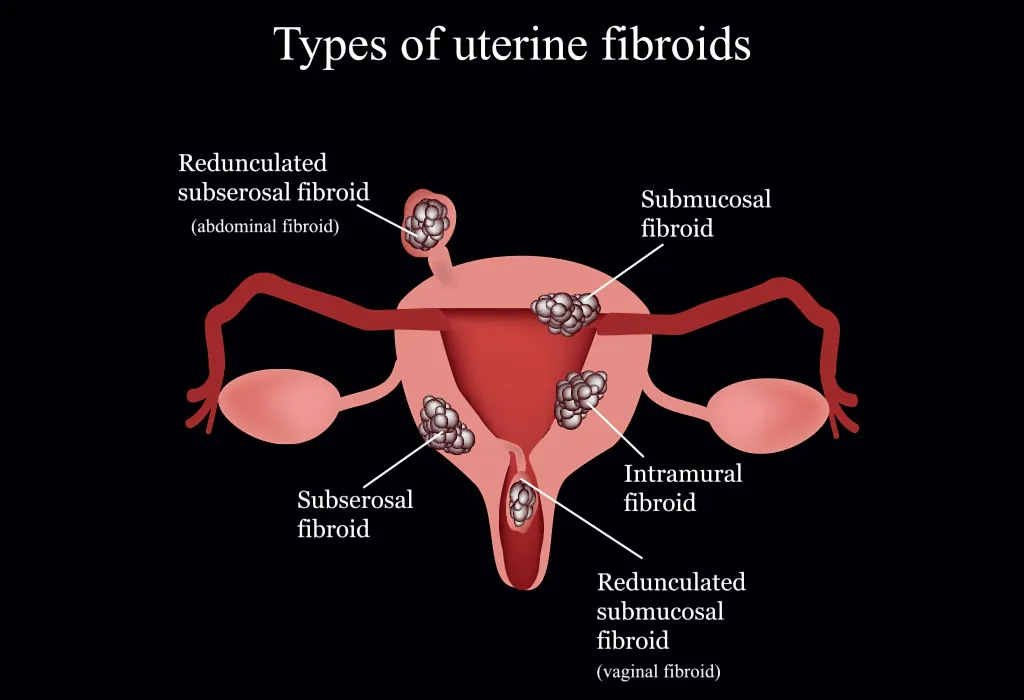
Fibroids are classified according to where they grow in the uterine area.
Intramural Fibroids
These fibroids grow within the muscle wall of the uterus and are the most common type. They tend to grow in size and deform the uterus, filling it. Their presence can interfere with the fertilization of the egg and cause infertility. Intramural fibroids also cause heavy bleeding during menstrual periods.
Submucosal Fibroids
Submucosal fibroids grow just below the inner lining of the uterus. Even the presence of small lesions in this inner layer of the uterus can cause infertility and heavy or painful menstrual periods.
Subserosal Fibroids
These fibroids occur outside the uterus and grow into the pelvic area. As fibroids grow, they remain attached to the uterus with a small stem-like tissue. As subserosal fibroids grow, they can put undue pressure on internal organs and cause physical discomfort.
Cervical fibroids
Although rare, these fibroids grow on the cervical wall and can cause complications during childbirth.
What are the Causes of Uterine Fibroids During Pregnancy?
Although it is not known exactly what causes fibroids to grow, there are several known causes of uterine fibroids during pregnancy; These are hormones, genetic changes and growth factors.
- Hormones such as estrogen and progesterone appear to promote the growth of fibroids, as they stimulate the development of the uterine lining during menstrual cycles. Studies show that fibroids have more estrogen and progesterone receptors than normal uterine muscles. Therefore, fibroids tend to swell when estrogen levels are high during pregnancy. Birth control pills containing estrogen also increase the likelihood of developing fibroids in women who use the pill.
- Genetic changes can also be one of the causes of fibroids, as fibroids contain changes in different genes than normal uterine muscle cells.
- Growth factors are substances that help the body protect tissues and are suspected of influencing the growth of fibroids. New research has also found some evidence that caffeine, alcohol, and red meat may increase the risk of fibroids.
What are the Symptoms of Uterine Fibroids During Pregnancy?
Fibroids in most women are asymptomatic; Many women don’t realize this until they get screened. In about one-third of women, fibroids cause symptoms such as abnormal menstruation and pain.
Symptoms of fibroids in the uterus include:
- Painful periods or prolonged and heavy bleeding that can lead to anemia .
- Frequent urination or pain during urination caused by fibroids that compress the urinary bladder.
- A feeling of fullness in the abdomen, which can cause constipation because fibroids put pressure on the colon.
- Pain in the pelvis, back or abdomen, depending on where the myoma is located.
- Infertility and trouble conceiving.
- Pain during sex.
- Unexplained miscarriages.
Uterine Fibroids Risk Factors During Pregnancy
The risk factors of fibroids are not fully understood, but what is known is that it can affect any woman of reproductive age. Other factors that have an impact include:
- Heredity : If a family member, such as your mother or sister, has fibroids, you are more likely to develop fibroids as well.
- Race : African women or African-Caribbean women have a higher risk of developing fibroids at a younger age than women of other races. They are also likely to have larger fibroids.
- Obesity : Being overweight causes higher estrogen levels due to body fat, which can lead to the development of fibroids.
- Age : Fibroids usually occur in women in their 30s. Fibroids often shrink in menopausal women and do not show any symptoms.
- Hormone levels : Higher levels of estrogen and progesterone are known to trigger fibroid growth.
- Childbirth : Women who have given birth once before have a lower risk of fibroids. With more children, the risk decreases.
- Lifestyle : Consumption of alcohol, caffeine, and red meat has been shown to increase the risk of fibroids.
How Are Uterine Fibroids Diagnosed During Pregnancy?
Since uterine fibroids during pregnancy are usually asymptomatic, they are often discovered by chance during a pelvic exam. If any irregularities in the uterus are found during an examination, the doctor may recommend a test for positive confirmation.
Some of the few fibroid tests available include:
Ultrasound scans: These scans use sound waves to create a picture of the uterus and any fibroid growth on it. An ultrasound is performed by the doctor over the abdomen (transabdominal) or inside the vagina (transvaginal) to take images of the uterus.
Magnetic resonance imaging (MRI): MRI scans create three-dimensional images of the uterus and fibroids and can accurately determine its structure, location, and size. It can also help determine the type of fibroid and determine the best treatment options.
Hysteroscopy: This procedure involves examining the uterine cavity and the openings of the fallopian tubes using a small probe called a hysteroscope.
Hysterosalpingography: An X-Ray imaging procedure uses a dye to examine the uterine cavity and fallopian tubes. If there is a concern about infertility, hysterosalpingography is recommended. In addition to revealing fibroids, it can also be used to determine if the fallopian tubes are open.
Hysterosonography: Hysterosonography, which uses saline solution to widen the uterine cavity, is also called saline infusion sonogram. The expansion allows for better examination and visualization of submucosal fibroids.
Are there any complications of uterine fibroids?
Most women with fibroids go on to have normal pregnancies and vaginal births. In some cases, the risk of fibroids in pregnancy is higher and can cause complications depending on where the fibroids are located and how large they are.
Let’s take a look at the complications that can occur during pregnancy and childbirth.
Complications That Occur During Pregnancy
It is important to know that the location of the myoma largely determines the complications if they occur. Depending on their type, fibroids sometimes increase the risk of miscarriage in the first and second trimesters. Fibroids in the uterine cavity are the most likely to cause miscarriage.
Complications that occur during childbirth
Fibroids do not prevent women from giving birth vaginally. However, fibroids located in the lower part of the uterus can prevent the baby from descending. In this case, it will be necessary to make a C-section. The same is true when there is more than one fibroid, which can prevent the uterus from contracting normally and stop labor.
Infant Risk
The probability of harming the baby with fibroids is very low. In rare cases, complications can occur if the placenta grows on the surface of a fibroid in the uterus. This can lead to a decrease in the amount of nutrients going to the baby, leading to low birth weight or premature rupture of the amniotic sac.
How Are Fibroids Treated?
If the symptoms don’t cause too much trouble, most fibroids don’t need any treatment. Since there is no single best approach to treatment, the doctor determines the best form of treatment, which includes medication or surgery, based on the type of fibroid and symptoms.
Drug Therapy
Drug therapy is the simplest method of non-surgical fibroid treatment. Gonadotropin-releasing hormone analogues (GnRHas) temporarily shrink or stop the growth of fibroids and are administered as a nasal spray, monthly injection, or skin implant. GnRH lowers estrogen levels in the body, and the course of treatment normally lasts three to six months. They are usually prescribed a few months before the woman plans to conceive.
Surgical Treatment
Myomectomy is the only method of surgical removal of fibroids that leave the uterus intact and is an option for women who still want to maintain the ability to conceive. Myomectomy may include procedures to remove fibroids through laparoscopic or hysteroscopic surgery. Open surgeries are for larger fibroids that cannot be operated on laparoscopically. Despite having fibroids removed, women who receive this treatment have a 25% chance of having a new one grow in the next ten years.
Advanced Treatment
- Focused ultrasound: This method uses an MRI scanning machine to determine the exact location of the fibroid. High-energy ultrasound focuses on fibroids to heat and destroy cells and cause them to shrink.
- Thermal techniques: This relatively new technique, called myolysis, uses equipment that is laparoscopically inserted directly into fibroids. It uses laser or electric current to destroy fibroid cells. A similar procedure, called cryomyolysis, destroys fibroid cells by using extreme cold to freeze fibroid blood flow.
Home Remedies to Treat Uterine Fibroids During Pregnancy
There are many home remedies that can be used to shrink uterine fibroids naturally without surgery. These remedies and treatments can be included as part of a healthy lifestyle to treat fibroids naturally.
Here are a few methods of treatment for uterine fibroids that you can do yourself at home:
- Castor Oil Packet : Applying a packet of castor oil on the abdomen helps relieve pain as it contains ricinoleic acid, which has anti-inflammatory properties. Castor oil also stimulates the lymphatic system to fight against toxins that contribute to the development of fibroids in the body.
- Green Tea : There are many benefits to adding green tea to your natural fibroid treatment diet. The compound epigallocatechin gallate (EGCG) found in green tea inhibits the growth of fibroid cells, eventually leading to their shrinkage.
- Apple Cider Vinegar : Apple cider vinegar is widely used to detoxify the body and shrink fibroids. It helps to reduce the symptoms of fibroids.
- Burdock Root Tea: Burdock root is known to improve the liver’s ability to metabolize estrogen, which shrinks fibroids. Drinking tea as a treatment is effective in inhibiting fibroids and new tumor growth.
- Garlic: Garlic has powerful anti-inflammatory and antioxidant properties that inhibit the growth of fibroids and other tumors. Eating three to five cloves a day can reduce fibroids and their symptoms.
- Gooseberry : Gooseberries are rich in antioxidants and are an immunomodulator that is good for reducing fibroid symptoms.
What happens to your fibroids after you give birth to the baby?
Fibroids can trigger excessive bleeding immediately after birth, which in rare cases may require blood transfusions. In most cases, the woman takes supplements for the healing of fibroids. In the months after birth, as the uterus shrinks, fibroids may also shrink and sometimes become smaller than before.
Is It Possible to Prevent Uterine Fibroids?
There is no way to prevent fibroids unless a woman has undergone a hysterectomy. A hysterectomy, which involves completely removing the uterus, is the only way to ensure that fibroids never grow again. The disadvantage is that the woman can never get pregnant because the uterus is removed.
Although there is no way to prevent fibroids, having fibroids does not mean that you cannot have a healthy pregnancy. With current treatments, it is possible to keep fibroid problems at bay during pregnancy.