Abdominal pain during pregnancy
Abdominal pain during pregnancy can be frightening. As a pregnant woman’s body changes to accommodate her growing baby, it is normal for her to experience abdominal pain during this time. There are many harmless causes of abdominal pain during pregnancy, but sometimes these causes can be serious. Sometimes stomach pain may indicate pregnancy-related complications that require immediate medical attention. Read on to understand the symptoms and causes of severe abdominal pain during pregnancy.
Is Abdominal Pain Normal During Pregnancy?
Most pregnant women experience abdominal pain or abdominal cramps at some point during the nine months of their pregnancy. There is no need to panic, as abdominal pain during pregnancy is normal most of the time. While carrying your baby in your tummy, excessive pressure on the muscles and joints may disturb your abdomen at certain times and you may experience stomach pain. It is normal for pregnant women to experience mild abdominal pain in early pregnancy. However, any severe or sharp pain in your abdomen is a matter of great concern. If abdominal or stomach pain lasts longer or is severe, this may be an indication of a serious pregnancy complication and you should consult a doctor immediately.
Stomach pain during pregnancy
You may experience different types of stomach pain according to pregnancy periods. You can read below the causes of stomach pains experienced according to pregnancy trimesters.
Abdominal Pain in the First Trimester of Pregnancy
During the first trimester, you may feel cramp-like pain in your abdomen as your baby develops. Cramps are experienced during the expansion of the uterus, which causes stretching of the supporting ligaments and muscles. Cramps during pregnancy are considered normal and can also occur due to other causes, such as gas and bloating, constipation or sexual intercourse.
Women undergoing IVF treatment to get pregnant may be diagnosed with a condition called ovarian hyperstimulation syndrome (OHS), which results in abdominal pain. This pain is mainly caused by overstimulation of the ovaries by fertility drugs. This pain usually lasts up to a few weeks of pregnancy.
Abdominal pain in the second trimester of pregnancy
In the second trimester of pregnancy, most women experience round ligament pain . There are two round ligaments that run from the uterus to the groin. These ligaments support the uterus. When the uterus expands to accommodate the growing baby, the round ligaments are also stretched. This leads to a sharp pain in the abdomen. Some women also say that they experience this type of pain in the hip or groin area. Round ligament pain is considered normal during pregnancy and does not lead to any significant complications.
3. Abdominal pain in the third trimester of pregnancy
During the third trimester, you may feel pain in different parts of your body, including the abdomen, back, and buttocks. In preparation for childbirth, the connective tissues in your body relax; Thus, it increases the flexibility of your birth canal. Most pregnant women experience pain in their hips or lower back due to loosening and stretching of the connective tissues. Abdominal pain in the third trimester may also be experienced due to the following.
Gas and Constipation
Pregnant women often complain of gas and constipation during pregnancy. These problems occur primarily due to an increase in the levels of the hormone progesterone. With an increase in the level of this hormone, the intestinal muscles relax and food slowly passes through the intestine. Since food stays in the large intestine for a long time, more gas is formed. Gas and constipation can be prevented by consuming more water, exercising, and regularly consuming fiber-rich foods.
Braxton-Hicks Contractions
Braxton-Hicks contractions It is similar to, but not identical to, labor contractions. It is a false form of contraction that usually causes the stomach muscles to contract. These contractions can make your abdomen very tense and stiff. For some women, Braxton-Hicks contractions may begin as early as the second trimester, and others may experience them during labor. Braxton-Hicks contractions are very different from true contractions, which occur more frequently, last longer, and can be very painful. These are mainly caused by dehydration, so drinking plenty of water and regular rest can help eliminate this condition.
Causes of Stomach Pain During Pregnancy
All women experience abdominal pain during pregnancy, and this is normal. The primary cause of stomach or abdominal pain in pregnant women is the growing size of the uterus, which grows as the baby grows. Pain in the lower abdomen is experienced regularly due to stretching of the uterus. The increase in the weight and size of the uterus can put tremendous pressure on the ligaments and muscles that support it, which is the cause of regular cramps.
When Does Abdominal Pain During Pregnancy Become A Serious Problem?
While it’s normal to experience abdominal pain during pregnancy, it can sometimes indicate serious problems. This section discusses some serious complications that can occur due to severe abdominal pain during pregnancy.
Ectopic Pregnancy
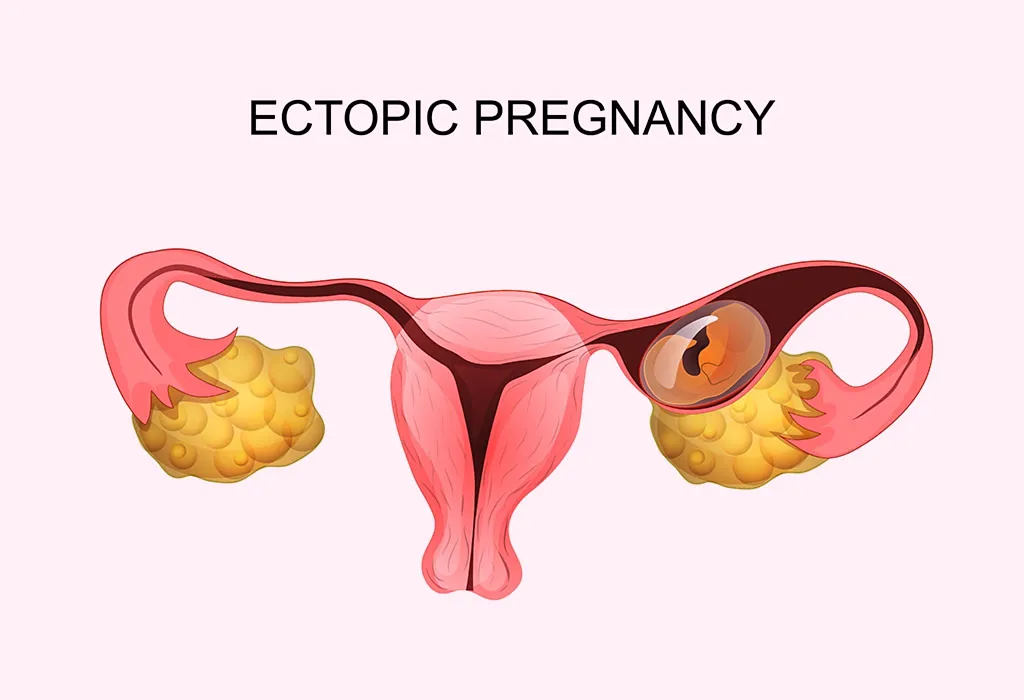
An ectopic pregnancy occurs when the egg implants anywhere other than the uterus. In most cases, the egg is implanted in the fallopian tube. According to medical records, an ectopic pregnancy occurs in every 50 pregnancies. Women with this condition usually experience abdominal pain and bleeding between the 6th and 10th weeks of their pregnancy. Most ectopic pregnancies are diagnosed only between the 4th and 8th weeks of the period.
Ectopic pregnancy is extremely difficult to distinguish from normal pregnancy, especially in the early stages of pregnancy. Some of the symptoms that may indicate an ectopic pregnancy include:
- Pain in the lower abdomen, followed by a sharp pain on one side of the navel, and then radiates to the entire abdomen.
- Pain that gets worse every time it is moved.
- Slight bleeding
- Vaginal bleeding or spotting
- Feeling dizzy or faint
- Increased urination along with pain when urinating.
Miscarriage
Sometimes, experiencing abdominal pain during the first trimester of pregnancy can be a sign of an impending miscarriage . Miscarriage usually occurs in the first 13 weeks of pregnancy and affects about 15-20% of all pregnancies.
Signs of miscarriage during pregnancy include:
- Extreme pain in the back
- Contractions that occur every 5-20 minutes
- Severe bleeding with or without cramps
- Bleeding or vaginal spotting, followed by mild or sharp cramping
- Coming of a tissue or clot-like substance from the vagina
Premature Birth
If a pregnant woman regularly experiences contractions and constant back pain before completing the 37th week of her pregnancy, she is more likely to give birth prematurely. Preterm birth can occur anytime between 20 and 37 weeks of pregnancy. During these weeks, pain may be felt in the pelvic area or in the lower abdomen caused by contractions. Contractions are also followed by vaginal bleeding. If a woman experiences abdominal pain during this time, she should consult her doctor immediately.
Placental Abruption
When the placenta separates from the uterus before pregnancy is complete, it is known as placental abruption . Since the placenta is the only source of oxygen and nutrients to the baby, this condition can be life-threatening for the baby. Placental abruption occurs once in every 200 births and usually occurs in the third trimester. Pregnant women with a history of placental abruption in previous pregnancies are at high risk for this complication, along with those with other medical complications such as high blood pressure, preeclampsia, and abdominal trauma.
Symptoms of placental abruption include:
- Constant and worse abdominal pain
- Severe hardening of the uterus for a long time
- Bloody fluid flow or premature water coming
- Fluid discharge with traces of blood
- Tenderness in the abdomen
Most women go into emergency labor when the placenta detaches and give birth to their babies by having an emergency cesarean section. In the case of a mild abruption, doctors may allow the pregnancy to continue or perform induced labor or vaginal delivery.
Preeclampsia
Preeclampsia is a condition that affects 5-8% of pregnant women. It occurs after the 20th week of pregnancy and is characterized by high blood pressure with protein in the urine. Preeclampsia can slow the growth of the baby, as high blood pressure can cause the blood vessels in the uterus to narrow; thereby reducing the flow of oxygen and nutrients to the uterus. Preeclampsia also increases the risk of placental abruption.
Common symptoms of severe preeclampsia include:
- Severe pain in the right side of the abdomen
- Pain in the upper part of the stomach
- Nausea
- Headache
- Swelling
- Visual disturbances
After 20 weeks of pregnancy, most doctors and gynecologists regularly check the blood pressure of pregnant women to detect any abnormalities.
Urinary Tract Infections
About 10% of pregnant women have a urinary tract infection (UTI) at some point during their pregnancy. While early detection of a UTI can be treated with antibiotics, ignoring this problem can lead to serious infections in women’s kidneys that increase the chances of preterm birth.
Symptoms of urinary tract infection during pregnancy include:
- Lower abdominal pain
- Discomfort or burning sensation when urinating
- Constant urge to urinate
- Cloudy and smelly urine
- Irritation in the genital area
- Constant feeling of fever, sweating and chills
- Pain in the lower back, under the rib cage, or above the pelvic bone.
Most doctors and gynecologists perform regular urine tests to check for the presence of bacteria that can lead to a UTI. When detected early, a UTI can be easily treated using antibiotics.
Appendicitis
Diagnosing appendicitis during pregnancy can be difficult. This is mainly due to the fact that as the uterus develops, the appendix is pulled up and pushed by the enlarged uterus, which makes it difficult to diagnose in acute cases.
Common symptoms of appendicitis in pregnant women include:
- Pain in the right side of the abdomen
- lack of appetite
- Nausea
- Vomiting
Gallstones
Gallstones are the presence of stones in the gallbladder of a pregnant woman. Gallstones are focused in the upper right part of the abdomen. In some cases, the pain can be felt around the back and under the right shoulder.
Pregnant women with the following characteristics may have a history of gallstones:
- Overweight
- Over 35 years old
- Have a history of medical stones
Some Other Causes of Abdominal Pain During Pregnancy
In addition to the above conditions, there are many other causes that can lead to abdominal pain during pregnancy:
- Food poisoning
- Food sensitivities
- Uterine enlargement
- Kidney stone
- Hepatitis
- Gallbladder disease and pancreatitis, both of which are usually a consequence of the presence of gallstones.
- Fibroids growing during pregnancy
- Intestinal obstruction, which usually occurs in the third trimester.
Stomach cramps during pregnancy
Most pregnant women also experience stomach cramps in the early stages of their pregnancy. Experiencing mild stomach cramps is normal and not a cause for concern. Some of the common causes of stomach cramps in the early days of pregnancy are listed below:
- A woman may have cramps after sexual intercourse.
- If the embryo is implanted in the walls of the uterus, a woman may experience cramps along with some bleeding.
- After 12 weeks, a pregnant woman may experience sharp pains on both sides of her groin, especially when standing up, yawning, or turning her body. The main reason for this is the stretching of the ligaments that support the uterus.
If you experience stomach cramps early in your pregnancy, it is advisable to report this to your gynecologist or midwife.
What Is Good For Stomach Pain During Pregnancy?
If you are experiencing any symptoms that indicate a serious complication, it is best to consult your doctor or gynecologist immediately. However, pregnant women who experience mild pain in the abdomen can try any of the following remedial treatments at home:
- Resting or lying down for a while can provide immediate relief, especially if it’s due to Braxton-Hicks contractions.
- Taking a warm (not hot) water bath can help provide relief from lower abdominal pain and cramps.
- Applying a hot water bottle (wrapped in a cloth) or bag to the painful areas can help relieve pain.
In addition, you can apply the following methods to get rid of abdominal pain.
- Light exercises such as stretching and yoga, especially in the first trimester, can treat gas problems. You can discuss the appropriate prenatal exercises with another specialist.
- Drink plenty of water throughout the day. Dehydration is among the major causes of Braxton-Hicks contractions.
- Eat small but more frequent meals. Follow a healthy diet rich in fiber, such as fruits and vegetables.
- Urinate frequently and empty your bladder. Do not hold your urine.
- Create a habit of standing up or sitting more gradually instead of sudden movements. This will help reduce your spasms.
Is Stomach Pain a Symptom of Miscarriage?
Stomach pain is not necessarily a sign of miscarriage. However, if you experience sharp and intense knife-like pain, it is best to visit your doctor to rule out any problems.
When to Consult a Doctor?
If you are experiencing any of the symptoms mentioned below at any stage of your pregnancy, or even stomach pain early in pregnancy, this may be an indication of a more serious complication. In this case, you should consult your doctor:
- Burning or blood in the pee when you pee
- Abdominal pain before the 12th week of your pregnancy
- Vaginal spotting or bleeding in the early stages of your pregnancy
- Having more than 4 contractions in an hour
- Severe or unbearable abdominal pain
- Severe headache
- Regular vomiting or fever
- Unusual swelling in the face, legs, or hands
- Any unusual vaginal discharge
In some cases, these symptoms may not be related to your pregnancy and may be caused by other medical conditions, such as an ovarian cyst, kidney abnormalities, urinary tract infections, or gallbladder problems.
Although stomach cramps are not a serious cause for concern, it is advisable to see a doctor if they are too severe and unbearable for you.