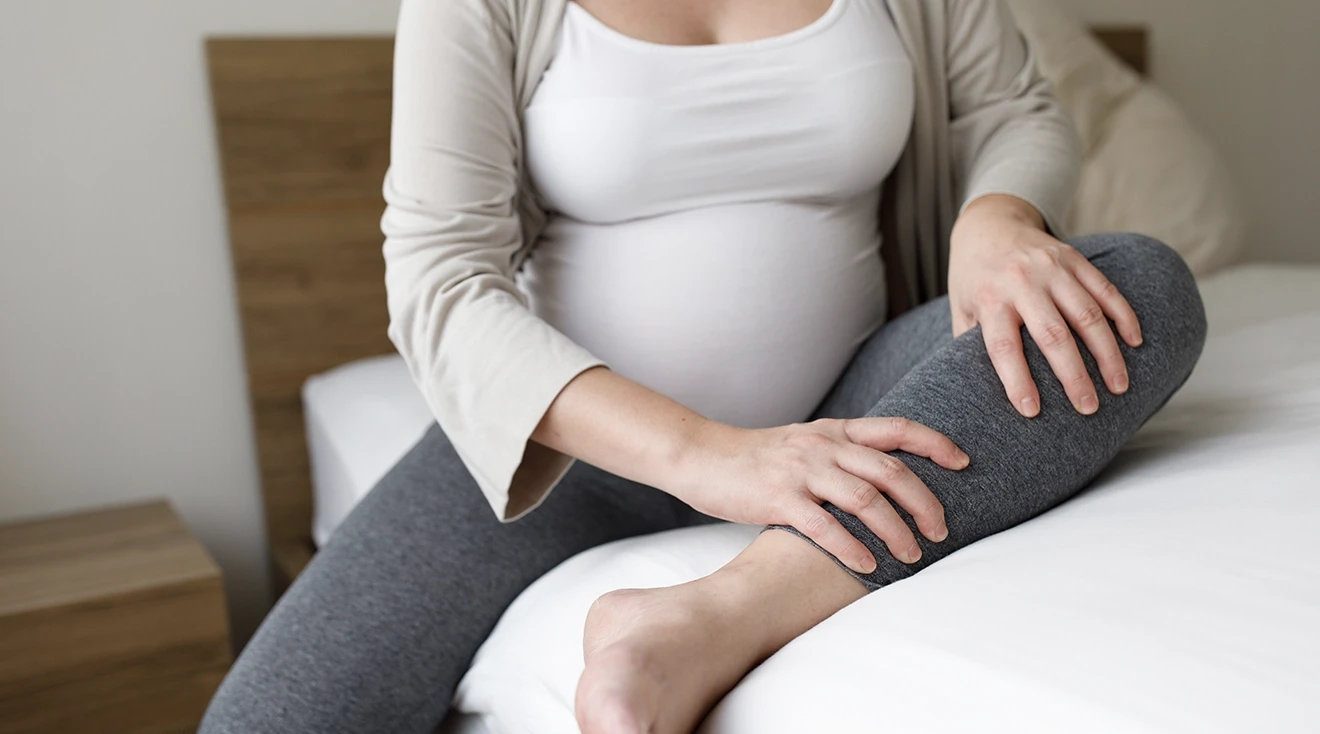
Cramping during pregnancy
Cramping during pregnancy is a common pregnancy symptom. During pregnancy, conditions such as stomach cramps, leg cramps, uterine cramps can be seen.
What is Cramping During Pregnancy?
Lower abdominal cramps in early pregnancy cause the ligaments and muscles that support the uterus to stretch due to the enlargement of the uterus. Because the uterus is a muscle, it responds to change through contractions, which usually cause cramps. While abdominal pain during pregnancy is common in expectant mothers, it’s important to learn when cramps can be a cause for concern. Many women experience mild cramps, but there is not much to worry about, because they can go away without requiring any special care. Keep in mind, though, that if you experience occasional uterine cramps, it could be a sign of pregnancy complications. Read on for an overview of the physical changes your body may experience, including cramping and abdominal pain.
Is It Normal For Cramps To Go Away During Pregnancy?
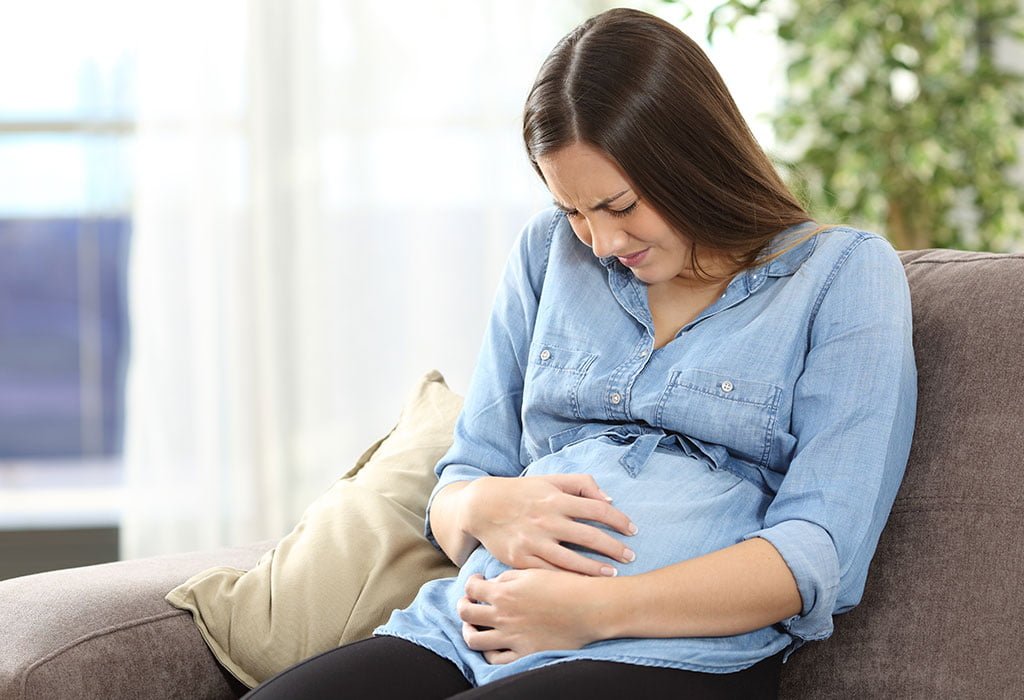
In most cases, mild abdominal cramps should not be a matter of concern as they are just part of the early pregnancy symptoms. Cramping is a sign that your body is getting ready to carry the baby and preparing for change. Some expectant mothers may experience cramps along with some bleeding as the embryo implants itself in the uterine wall. You may also experience cramps when sneezing, coughing, or changing positions during pregnancy.
What are pregnancy cramps like, how do they feel?
Every woman defines cramping sensations differently during pregnancy, but they are best described as a pulling sensation on one or both sides of your abdomen. Some may describe the experience as sharp, stabbing, dull, heavy, or “just annoying” pain. You may also feel menstrual-like cramps as the uterus contracts and heaviness can be felt in the pelvis. Generally, abdominal pain can be experienced more on one side than on the other. You can’t completely avoid some level of discomfort and cramping. Knowing about its causes and effects can prepare you to manage cramps as you progress in pregnancy.
Causes of cramps during pregnancy
You should keep in mind that every pregnancy is unique, with its own set of challenges. While mild cramps during pregnancy are quite normal, the experience varies from one woman to the next. Let’s look at some of the common causes of cramps at different stages of pregnancy:
Cramping in the First Trimester
Implantation Cramps
Cramps and light bleeding during the first trimester of pregnancy occur due to the implantation of the embryo in the uterine wall and occur at the time when your period should normally occur.
Growing uterus
Cramping during pregnancy is usually caused by normal changes that can result from the baby’s development in the womb. Cramps may also be accompanied by slight bleeding, in which the color of the blood may be bright red, pink or brown. When the uterus is stretched, it can lead to lengthening of the muscles and ligaments that support the uterus, leading to abdominal pain or cramps.
Hormonal Changes
During this trimester, the vessels that supply blood to the uterus expand and can make you feel heavy. In addition, your body produces several hormones that are necessary to support pregnancy, including progesterone. When progesterone increases, the ligaments tend to loosen. Stretching of the abdomen with loosened ligaments causes cramps.
Gas or Bloating
Another common cause of cramps is gas and bloating because hormones slow down your digestive process and increase the pressure of your growing uterus on the stomach and intestines, causing constipation.
Tension Ties
Some expectant mothers may experience sharp pains on one or both sides of their groin when standing up, yawning or body curling movements around the 12th week. This is because the ligaments that support your uterus are stretched.
Ectopic Pregnancy
If the fertilized egg is implanted outside the uterus, the pregnancy may be unsustainable. Such a pregnancy is called an ectopic pregnancy and can cause painful cramps. It is a serious medical condition that requires medical attention. If you experience abdominal or pelvic pain or tenderness of any kind, be quick to see your doctor.
Miscarriage
If you experience any vaginal spotting along with mild or sharp cramps, it could be a sign of miscarriage . Normally, cramping during a miscarriage is caused by blood and tissue leaving the uterus to irritate the uterus, causing it to contract. However, you should also know that some pregnant women with spotting and cramping complaints can conceive very well and continue the pregnancy in a healthy way until the end.
As the uterus expands and is better supported by the bones in the pelvis, your cramps may gradually disappear.
Cramping in the Second Trimester
Round Ligament Pain
The most common cause of cramps during this trimester is round ligament pain. A round ligament is a muscle that supports the uterus that stretches as your pregnancy progresses. As a result, you may feel a sharp, stabbing, or dull pain in your lower abdomen.
Multiple pregnancies
If you’re expecting more than one baby, the uterus will grow faster to reach third-trimester rates. This can cause cramps, as the ligaments and muscles have to bear the weight of the uterus.
Uterine Fibroids
A rare cause of cramps in the second trimester, this condition can cause intestinal obstruction due to the pressure of the growing uterus on previously infected intestinal tissue. If you have a history of uterine fibroids, be wary of any cramps at this stage because you may need to be admitted to the hospital to effectively manage the pain until the pain subsides.
Placental Abruption
This happens when the placenta separates from the uterus before the baby is born. This can even be a life-threatening condition and is accompanied by a painful cramp that won’t go away.
Preeclampsia
If you are diagnosed with preeclampsia, you may experience cramps. This is a pregnancy complication that causes changes in your blood vessels and leads to high blood pressure. Hemolysis, High Liver enzymes and Low Platelet (HELLP) syndrome is a complication of Preeclampsia that also causes cramps.
Cramping in the Third Trimester
Braxton Hicks Contractions
Braxton Hicks contractions occur during the third trimester. Characterized by sporadic uterine contractions, these cramps are the body’s way of preparing for childbirth. It is important to determine if cramps during this trimester signal premature birth. This can start with vaginal cramps and lead to bleeding, discharge, and sometimes dizziness during pregnancy.
Weight Gain
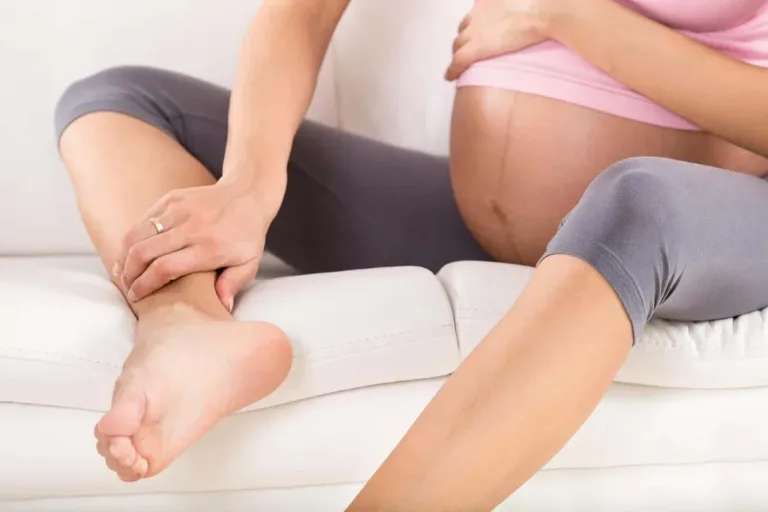
You may experience occasional leg cramps during pregnancy. Weight gained during pregnancy and the weight of the growing baby can also put pressure on the nerves and blood vessels leading to your legs.
Premature Birth
You may also experience cramping symptoms during preterm labor. As the baby grows, it increases pressure on your cervix, which can begin to dilate before 37 weeks.
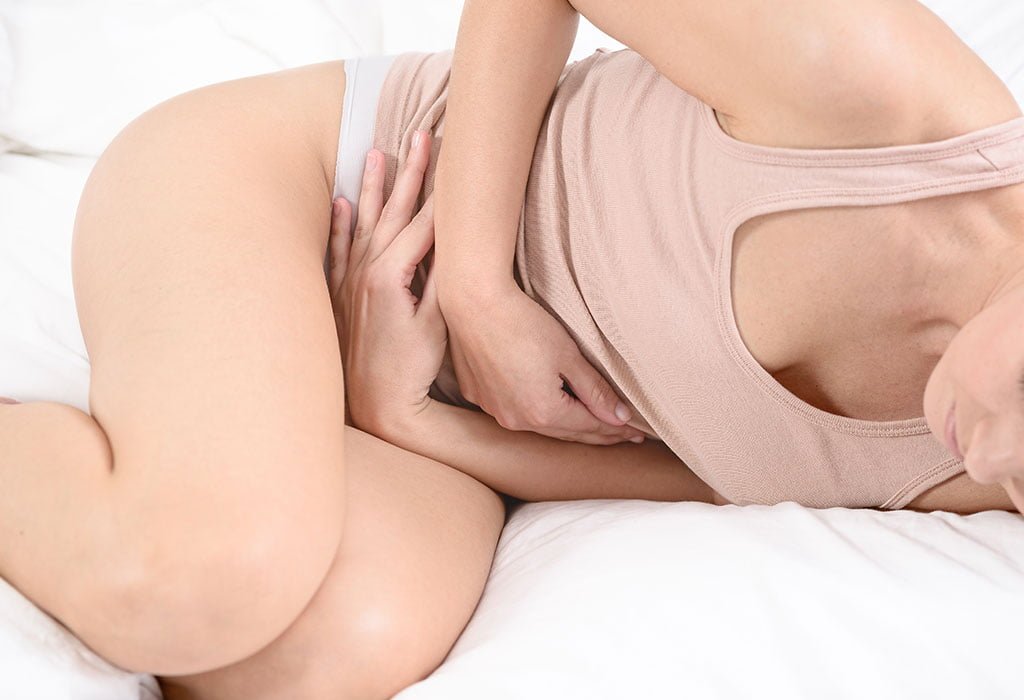
Pregnancy Cramp Symptoms
Lower abdominal cramps and pain during urination may indicate a urinary tract infection that leads to cramps. If you ignore urinary tract infections, it can cause a burning sensation, blood in the urine, lower back pain, and even a kidney infection.
Some women experience cramps during sex or after orgasm , which can cause abdominal pain due to increased blood flow to the pelvic area. Mild and short-term pain after sex is normal.
If you experience any pain in the lower right side of the abdomen and feel a little higher during pregnancy, this could be a sign of appendicitis. It is not easily diagnosed during pregnancy, it can be a serious condition.
If you feel intense pain in the right upper quadrant of the abdomen, radiating from the back and under the right shoulder blade, then there is a chance that you have gallstones.
How to relieve cramps during pregnancy?
Although cramps are inevitable during pregnancy, you can take precautions to prevent this discomfort to a large extent. Here are a few things you can do to deal with pregnancy cramps:
- Sit, lie down, or change positions. There are times when changing position, lying on the other side, slight stretching, and some body movements can help relieve pain.
- Take a hot bath.
- Try relaxation exercises or yoga under supervision or as prescribed by a doctor.
- Loosen any tight or astringent clothing.
- Light abdominal massages provide relaxation.
- A full bladder or bowel can cause uterine cramps.
- To prevent constipation, drink plenty of water, eat fresh fruits and vegetables, and try to ignore highly processed foods.
- Rest your legs high and use a footrest or a low stool while sitting.
- If the cramps are constant, cause discomfort or are unbearably intense, consult your gynecologist immediately.
While pregnancy can be a life-changing experience, it can surprise you in many cases. Make sure you don’t lose sleep because of these physical changes, as they can affect your emotional health. Be proactive and enjoy your pregnancy to the fullest