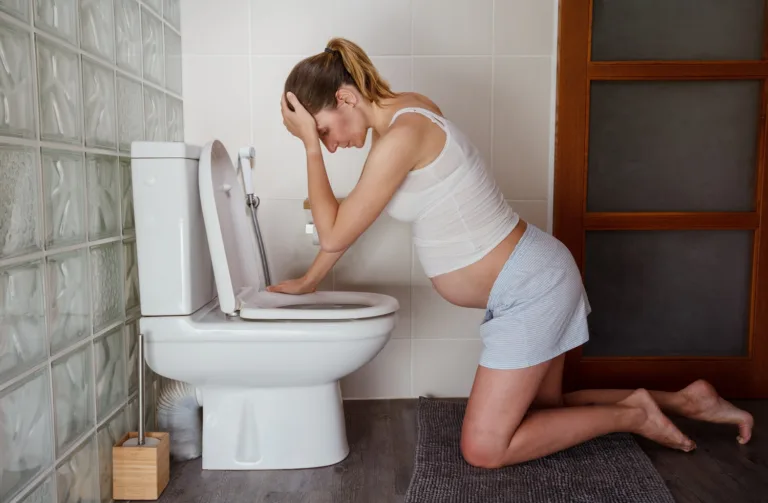
Aches and pains during pregnancy
It’s normal to feel new aches and pains as your body changes during your pregnancy. Body aches in the early stages of pregnancy can be caused by hormonal changes. As pregnancy progresses, you may feel back pain, pelvic pain, round ligament pain due to physical changes (due to baby growth and increased weight). Hot or cold practices and physical activities are effective in soothing and preventing pregnancy aches and pains – but sometimes they indicate a more serious problem.
Raising a brand new person is hard work and causes a lot of changes in your body, starting from the first weeks of pregnancy.
In this article, we tried to answer frequently asked questions about aches and pains that are frequently seen during pregnancy.
What causes body aches during pregnancy?
Throughout your pregnancy, hormones loosen your ligaments and joints to prepare your body for childbirth, which can cause body aches.
As the pregnancy progresses — especially from the second trimester onwards — you gain weight, which puts extra pressure on your joints. In addition, your growing belly pulls your center of gravity forward, stretching and weakening your abdominal muscles that support your spine and back. As your body adjusts to these changes, it’s very common to feel pain in your pelvis, groin, legs, and hips, as well as lower back pain.
In addition, starting in the second trimester, you may experience what is known as round ligament pain: a short, sharp, stabbing pain in the lower abdomen or groin, or a dull pain that lasts longer. This is usually a harmless condition, which occurs when the connections between your growing uterus and the abdominal wall (“round ligaments”) are pulled or stretched.
You may also experience sciatica due to the pressure of your baby’s weight and uterine pressure on your sciatic nerve, sending severe pain from your hip to the back of your leg.
Is pain in the early stages of pregnancy normal?
Yes. Especially towards the end of the first trimester, you may experience early pregnancy body aches and muscle aches due to hormonal changes.
Pelvic pain and low back pain are the most common complaints. These ailments can occur at any time during pregnancy, but are more common from the 14th week (the beginning of the second trimester).
In early pregnancy, as your uterus begins to expand, you may also experience mild uterine cramps similar to menstrual pains. You may also have stomach pains due to constipation or giz,both of which are common during pregnancy. Digestive problems are also linked to hormonal changes and begin early in pregnancy.
What is good for body aches during pregnancy?
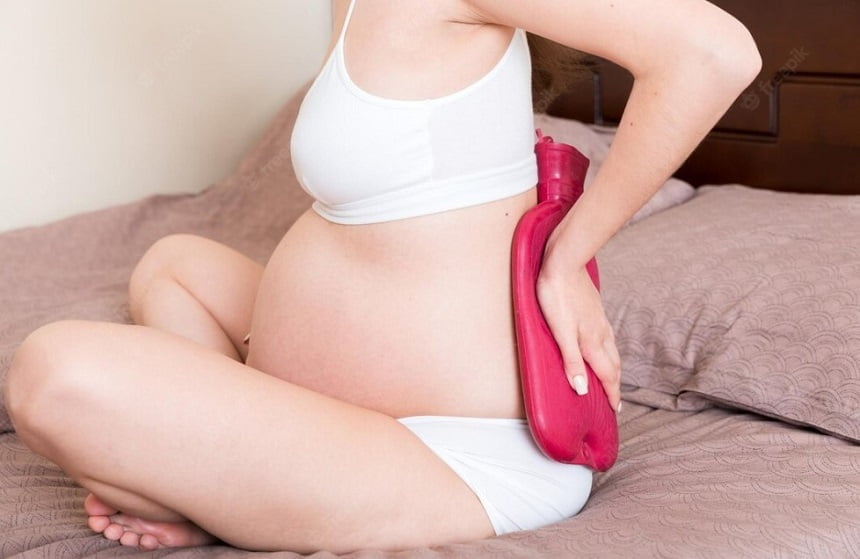
To relieve sore muscles and body aches during pregnancy, lie down, relax, and apply heat and/or cold to the affected areas. A cold application can reduce inflammation and help soothe muscle and back pain.
You can use an electric heating pad, hot water bottle, or hot water bottle to apply heat. You should avoid applying heat to your abdomen for more than ten minutes. You don’t want to raise your internal temperature too high, as this can affect your developing baby.
One of the best strategies to prevent and treat body aches during pregnancy is to stay physically active. Although it may seem counterintuitive, exercise helps alleviate all kinds of common pregnancy complaints, from back pain to constipation and gas. Considered safe during pregnancy, exercise helps you keep pregnancy weight gain under control, strengthens and stretches your muscles, improves your posture, and supports your circulation.
To relieve back and pelvic pain in particular, sit in a supportive chair, sit while dressed, lift heavier objects appropriately, and avoid standing for long periods of time if possible.
If these tips don’t help, talk to your doctor about whether to take a safe pain reliever (usually acetaminophen) for pregnancy. You can also ask your obstetrician for a referral to a physical therapist. Working with a physical therapist can help relieve your pain and improve your strength as the pregnancy progresses.
What pregnancy aches and pains are dangerous?
Certain body aches and pains during pregnancy can sometimes be a sign of something more serious. Severe back pain can be a sign of kidney infection; It is often accompanied by fever and burning sensation when urinating. Rarely, abdominal pain and cramps in the first trimester of pregnancy can be caused by an ectopic pregnancy or miscarriage .
Widespread body aches along with fever and/or upper respiratory symptoms can also be caused by the flu or COVID-19. Pregnant women are more susceptible to complications in both of these infections.
If body aches do not improve with the above simple treatments, or if you have the following, you should go to the doctor.
- Severe and persistent abdominal pain, especially if it does not go away within an hour with rest
- Vaginal bleeding or spotting
- Fire
- Unusual vaginal discharge
- Pain or burning when peeing

Pain during pregnancy
In addition to general body aches and muscle aches during pregnancy – especially in the back and pelvis – you may experience these other ailments:
Headache
Feeling a steady, dull pain on either side of your head that feels like it’s squeezing your head may indicate a tension headache. This usually harmless pregnancy symptom is especially common in the first trimester in connection with hormonal changes and increased blood flow. (If you’re in the second or third trimester and have a severe headache that doesn’t go away, see your doctor, just in case)
Hemorrhoids
Hemorrhoids are unusually swollen blood vessels in the rectal region that are often linked to constipation and straining during bowel movements. They may just be itchy or completely painful, and sometimes cause rectal bleeding, especially during a bowel movement. Some women get hemorrhoids for the first time while pregnant, but if you had it before you got pregnant, it’s very likely that you’ll have it again now.
Painful burning sensation in the chest
If you feel a burning sensation in your chest after eating, it’s probably heartburn (also called acid indigestion or acid reflux). During pregnancy, hormones relax the lower esophageal sphincter, allowing stomach acid to rise up again and burn the esophagus. Later in pregnancy, your growing baby pushes your stomach upward, contributing to the burn.
Leg pain
No one is sure why spasms in the leg muscles are common in the second and third trimesters, but they could be vitamin deficiencies, electrolyte imbalances, or changes in your activity level, among other causes.
Carpal tunnel syndrome
If you feel tingling or numbness in your hands during pregnancy, it may be carpal tunnel syndrome. Excess fluid and swelling during pregnancy can put pressure on the nerves that run from the hand to the wrist to the forearm, causing these symptoms.