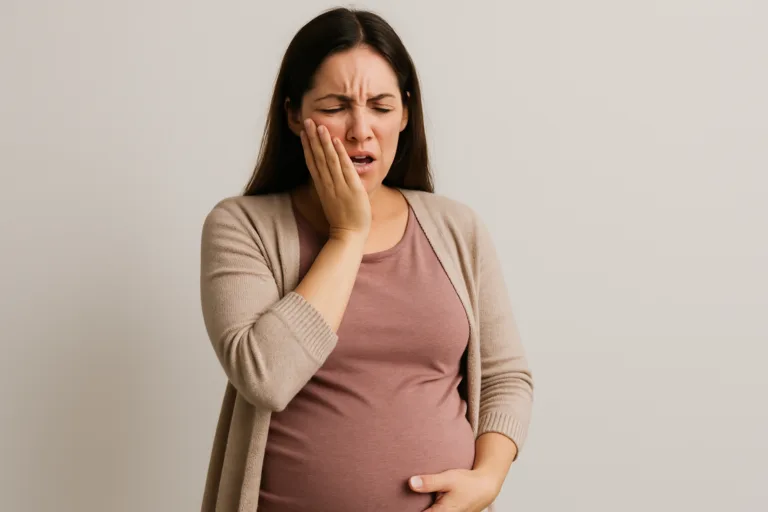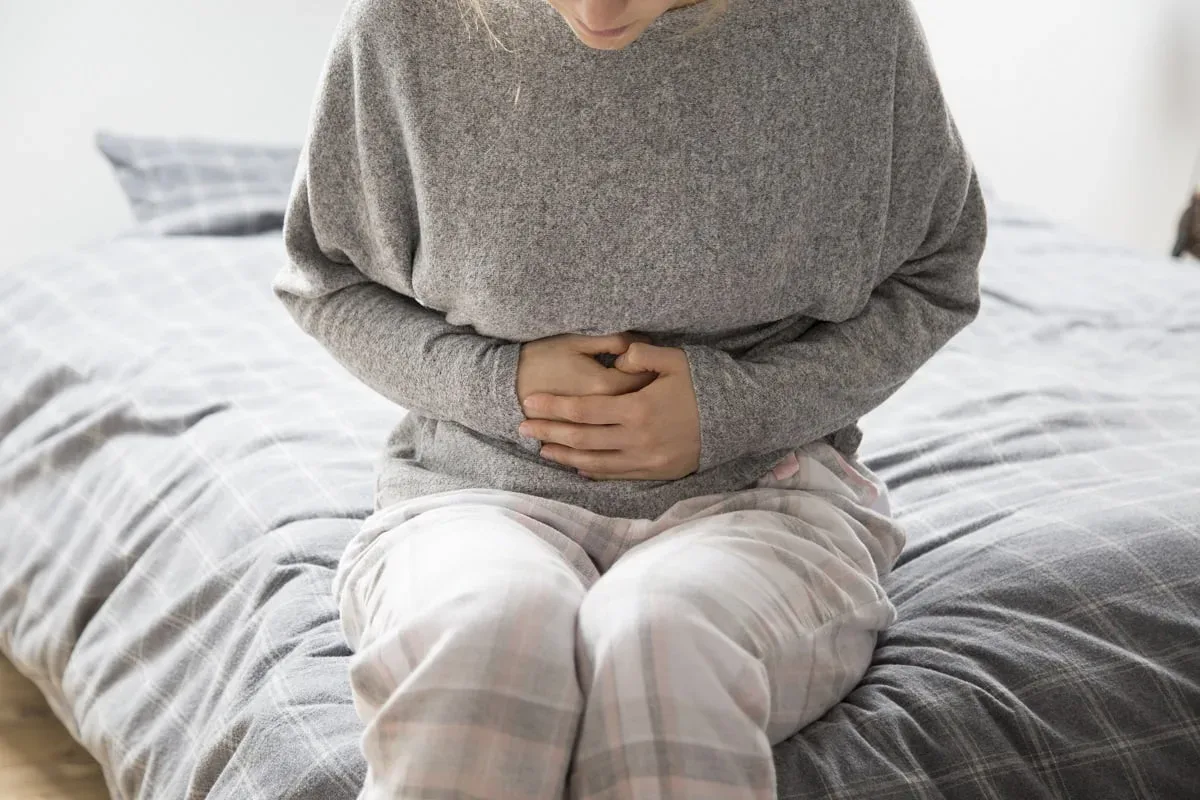
Gas and bloating during pregnancy
Gas and bloating during pregnancy is a common pregnancy symptom during pregnancy. Increased hormone progresterone in the body causes the muscles in the digestive system to relax. As a result, a feeling of gas and bloating occurs. You can get rid of pregnancy gas with some quick dietary adjustments, including avoiding fatty and fried foods and cutting back on gas-inducing vegetables like beans, whole grains, kale, and broccoli. If gas pains sound like severe abdominal pressure or cramping, see your doctor.
What causes gas pains during pregnancy?
Gas pains are common during pregnancy . The hormone progresterone, which increases together during pregnancy, causes the muscles in your body to relax. The muscles in the digestive system are also affected by this situation. These relaxed muscles slow down digestion, causing more gas, bloating, and belching than normal, especially after eating.
It is normal to normally make dozens of flatulence and belching actions during the day. However, this situation happens more during pregnancy. You may also find yourself unbuttoning your pants to reduce bloating before your belly starts to show itself.
During the first trimester, your enlarged uterus rather than bloating begins to fill your abdominal cavity, which can slow digestion and put pressure on your stomach, making you feel even more bloated after eating. Therefore, you may experience heartburn or constipationduring pregnancy, even if you have never been bothered by these ailments before.

Foods that cause gas and bloating during pregnancy
Gas and bloating can be inevitable during pregnancy. In this case, it is necessary to avoid foods that cause gas and bloating.
To reduce gas and bloating during pregnancy, avoid certain foods that are likely to cause this condition. Once you’ve noticed some relief, start adding these foods to your meals one at a time so that you find the food that’s causing you gas and bloating. Keeping a food diary can help you figure out if certain foods are making you more gassy than others.
Some foods that cause gas include:
- Beans, whole grains, and some vegetables like kale, cauliflower, brussels sprouts, broccoli, and asparagus . All of these include raffinose sugar, which causes gas in many people.
- Fructose: Found naturally in certain foods such as leeks, onions, artichokes, dried fruit, ketchup, pears, apples, honey, wheat, and fruit juice . High-fructose corn syrup is a type of sugar that is often added to processed foods and many sodas and fruit drinks.
- Some starches: Starches found in some foods, such as wheat and corn, cause gas. This is because most of us lack the enzyme needed to digest these complex carbohydrates. As a result, when these foods reach the intestines, the bacteria that live there eat them and cause gas production.
- Some foods rich in fiber, such as oat bran, beans, peas and many fruits.These foods normally break down in the large intestine, leading to gas. However, wheat bran basically passes through your digestive tract without breaking down, so it’s a good choice if you’re constipated and want to add fiber without further risk of bloating.
- Dairy products. People with lactose intolerance experience gas, diarrhea, and stomach pain when they consume dairy products. If you’re only mildly lactose intolerant, you may not have noticed any symptoms until you increased your consumption of dairy products during pregnancy. If you suspect the problem is caused by dairy products, try lactose-free milk or calcium-fortified soy milk. (If you don’t drink any dairy, you’ll probably need to take a calcium supplement. Also, ask your doctor if you’re getting enough vitamin D from your prenatal vitamin.)
- High-fat and fried foods. These types of foods take longer to digest, which means they’re more likely to get stuck in your gut and produce gas.

What is good for gas pains during pregnancy?
We have seen above what foods cause gas and bloating. However, you can do the following for gas and bloating during pregnancy.
- Do not eat large meals. Instead, eat several small meals throughout the day.
- Take your time and chew thoroughly. Do not talk while eating.
- Drink your drink from the glass. Not through a straw or from a bottle.
- Do not drink carbonated drinks.
- Do not drink anything sweetened with the artificial sweetener sorbitol.
- Do not chew gum or suck on hard candies.
- Even if you’re just having a small snack, sit down while you eat or drink.
- Move. Even a brisk walk can help with a sluggish digestive system.
- Prevent or treat constipation – it can contribute to gas and a feeling of bloating.
- Smoking. Smoking during pregnancy causes many serious health problems, but also increases stomach acidity. (Try quitting smoking before you get pregnant. If you’re having trouble quitting smoking, ask your healthcare provider to refer you to a program that may help.)
- Try prenatal yoga to learn relaxation and good breathing techniques. Some people tend to gas more when they are excited or anxious.
If these tips don’t help, ask your healthcare provider if you can take an over-the-counter gas medication that contains simethicone. (Do not take activated charcoal tablets without consulting your doctor first, as they may not be safe during pregnancy.)