High blood pressure during pregnancy
High blood pressure (hypertension) during pregnancy can cause serious problems for you and your baby. That’s why your doctor will measure your blood pressure at every prenatal routine pregnancy check-up. Most women who develop high blood pressure during pregnancy don’t feel any symptoms, so you may not be aware of it until your blood pressure is measured. Most women with high blood pressure can have a healthy pregnancy and manage the condition with lifestyle changes, medications, and close monitoring.
What is high blood pressure?
High blood pressure occurs when blood presses on the vessels more than normal. A certain amount of pressure is required for blood to move through your body, but too much pressure — called hypertension — can cause serious problems for you and your baby during pregnancy. For this reason, your doctor will check your blood pressure at every routine pregnancy check-up.
Some women may have a history of high blood pressure before they become pregnant, while some women may occur during pregnancy. Preeclampsia, a dangerous blood pressure disorder, can occur during pregnancy or after pregnancy.
Normal blood pressure values during pregnancy
Normal blood pressure values during pregnancy are blood pressure below 120/80 mm Hg. Art. This is referred to as “12 to 8”.
Blood pressure is measured in millimeters of mercury (mmHg), and there are two numbers of measurements. The first (systolic) number — high blood pressure — is the pressure your blood puts on the walls of your arteries when your heart contracts and pumps blood. The second (diastolic) number – diastolic blood pressure – refers to the pressure exerted by the blood on the vessels at the time when the heart relaxes and fills with blood.
High blood pressure is diagnosed when the systolic or diastolic number is abnormal, or both are outside the normal range.
Normal blood pressure and high blood pressure values during pregnancy are as follows;
- Normal: Less than 120/80 mm Hg
- Mild hypertension: greater than 140/90 mm Hg
- Severe hypertension: greater than 160/110 mm Hg
These values are different for people who are not pregnant.
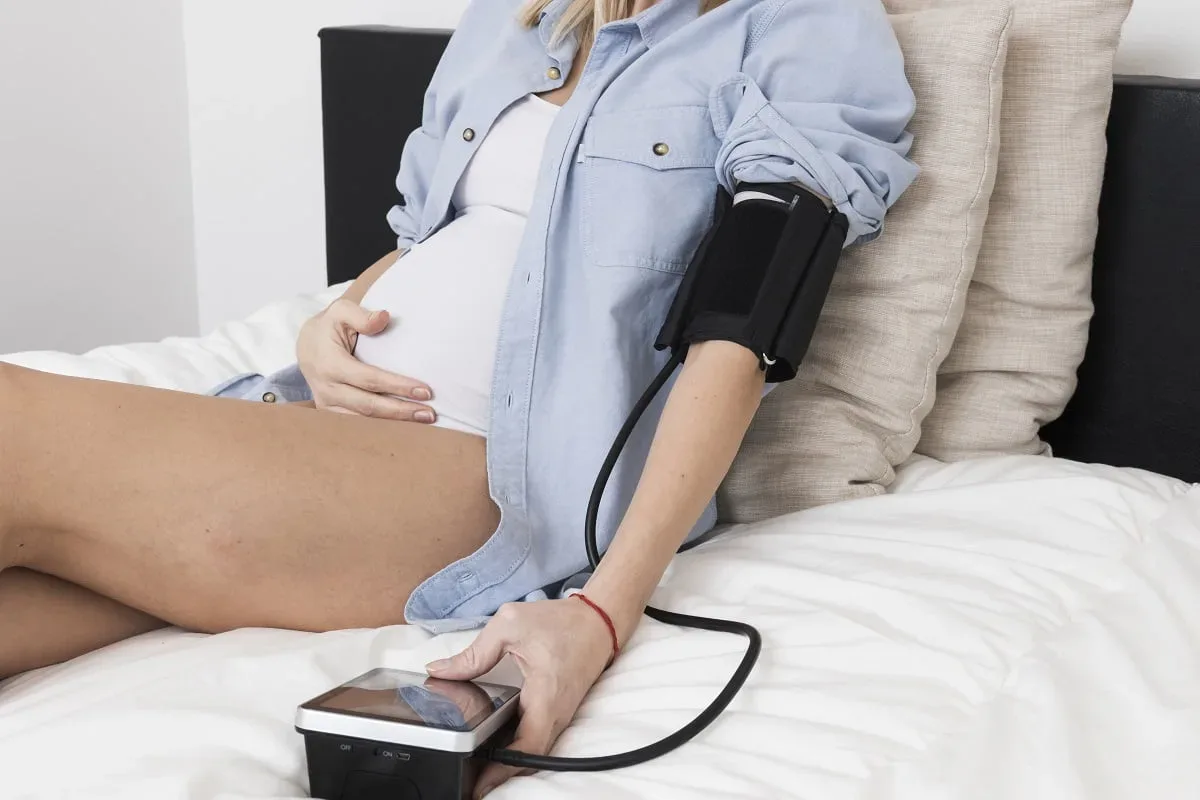
Your doctor or medical assistant will measure your blood pressure at each prenatal visit. Your healthcare provider may also ask you to monitor your blood pressure at home.
Before it is concluded that you have hypertension, your doctor will likely take measurements more than once. That’s because your blood pressure changes frequently throughout the day. Blood pressure can drop when you’re relaxed and rise when you’re active or stressed. Some women may have a blood pressure value above normal because they are nervous in the doctor’s office – this condition is called “white coat hypertension”.
If your blood pressure is measured high, your doctor will take another measurement within 15 minutes. If it’s still high, she will decide what to do next based on your current blood pressure, medical history, previous blood pressure values, if you have one, and gestational age.
Obstetricians and midwives take hypertension in pregnancy very seriously because of the possible serious complications for both mother and baby. Therefore, you must follow the doctor’s instructions.
Types of high blood pressure during pregnancy
High blood pressure during pregnancy is examined in 3 main groups.
Chronic hypertension
It is high blood pressure that existed before pregnancy or was diagnosed before 20 weeks. If you had high blood pressure early in your pregnancy, you may have high blood pressure before you became pregnant. (It is also called pre-existing or pregestational hypertension.) Chronic hypertension is also diagnosed for women who have high blood pressure for more than 12 weeks after giving birth.
Chronic hypertension can put you at risk for preeclampsia later in pregnancy. 1 in 4 women with chronic hypertension develops preeclampsia.
Gestational hypertension
It is high blood pressure that usually occurs for the first time at or after the 20th week of pregnancy. It is diagnosed if you have incipient high blood pressure during pregnancy but do not have preeclampsia. Women with gestational hypertension usually have a small increase in blood pressure, but 10 to 25 percent of women with this condition may show signs of preeclampsia later in pregnancy.
Preeclampsia
It is a serious condition in which women develop high blood pressure after 20 weeks of pregnancy and receive signs that some organs are not working properly. Your doctor will check blood and urine tests for signs of preeclampsia (such as protein in your urine).
The rate of preeclampsia has increased significantly over the past two decades. This increase may be due to more women having babies at an older age, or higher rates of obesity, diabetes, and hypertension — all of which increase the risk of preeclampsia. If preeclampsia occurs before 32 weeks of pregnancy , it is called early-onset preeclampsia. Preeclampsia can also be postpartum.
If you’ve had preeclampsia, you have an increased risk of high blood pressure, kidney disease, heart attack, and stroke later in life. You are also at high risk of preeclampsia in your next pregnancy.
If you already have chronic high blood pressure and also have preeclampsia, this is called superimposed preeclampsia .
What are the symptoms of high blood pressure during pregnancy?
Unless high blood pressure is dangerously high, it usually does not cause obvious symptoms. In other words, you may not be aware of this unless your blood pressure is measured.
Symptoms of high blood pressure during pregnancy include:
- Persistent headache
- Visual disturbances – blurred or double vision
What causes high blood pressure during pregnancy?
It’s not always clear what causes high blood pressure during pregnancy, but risk factors include:
- Age (the risk increases as you get older.)
- Having a personal or family history of gestational hypertension or preeclampsia
- Certain medical conditions before pregnancy, including diabetes, chronic hypertension, lupus, or chronic kidney disease.
- Having had preeclampsia in a previous pregnancy
- Being overweight (body mass index or BMI, over 30)
- Being sedentary
- Smoke
- Consuming too much salt
- Drinking alcohol more than twice a day
- Poor diet, especially preferring dishes that do not consist of fruits and vegetables
- Being pregnant with twins
- Being pregnant through alternative pregnancy methods such as IVF
What are the risks of high blood pressure during pregnancy?
Most expectant mothers with high blood pressure are doing just fine. If you have chronic hypertension, you and your doctor will likely be able to manage it with lifestyle changes, medications, and close monitoring for complications.
High blood pressure sometimes causes reduced blood flow to your baby, which means he may not be getting enough nutrients and oxygen to grow properly. The more severe your high blood pressure is and the earlier it occurs in pregnancy, the greater your risk of problems. There’s also a greater risk of complications if you’ve had high blood pressure for a long time and it’s damaged your heart, kidneys, or other organs. The risks are also higher for women who have high blood pressure caused by another medical condition, such as diabetes or kidney disease.
The risks of high blood pressure during pregnancy include:
- Having a smaller than normal baby: High blood pressure can restrict blood flow in the placenta, which means your baby isn’t getting all the necessary nutrients and is growing more slowly than usual (this is called intrauterine growth restriction, or IUGR).
- Cesarean delivery: Women with high blood pressure have a higher risk of giving birth by cesarean section.
- Placental abruption: In this case, part or all of the placenta separates from the uterine wall before the baby is born. There are different degrees of placental abruption, and in severe cases, the baby may not get enough oxygen and must be born immediately.
- Premature birth: If complications develop or if your baby doesn’t seem to be growing well, it may be necessary to go into labor prematurely. The more severe your high blood pressure, the more likely you are to need to go into labor prematurely.
If your high blood pressure develops into preeclampsia, the following risks arise:
- Seizures (eclampsia)
- Paralysis
- Future cardiovascular disease
- HELLP syndrome
How to prevent high blood pressure during pregnancy?
Some risk factors, such as your genes or having certain health conditions, can’t be changed. But you can make changes to reduce other risk factors, and it’s important to know them when you’re trying to get pregnant.
Here are some steps you can take to reduce your risks of high blood pressure:
- Eat healthy and watch your weight. Talk to your doctor about how much weight you will gain during pregnancy. The DASH diet, which recommends plenty of fruits, vegetables, and whole grains and limits saturated fats, salt, and sugar, is known to lower blood pressure and cholesterol.
- Ask your doctor if it’s safe to exercise. In most cases, you can continue to exercise, but your doctor may recommend that you change the types of activities you do.
- Don’t smoke
- Do not drink alcohol.
- Try to cope with stress, which can worsen high blood pressure.
Medications for high blood pressure during pregnancy
Many high blood pressure medications are safe during pregnancy, but not all. So talk to your healthcare provider if you become pregnant or plan to become pregnant while taking medication. Getting checked by a doctor before pregnancy is the ideal time to address your current medications and optimize your health before pregnancy.
Important: Unless your doctor tells you to, don’t stop taking your blood pressure medication during pregnancy. Your doctor will prescribe safe medications to help keep your blood pressure under control.
If high blood pressure occurs during pregnancy, your doctor will prescribe the most appropriate medication for you. Keep in mind that the risks of untreated high blood pressure are much higher than the risks of medication.
When to go to the doctor for high blood pressure during pregnancy?
If you check your blood pressure yourself at home and your blood pressure is above a certain level, talk to your doctor. Your healthcare provider will tell you what these levels should be and what to do if you go above them.
If you notice any changes in your baby’s movements, tell your doctor right away. If your baby seems less active than usual, you may need to do a kick count.
Also, if you have symptoms of severe preeclampsia or HELLP syndrome, go to the doctor right away.
- A severe or persistent headache
- Vision changes, including double vision, blurring, spots, or flashing lights vision, light sensitivity, or temporary loss of vision
- Intense pain or tenderness in the upper abdomen or shoulder
- Chest pain
- Nausea or vomiting (other than morning sickness in early pregnancy)
- Difficulty breathing