Belly itch during pregnancy: 5 possible causes
Belly itching during pregnancy is a common condition that many women face during pregnancy. During this period, changes in the body, stretching of the skin and hormonal fluctuations can lead to itching in the belly area. In this article, we will discuss in detail the causes and symptoms of itching of the navel during pregnancy, simple treatment methods that can be applied at home, and when to seek medical help. Understanding and managing such skin problems encountered during pregnancy is important both in terms of having a comfortable pregnancy and preventing possible skin problems. This guide is intended to help expectant mothers who are struggling with belly itching during pregnancy.
The aim of this section is to understand the basic dynamics of belly itching during pregnancy and to raise awareness about it. In the next section, we will take a closer look at the causes of itchy belly during pregnancy.
Causes of belly itching during pregnancy
There are several main causes of belly itching during pregnancy. This condition is directly related to the natural changes that occur during pregnancy. Below, we have detailed the main factors that cause itchy belly:
- Hormonal Changes: Hormonal changes in the body during pregnancy can cause various reactions on the skin. In particular, the increase in estrogen and progesterone hormones can lead to the skin becoming more sensitive and itchy.
- Stretching and Enlargement of the Skin: With the growth of the baby, the skin in the belly area expands and stretches. This stretching causes the skin to dry out and increase the itching sensation.
- Increased Blood Flow: During pregnancy, blood flow in the body increases. This can make the skin more sensitive and itchy.
- Changes in sweat glands: Hormonal changes can also affect the activity of the sweat glands. This can cause increased sweating around the navel and therefore itching.
- Skin Dryness: During pregnancy, the skin’s natural moisture balance may be disrupted. Loss of moisture leads to skin dryness and itching.
Each of these factors can contribute to belly itching during pregnancy. The important thing is to understand that these changes are natural and usually harmless, and to apply relaxing methods. In the next section, we’ll look at other factors that trigger belly itching during pregnancy.

Factors That Trigger Belly Itching During Pregnancy
There are many factors that cause itchy belly during pregnancy. Being aware of these factors and taking precautions against them can be helpful in reducing discomfort. Here are the main factors that can trigger belly itching during pregnancy:
Allergic Reactions:
- Skin Products: Some skin care products, soaps, or detergents can cause allergic reactions.
- Foods: During pregnancy, sensitivity to certain foods may increase, which can lead to itching of the skin.
Dry Skin:
- Weather Conditions: Dry air can cause the skin to dry out even more and increase itching.
- Inadequate Hydration: Not consuming enough water can disrupt the moisture balance of the skin and trigger itching.
The Effect of Clothes on the Skin:
- Tight Clothing: Tight and uncomfortable clothing can irritate the skin and increase itching.
- Synthetic Fabrics: Synthetic fabrics can prevent the skin from breathing and cause itching.
Stress and Anxiety:
- Psychological Effects: Stress and anxiety can trigger chemical reactions in the body that lead to itching.
Liver Problems During Pregnancy:
- Cholestasis: Although rare, pregnancy cholestasis is a liver condition that can cause itchy skin.
The effect of each of these factors on belly itching during pregnancy may differ. The important thing is to be aware of these triggers and to have a comfortable pregnancy process by taking the necessary precautions. In the next section, we will talk about the symptoms and diagnosis of itching in the navel.
Symptoms and Diagnosis of Belly Itching
Itching of the navel during pregnancy is usually a noticeable and uncomfortable condition. The symptoms and diagnosis of this condition are important for the health and comfort of the expectant mother. Here is the information on the main symptoms and diagnosis of itching in the navel:
Symptoms
Severity and Prevalence of Itching:
- Itching is usually concentrated around the navel, but sometimes it can spread to other parts of the abdomen.
- The severity of itching may vary during the day.
Visible Changes in the Skin:
- Redness, rash, or cracks in the skin may occur.
- The itchy area may become irritated because it is constantly itchy.
Skin Sensitivity:
- The skin is more sensitive than normal and overreacts to touch.
Diagnosis
Doctor’s Examination:
- A detailed skin examination is performed by the doctor to understand the cause of itching.
- The doctor may ask questions about the severity, duration, and extent of the itching.
Medical History and Symptoms:
- Information is collected about the period of pregnancy, personal and family medical history, allergic reactions and medications used.
Laboratory Tests:
- In some cases, blood tests may be ordered, especially if the itching is severe or if there is a suspicion of cholestasis.
Differential Diagnosis:
- Additional tests may be performed to rule out serious conditions such as cholestasis of pregnancy.
Belly itching during pregnancy is usually harmless and is considered a natural condition. However, if the itching is severe or accompanied by other symptoms, it is important to consult a doctor for medical evaluation and treatment. In the next section, we will focus on treatments and precautions that can be done at home.
Treatment and Precautions That Can Be Done at Home
Belly itching during pregnancy can be relieved with some simple methods that can be applied at home. Here are the treatments and measures to help you cope with this condition:
Use of Humidifiers:
- Intense Moisturizers: Use hypoallergenic, fragrance-free intense moisturizers to moisturize dry skin.
- Regular Practice: It is especially effective to apply moisturizer after bathing while your skin is still moist.
Clothing Selection and Skin Care Tips:
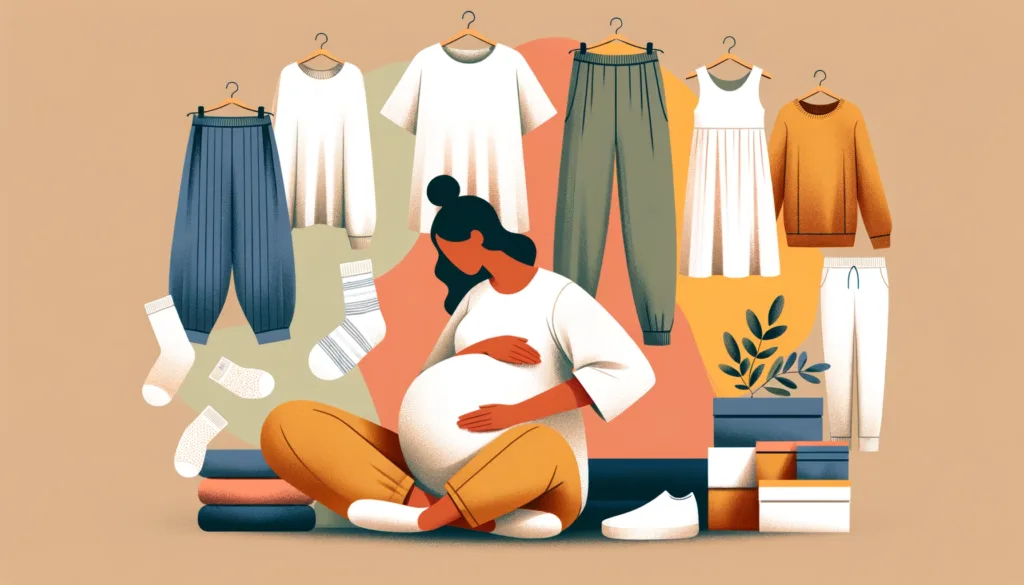
- Comfortable Clothing: Choose loose and comfortable clothes. Breathable fabrics such as cotton do not irritate your skin.
- Soft Fabrics: Use soft, natural fabrics in underwear that comes into direct contact with your skin.
Home Methods to Relieve Itching:
- Cold Compress: Applying a cold compress to the itchy area can provide relief.
- Oatmeal Bath: Oatmeal has skin-soothing properties. A warm oatmeal bath can relieve itching.
Water Consumption and Diet:
- Drinking Plenty of Water: Adequate water consumption helps maintain the moisture balance of the skin.
- Healthy Eating: Foods rich in omega-3 fatty acids and fruits and vegetables containing antioxidants support the health of the skin.
Methods to Reduce Stress:
- Relaxation Techniques: Yoga, meditation, or light exercises can reduce stress and relieve itching.
- Adequate Sleep: A good night’s sleep can improve your overall health and the condition of your skin.
These recommendations can help relieve belly itching during pregnancy. However, if these symptoms become severe or worrisome, it is important to seek professional medical attention. In the next section, we’ll look at medical treatment options for itchy belly during pregnancy.
Medical Treatment Options
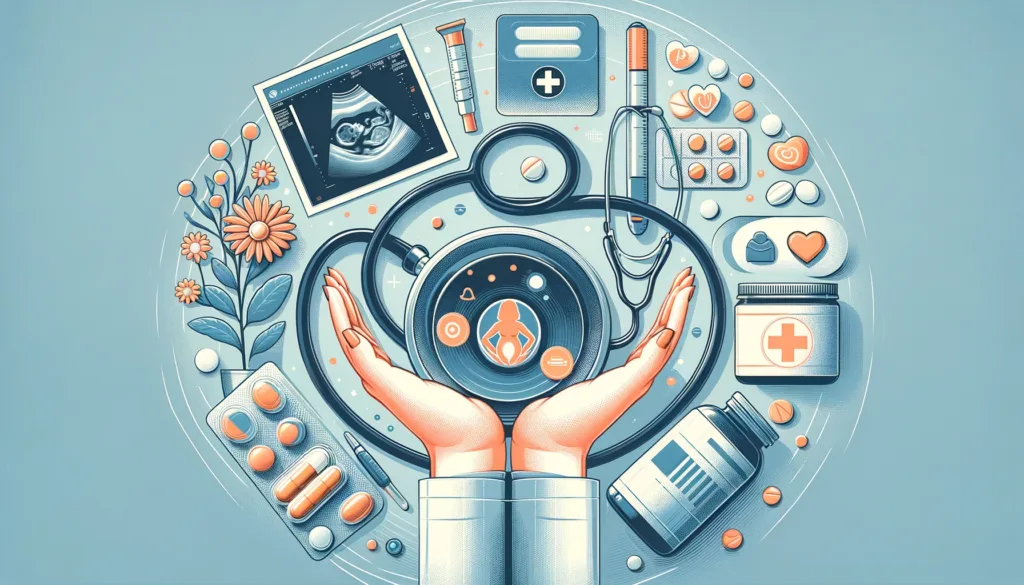
When home methods for belly itching during pregnancy are insufficient or if the itching is severe, it may be necessary to resort to medical treatment options. In order to protect the health of the mother and baby, all kinds of medical treatment should be done under the supervision of a doctor. Here are some medical treatment methods that can be used for belly itching during pregnancy:
Topical Treatments:
- Hydrocortisone Cream: Creams containing mild steroids can be used with the advice of a doctor. These creams soothe the skin and can relieve itching.
- Antihistamine Creams: Creams containing antihistamines may be recommended to soothe the skin and reduce itching.
Oral Medications:
- Antihistamines: In cases of severe itching, your doctor may recommend antihistamines that are known to be safe in pregnancy.
- Drugs to Support Liver Function: If the cause of the itching is a problem with the liver, medications that support liver function may be prescribed.
Doctor’s Recommendations and Treatment Guidelines:
- Regular Checks: Regular check-ups during pregnancy are important to monitor the course of the itching and its response to treatment.
- Treatment According to Personal Health Status: Since every pregnant woman’s health condition is different, the treatment plan should be individualized.
Alternative Treatments:
- Aromatherapy and Vegetable Oils: Some vegetable oils and aromatherapy products can be used to soothe the skin, but a doctor should be consulted first to make sure they are safe during pregnancy.
Diet and Lifestyle Changes:
- Healthy Eating: It is recommended to consume foods that support skin health.
- Physical Activity: Regular light exercise can improve overall health and reduce itching.
Medical treatment for belly itching during pregnancy should always be done under the supervision and recommendation of a doctor. Be sure to consult your doctor before using medication on your own. In the next section, we’ll look at the long-term effects of itchy belly during pregnancy.
Long-Term Effects of Belly Itching During Pregnancy
Belly itching during pregnancy is usually temporary and can be managed with the right care. However, this may have some long-term effects. Here are these effects and some key points for post-pregnancy skin care:
Permanent Changes and Scars on the Skin:
- Cracks: Constant stretching and itching can cause fine lines and cracks to appear on the skin.
- Hyperpigmentation: In some cases, changes in skin color may occur in itchy areas.
Post-Pregnancy Skin Care:
- Humidification: The use of moisturizers in skin care after pregnancy should continue.
- Anti-Stretch Mark Products: Commercially available anti-stretch mark creams and oils can help increase skin elasticity and improve its appearance.
Long-Term Health Monitoring:
- Regular Checks: If the itching is caused by a condition such as cholestasis of pregnancy, it is important to monitor liver function after childbirth as well.
- Doctor’s Recommendations: It is important to follow the doctor’s recommendations after pregnancy to maintain skin health.
Psychological Effects:
- Self-confidence: Changes in the skin can sometimes affect self-confidence. In this case, it is important to get support.
Nutrition and Lifestyle:
- Healthy Eating: It is beneficial to consume foods that will support the healing of the skin after pregnancy.
- Physical Activity: Regular exercise continues to improve overall health and contributes to skin health.
The long-term effects of belly itching during pregnancy are usually manageable and temporary. However, when itching becomes severe or persistent, it is important to seek professional medical attention. In the next section, we will provide answers to frequently asked questions about this.
Frequently Asked Questions
Frequently asked questions about itchy belly during pregnancy are given below. These questions are intended to address the common concerns and curiosity of expectant mothers on this subject:
When Does Belly Itching Start During Pregnancy?
Itching usually begins in the second or third trimester of pregnancy, but it can occur at different times in each woman.
Does Belly Itching Happen in Every Pregnancy?
Every pregnant woman has different experiences. Some women may experience belly itching, while others may not.
Will Itching Affect My Baby?
Itching in the navel usually does not harm the baby. However, severe itching can be a symptom of some health problems, so a doctor’s check is recommended.
When Should I Consult a Doctor?
If the itching is severe, if you have a rash or discoloration of your skin, or if it is accompanied by other symptoms, consult a doctor.
Does Itching Continue After Pregnancy?
In most cases, itching decreases or disappears completely after pregnancy. However, in some cases, it may persist for a while.
Are Home Treatment Methods Sufficient?
Home treatments are usually sufficient for mild to moderate itching. However, severe itching may require medical treatment.
Should I Make Changes to My Diet to Reduce Itching?
Consuming foods that support skin health can help reduce itching. Drinking plenty of water and foods rich in omega-3 fatty acids will be beneficial.
Do Creams and Drugs Used for Itching Harm the Baby?
All kinds of creams and medicines to be used during pregnancy should be with the advice of a doctor. Some topical creams and medications can be used safely during pregnancy.
Conclusion: The Importance of Dealing with Belly Itching During Pregnancy
Belly itching during pregnancy is a normal condition that many women experience, and in most cases, it is harmless. However, the correct management of this situation is important both for the comfort of the expectant mother and for the prevention of serious health problems that may be encountered in rare cases.
According to BabyCenter, it’s common to experience itching during pregnancy due to skin stretching and hormonal changes. In one review, it was stated that about 20% of pregnant women experience this condition (1). Dry skin and dry air indoors during the winter months can also increase itching. Some skin conditions, such as eczema, can worsen or improve during pregnancy. However, in cases of severe itching, especially on the palms and soles of the feet, it is important to seek medical attention.
A study by the Royal Australian College of General Practitioners (RACGP) noted rare skin conditions such as pemphigoid gestation. This condition is characterized by itchy papules, plaques, vesicles, and bullae that start on the abdominal wall and spread to the extremities, causing severe itching. Cholestasis of pregnancy (ICP) is also manifested by severe itching, which initially occurs without any primary skin lesions. (source 2) This condition can lead to serious health problems during and after pregnancy, so a careful approach to diagnosis and treatment is necessary.
In the light of this information, it becomes clear that belly itching during pregnancy is an important health issue and that expectant mothers should be aware of this issue. In addition to home treatments, it is important to seek professional medical help in cases of severe itching or other symptoms that accompany itching. Belly itching during pregnancy, while usually harmless, can be a symptom of serious health problems in some cases.
Resources: