Emotional changes during pregnancy
Emotional changes during pregnancy are a very common sign of pregnancy. You may find yourself crying while just laughing, and you may feel much more jealous than before pregnancy. Emotional changes during pregnancy appear as a result of hormones that increase together during pregnancy.
Emotional changes during pregnancy can be triggered by a variety of factors, including hormonal changes, stress, and health problems. The good news is that emotional swings and mood swings during pregnancy are temporary.
Emotional changes during pregnancy
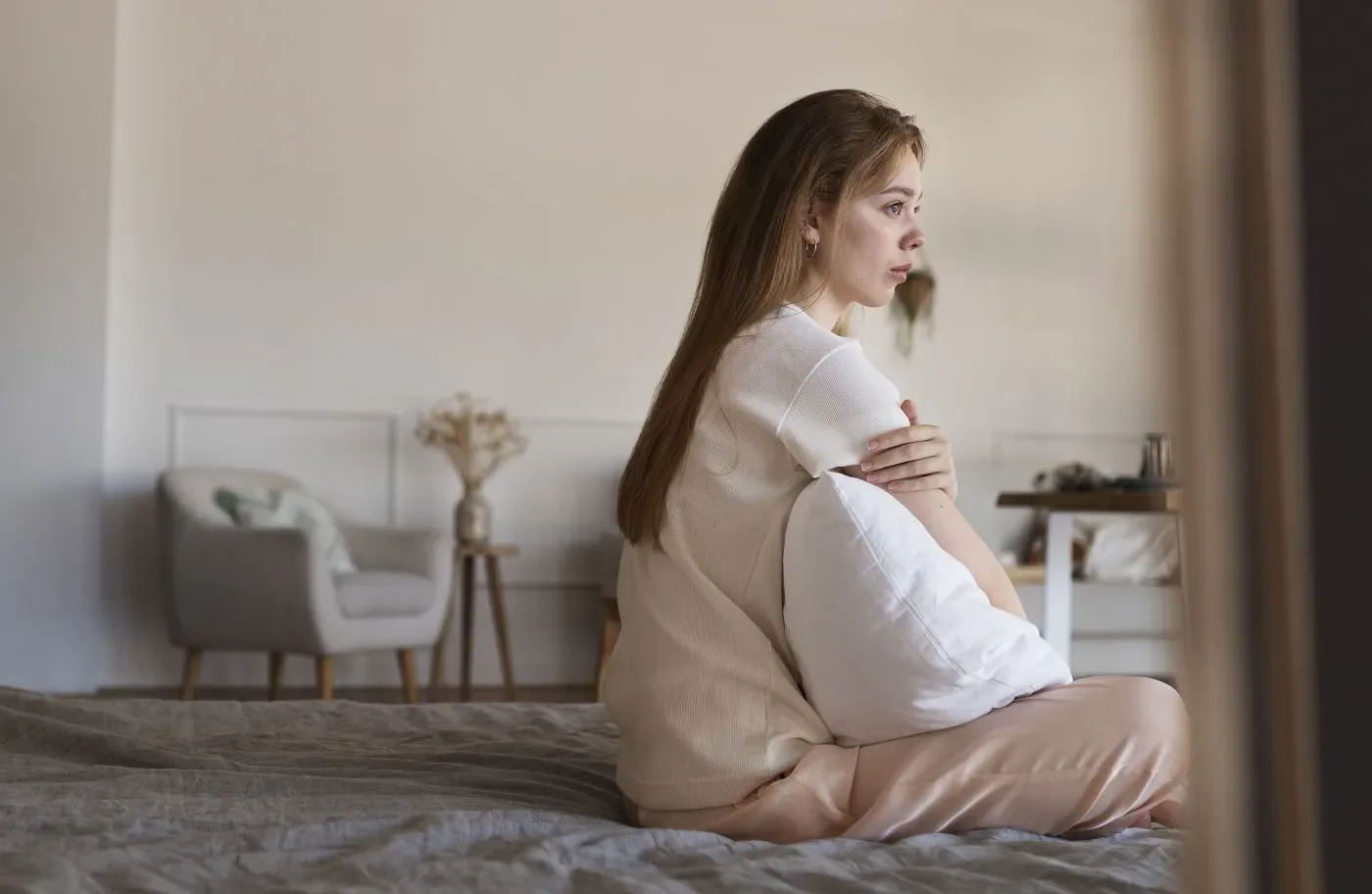
Emotional swings and mood swings during pregnancy are mainly sudden changes in your emotions and behavior. Some days you may be overwhelmed by the idea of being a ‘mother’, while others you may feel overwhelmed by the same thought. Being happy and moving to tears in a matter of seconds is a result of mood swings, and while it may not mean much to you, you will experience them, especially during the first trimester of your pregnancy!
Are mood swings normal during pregnancy?
Pregnancy is a period of drastic changes in a woman’s body, and hormonal fluctuations are one of them. With hormonal changes, it is inevitable that you will experience a surge in emotions. Mood changes are more common in women who often experience PMS (hormonal mood swings before menstruation). However, since these mood swings are just as normal as your unusual pregnancy cravings, there’s no need to worry or panic at all. This is your body’s way of adapting to all emotional changes.
What are the causes of emotional changes during pregnancy?
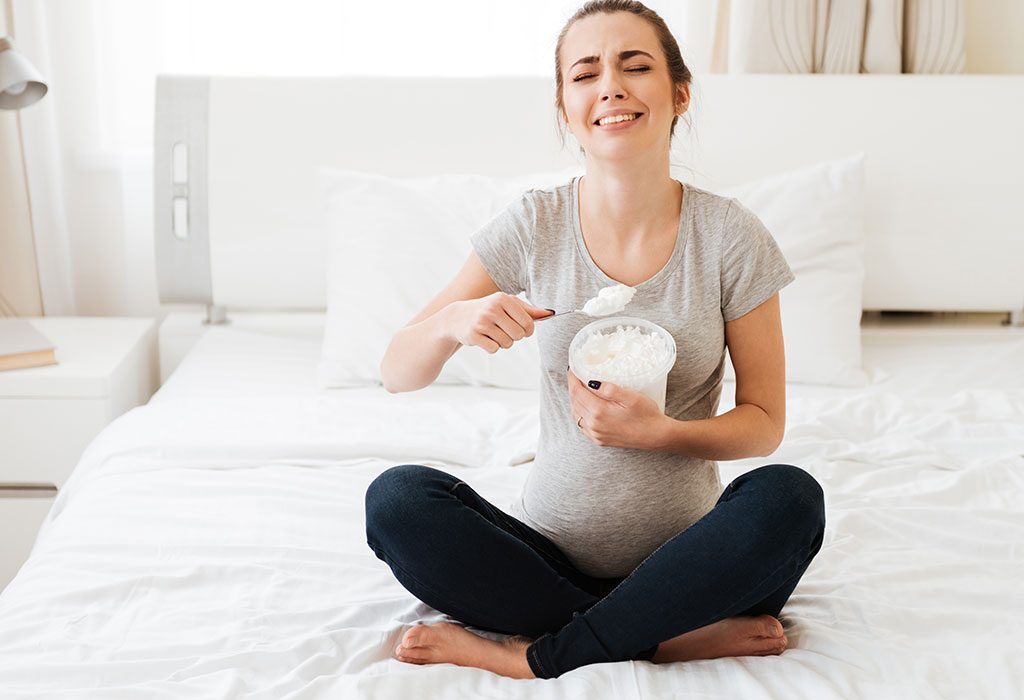
Emotional swings during pregnancy are a result of the ever-changing hormones in your body, and these hormonal mood swings during pregnancy can make your pregnancy an emotional rollercoaster. However, contrary to popular belief, hormonal changes alone are not the cause of these mood changes. Below are some reasons that may cause you to experience mood swings while pregnant.
Hormones
One of the main causes of mood swings during pregnancy is an increase in the hormones progesterone and estrogen. These hormonal changes affect neurotransmitters (text-carrying chemicals) in your brain. When there is an increase or decrease in the amount of these neurotransmitters, it directly affects how you feel. All of a sudden, you may be anxious, grumpy, irritable, or excited and happy.
Stress
Worrying about the future and the health or birth of your growing baby can also cause fluctuations in your hormones, which can affect your mood.
Other signs of pregnancy
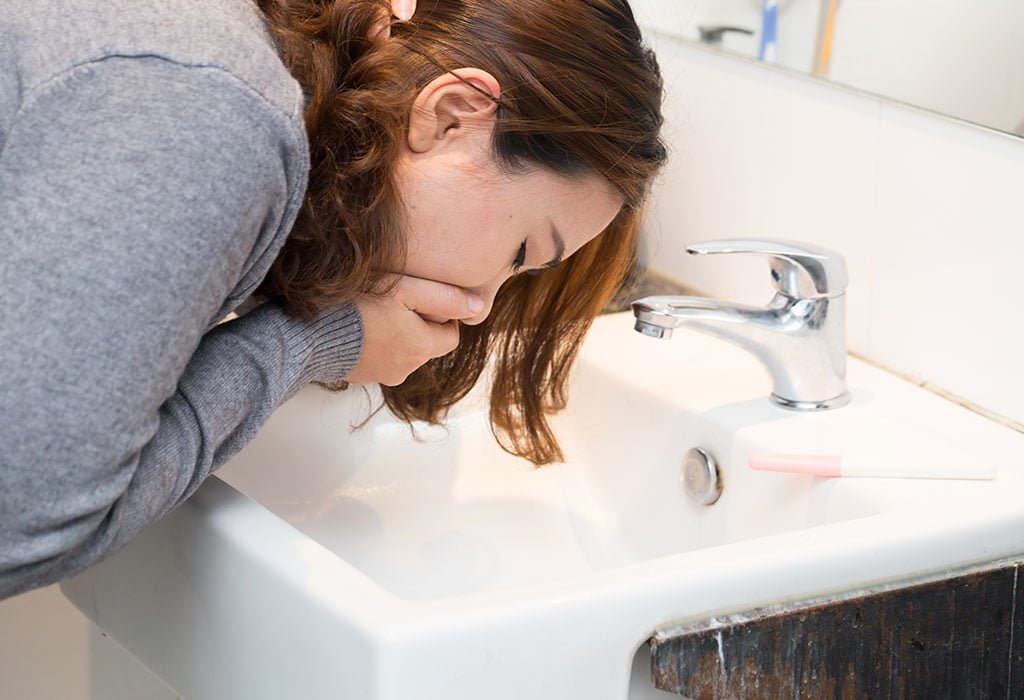
Other pregnancy symptoms that your body may experience during pregnancy can cause you to experience emotional changes. Common problems with pregnancy, such as heartburn, frequent urination, and fatigue, can affect your health and mood.
Emotional and physical stress
Women can become particularly sensitive during this time, and even the slightest thing can make them nervous. Emotional stress is another big factor responsible for mood swings. Similarly, physical stress and too much physical activity can also affect your mood. Metabolism can also affect your mood. Your emotions can be turned upside down for many reasons.
When does emotional change begin during pregnancy?
Women often experience emotional changes during the first and last trimester of their pregnancy. In some women, this condition persists for the entire duration of pregnancy. The emotional changes in the first week of pregnancy set the stage for the first trimester and the rest of the pregnancy. Let’s see how these mood swings affect a woman in the three trimesters:
Emotional changes in the first trimester
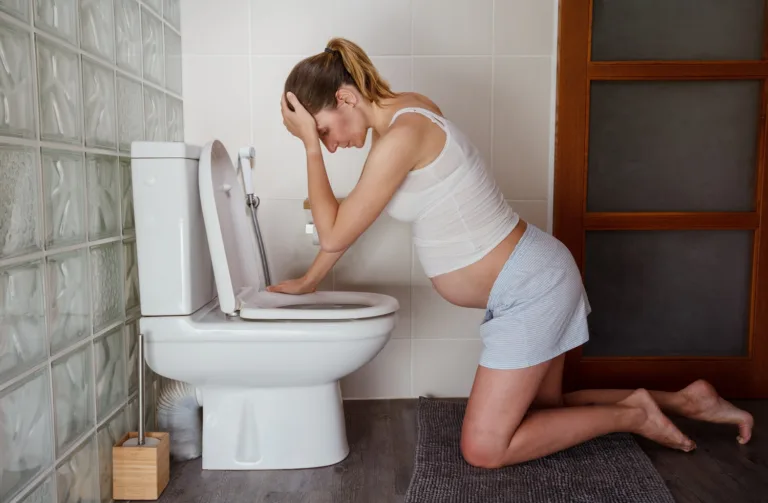
It can be a little difficult to get through the first stage of pregnancy, especially since women who are going to have a baby for the first time are not used to such sudden changes. Mood changes in the first trimester of pregnancy can seem quite noticeable in most cases. However, some women may also experience them at a later stage. Morning sickness and irritability will come on suddenly, and make sure you give yourself some leniency because it’s okay to act the way you do.
Emotional changes in the second trimester
The second trimester seems to be the calmest phase of pregnancy. If you have already experienced mood swings at the initial stage, it’s time to relax. Pregnancy mood swings in the second trimester aren’t as pronounced, because you’ve most likely come to terms with the hormonal roller coaster your body is going through. This is true for most women, but some women may also begin to experience mood swings at this stage.
Emotional changes in the Third Trimester
During the third trimester of pregnancy, mood swings are expected to peak and often worsen. This is especially difficult because women tend to experience heartburn and insomnia, and they feel very tired at this stage. As a result, it is probably the most difficult stage of pregnancy to deal with.
Coping with emotional changes during pregnancy
Controlling mood swings may not be as difficult as it seems. Each woman can explore different options and choose the one that works best for them. So, how to deal with the ever-changing emotions during pregnancy?
Get enough sleep
Being pregnant isn’t easy, and your body needs a lot of things. Make sure you sleep well and get enough rest.
Engage in Regular Physical Activity
Light exercises during pregnancy are often recommended by most doctors. Physical activity releases endorphins that make you feel relaxed and happy during pregnancy. If you want to start exercising during pregnancy, consult your doctor to find out what physical exercises you should start with.
Spend time with your partner

Talking about exactly how and what you’re feeling is the only therapy you’ll ever need. You should be vocal about your feelings, and arguing with your partner always helps. After all, it’s a team effort!
Eat well
You should be very careful about what you eat during pregnancy because they can also affect your mood. It is observed that high-calorie foods are usually high in the glycemic index, which affects the level of sugar in the body. As a result, you may experience sudden mood swings. Therefore, it is highly recommended to have a balanced and nutritious diet.
Hang out with your friends
Fun times with friends and family can relax you like nothing else. So invite your friends and watch a good movie with them. A change in your routine can be good for your health. You can also call your friend and talk to them, and you will feel very relaxed.
Get a massage
A massage can always help to relax your body if it is experiencing physical stress.
Go for a walk
A little ‘me’ time is very important during pregnancy and after childbirth. Taking a walk can help you calm down and collect your thoughts. Take a walk in your garden or parks if you have one to get fresh air. If you don’t want to go alone, you can always ask your partner to join you.
When to seek professional help?
Most of the time, you will be able to handle mood swings on your own. But if your mood swings seem to be out of control, you should see your doctor. This is especially true if you’re dealing with anxiety, health issues, or other issues. Also, if depression starts, it’s very important to let your doctor know about it right away. Your health is critical because it affects your child’s health.
Depression can be very harmful if left untreated, and it can increase your risk of prenatal and postpartum depression — a mood disorder after childbirth. Every new mother is at risk of depression.
Anxiety during pregnancy, stressful life events, traumatic birth experience, lack of support, etc. Consider talking to your doctor if your mood swings seem difficult to manage, or if the remedies you’ve tried aren’t working.
Mood swings are common during pregnancy, but don’t let them stop you from enjoying your pregnancy stage. There are different ways to manage mood swings during pregnancy, you may need to try several options to see which one works for you. Stay happy and have a healthy pregnancy!