How Should Lunch Be During Pregnancy?
Lunch during pregnancy is one of the most important meals of the day. During this special period, the right food choices are vital for the health of both the expectant mother and the developing baby. During pregnancy, each meal should be carefully planned and a balanced diet should be prioritized. Lunch, in particular, is an ideal opportunity to balance energy levels and meet the nutritional needs throughout the day. In this article, we’ll cover important points such as the importance of lunch during pregnancy, foods to consume, and what to avoid, so you can make the healthiest choices for both you and your baby.
Foods Suitable for Lunch During Pregnancy
The foods to be selected during lunch during pregnancy are of great importance for the healthy development of the expectant mother and the baby. The main food groups to consider in this meal are:
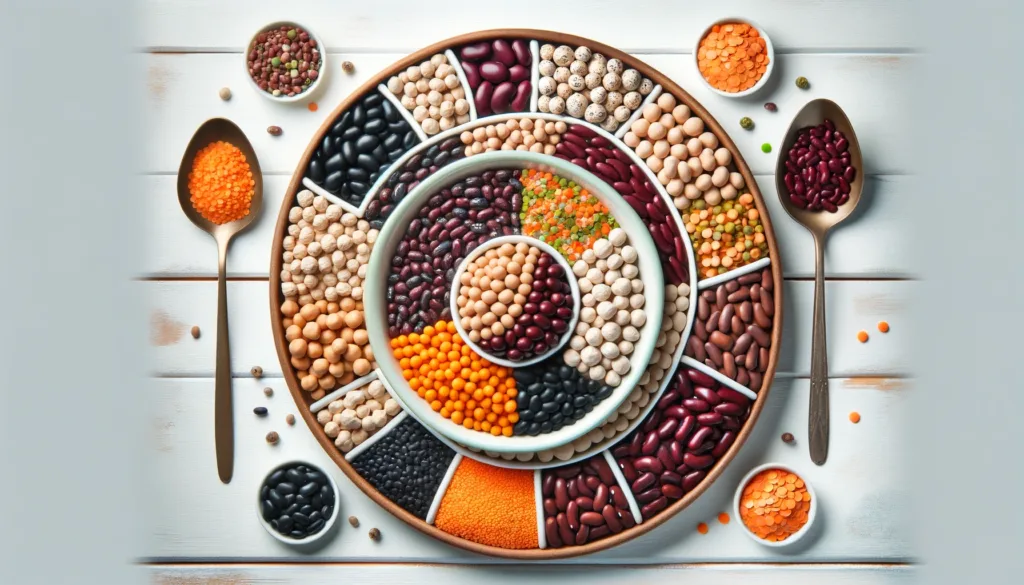
- Protein Sources: High-quality proteins should be at the forefront at lunch during pregnancy. Meat, fish, chicken, turkey, tofu, beans, chickpeas, lentils, eggs, milk, and yogurt as vegetarian alternatives are good sources of protein. These nutrients are essential for the healthy growth and development of the baby. In particular, it is important to avoid risky foods such as raw or undercooked meat and fish.
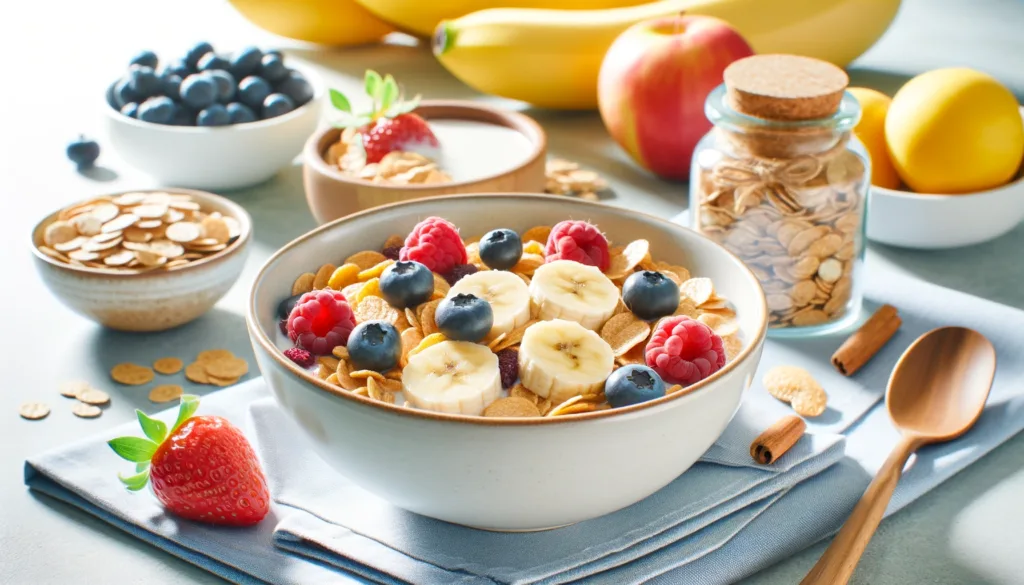
- Cereals: Whole grains should be preferred for lunch during pregnancy. Whole grains are rich in magnesium, folic acid, and fiber. These nutrients are essential for the healthy growth of the baby. Options such as wholemeal bread, oatmeal, whole wheat pasta, brown rice, bulgur and rye bread are ideal.
- Vegetables: Vegetables such as green leafy vegetables, spinach, broccoli, cabbage, chard, green beans should be included in lunch during pregnancy. These vegetables provide vitamins and minerals that are essential for the expectant mother.
- Fruits: Fruits can be consumed at lunch or snacks. Fruits, which are rich in fiber, vitamins and minerals, contribute to the nutrition of the expectant mother with varieties such as oranges, tangerines, apples, pears, bananas, strawberries, kiwis, avocados, peaches and grapes.
- Dairy Products: Calcium-rich dairy products occupy an important place in lunch during pregnancy. Products such as milk, yogurt, cheese and buttermilk are essential for the bone health of both the expectant mother and the baby.
Consuming these food groups in the right balance is critical both in terms of maintaining the energy level of the expectant mother and providing the necessary nutrients for the development of the baby. During the planning of this meal, it is important to focus on variety and nutritional values in lunch preferences during pregnancy .
Foods to Avoid During Pregnancy
Foods that should be avoided during lunch during pregnancy are of great importance for the health of both the expectant mother and the baby. Listed below are some basic food items and beverages to avoid during this period:
- Raw Meat and Raw Fish: Raw or undercooked meat and fish carry the risk of infection such as listeriosis and toxoplasmosis. That’s why it’s important to avoid these types of foods at lunch during pregnancy.
- Prepared Foods and Processed Products: Convenience foods that contain high salt, sugar, and additives are among the foods that should be avoided during pregnancy. Such products can lead to unhealthy eating habits and unnecessary weight gain.
- Fast Food Products: Fast food type foods, which are generally high in fat, salt and calories, should not be preferred for lunch during pregnancy. These foods can cause digestive problems and unhealthy eating habits.
- Alcohol: Alcohol is a drink that should definitely be avoided during pregnancy. Alcohol consumption can lead to serious health problems, such as fetal alcohol syndrome.
- Caffeine: High caffeine consumption can increase the risk of low birth weight and preterm birth. It is important to limit or completely avoid the consumption of caffeinated beverages at lunch during pregnancy.
- High-Sugar and Fatty Foods: Foods that contain excess sugar and fat are other foods that should be avoided at lunch during pregnancy. These can contribute to unnecessary weight gain and the risk of gestational diabetes.
- Soft Cheeses and Unpasteurized Dairy Products: Soft cheeses and unpasteurized dairy products, which are at risk of listeriosis, should not be consumed at lunch during pregnancy.
Careful consumption or complete avoidance of these food items and beverages is critical for the healthy development of both the expectant mother and the baby. Paying attention to these recommendations in your lunch choices during pregnancy is important for a healthy pregnancy process.
How to Eat During Pregnancy?
The nutritional basics that should be followed during pregnancy, including lunch during pregnancy, are of great importance to maintain the health of both the expectant mother and the baby. An ideal pregnancy diet should include the following essential food groups:
- Cereals: It is important to choose whole grains for lunch and other meals during pregnancy. Rich in essential carbohydrates, fiber, iron, B vitamins, and various minerals, these foods are the body’s main source of energy. Examples include whole wheat bread, whole wheat pasta, and oatmeal.
- Fruits and Vegetables: Fruits and vegetables provide a variety of vitamins and minerals, including vitamin C, vitamin A, iron, folate, and fiber. Focusing on these food groups at lunch and other meals during pregnancy helps digestion and is important for overall health.
- Meat, Poultry, Fish, Eggs, and Beans: This food group contains high-quality proteins and important nutrients like B vitamins and iron. Protein is vital for the growth and development of the baby.
- Dairy Products: Dairy products contain calcium, vitamin D, and protein. Consuming dairy products such as milk, yogurt and cheese at lunch and other meals during pregnancy is important for the healthy development of the baby’s bones and teeth.
- Water and Other Fluids: Water is essential for the regular functioning of body functions and the transport of nutrients to the baby. Adequate fluid intake during pregnancy helps prevent problems such as constipation and urinary tract infections.
- Healthy Fats: Consumption of foods containing healthy fats, such as avocados, olive oil, and nuts, is essential for a balanced diet at lunch and other meals during pregnancy.
- Nutritional Supplements: If some essential nutrients cannot be taken adequately during pregnancy, prenatal vitamin supplements can be used under the supervision of a doctor.
These nutritional basics should be considered at every stage of pregnancy , from lunch choices to daily diet planning. For a healthy pregnancy period, it is of great importance to consume these food groups in a balanced and regular way.

Nutrition and Health During Pregnancy
Lunch and general diet during pregnancy are extremely important for the health of both mother and baby during pregnancy. Here are the nutritional principles and healthy eating recommendations that should be considered during pregnancy:
- Fluid Intake: Adequate fluid intake is vital during pregnancy. A few glasses of water, juices and soups a day are enough to meet the need for fluids. You should talk to your healthcare providers about caffeine and artificial sweeteners. It is important to avoid alcohol consumption.
- Protein: A daily protein intake of 75-100 grams is recommended. Protein promotes fetal tissue growth, brain development, and the growth of breast and uterine tissue in the maternal body during pregnancy. Meat, fully cooked fish, seafood, chicken, lean beef, lamb, pork, nuts, tofu, and legumes are good sources of protein.
- Calcium: The daily need for calcium during pregnancy is about 1000 milligrams. Calcium helps regulate the body’s fluids and build the baby’s bones and tooth buds. Dairy products, eggs, yogurt, pasteurized cheese, tofu, white beans, almonds, salmon, and green leafy vegetables are good sources of calcium.
- Iron: Iron, along with sodium, potassium and water, increases blood volume and prevents anemia. A daily intake of 27 milligrams of iron during pregnancy is ideal. Green leafy vegetables, whole grains, and lean protein sources are good sources of iron.
- Folic Acid: Folic acid plays an important role in reducing the risk of neural tube defects. A daily intake of 600–800 micrograms (0.6–0.8 milligrams) of folic acid is recommended. Dark green leafy vegetables and fruits are rich in folic acid.
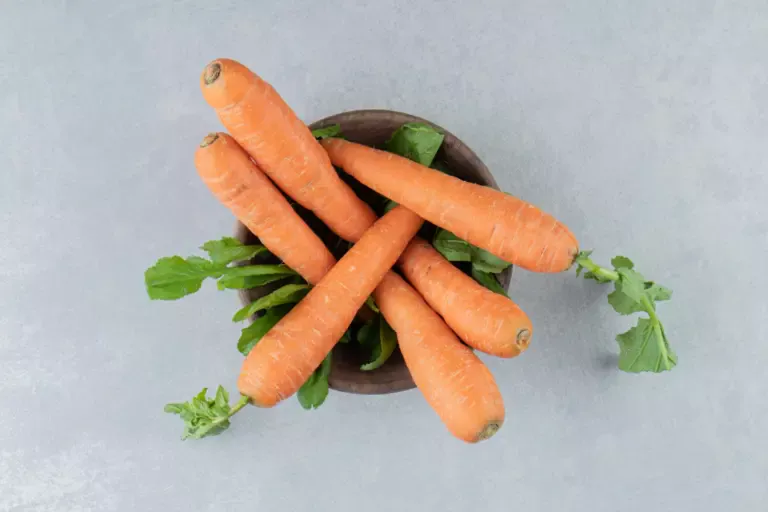
- Choosing the Right Foods: During pregnancy, vegetables, fruits, dairy products, grains and protein sources should be consumed in a balanced way. Ideal foods to consume at lunch during pregnancy include carrots, sweet potatoes, zucchini, spinach, cooked greens, tomatoes and red sweet peppers.
These nutritional principles and recommendations will guide your lunch choices and overall diet during pregnancy . A healthy diet during pregnancy is an essential element for maternal and infant health.
Pregnancy and Diet: Do’s and Don’ts
Lunch and general diet are of great importance during pregnancy. The do’s and don’ts for a healthy pregnancy period can be summarized as follows:
What to do:
- Balanced Diet: Following a balanced and varied diet during pregnancy ensures that all the nutrients necessary for both mother and baby are taken.
- Adequate Protein Intake: Protein is critical for the healthy growth and development of the baby. Meat, fish, eggs, dairy products and legumes should be preferred for adequate protein intake.
- Complex Carbohydrates: Whole grains, vegetables, and fruits both provide energy and contain fiber, vitamins, and minerals that are essential during pregnancy.
- Adequate Fluid Intake: Drinking at least 8-10 glasses of water a day maintains fluid balance in the body and helps prevent problems such as constipation, which is common during pregnancy.
- Folic Acid and Other Vitamins: Adequate intake of vitamins and minerals such as folic acid, iron and calcium is important for the healthy development of the baby. Therefore, if necessary, prenatal vitamin supplements should be taken under the supervision of a doctor.
Don’ts:
- Avoiding Raw and Undercooked Foods: Foods such as raw or undercooked meat, fish, and eggs can pose health risks. It is important to stay away from such foods.
- Avoiding Excessive Sugar and Processed Foods: Processed foods and excessive sugar consumption can lead to unnecessary weight gain and the risk of gestational diabetes.
- Limiting Alcohol and Caffeine Consumption: Alcohol consumption can lead to serious health problems such as fetal alcohol syndrome. Caffeine consumption should also be limited or stopped altogether.
- Avoiding Excessive Weight Gain: Ideal weight gain is important for a healthy pregnancy. Excessive weight gain carries risks for the health of both mother and baby.
- Avoiding Unbalanced Diets: Very low-calorie or unbalanced diets can adversely affect the health of both mother and baby.
During pregnancy, lunch and general diet play a critical role in a healthy pregnancy period. Developing proper eating habits during pregnancy is of great importance for the health of both mother and baby. For a healthy pregnancy, you can plan your eating habits in consultation with your doctor or a nutritionist.
Lunch Recipes for Mother and Baby Health
Here are a few recipes for lunch during pregnancy that are suitable for the health of both mother and baby:
1. Whole Grain Chicken Salad
Ingredients:
- 1 breast chicken fillet
- 1 cup mixed whole grains (quinoa, bulgur, brown rice)
- 1 bunch of spinach
- 1 carrot, grated
- 1 red pepper, diced
- 1/2 avocado, sliced
- 1 tbsp olive oil
- Lemon juice
- Salt and pepper
Method:
- Cook the chicken on the grill or in the oven. After cooling, cut into pieces.
- Cook and refrigerate whole grains according to the instructions on the package.
- In a large bowl, combine the spinach, shredded carrots, diced red peppers, and avocado.
- Add cooked grains and chicken pieces on top.
- Season and stir with olive oil, lemon juice, salt and pepper.
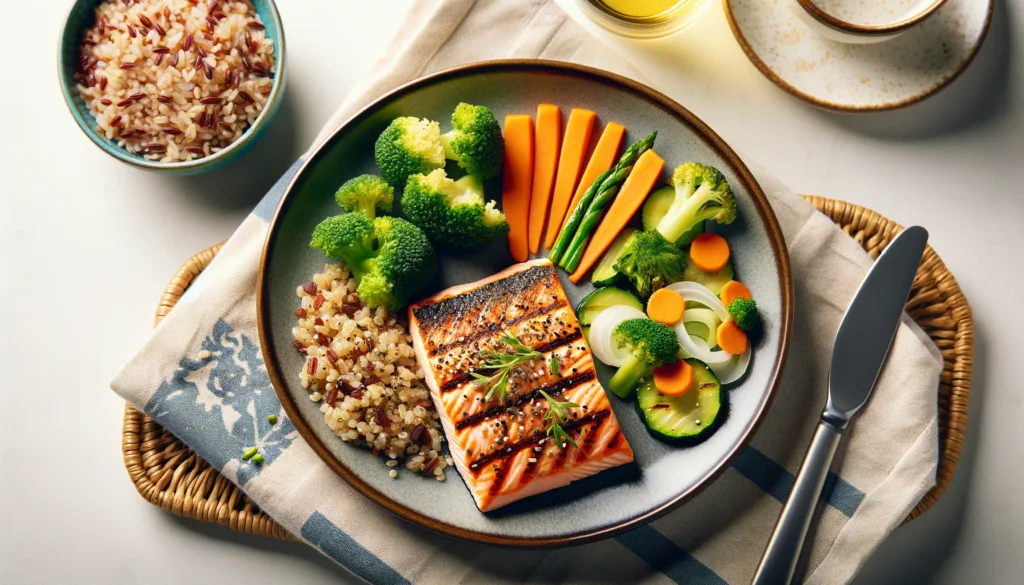
2. Omega-3 Rich Grilled Salmon and Vegetables
Ingredients:
- 2 salmon fillets
- 1 cup broccoli florets
- 1 cup chopped zucchini
- 1 red onion, sliced
- 1 tbsp olive oil
- Lemon juice
- Salt and pepper
Method:
- Marinate the salmon fillets in olive oil, lemon juice, salt and pepper and place in the refrigerator for 30 minutes.
- Cook broccoli, zucchini and onions on a lightly oiled grill or in the oven.
- While the vegetables are cooking, cook the salmon on the grill or in the oven for 4-5 minutes on each side.
- Place the cooked salmon and vegetables on a serving plate.
3. High-Fiber Lentil Soup
Ingredients:
- 1 cup green lentils
- 1 onion, diced
- 1 carrot, chopped
- 1 celery stalk, chopped
- 1 liter of vegetable stock
- 1 tbsp olive oil
- Salt, pepper and oregano
Method:
- Sauté onion, carrot and celery in olive oil until tender.
- Add the lentils and vegetable broth on top.
- Once it starts to boil, reduce the heat and cook until the lentils are soft.
- Season with salt, pepper and thyme.
These recipes offer both healthy and delicious options for lunch during pregnancy and are designed to fit your dietary needs during pregnancy.
Source: