How to Choose a Baby Bottle for Newborn Babies?
With the arrival of a tiny puppy, an exciting journey begins for the parents. In this journey, “Bottle Selection for Newborn Babies” plays a vital role to ensure that your baby grows up healthy and happy. If you’re a new parent, you undoubtedly want what’s best for your baby. So, how do you choose the most suitable bottle for these tiny miracles?
Choosing a Baby Bottle for Newborn Babies
In this article, we have put together the most important points to consider when choosing a baby bottle for newborn babies. When choosing a bottle for your newborn baby, we will share various tips that will both protect your baby’s health and be practical for you. While we will touch on topics such as the types of baby bottles, pacifier selection, size and capacity, we will also provide useful information about bottle care and cleaning. By choosing the ideal bottle for your baby, you can help him get off to a healthy start. Let’s embark on this colorful and informative journey together!
Baby Bottle Types and Features

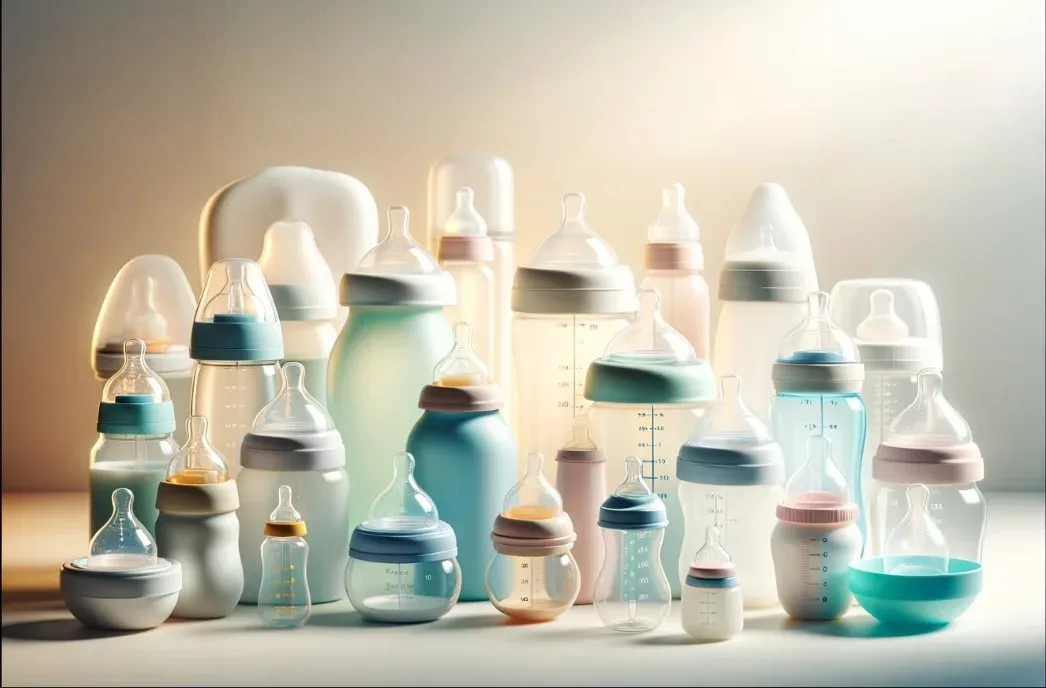
When making “Choosing Baby Bottles for Newborn Babies” for our cute little ones, it is an exciting step to discover the types and features of baby bottles. There are many types of baby bottles on the market made of different materials. Each of them has its own advantages and ease of use. Here are the most common types of baby bottles in this colorful world:
- Plastic Baby Bottles: They are known for being lightweight and unbreakable. However, make sure they are made of safe plastic material that does not contain harmful substances such as BPA. Plastic baby bottles are ideal for babies who are active and love to explore.
- Glass Baby Bottles: They do not contain chemicals and can be easily sterilized. While their weight and breakability are a drawback, they are an excellent option for long-lasting use.
- Silicone Baby Bottles: They attract attention with their soft structure and flexibility. They are BPA-free and ideal for baby to hold. However, they can be more expensive than glass and plastic baby bottles.
The lids of the baby bottles, their airtightness and their non-drip structure are also important factors. When choosing a bottle for newborn babies, it’s important to consider your baby’s health and nutritional needs. In addition, there are bottle tips (pacifiers) suitable for different mouth structures of babies.
When choosing a baby bottle, it is best to choose options that will support your baby’s development and provide a comfortable feeding experience for him. Remember, every baby is different, and choosing the best bottle may vary depending on your baby’s needs.
Pacifier Selection and Baby’s Health
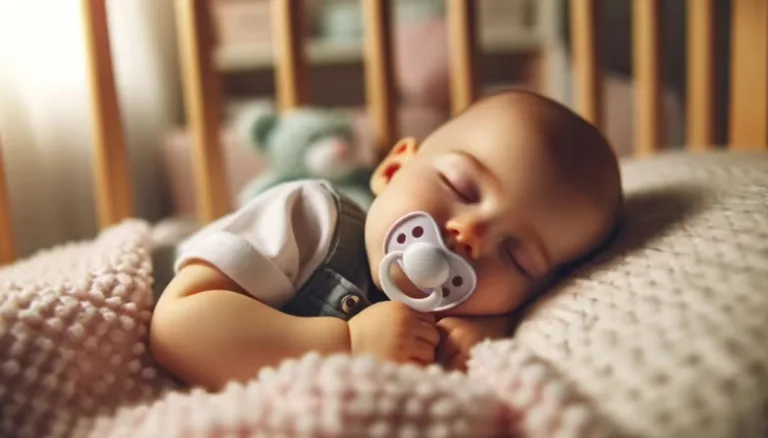
In the process of “Bottle Selection for Newborn Babies”, the choice of pacifier is just as important. Finding the right pacifier for your baby’s healthy development directly affects his feeding experience.
Pacifier Selection and Baby’s HealthThe use of pacifiers can play an important role, especially in newborn babies. According to the University of Rochester Medical Center Health Encyclopedia, pacifiers can help babies relax during crying periods. Reducing babies’ cries also helps parents’ tense nerves, and pacifiers can relieve pain during breastfeeding or pacifier sucking. [1]
Pacifier Selection:
- Pacifiers are generally divided into two types: orthodontic and non-orthodontic.
- Orthodontic pacifiers mimic a natural nipple and adapt to the baby’s “tongue pushing” motion. This action allows to draw milk from the breast of the nursing mother. The tip is usually flatter and square-shaped.
- Nonorthodontic pacifiers have old-style and similar tips.
- Pacifiers are usually made of latex, silicone rubber or soft plastic. Silicone is a good option because it is smoother and harbors fewer germs.
Pacifier Usage Tips:
- If possible, use a one-piece pacifier.
- Avoid pacifiers with moving parts or liquid contents.
- Clean pacifiers regularly. If the baby is less than six months old, it is recommended to boil the pacifiers.
- Replace it when the pacifier is damaged, the plastic is cracked, or the surface breaks into small pieces.
Disadvantages of using pacifiers:
- In long-term use and in children older than 2 years, it can cause the teeth not to form correctly and close correctly.
- It can increase the likelihood of ear infections and create breastfeeding difficulties.
- In infants, it can obscure feeding signals, which can affect the amount of breast milk.
Pacifier Usage Timing:
- It is recommended to delay the use of pacifiers until the breastfeeding pattern is established. Usually, babies can start pacifiers at 3-4 weeks of age. However, formula-fed babies can use pacifiers immediately.
When choosing a pacifier, it is important to choose a model that suits your baby’s mouth structure and sucking reflex. In addition, regular cleaning and replacement of pacifiers is vital for your baby’s health.
When choosing a bottle for newborn babies, details such as the shape and material of the pacifier directly contribute to your baby’s healthy nutrition and comfort. Remember, every baby is unique, and finding the best pacifier for them can take some trial and error. However, with the right choice, your baby’s feeding moments will be both healthy and happy.
Size and Capacity of the Baby Bottle
When choosing a bottle for newborn babies, the size and capacity of the bottle is an important factor. This not only meets your baby’s nutritional needs, but also facilitates feeding routines. Here’s what you need to know about it:
- Baby Bottle Sizes:
- Small Baby Bottles (60-150 ml): Ideal for newborns and babies who drink small amounts of milk. These dimensions prevent an excess amount of milk from being wasted during feeding and make feeding more manageable.
- Medium Baby Bottles (150-250 ml): As your baby grows, the amount of milk he needs increases. During this period, medium-sized baby bottles are perfect for meeting needs.
- Large Baby Bottles (250+ ml): Suitable for older babies and situations that require frequent feeding. Large bottles mean less frequent refills, which makes it a practical solution for parents.
- Capacity Selection:
- Choosing bottle capacity according to your baby’s age and feeding amount both prevents waste and optimizes feeding routines.
- As babies grow, their need for milk or formula changes. To accommodate these changes, it can be helpful to keep different sizes of baby bottles on hand.
Choosing a bottle for newborn babies should be made in accordance with your baby’s development. In the early months, smaller sizes will do the trick, but as your baby grows, you may need to switch to larger capacity bottles. Remember, every baby and feeding routine is different, so it’s important to choose the size and capacity that best suits your baby’s needs.
Baby Bottle Cleaning and Care
When choosing a baby bottle for newborn babies, bottle cleaning and care are equally important. For a healthy eating routine, it is necessary to clean and sterilize bottles and pacifiers regularly. Here are some sweet tips to look out for in this regard:
- Cleaning Baby Bottles:
- Wash the baby bottles thoroughly after each use with hot water and a detergent suitable for baby bottles.
- Using a bottle brush, clean the inner surface of the bottle, the teat, and other parts of the bottle. This prevents milk residues and the accumulation of bacteria.
- After rinsing the baby bottles, let them dry on a clean towel.
- Sterilization:
- It is important to sterilize bottles after choosing a bottle for newborn babies, before first use and at regular intervals.
- You can use a bottle sterilizer or sterilize baby bottles by boiling them in boiling water for five minutes.
- Some baby bottles are compatible with microwave or electric steam sterilizers. These methods provide fast and effective sterilization.
- Changing Baby Bottles and Pacifiers:
- Over time, bottles and pacifiers can wear out. Replace bottles and pacifiers that show cracks, discoloration, or deformation immediately.
- Usually, pacifiers should be replaced every two to three months, but this can vary according to the frequency of use.
The choice of baby bottles for newborn babies is complemented by cleaning and care routines. These routines are critical for maintaining your baby’s health and providing him with a safe feeding environment. A clean and sterile bottle contributes to the healthy growth of your baby.
Mistakes Made When Choosing a Newborn Baby Bottle
In the process of “Choosing a Bottle for Newborn Babies”, it is important for your baby’s health and comfort to avoid some common mistakes. In this section, we’ll share common mistakes about using baby bottles and how you can avoid them:
- Choosing the Wrong Bottle Size and Pacifier:
- Every baby is different, and therefore every baby’s needs will be different. Choosing bottles and pacifiers that are too big or too small for your baby can lead to problems during feedings.
- Avoid this mistake by choosing bottles and pacifiers suitable for your baby’s age and sucking capacity.
- Not Changing Baby Bottles and Pacifiers Regularly:
- Bottles and pacifiers can wear out over time and cause bacteria to build up. This can put your baby’s health at risk.
- You can minimize this risk by changing bottles and pacifiers at regular intervals and cleaning them regularly.
- Inadequate Sterilization:
- Especially for newborn babies, failure to properly sterilize bottles and pacifiers can lead to illness.
- Keep your baby healthy by regularly sterilizing bottles and pacifiers.
- Incorrect Storage Methods:
- It is necessary to store cleaned baby bottles in a dry and clean place, away from dust and germs.
- Storing baby bottles correctly ensures your baby’s safety in subsequent use.
By avoiding these common mistakes, you can optimize the process of choosing bottles for newborn babies and ensure a healthier and safer feeding experience for your baby. Remember, being a parent is a learning process, and you can improve yourself every step of the way to find the best solutions for your baby’s needs.
Conclusion: Choosing the Ideal Baby Bottle for a Healthy Start
As we come to the end of our article, I would like to emphasize once again the importance of “Bottle Selection for Newborn Babies” in making our little miracles have a healthy and happy start. Choosing a healthy bottle is the foundation of your baby’s eating habits and contributes to his overall development.
As we have discussed in this article, the types and characteristics of baby bottles, the choice of pacifier, bottle size and capacity, cleaning and maintenance methods, and ways to avoid common mistakes are important elements to consider in the process of choosing a bottle for newborn babies. Each point is critical to your baby’s health and comfort.
Remember, every baby is unique, and finding the best bottle for their needs depends on your and your baby’s personal experiences. The information we’ve shared in this article will guide you through this important choice and help you get off to a solid start on your baby’s feeding journey.
Choosing a bottle for newborn babies is not only a product choice, but also a step taken to ensure that your baby steps into a healthy and happy life. Every choice made with love and consciousness contributes to your baby’s smile and healthy growth.
Frequently Asked Questions (FAQs)
Which bottle size is best suited for a newborn baby?
Small bottles with a capacity of 60-150 ml are usually suitable for newborn babies. This size is ideal for small amounts of milk or formula.
How often should I sterilize baby bottles?
Clean the bottles after each use and sterilize them every day, especially during the neonatal period. As your baby gets a little older, you can reduce the frequency of sterilization.
What is the difference between plastic, glass and silicone baby bottles?
Rubber baby bottles are lightweight and unbreakable, glass baby bottles are chemical-free and easy to sterilize, while silicone baby bottles are soft and flexible.
How to choose a pacifier?
The choice of pacifier should be suitable for your baby’s mouth structure and sucking reflex. Orthodontic pacifiers promote jaw development, while wide-mouth pacifiers mimic the natural sucking sensation.
How often should I change bottles and pacifiers?
Change pacifiers, usually every two to three months. Baby bottles, on the other hand, should be replaced when they show signs of wear (cracks, discoloration).
You can check this forum thread to get information about the bibrons preferred by Miracle Mom App Mothers.