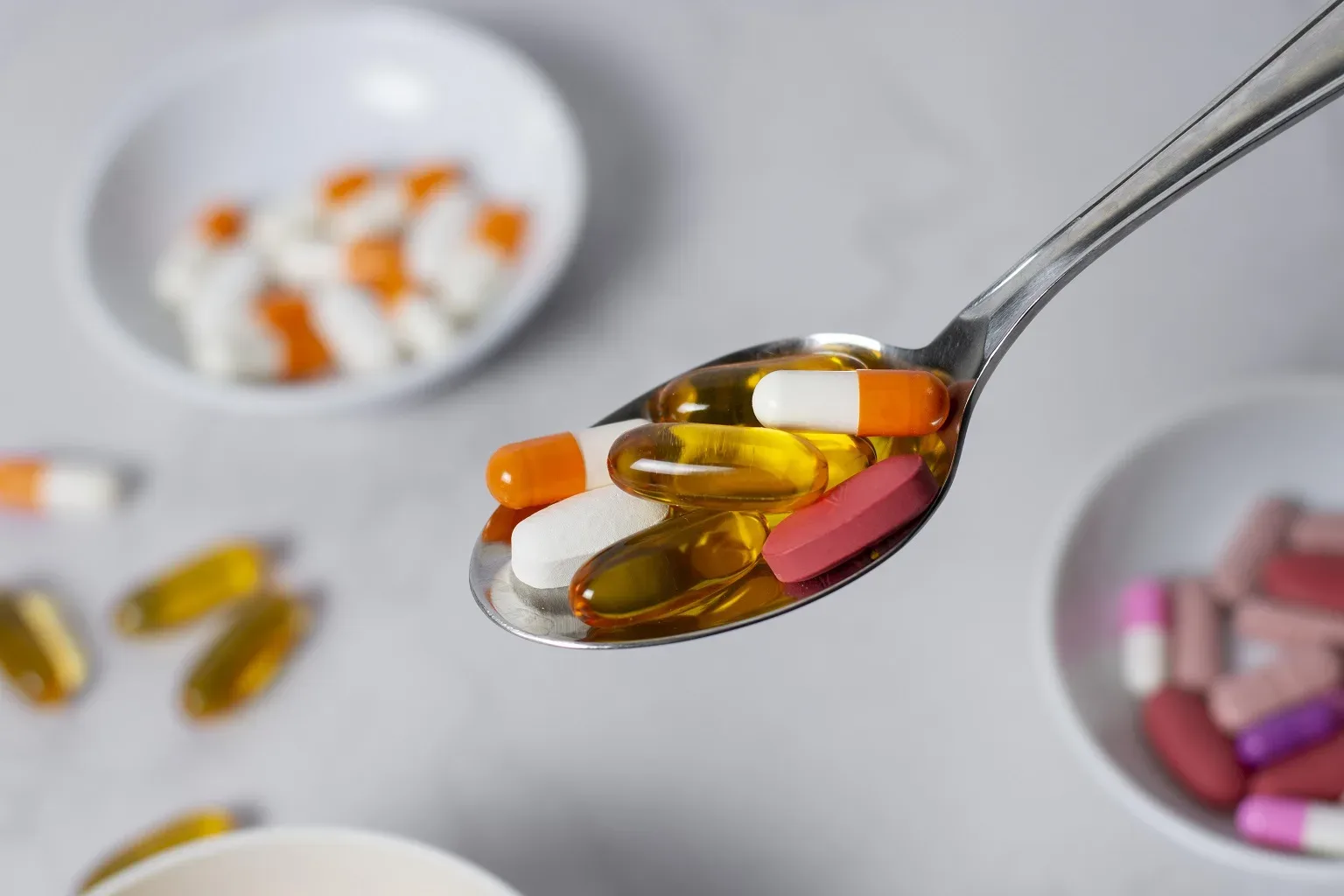
Iron Supplementation During Pregnancy
Pregnancy is one of the most special periods in a woman’s life. However, this period also refers to a time when the body needs more nutrients. In particular, iron supplementation is very important during pregnancy. In this article, we will explore in detail why iron supplementation is so important and how expectant mothers can ensure proper iron intake.
Why is Iron Supplementation Important During Pregnancy?
Increased Blood Volume: During pregnancy, the mother’s blood volume increases significantly. Therefore, adequate iron intake is vital for hemoglobin production.
Fetal Development: Iron is needed for the fetus to grow and develop in a healthy way. It is especially important for brain development.
Prevention of Anemia: Insufficient iron intake can lead to iron deficiency anemia in the mother. This can pose a risk to the health of both mother and baby.
How Should Iron Supplementation Be During Pregnancy?
It is best to feed from natural sources as much as possible. However, sometimes eating only natural foods may not meet your iron needs. In such a case, your doctor will inform you about whether you should take iron medication supplements.
Foods Rich in Iron
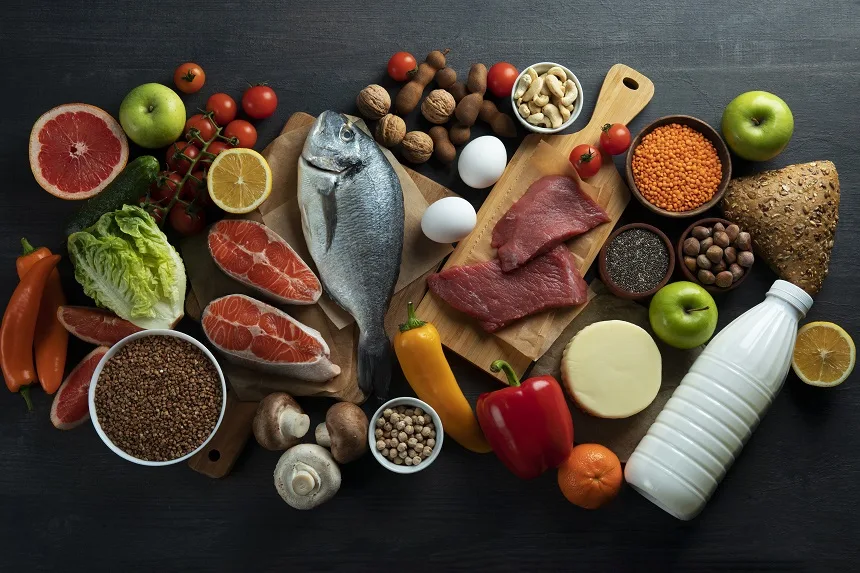
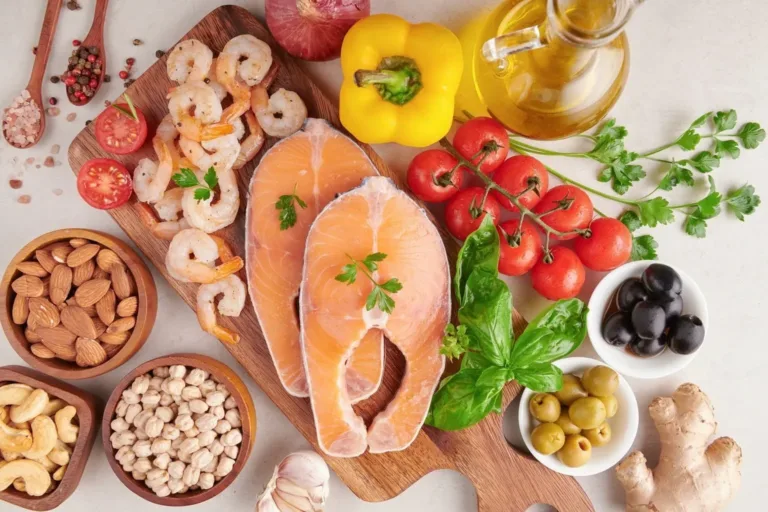
Examples of iron-rich foods and the amount of iron found in an average serving are as follows:
- Red meat (beef): about 2.7 mg of iron per 100 grams.
- Chicken liver: about 9 mg of iron per 100 grams.
- Spinach: About 2.7 mg of iron per 100 grams.
- Lentils: about 3.3 mg of iron per 100 grams.
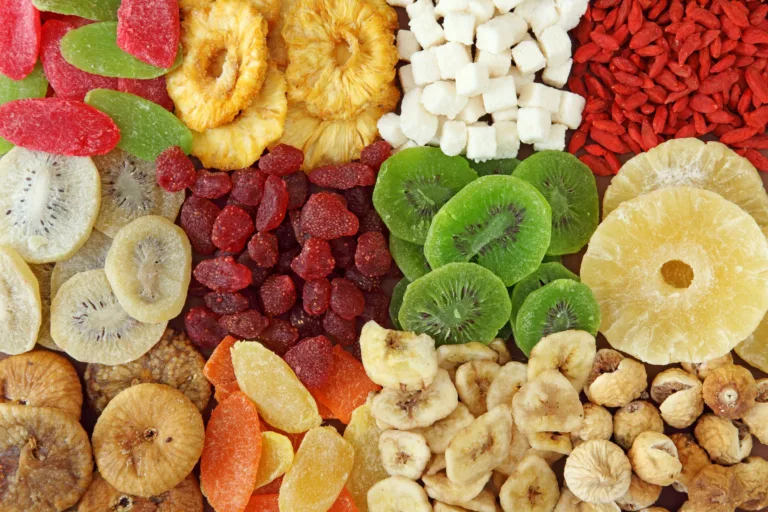
- Raisins: about 1.9 mg of iron per 100 grams.
- Whole wheat bread: About 1 mg of iron in a slice.
- Pumpkin seeds: about 4.2 mg of iron per 30 grams.
- Tofu: About 2.7 mg of iron per 100 grams.
- Oats: about 4.7 mg of iron per 100 grams.
- Almonds: about 3.7 mg of iron per 100 grams.
What Is The Average Daily Iron Requirement Of A Pregnant Woman?
- First trimester (first trimester): About 27 mg of iron per day.
- Second trimester: About 28 mg of iron per day.
- Third trimester: About 27 mg of iron per day.
During pregnancy, the need for iron usually increases because the expectant mother has an increase in blood volume and extra iron is needed for the development of the fetus. However, this need may vary from individual to individual and depending on general eating habits. For this reason, it is useful to determine the need and supplementation of iron in consultation with a doctor or dietitian.
Side Effects of Taking Iron Supplements During Pregnancy
There are some common side effects of using iron medication or supplements during pregnancy. However, not all or all of these side effects may be seen in every individual. Here are some possible side effects that can result from iron medications during pregnancy:
- Constipation: Iron supplements can slow down the digestive system, which can lead to constipation.
- Blackening of the stool: Iron can change the color of the stool to dark green or black. This is usually harmless.
- Stomach ailments: Stomach pain, nausea or vomiting are known side effects of iron supplements.
- Blood in the stool: Rarely, iron supplements can cause gastrointestinal bleeding.
- Diarrhea: In some individuals, iron supplementation can cause diarrhea.
- Metallic taste: A metallic taste in the mouth can occur due to iron medications or supplements.
- Headache: Some individuals who use iron supplements may experience headaches.
- Dizziness: In rare cases, iron supplementation can lead to dizziness.
If you are concerned about the severity or duration of these side effects, or if you experience other unexpected side effects, it is recommended that you contact a healthcare professional. You can consult your doctor for information on ways to reduce or manage side effects. In particular, changing the dose or frequency of intake of iron supplements can be helpful in reducing side effects. However, you should always consult with a specialist before making any changes.
What happens if iron supplements are not taken during pregnancy?

Adequate iron intake during pregnancy is critical to the health of both the mother and the developing fetus. If a pregnant individual does not get enough iron, they may have an increased risk of the following health problems:
- Iron Deficiency Anemia: The most common consequence is iron deficiency anemia. Anemia is a condition in which there are not enough red blood cells in the blood that do not have the capacity to carry enough oxygen. Iron deficiency anemia can cause symptoms such as fatigue, pale skin, shortness of breath, and dizziness.
- Low Birth Weight: Inadequate iron intake can increase the risk of low birth weight in the baby.
- Preterm Birth: Severe anemia can also increase the risk of preterm birth.
- Developmental Problems: Sufficient iron is necessary for the development of the brain and nervous system of the fetus. Insufficient iron can lead to these systems not fully developing.
- Postpartum Depression: Anemia can increase the risk of postpartum depression, as iron deficiency can lead to low energy and mood changes.
- Weak Immune System: Inadequate iron intake can weaken the mother’s immune system, making her more prone to infections.
- Fatigue and Lack of Energy: Iron is a component that helps red blood cells carry oxygen. Without enough iron, muscles and tissues can’t get enough oxygen, which can lead to a lack of energy and fatigue.
The risk of iron deficiency increases during pregnancy because the body produces more blood and this requires extra iron to make hemoglobin. In addition, the developing baby also needs iron. Therefore, a balanced and adequate diet is important, especially during pregnancy. If an iron deficiency is suspected, it’s best to speak with a healthcare professional and take iron supplements if necessary.
When to start iron supplementation during pregnancy?
The time to start iron supplementation during pregnancy may vary depending on the woman’s initial iron levels, diet, and overall health. However, in general, the following should be taken into account:
- Baseline Iron Levels: A woman with normal iron levels at the beginning of pregnancy may not start supplementing right away. However, for women who had a history of iron deficiency anemia prior to pregnancy or who had low iron levels, iron supplementation during pregnancy may be recommended.
- Diet: If a woman follows a diet rich in iron (e.g., red meat, green leafy vegetables, legumes), the need for iron supplements may decrease. However, iron supplementation may be recommended sooner for women who have a diet that restricts iron intake, such as a vegetarian or vegan diet.
- Pregnancy Stage: Usually, the need for iron increases in the second and third trimesters of pregnancy. During these periods, many women begin taking iron supplements routinely, especially if they initially have low iron levels.
- Previous Pregnancies and Time Between Birth: Successive pregnancies or short birth intervals can cause iron stores to be depleted. In such cases, iron supplementation can be started earlier.
- Doctor’s Recommendation: The best information about whether and when you should take iron supplements is from a healthcare professional. The doctor can check your iron levels with blood tests such as hemoglobin and ferritin and give you appropriate advice.
Ultimately, when to start iron supplementation during pregnancy depends on the individual situation. It is always best to seek the advice of a doctor or obstetrician before taking iron supplements.
What should be considered when using iron medication during pregnancy?
Information about the points to be considered when using iron medication during pregnancy and the foods that iron medication may interact with are listed below:
Things to Consider When Using Iron Medication During Pregnancy:
- Dosage: You should not exceed the dosage recommended by your doctor. Excess iron intake can cause toxic effects.
- Side Effects: Iron medications can cause stomach upset, constipation, or discoloration of the stool. You should share such side effects with your doctor.
- Follow-up: You should have your iron levels and hemoglobin levels checked by having blood tests as often as recommended by your doctor.
- Other Medicines: If you are taking other medications, you should tell your doctor about any medications that may interact with iron medications.
Foods That May Interact With Iron Medication:
- Calcium-Rich Foods: Calcium-rich foods such as milk, yogurt and cheese can interfere with the absorption of iron. Therefore, you should not take your iron medications at the same time as these foods.
- Drinks Containing Tannin: Tea and coffee contain tannin. Tannin can reduce the absorption of iron. Therefore, you should not consume tea or coffee for at least 1-2 hours after taking your iron medication.
- Whole Grains and High-Fiber Foods: Such foods contain phytate, which can reduce the absorption of iron. However, this does not mean that you have to completely separate these foods with iron medications; You just have to be careful not to consume it at the same time.
- Calcium Supplements: If you are taking calcium supplements, taking them at the same time as iron medications can interfere with the absorption of iron.
- Antacids: Antacids that neutralize stomach acid can reduce the absorption of iron.
In general, it’s best to take your iron medication on an empty stomach to absorb it most effectively. But if you have an upset stomach, you can take the medicine with food. If you’re unsure about when to take iron medication, it’s best to consult your doctor or pharmacist.
Frequently Asked Questions About Iron Supplementation During Pregnancy
Which iron supplement medication should I take?
The answer to this question is specific to the individual. You should consult your doctor to choose the best iron supplement.
My pre-pregnancy iron levels were normal. Do I still need supplements?
Your iron needs may increase during pregnancy due to increased blood volume and the needs of the baby. However, if you’re getting enough iron through a complete diet, you may not need additional supplements. You should act according to your doctor’s recommendations.
Is taking iron supplements during pregnancy safe for the baby?
Yes, taking iron supplements in the doses recommended by the doctor is safe for both the mother and the baby. However, you should not go above the recommended dose.
I’ve heard that taking iron supplements will affect my other vitamin and mineral needs during pregnancy. Is this true?
Certain minerals and vitamins may interfere with iron absorption, so you should consult your doctor about other supplements taken with iron supplements.
Can taking iron supplements cause stomach upset?
Yes, some women may experience side effects when taking iron supplements, such as stomach upset, constipation, or discoloration of their stool. If you encounter such a situation, you should contact your doctor.
Which form of iron should I choose during pregnancy?
Iron supplements can be found in a variety of forms, including ferrous sulfate, ferrous gluconate, and ferrous fumarate. You should consult your doctor to determine which form is best for you.
Are there any other eating habits I should be aware of when taking iron supplements?
Vitamin C can improve the absorption of iron. Therefore, when taking iron supplements, you can take them with vitamin C-rich liquids such as orange juice. However, it should not be taken at the same time as foods containing calcium and tannin.
Should I continue iron supplementation after childbirth?
Postpartum iron needs can vary depending on the amount of blood loss, breastfeeding status, and overall iron levels. You should take your doctor’s advice in this regard.
Source: NLM