
Low Amniotic Fluid (Oligohydramnios)
Low amniotic fluid (baby water) is one of the important problems that can be encountered during pregnancy and is a condition that should be followed carefully for both expectant mothers and doctors. Amniotic fluid plays a critical role in the development of the baby in the womb, and a decrease in its amount can have effects on both maternal and infant health. In this article, we will discuss in detail what amniotic fluid does, the causes of its decrease, its symptoms and the precautions that can be taken.
What is Amniotic Fluid and What Does It Do?
Amniotic fluid is a fluid that surrounds the baby and protects it inside the womb. In early pregnancy, this fluid is made up of fluids from the mother’s body. In the following weeks, the baby contributes amniotic fluid with the urine produced by the kidneys. This fluid allows the baby to move freely, protects against traumas, reduces the risk of infection, and creates an ideal environment for the development of the baby’s lungs and digestive system.
Another important task of the amniotic fluid is to keep the baby’s body temperature in balance. The presence of a sufficient amount of fluid helps the baby to move freely and develop the musculoskeletal system. However, if this fluid is less than normal, the health of both the baby and the mother can be adversely affected.
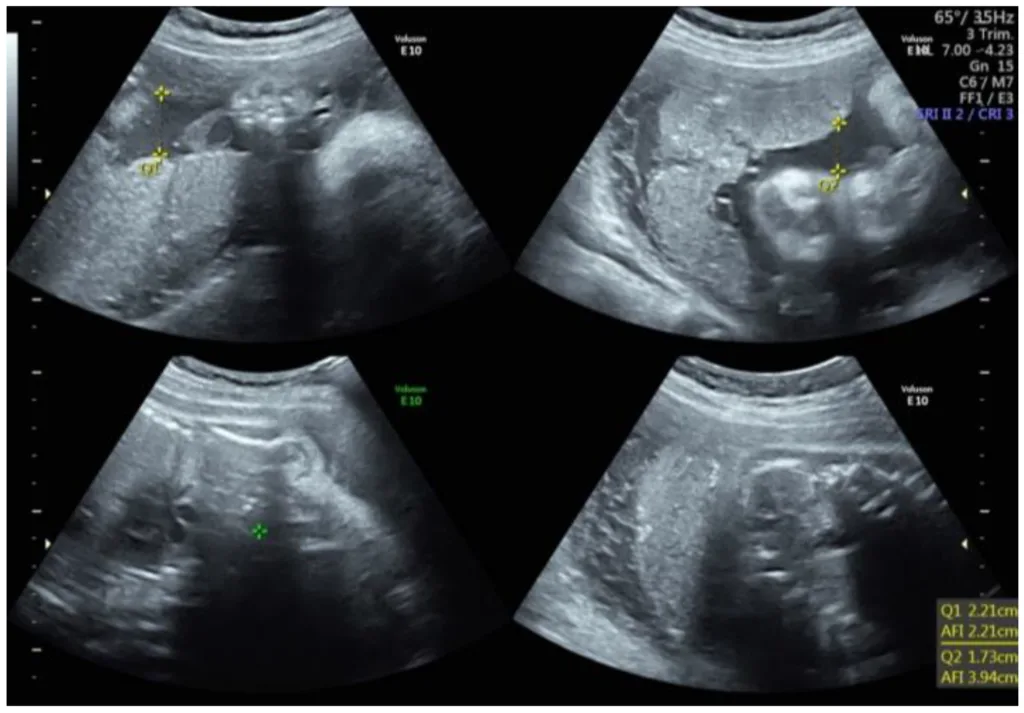
How Much Amniotic Fluid Should Be?
The amount of amniotic fluid varies according to the gestational week and is controlled by ultrasound measurements. Usually, from the second trimester, the amount of fluid varies between 500-1200 ml. This amount is sufficient for the baby to be able to move comfortably and for the organs to develop in a healthy way.
In a normal ultrasound examination, the doctor takes a measurement called the “Amniotic Fluid Index” (AFI). An AFI value of less than 5 cm indicates a decrease in amniotic fluid. If this value is between 8-18 cm, the fluid level is considered normal.
What is Low Amniotic Fluid (Oligohydramnios)?
The condition of low amniotic fluid is called “oligohydramnios” in medical language. Although this condition usually occurs in the late stages of pregnancy, in some cases it can also occur in the early stages. Oligohydramnios can lead to developmental problems by restricting the baby’s range of motion .
Early detection of oligohydramnios is critical for both maternal and infant health. For this reason, it is important to go to regular doctor check-ups during pregnancy and to monitor the fluid level with ultrasound.
What are the Causes of Amniotic Fluid Reduction?
There can be many reasons for a decrease in amniotic fluid. Here are some of the most common reasons for this condition:
- Maternal Causes: Health problems such as the mother’s lack of fluid consumption during pregnancy, blood pressure problems or diabetes can lead to a decrease in amniotic fluid.
- Baby-Related Causes: If the baby has a developmental problem with the kidneys or urinary tract, it can affect fluid production. In addition, the baby’s inability to get enough oxygen and nutrients from the placenta can also lower fluid levels.
- Placenta Problems: Aging of the placenta or its inability to fully perform its function can cause a decrease in amniotic fluid. This condition usually occurs in the later weeks of pregnancy.
- Amniotic Sac Rupture: In cases called premature rupture of membranes, amniotic fluid may leak out and a rapid decrease in its amount may occur.
Symptoms and Diagnosis of Amniotic Fluid Reduction
Some symptoms can be observed to understand that the amniotic fluid is reduced. Expectant mothers should consult their doctor if they are experiencing one or more of the following symptoms:
- Decrease in baby movements
- The abdomen is smaller than expected
- Feeling of hardness in the womb
- Abdominal pain or discomfort
Ultrasound is often used for diagnosis. The doctor determines the AFI value by measuring the amount of amniotic fluid. Apart from this, tests can also be applied to check the baby’s heartbeat and movements.
Effects of Amniotic Fluid Reduction on the Baby
When amniotic fluid decreases, there may be some risks for the baby. If this is noticed, especially in early pregnancy, it can lead to problems in the baby’s organ development. The main problems that can be caused by the lack of amniotic fluid are:
- Delay in lung development: Amniotic fluid is essential for the baby to operate his lungs. In case of a decrease, lung development may be adversely affected.
- Musculoskeletal Problems: Musculoskeletal development may not be sufficient as the baby will have difficulty moving.
- Complications of childbirth: A lack of fluid can increase the risk of cord entrapment, causing complications during childbirth.
Treatment Methods of Amniotic Fluid Decrease
Treatment varies depending on the factor that causes the amniotic fluid to decrease. Here are the common treatment methods:
- Fluid Supplement: It is recommended that the expectant mother increase her water consumption. If necessary, intravenous fluid support can be provided.
- Amnioinfusion: It is the process of injecting fluid directly into the uterus to increase amniotic fluid. It can be applied especially if fluid deficiency is noticed during childbirth.
- Rest: Resting and limiting physical activities of the expectant mother can positively affect fluid levels by increasing blood flow to the placenta.
What Can Be Done to Increase Amniotic Fluid?
Some methods can be tried to increase amniotic fluid naturally:
- Drinking plenty of water and increasing fluid consumption.
- Creating a balanced eating plan.
- Taking bed rest as prescribed by the doctor.
- Consuming certain foods that are known to increase amniotic fluid (for example, foods with high water content, such as watermelon, cucumber).
How to Prevent Amniotic Fluid Reduction?
In order to prevent this situation, it is very important that expectant mothers do not disrupt their regular doctor check-ups. Adopting a healthy lifestyle, drinking plenty of fluids, and managing risk factors can prevent such problems. Early diagnosis and regular follow-up can minimize possible complications.
Frequently Asked Questions About Low Amniotic Fluid
Is it possible to have a normal birth when the amniotic fluid is reduced?
Yes, but this depends on the doctor’s assessment. If the fluid level is not critical, normal delivery can be performed.
Does a decrease in amniotic fluid threaten the baby’s life?
If left untreated, it can pose a risk. However, with early diagnosis and appropriate treatment, these risks can be minimized.
In this article, we aimed to raise awareness of expectant mothers on this issue by including information about “low baby amniotic fluid”. Remember, it would be the best step to consult your doctor in every situation you encounter during your pregnancy. 😊
Resources: