Pomegranate Consumption During Pregnancy
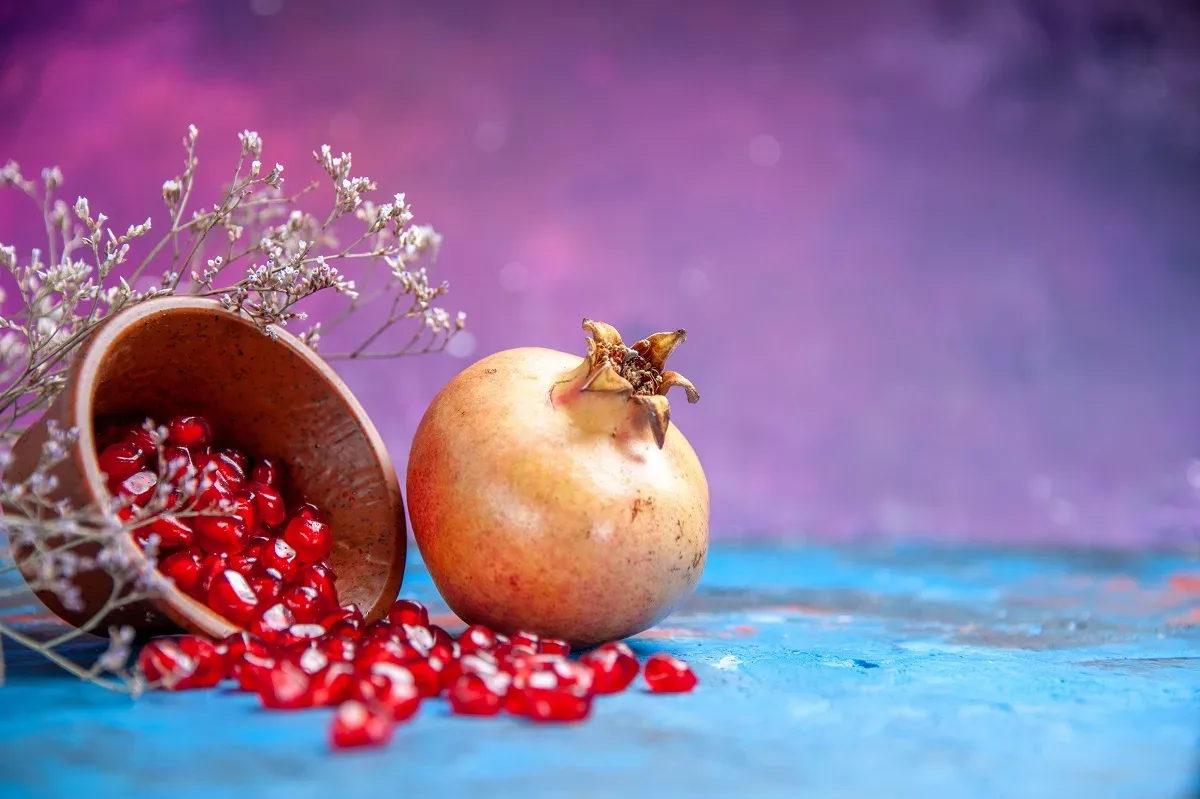
During pregnancy, every expectant mother should pay attention to her nutrition. During this period, it is of great importance to consume the right foods in order to get the vitamins and minerals that both the mother and the baby need. “Pomegranate consumption during pregnancy” is one of the issues that attract attention at this point. So, what effect does pomegranate have in this special period? In this article, we discuss the benefits of pomegranate consumption during pregnancy, possible side effects, and frequently asked questions.
Benefits of Consuming Pomegranate During Pregnancy
There are many benefits of pomegranate consumption during pregnancy. Here are some of these benefits:
- Rich Source of Antioxidants: Pomegranate contains high levels of antioxidants. These antioxidants protect against free radicals and can reduce cellular damage. In pregnancy, extra protection of antioxidants may be needed to overcome increased oxidative stress.
- Source of Vitamins and Minerals: Pomegranate is rich in important vitamins and minerals such as vitamin C, potassium, folic acid, and iron. Folic acid, in particular, may help prevent neural tube defects during pregnancy.
- Supports Immunity: Thanks to its vitamin C content, pomegranate can support the immune system. This can help the mother become more resistant to infections during pregnancy.
- Regulates Blood Pressure: Pomegranate can regulate blood pressure and reduce the risk of high blood pressure during pregnancy.
- May Reduce the Risk of Diabetes: Some studies show that pomegranate may improve insulin sensitivity, thereby reducing the risk of gestational diabetes .
- Supports Digestion: Pomegranate is rich in fiber , which can reduce constipation by supporting digestion, which is a common problem during pregnancy.
- Reduces Bad Cholesterol: Pomegranate may help lower LDL (bad cholesterol) levels, which supports heart health.
- Supports Vascular Health: Pomegranate can increase nitric oxide production, which improves blood flow by supporting vascular health.
- Anti-inflammatory Properties: Thanks to the polyphenols contained in pomegranate, it has anti-inflammatory properties. This can alleviate inflammatory responses in pregnancy.
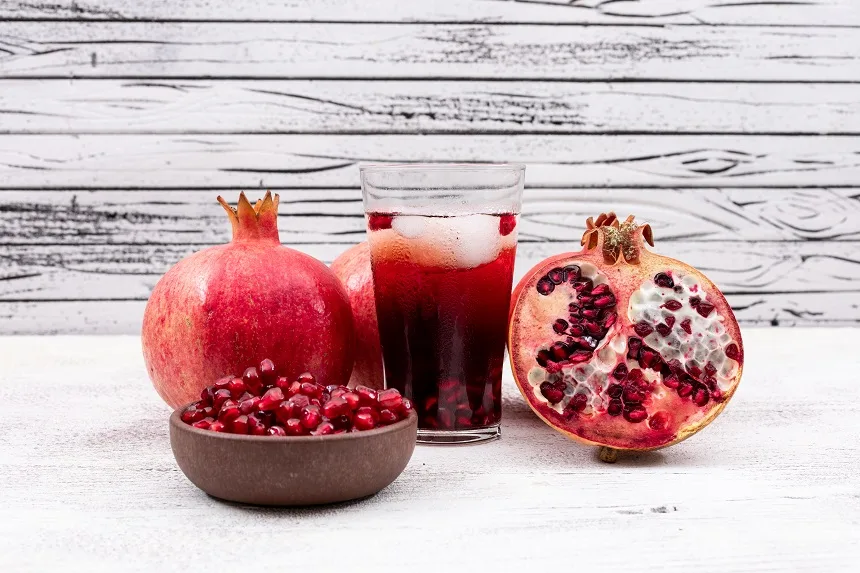
When considering the benefits of pomegranate consumption during pregnancy, it is important to remember that it is important not to overdo it. Excessive consumption can cause stomach upsets. Also, it should be remembered that pomegranate, like all foods, can cause allergic reactions. If you have any concerns about the consumption of pomegranate or have previously experienced an allergic reaction, it is recommended that you consult your doctor.
Possible Side Effects of Pomegranate Consumption During Pregnancy
Although it has many benefits, there are some points to be careful about pomegranate consumption during pregnancy.
Excessive Consumption:
Excessive consumption of pomegranate can cause stomach upsets. Moderate consumption is important to achieve balance.
Allergic Reactions:
Pomegranate can cause allergic reactions in some individuals. If there has been any allergic reaction to pomegranate consumption before, care should be taken about pomegranate consumption during pregnancy.
Can You Drink Pomegranate Juice During Pregnancy?
Women’s consumption of pomegranate juice during pregnancy is generally considered safe, but it is important to pay attention to some aspects. Here’s what you need to know about pomegranate juice consumption during pregnancy:
1. Nutritional Value:
Pomegranate juice contains many important nutrients such as vitamin C, potassium, folic acid, and antioxidants. Folic acid, in particular, may help prevent neural tube defects in early pregnancy.
2. May Regulate Blood Sugar:
Some studies show that pomegranate juice may regulate blood sugar. However, pomegranate juice naturally contains sugar, so its consumption should be limited for pregnant women at risk of diabetes or high blood sugar.
3. Consumption Quantity:
As with everything, it is important not to overdo it with the consumption of pomegranate juice. Care should be taken when consuming processed pomegranate juices, especially those containing added sugar. It is the healthiest option to choose natural, additive-free pomegranate juice.
4. Interaction with Drugs:
Pomegranate juice may interact with certain medications. If there are prescription drugs, you should consult a doctor to find out whether you can consume pomegranate juice.
5. Allergic Reactions:
Some individuals may experience allergic reactions to pomegranate juice. If you have ever had an allergic reaction to pomegranate or pomegranate juice, you should avoid consumption.
6. Indigestion Problems:
Some women may experience stomach upset during pregnancy due to the acidic nature of pomegranate juice. If pomegranate juice causes heartburn or discomfort, it is best to limit or stop consumption.
Does Eating Pomegranate During Pregnancy Cause Stains on the Baby?
There may be a common belief that “eating pomegranate during pregnancy will stain the baby”, but this belief has no scientific basis. In other words, there is no scientific data on whether eating pomegranate causes stains on the baby or causes any birth defects.
Pomegranate is a fruit rich in antioxidants, vitamins and minerals. During pregnancy, consuming pomegranates in a balanced way and in moderation is generally safe and can have positive effects on the baby’s development.
However, some traditional beliefs and misconceptions among the public may be that consuming certain foods during pregnancy can lead to spots or birth defects in the baby. However, such beliefs are usually not based on science.
If you are unsure about which foods should and should not be consumed during pregnancy, it would be best to consult a specialist on this issue. In any case, there is no scientific evidence that pomegranate has an effect on the baby, such as staining.
Pomegranate consumption during pregnancy is an option that brings many benefits. However, as with everything else, moderate consumption is of great importance here. Care should be taken against the risk of allergic reactions and a doctor should be consulted in case of any negativity. With the right knowledge and moderate consumption, you can make the most of the benefits of this miraculous fruit of pomegranate.
Frequently Asked Questions
How often should pomegranate be consumed during pregnancy?
It is usually enough to consume a medium-sized pomegranate 2-3 times a week.
Does pomegranate consumption cause allergies in the baby?
In the studies conducted so far, there is no evidence that pomegranate consumption increases the risk of allergies in the baby.
Does pomegranate cause constipation during pregnancy?
Pomegranate is rich in fiber, which can prevent constipation by promoting bowel movements. However, each individual’s body response may be different, so it can trigger constipation in some people.
Does eating pomegranate during pregnancy affect the skin color of the baby?
A baby’s skin color is based on genetic factors, and the foods a mother eats have no effect on this. The effect of eating pomegranate on the baby’s skin color has not been scientifically proven.
Does pomegranate consumption during pregnancy cause heartburn?
The acidic nature of pomegranate can cause heartburn or acidic discomfort in some individuals. If you experience stomach discomfort after consuming pomegranate during pregnancy, it is best to limit consumption or stop it for a while.