Potassium in pregnancy
During pregnancy, potassium is a vital mineral for the health of the mother and developing baby. Potassium, which has an important place among the electrolytes that ensure the proper functioning of the body, plays an even more critical role, especially during pregnancy. During this period, it is of great importance to get enough nutrients necessary for the healthy development of both mother and baby.
In this article, we will focus on the importance of potassium during pregnancy, its necessity, the amounts to be taken and its sources. Thus, we aim to provide useful information on how a healthy diet should be planned during this special period.
Potassium Need During Pregnancy
During pregnancy, the body’s need for potassium increases. Potassium plays a critical role in ensuring that cells function properly, muscles function properly, and body fluids are balanced. One of the main reasons for the increased need for potassium during pregnancy is the development of the baby and the increase in the mother’s body fluids. This mineral also has important functions such as regulating blood pressure and preventing muscle cramps.
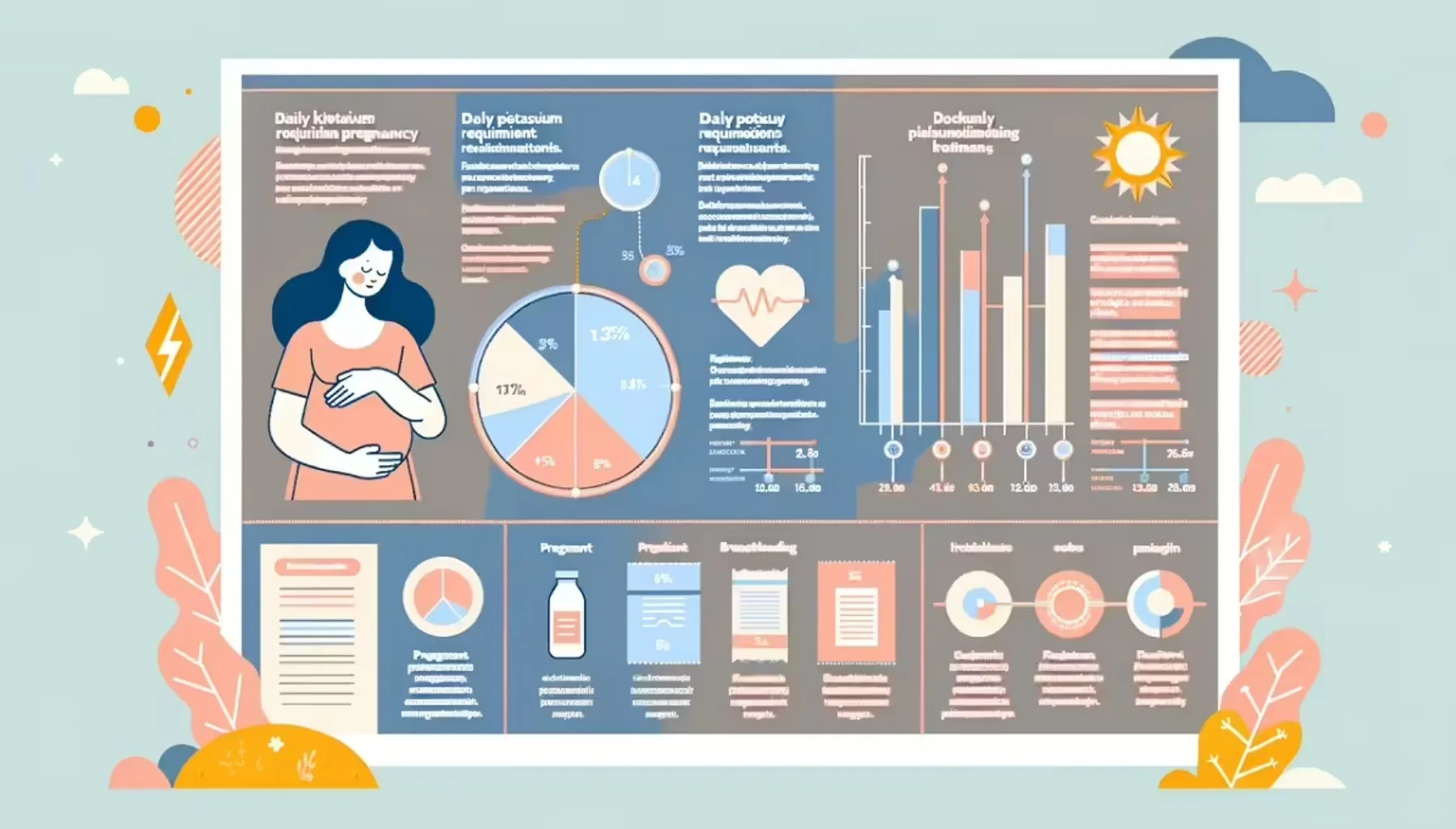
The recommended daily intake of potassium for a normal adult is about 2,600 to 3,400 milligrams. However, for pregnant women, this amount may be slightly more. Health experts generally recommend that pregnant women get between 2,900 and 4,700 milligrams of potassium in their daily diet. These amounts can vary depending on the individual’s age, stage of pregnancy, and overall health.
Increasing potassium intake during pregnancy is important for the health of the expectant mother and the baby. Adequate potassium intake helps to keep energy levels high, support muscle and nerve function, and improve overall health during pregnancy. However, it is important to always consult with a healthcare professional before making any dietary changes.
Foods rich in potassium
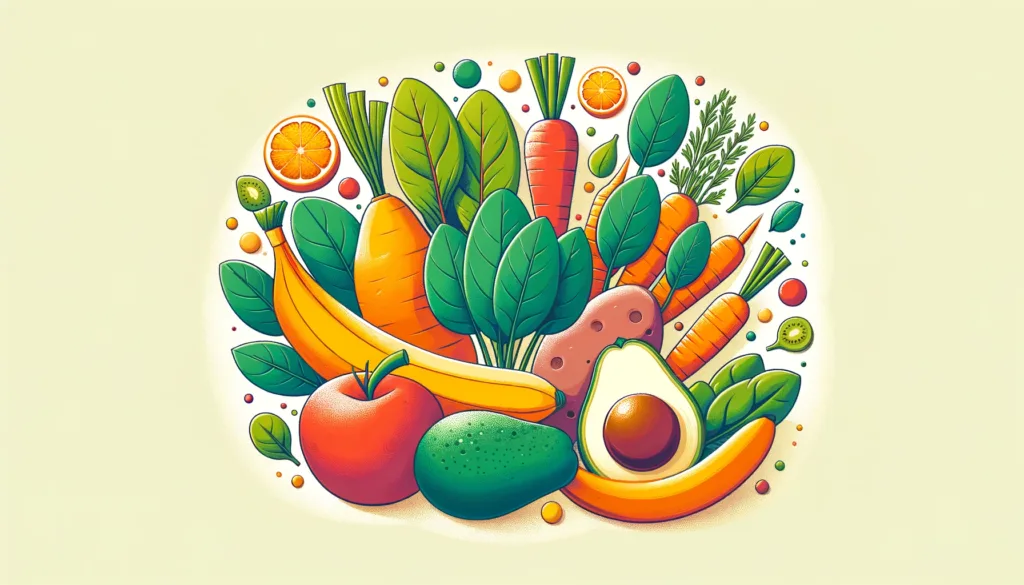
Choosing the right foods is of great importance to meet the need for potassium during pregnancy. Potassium-rich foods help keep both the mother and the developing baby healthy. Here are some potassium-rich food options that can be consumed during pregnancy:
- Bananas: Bananas are a fruit rich in potassium and easily accessible. It’s also a good source of fiber, vitamin C, and vitamin B6.
- Sweet potato: Sweet potatoes contain high amounts of potassium, especially when cooked. In addition, it is rich in vitamin A and fiber.
- Spinach: In addition to potassium, spinach also provides important nutrients for pregnancy, such as iron, calcium, and folate.
- Avocados: Avocados contain healthy fats and fiber, as well as high amounts of potassium. It is also a source of vitamin E and folate.
- Yogurt: Yogurt, especially Greek yogurt, is a food source rich in both potassium and protein.
- Beans and Lentils: Legumes, especially beans and lentils, are rich in protein and fiber, as well as potassium.
- Fish: Oily fish, especially salmon, are rich in omega-3 fatty acids as well as potassium.
- Orange juice: Freshly squeezed orange juice is a drink rich in vitamin C as well as potassium.
These foods are excellent options for increasing potassium intake during pregnancy. However, it is important to speak with your doctor or a dietitian before making any dietary changes. Also, choosing fresh and natural foods over processed foods will help you make the most of their nutritional value.
Potassium Deficiency During Pregnancy
Potassium deficiency during pregnancy can have serious consequences for the health of both mother and baby. Potassium is an essential mineral that supports many essential functions in the body, and its inadequate intake can cause a variety of health problems. Here are some potential effects of potassium deficiency during pregnancy:
- Muscle Cramps and Spasms: Potassium is critical for muscle function. Its deficiency can cause muscle cramps and spasms, especially in the legs.
- Fatigue and Low Energy: Potassium has an important role in the energy production of cells. Its deficiency can lead to a general fatigue and low energy.
- Lower Blood Pressure: Potassium helps regulate blood pressure. Its deficiency can cause low blood pressure and associated health problems.
- Digestive Problems: Potassium also plays a role in the proper functioning of the digestive system. Its deficiency can lead to digestive problems such as constipation.
- Heart Rhythm Disorders: Potassium is an important factor in the regular beating of the heart. Its deficiency can cause abnormalities in the heart rhythm and potentially serious heart problems.
Symptoms of potassium deficiency during pregnancy can include fatigue, muscle weakness, numbness, abdominal bloating, and heart palpitations. When such symptoms are noticed, it is important to consult a healthcare professional. Potassium deficiency can usually be managed by correcting it with diet or with supplements as needed. However, it is essential to seek a doctor’s advice before taking any supplements.
A balanced and nutritious diet during pregnancy plays a key role in preventing potassium deficiency. Therefore, including potassium-rich foods in your diet can help prevent such problems.
Balancing Potassium Intake During Pregnancy
Maintaining a balanced intake of potassium during pregnancy is of great importance for the health of both the mother and the baby. While adequate potassium intake supports body functions, excessive potassium consumption can lead to some health problems. Here are ways to manage potassium intake during pregnancy in a balanced way:
- Balanced Diet: A balanced diet should include a variety of sources of potassium. Fruits, vegetables, whole grains, and lean protein sources should be consumed in a balanced way to meet your daily potassium needs.
- Dietitian Advice: It is important to seek the advice of a dietitian during pregnancy, especially when making dietary changes. This ensures both adequate nutrient intake and not overdoing it.
- Monitoring Daily Potassium Intake: Keeping track of your daily potassium intake ensures that your intake stays within recommended levels. Thus, you can reduce the risks of both deficiency and overpurchase.
- Caution with supplements: Potassium supplements should not be used without a doctor’s advice. Excessive potassium intake can be dangerous, especially for people with kidney problems.
- Considering the state of health: Pregnant women, especially those with conditions such as hypertension or kidney disease, need to carefully manage their potassium intake. In these cases, dietary adjustments can be made with the recommendation of a doctor.
Managing potassium intake during pregnancy in a balanced way is important for the health of both the mother and the developing baby. Keeping your potassium intake at proper levels, with a balanced diet and, if necessary, expert advice, will contribute to a healthy pregnancy process.
Dietitian and Doctor Recommendations
Potassium intake during pregnancy is vital for the health of both mother and baby. The recommendations of experts provide valuable guidance on how a healthy diet should be planned during this period.
Daily Potassium Requirement During Pregnancy
The amount of potassium that should be taken daily for adults is around 2 grams, and this value is also valid for pregnant women. For breastfeeding women, this amount can go up to 5.1 grams. Potassium needs can be met with foods such as green leafy vegetables, fruits, legumes and nuts.
Effects and Treatment of Potassium Deficiency
Potassium deficiency (hypokalemia) can lead to serious health problems in pregnant women, such as muscle weakness, constipation, and even cardiac arrhythmia. Deficiency can occur due to factors such as excessive nausea and vomiting, diuretic drugs used to treat high blood pressure, and some antibiotics. Hypokalemia can be diagnosed with blood tests and ECG, and treatment is usually done with oral or intravenous potassium supplements.
Ways to Prevent Potassium Deficiency
To prevent potassium deficiency during pregnancy, it is recommended to consume potassium-rich foods, increase electrolyte intake, and manage health problems such as diabetes and blood pressure.
Doctors or dietitians can give you specific advice on potassium deficiency and help you determine the best diet for you during your pregnancy. Therefore, it is important to consult with a healthcare professional before making any changes to diet and health.
FAQs (Frequently Asked Questions)
What is the Daily Potassium Requirement During Pregnancy?
The daily potassium requirement of pregnant women is similar to that of adults, around 2 grams. For breastfeeding women, this amount can be up to 5.1 grams. However, these amounts may vary depending on your individual health situation, so it is important to consult with your doctor for an exact amount
How to Recognize Potassium Deficiency During Pregnancy?
Symptoms of potassium deficiency include fatigue, weakness, constipation, nausea-vomiting and rhythm disturbances. Taking into account these symptoms, potassium deficiency can be diagnosed by a blood test
Is Potassium Deficiency a Serious Condition?
Yes, potassium deficiency is a serious electrolyte disorder and can lead to serious health problems such as heart rhythm disorders and muscle weakness if left untreated
Are There Any Harms of Excessive Potassium Intake During Pregnancy?
Yes, excessive potassium intake can lead to health problems, especially in people with kidney problems. Therefore, it is important to keep potassium intake balanced and seek doctor’s advice before using any supplements.
What Should Be Done in the Treatment of Potassium Deficiency?
Treatment of potassium deficiency is usually done with oral or intravenous potassium supplements. In addition, it is important to consume foods rich in potassium and to treat the underlying causes
Pregnancy is a process that requires the expectant mother to be careful in her diet. In this process, potassium is an important mineral for the health of both mother and baby. In our article, we discussed the importance of potassium in pregnancy, its daily requirements, how to balance its intake, and the possible effects of potassium deficiency.
In summary, adequate potassium intake during pregnancy helps improve muscle and nerve function, energy levels, and overall health. Consuming potassium-rich foods in a balanced way is effective in preventing deficiency. However, it is important to seek the opinion of a healthcare professional before making any dietary changes during pregnancy.
Keeping potassium intake balanced during pregnancy is a critical step in maintaining the health of the mother and baby. It is important to remember that for a healthy pregnancy process, potassium as well as other nutrients should be taken in a balanced way. As always, this article is for general informational purposes only and is not a substitute for personal medical advice.
This article can be a starting point for managing your potassium intake and establishing a healthy eating pattern during pregnancy. However, if you have any questions or concerns about your pregnancy, please consult with a healthcare professional.