Pregnancy Symptoms – Pregnancy Symptoms According to Trimesters
Pregnancy is one of the most special periods in many women’s lives. But how do you know if you are pregnant? Here’s what you need to know about “pregnancy symptoms.”
What are the Symptoms of Pregnancy?

1st Trimester Pregnancy Symptoms (1 -13 Weeks)
The first trimester is the period when your body begins to adapt to pregnancy and many changes are experienced. Every symptom you experience during this process is a reflection of your baby’s growth and development process. Here are the common signs of pregnancy in the 1st trimester:
Delay of menstruation
The most common and first noticed pregnancy symptoms is the delay of menstruation. In women with regular menstrual cycles, the absence of menstruation on the expected date may suggest the possibility of pregnancy. However, many factors can affect the menstrual cycle, such as stress, dietary changes, intense exercise, or medical conditions. Therefore, the delay of menstruation alone is not considered a sure symptom of pregnancy. However, when the cycle is regular and menstruation is delayed, more precise results can be obtained when evaluated together with other “pregnancy symptoms”.
Tenderness and Enlargement of the Breasts
With pregnancy, many changes occur in the body, and one of these changes is experienced in the breasts. Breasts are highly sensitive to changes in hormone levels and can therefore show marked changes in the early stages of pregnancy.
Breast Tenderness: In the first weeks of pregnancy, tenderness and pain in the breasts may occur due to an increase in the hormones progesterone and estrogen. This is similar to tenderness during menstruation but is usually more severe. This sensitivity may usually subside by the end of the first trimester.
Enlargement of Breasts: Breasts are constantly changing and enlarging throughout pregnancy. Breast tissue expands in preparation for milk production. This can cause the breasts to become fuller and larger. In addition, the veins on the breasts become more prominent and the areola changes in color.
These changes in the breasts are part of the preparation process for milk production after the birth of the baby. Using a comfortable bra during pregnancy can help reduce tenderness and pain in the breasts.
Nausea and Vomiting
When it comes to “pregnancy symptoms”, the first thing that comes to mind for many people is nausea and vomiting. In fact, this condition, also known as “morning sickness,” can affect up to 70-80 percent of pregnant women.
In the first trimester (first trimester) of pregnancy, nausea begins. Although it is called “morning sickness”, this nausea can be experienced at any time of the day. Some women only experience this symptom in the morning, while others may experience it throughout the day.
The exact cause of nausea is unknown, but it is believed that increased hormone levels during pregnancy cause this condition. In particular, it is thought that the increase in hCG (human chorionic gonadotropin) hormone can lead to nausea.
If nausea and vomiting are severe, it is important to seek medical attention. Excessive nausea and vomiting can be a symptom of a condition called hypermemesis gravidarum and should be treated.
This symptom can be one of the most challenging aspects of pregnancy for many women. However, it usually decreases or disappears completely towards the end of the first trimester. If you notice nausea among the “pregnancy symptoms”, it is a good idea to share this situation with your doctor.
Frequent Urination
Even in the early stages of pregnancy, many women may notice a tendency to urinate frequently . This is a fairly common occurrence among the “signs of pregnancy”. With the onset of pregnancy, the volume of blood in the body increases. This causes the kidneys to process more fluid and, as a result, increases the frequency of urination.
Also, the growing uterus later in pregnancy can put pressure on the bladder. This, in turn, can lead to an even greater frequency of urination.
Frequent urination is usually more pronounced in the first and last trimesters of pregnancy. However, this symptom can also be a sign of other health problems, such as urinary tract infections. If you experience frequent urination along with other symptoms such as burning or pain, it is important to consult a healthcare professional.
If you experience frequent urination among the “pregnancy symptoms”, it’s important to remember that this is a natural part of pregnancy. But at the same time, you should contact your doctor to rule out other possible causes.
Fatigue and Weakness
In the early period, many women feel more tired. This may be due to the fact that the body is working harder to support the increased blood volume and the level of progesterone is elevated. These two factors can cause fatigue and a drop in energy levels.
This fatigue usually subsides in the second trimester. However, in the late stages of pregnancy, it may increase again as a result of changes in the body due to the growing baby.
To cope with fatigue, it is important to rest at regular intervals, eat a balanced diet, and optimize your sleep patterns. Also, physical activities and short walks can boost your energy levels.
If there is a constant feeling of weakness or fatigue, it is useful to consult a healthcare professional to rule out possible causes, such as iron deficiency anemia.
Spiritual Fluctuations
Hormonal changes during pregnancy can cause mood swings. These fluctuations can lead to emotional reactions such as sadness, excessive emotionality, sudden crying, or anger. Some women may notice these changes early in their pregnancy, even before a missed period.
An increase in levels of the hormones progesterone and estrogen can contribute to these emotional fluctuations. These hormones can affect parts of the brain that regulate emotional responses.
During this period, it is important to adopt emotional support and understanding, as well as adequate rest and methods of coping with stress. Relaxation methods such as yoga, meditation, and deep breathing techniques can also have positive effects on mood.
However, if these emotional fluctuations are very severe or last for a long time, they may be a sign of postpartum depression or other mental health problems. Therefore, it is important to contact a specialist when faced with such symptoms.
Headaches and Dizziness
There are several factors that can cause headaches and dizziness during pregnancy. Increased blood volume, changes in hormone levels, and fluctuations in blood sugar levels are common causes of these symptoms.
Headaches: The rapid increase in hormone levels in the early stages of pregnancy can cause headaches. In addition, stress, fatigue and lack of caffeine can also trigger headaches . Headaches are usually harmless, but if they become severe or persistent, it’s important to seek medical attention.
Dizziness: Factors such as low blood sugar levels, insufficient fluid intake, and compression of the large vessels due to lying on your back can lead to dizziness. Eating, drinking enough fluids, and choosing to sleep on your side instead of on your back can alleviate these symptoms.
If these symptoms become severe or occur in combination with other symptoms, it is best to consult a healthcare professional.
Change in Food Preferences
Pregnancy can cause some women to experience marked changes in their food preferences. This can manifest itself in the form of sudden food cravings or a dislike of certain foods.
Why Do Food Preferences Change? The main cause of these changes is hormonal changes experienced during pregnancy. In particular, an increase in the level of estrogen can cause changes in the perception of taste and smell.
Food Cravings: Some women experience sudden cravings for certain foods during pregnancy. These cravings are usually harmless, but can sometimes lead to unhealthy foods. It is important to maintain a balanced diet.
Dislike of Food Preferences: Conversely, during pregnancy, there may be a feeling of dislike or nausea towards foods that you previously liked. This is usually more common in the first trimester of pregnancy and may decrease with the second trimester.
Suggestions: Keep track of changes in your food preferences and create a balanced diet. To deal with sudden food cravings, be prepared with healthy snacks. If certain foods cause nausea, it’s best not to consume those foods.
Slight Bleeding or Discharge
In the early stages of pregnancy, some women may experience light bleeding or vaginal discharge. This can often be frightening, but it doesn’t always indicate a serious problem.
Why Does Slight Bleeding Occur? Slight bleeding in the early stages of pregnancy may be related to the implantation of the fertilized egg in the uterus. This usually occurs a few days before or after the expected date of menstrual bleeding and is usually harmless. However, if there is continuous or severe bleeding, medical attention should be sought.
Vaginal Discharge: Increased hormone levels during pregnancy can change the amount and consistency of vaginal discharge . This happens in the form of an odorless discharge, usually white or milky in color, and is usually harmless.
When to go to the doctor? If you have symptoms such as severe, persistent bleeding, foul-smelling discharge, pelvic pain or cramping, fever, or pain in the uterus, it is important to consult with a healthcare professional.
Suggestions: If you experience vaginal bleeding or discharge during pregnancy, try not to panic and monitor the situation closely. If you notice a particular pattern or continuity, contact a healthcare professional.
High Body Temperature and Pregnancy Symptoms
Among the symptoms of pregnancy, some women may experience a slight rise in body temperature. This condition is associated with an increase in basal body temperature in the early stages of pregnancy, especially after ovulation.
Why High Body Temperature? Increased levels of the hormone progesterone during pregnancy can cause your body temperature to rise slightly. This is considered one of the signs of pregnancy and can be a useful indicator for women who monitor their basal body temperature.
Metallic Taste
Among the signs of pregnancy, some women may feel a metallic taste in their mouth. This usually occurs in the first trimester of pregnancy and is associated with hormonal changes.
What Causes Metallic Taste? During pregnancy, changing hormone levels can affect your sense of taste. This can cause a metallic taste sensation in the mouth and is usually a temporary condition.
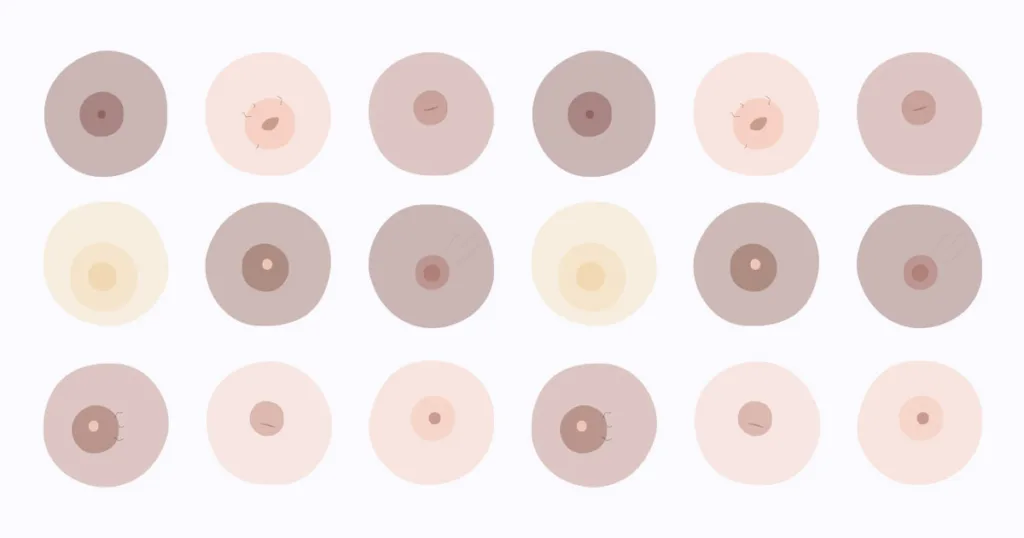
Blackening of the nipples
Many women may notice darkening of the nipples among the signs of pregnancy. Breasts and nipples can change color in response to hormonal changes during pregnancy.
Why darkening of the nipples? During pregnancy, the body can increase the production of melatonin, which can lead to darkening of the nipples. At the same time, increased blood flow and hormone changes can also contribute to this change.
Pregnancy is a natural and complex process that causes many changes in the body. Pregnancy symptoms can vary from woman to woman and can sometimes be difficult to spot. However, being aware of these symptoms can be helpful in making a diagnosis in the early stages of pregnancy. If you are experiencing any of these symptoms, it is best to consult a healthcare professional.
2nd Trimester Pregnancy Symptoms (14 – 27 Weeks)
The second trimester is often known as the “honeymoon period” because many expectant mothers feel more energetic during this period and early signs begin to subside. However, some new signs of pregnancy can still be observed. Here are the common 2nd trimester pregnancy symptoms:
- Abdominal growth and weight gain
- Increased appetite
- Changes in the skin: spotting and shine
- Growth of the breasts and development of the milk ducts
- Comfortable breathing and enlargement of the rib cage
- Braxton Hicks contractions (false labor pains)
- Back and waist pain
- Gum and tooth sensitivity
- Nasal congestion and bleeding
- Varicose veins and swelling of the ankles
- Abdominal itching and stretching of the skin
- Emotional balance and relaxation
3rd Trimester Pregnancy Symptoms (28-40. Week)
The third trimester is the process of preparing for childbirth, and during this period, there are noticeable changes in the body. As the baby grows, the symptoms of pregnancy may be felt more intensely. However, these symptoms are a sign that the moment to meet your baby is approaching. Common pregnancy symptoms in the 3rd trimester are:
- Dyspnea
- Increased back and low back pain
- Sleep problems and frequent awakenings
- Frequent urination
- Increased contractions of Braxton Hicks
- Swelling (edema) in the hands, feet and face area
- Heartburn and indigestion
- Coming of colostrum (first milk) from the breasts
- Leg cramps
- Pressure and pain in the pelvic area
- Baby movements are stronger and more pronounced,
- Feeling of childbirth preparation and emotional intensity
Pregnancy Symptoms: Frequently Asked Questions
-
When do pregnancy symptoms begin?
Pregnancy symptoms usually begin within the first few weeks after fertilization. However, these symptoms can vary from woman to woman and from pregnancy to pregnancy.
-
What symptoms, other than the absence of menstruation, can be a sign of pregnancy?
In addition to the absence of menstruation, breast tenderness, fatigue, frequent urination, slight bleeding, dizziness and nausea are also among the symptoms of pregnancy.
-
What are the differences between pregnancy symptoms and menstrual symptoms?
In both cases, there may be similar symptoms. However, the symptoms of pregnancy are usually more intense and continuous, and do not go away with the onset of the menstrual period.
-
Does experiencing pregnancy symptoms definitely indicate that I am pregnant?
No. Pregnancy symptoms can be a sign that you may be pregnant, but you should contact your doctor and take a pregnancy test for a definitive diagnosis.
-
What should I do if I have a negative pregnancy test but am experiencing pregnancy symptoms?
It is best to wait a while after the delay of menstruation for the test to give an accurate result. If symptoms persist and the test is still negative, you should contact a healthcare professional.